
Selecting the right knee sleeve requires understanding how different materials interact with your joints during movement. Neoprene sleeves offer robust heat retention and rigid structural support, making them a staple for heavy lifting. Compression fabric sleeves prioritize lightweight breathability and enhanced blood flow, ideal for endurance sports and daily mobility. Hybrid designs bridge this gap by combining targeted compression zones with reinforced panels or stabilizers to balance flexibility and support. The ideal choice depends on your specific activity, joint stability requirements, and comfort preferences under different environmental conditions.
Core Material and Construction Differences
Neoprene is a synthetic rubber material known for its density, durability, and insulating properties. In knee sleeves, it is typically utilized in varying thicknesses, commonly ranging from 3mm to 7mm. The thicker the neoprene, the more rigid the compression and the greater the physical restriction on lateral joint movement. This material does not stretch easily, creating a firm, supportive cylinder around the knee joint that traps body heat to keep the surrounding muscles and tendons warm and pliable.
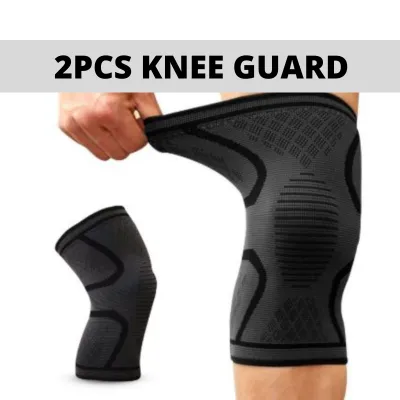
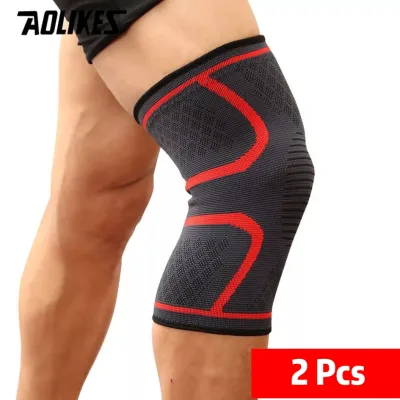
Compression fabric sleeves are constructed from elasticized knits, usually blending nylon, polyester, spandex, or elastane. These sleeves rely on the tension of the weave to apply graduated pressure to the joint. Unlike the uniform rigidity of neoprene, compression fabrics stretch dynamically in multiple directions, conforming closely to the natural contours of the leg. This lightweight profile allows for unrestricted movement while promoting local circulation, making them virtually unnoticeable under clothing.
Products mentioned in this guide
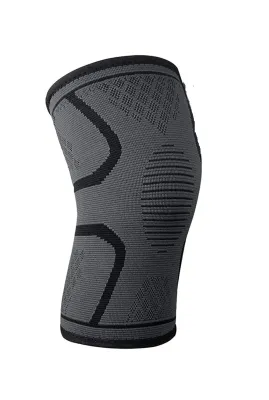
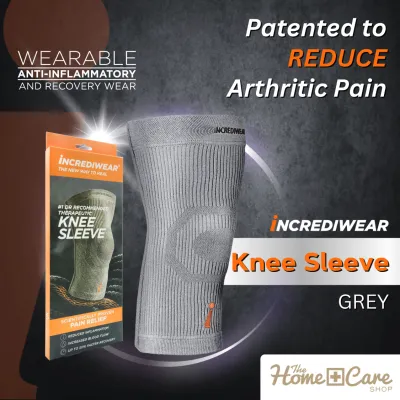
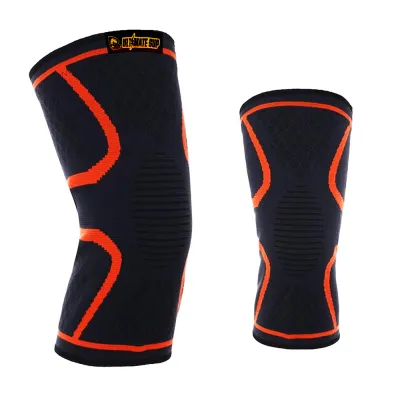
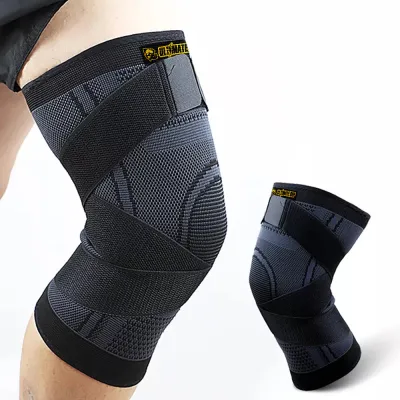
Prices are valid at publication and may change. Please refer to the product page for the latest price.
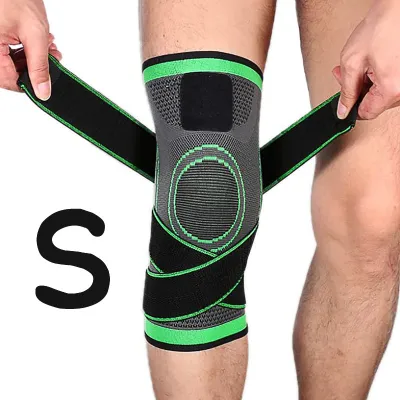
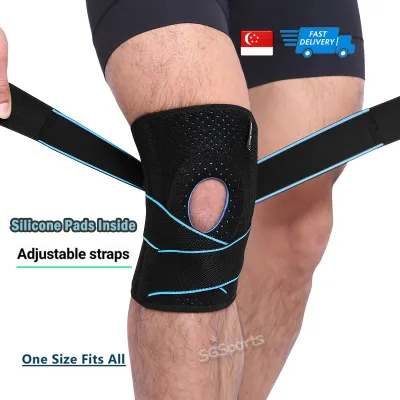
Hybrid designs integrate elements of both styles to offer a middle ground. These sleeves typically feature a breathable knit or mesh base body, reinforced with strategically placed neoprene panels, flexible side stabilizers, or silicone grip strips. Some hybrid models incorporate targeted tension bands that mimic athletic taping patterns. This construction aims to deliver localized structural reinforcement to the patella or collateral ligaments without the bulk and heat accumulation of a full neoprene sleeve.
Support, Comfort, and Breathability Trade-offs
The thermal properties of these materials dictate how comfortable they remain during prolonged use, especially in warm and humid climates. Neoprene acts as an efficient insulator, trapping sweat and body heat. While this heat retention is highly beneficial for keeping joints lubricated and reducing stiffness during rest intervals, it can lead to heavy sweating and skin dampness in tropical environments. In contrast, compression fabrics excel at moisture-wicking and ventilation, allowing sweat to evaporate rapidly and keeping the skin cool during high-intensity cardiovascular workouts.

Compression levels differ significantly between knit fabrics and synthetic rubber. Neoprene provides mechanical support; its physical thickness resists deformation, offering a physical buffer against joint displacement and enhancing proprioception—your brain’s awareness of the joint’s position. Compression fabric provides sensory support rather than mechanical resistance. The constant, gentle pressure stimulates sensory receptors in the skin, which can improve muscle coordination and reduce the perception of minor aches without physically restricting joint angles.
Skin sensitivity and long-term wearability are critical considerations for active individuals. The accumulation of sweat under a thick neoprene sleeve can cause skin maceration, chafing, or heat rashes if worn for extended periods. Some individuals may also experience mild contact dermatitis from synthetic rubber compounds. Compression fabrics are generally gentler on sensitive skin, though poor-quality seams or tight elastic bands can still cause friction marks. Hybrid sleeves mitigate some of these issues by placing breathable panels in high-sweat areas, such as the back of the knee, while keeping supportive structures where they are needed most.
Matching the Right Sleeve to Your Activity
For heavy lifting, powerlifting, and strongman training, thick neoprene sleeves (typically 7mm) are the standard choice. The high mechanical resistance helps stabilize the knee under extreme loads, while the intense heat retention keeps the joint warm between heavy sets. If you are performing squats or clean-and-jerks, the physical rebound effect at the bottom of the movement can provide a subjective feeling of safety and stability, though it does not replace proper lifting mechanics.
For running, cycling, and high-cardio sports, lightweight compression fabric sleeves are far more practical. These activities require thousands of repetitive joint flexions, where any excess bulk or resistance from a thick sleeve can lead to premature muscle fatigue or chafing. A breathable knit sleeve provides light support, keeps the joint warm enough to prevent stiffness, and manages moisture effectively during long outdoor runs along humid coastal paths or indoor treadmill sessions.
Cross-training, functional fitness, and court sports like basketball or badminton demand a balance of explosive lateral movement and structural support. Here, hybrid sleeves or thinner 3mm to 5mm neoprene sleeves shine. They offer enough structural feedback to protect the joint during sudden changes of direction while remaining flexible enough for deep lunges, jumps, and sprints. The integrated silicone grips in hybrid designs are particularly useful in these dynamic sports to prevent the sleeve from sliding down during rapid movements.
| Activity Type | Primary Material | Key Benefit | Support Level | Breathability |
|---|---|---|---|---|
| Powerlifting / Heavy Squats | 7mm Neoprene | Maximum joint warmth & mechanical stability | High | Low |
| Running / Cycling | Knit Compression Fabric | Moisture-wicking & unrestricted mobility | Light | High |
| Cross-Training / Court Sports | Hybrid / 3mm-5mm Neoprene | Balanced lateral support & flexibility | Moderate | Moderate |
| Daily Wear / Mild Recovery | Knit Compression Fabric | All-day comfort & circulation support | Light | High |
Sizing, Fit, and Care Verification
Securing the correct fit is essential; an ill-fitting sleeve can impair circulation or fail to provide any functional support. To measure accurately, use a flexible measuring tape to find the circumference of your knee joint, typically around the center of the patella while your leg is slightly bent at a 30-degree angle. Many manufacturers also require measurements taken 10 to 15 centimeters above and below the kneecap to account for thigh and calf taper. Do not guess your size based on clothing dimensions, as sizing standards vary widely between brands.
Once you put the sleeve on, perform a quick physical check. A properly fitting sleeve should feel snug and apply even pressure without pinching, rolling down, or bunching behind the knee. If you notice cold toes, tingling, numbness, or deep red indentations on your skin after a few minutes of wear, the sleeve is too tight and is restricting blood flow. Conversely, if the sleeve slides down your leg during a simple walk or a bodyweight squat, it is too loose to offer effective compression or proprioceptive feedback.
Proper maintenance preserves the elasticity and hygiene of your gear. Neoprene is highly susceptible to structural breakdown if exposed to high heat or harsh chemicals. Hand wash neoprene sleeves in cool water using a mild detergent, and allow them to air dry completely in a shaded, well-ventilated area; never place them in a clothes dryer or expose them to direct, intense sunlight. Compression fabrics can often tolerate gentle machine washing in a mesh laundry bag, but they should also be air-dried to prevent the elastic fibers from degrading and losing their tension over time.
Frequently Asked Questions (FAQ)
Should I wear a knee sleeve all day for general joint pain?
Athletic knee sleeves are designed primarily to support active movement and are not intended for continuous, all-day wear unless specifically recommended by a medical professional. Wearing a highly restrictive sleeve for extended periods can lead to skin irritation, moisture buildup, and a reliance on external support rather than natural muscle stabilization. For chronic joint pain, swelling, or suspected structural injuries, it is crucial to consult a healthcare professional or physiotherapist to address the underlying cause rather than relying solely on compression gear.
Can a knee sleeve prevent knee injuries during heavy squats?
A knee sleeve cannot guarantee protection against structural injuries, such as ligament tears or meniscus damage, during heavy lifting. While sleeves improve joint warmth, blood flow, and proprioception—which helps you maintain better alignment and form—they do not mechanically lock the joint in place like a rigid medical brace. True injury prevention relies on progressive overload, proper lifting technique, adequate recovery, and managing your training volume. A knee sleeve should be viewed as a tool to support comfort and joint awareness rather than a safety net for lifting excessive weight.
Community discussion
Share your experience or ask a question. Comments are reviewed before publication.