
Quick Answer: Which Recovery Tool Should You Choose?
Selecting the ideal muscle recovery tool is not about finding a single, universally superior device. Instead, the right choice depends entirely on the specific muscle groups you need to target, the depth of the tension you are experiencing, and your budget.
For athletes and active individuals, these three popular tools serve distinct roles in a physical maintenance routine. Foam rollers are highly effective for sweeping across large, broad muscle groups to improve general tissue mobility and warm up the body. Massage guns utilize rapid percussive pulses to deliver deep, localized relief to dense muscle tissue. Neuro balls—which are specialized, often textured, vibrating massage balls—excel at precise, pinpoint trigger point therapy by combining localized pressure with sensory-stimulating vibration.
Understanding how to integrate these tools into your training regimen can significantly improve your muscle recovery, joint mobility, and overall performance. The following sections break down the mechanical differences, physical target areas, financial investments, and safety protocols to help you choose the best tool for your specific athletic needs.
Products mentioned in this guide
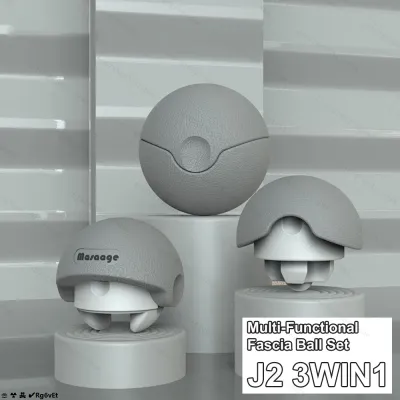
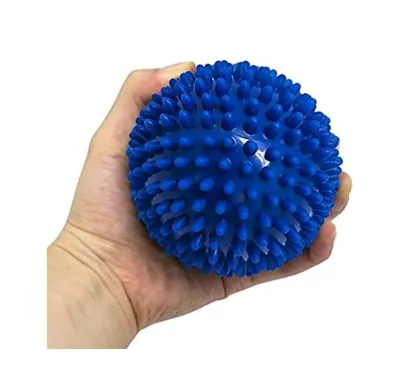
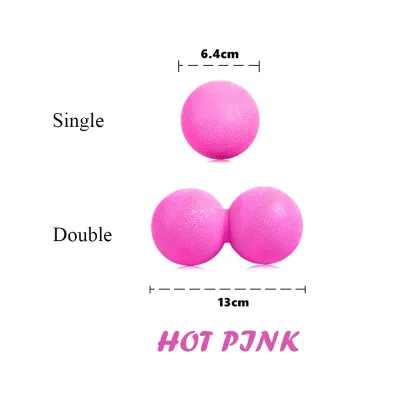
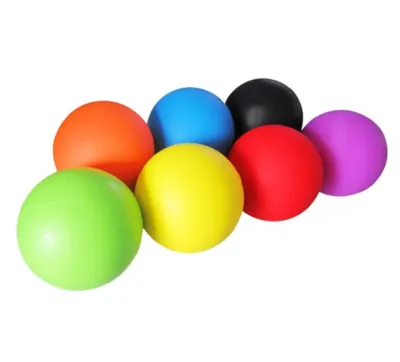
Prices are valid at publication and may change. Please refer to the product page for the latest price.
How Neuro Balls, Foam Rollers, and Massage Guns Work
To make an informed decision, it is essential to understand the underlying physiological mechanisms of each tool. While all three aim to relieve muscle tightness and improve range of motion, they interact with your neuromuscular system and myofascial tissue in fundamentally different ways.

Foam Rollers (Self-Myofascial Release)
Foam rolling relies on self-myofascial release (SMR), a technique where you use your own body weight to apply pressure to muscle tissue. As you roll back and forth over the foam cylinder, the mechanical pressure compresses the underlying skeletal muscle and surrounding fascial layers.
This compression helps to restore the sliding capacity of myofascial membranes, which can become restricted or dehydrated due to repetitive athletic movement or prolonged sitting. The slow, sweeping pressure also stimulates sensory receptors within the muscle, such as Golgi tendon organs, sending signals to the central nervous system to reduce muscle tone and allow the tissue to relax.
Massage Guns (Percussive Therapy)
Massage guns deliver percussive therapy, which combines rapid, concentrated pulses of pressure with high-frequency vibrations. The motorized piston of the device moves back and forth at high speeds, repeatedly striking the muscle tissue to reach deep layers that manual rolling might miss.
This rapid mechanical pulsing works on the gate control theory of pain. By flooding the nervous system with sensory touch signals, the brain’s perception of localized muscle soreness is temporarily blocked or diminished. Additionally, the rapid percussion increases local microcirculation, bringing oxygen-rich blood to fatigued muscles to accelerate metabolic waste clearance and alleviate acute stiffness.
Neuro Balls (Vibrating Trigger Point Therapy)
Neuro balls represent an evolution of the traditional lacrosse ball, incorporating localized vibration and specialized surface textures to target the nervous system more directly. These compact, spherical tools are designed to pinpoint highly specific areas of tension, known as myofascial trigger points or “knots.”
When you compress a neuro ball against a tight spot, the small surface area applies highly concentrated static pressure directly to the knot. Simultaneously, the built-in vibration stimulates specialized nerve endings in the skin and fascia, such as Pacinian corpuscles, which are highly sensitive to high-frequency vibration. This dual action quickly down-regulates the local nervous system, encouraging deep, stubborn muscle fibers to release without requiring the intense discomfort often associated with non-vibrating trigger point tools.
Head-to-Head Comparison: Target Areas, Depth, and Portability
To help you evaluate these tools side by side, it is helpful to look at how they perform across key physical and practical dimensions. Each tool has clear structural advantages depending on where you use it and how you travel.
| Feature | Foam Roller | Massage Gun | Neuro Ball |
|---|---|---|---|
| Primary Mechanism | Static/sweeping compression | Rapid percussive pulses | Pinpoint static pressure + vibration |
| Best Target Areas | Quads, calves, lats, thoracic spine | Quads, hamstrings, glutes, calves | Plantar fascia, glutes, shoulders |
| Depth of Pressure | Superficial to moderate | Deep and highly adjustable | Deep and highly concentrated |
| Portability | Low (bulky, hard to pack) | Medium (requires travel case) | High (pocket-sized, lightweight) |
| User Effort | High (requires floor movement) | Medium (arm holding/fatigue) | Low to medium (wall or floor use) |
Target Areas
The physical shape of each tool dictates which muscle groups it can treat effectively. Foam rollers are unmatched when it comes to covering expansive, flat muscle surfaces. They allow you to flush out the entire length of your quadriceps, hamstrings, or latissimus dorsi in a few broad strokes. However, their bulky cylindrical shape makes it virtually impossible to target small, deep-seated muscles.
Massage guns offer excellent versatility for most of the major muscle groups you can easily reach with your hands, such as the thighs, calves, and chest. However, they are highly impractical for treating your own upper back, shoulders, or posterior neck, as reaching these angles with a heavy, vibrating device is physically awkward and can strain other muscles.
Neuro balls excel in the exact areas where the other two tools struggle. Because of their compact, spherical shape, they can sink deeply into highly localized spots like the plantar fascia on the sole of the foot, the deep piriformis muscle in the gluteals, or the intricate musculature between the shoulder blades. They are designed to nestle into small anatomical contours to release isolated tension.
Depth of Pressure
The depth of tissue penetration varies significantly among these devices. A foam roller provides a more superficial to moderate pressure distributed over a wide surface area. While high-density or grid-textured rollers can intensify this pressure, the depth is ultimately limited by how much of your body weight you can comfortably suspend and control over the roller.
Massage guns deliver the deepest active penetration because of their mechanized percussive stroke. By adjusting the speed settings and swapping out the attachment heads—such as using a hard bullet head for dense muscle or a soft dampener head near bony structures—you can customize the depth and intensity to suit your pain tolerance and muscle density.
Neuro balls offer a different kind of depth. While they do not percussively strike the tissue, their small contact area creates an incredibly concentrated pinpoint pressure. When backed by your body weight against a wall or floor, this concentrated force penetrates deeply into stubborn knots. The addition of high-frequency vibration helps to desensitize the area, allowing you to sustain deep pressure without triggering a protective muscle spasm.
Portability and Ease of Use
If you frequently travel for races, matches, or business, the physical footprint of your recovery gear is a major factor. Traditional foam rollers are bulky, awkward to carry, and take up significant space in a suitcase or gym bag. They also require a clean, spacious floor area to use, which can be inconvenient in a crowded gym or hotel room.
Massage guns are moderately portable, typically coming with a dedicated carrying case to protect the battery, motor, and attachments. However, they are relatively heavy, require regular battery charging, and can cause hand and arm fatigue if you use them for extended periods.
Neuro balls are the ultimate travel-friendly option. They are compact enough to fit in the palm of your hand, easily slipping into a pocket, backpack, or carry-on bag. Because they can be used effectively while standing against a wall or sitting in a chair, you do not need dedicated floor space to get a highly effective recovery session.
Budget and Value: Evaluating the Cost of Recovery
Investing in recovery gear requires balancing upfront costs against long-term durability and utility. In the Singapore market, these three categories occupy very different price tiers, reflecting their mechanical complexity and materials.
Foam rollers are the most budget-friendly entry point into self-myofascial release. Standard low-density foam rollers can be found for as little as S$15 to S$30, while premium high-density, hollow-core, or deeply textured models from reputable sports brands generally range from S$40 to S$70. Because they have no moving parts or electrical components, a high-quality foam roller can last for years without needing replacement.
Neuro balls represent a mid-range financial investment. While a basic, non-vibrating lacrosse ball is incredibly inexpensive, a true neuro ball featuring advanced sensory texturing and built-in, rechargeable vibration technology typically ranges from S$50 to S$130. This price reflects the integration of specialized micro-point textures designed to stimulate skin receptors and the compact motor housed inside the ball.
Massage guns occupy the widest and most expensive price spectrum. Entry-level, generic massage guns can be purchased online for S$40 to S$90, but these often suffer from weak motors, low stall forces, and poor battery lifespans. High-quality, professional-grade percussion devices from established brands typically range from S$200 to over S$500. These premium models offer superior build quality, quieter brushless motors, longer battery runtimes, and comprehensive manufacturer warranties.
When deciding on your budget, it is critical to prioritize safety and authenticity. For motorized devices like massage guns and vibrating neuro balls, always purchase from official brand stores or authorized sports retailers in Singapore. This ensures that the lithium-ion batteries comply with local safety standards, reducing the risk of electrical faults, and guarantees that you have access to legitimate warranty support should the device require servicing.
Decision Framework: Match the Tool to Your Routine
To help you select the single best tool—or combination of tools—for your lifestyle, consider how your daily physical demands and specific pain points align with each device.
Choose a Foam Roller if:
- You need a reliable, low-cost tool to warm up large muscle groups before runs or workouts.
- Your primary goal is to improve overall flexibility, joint mobility, and broad fascial health.
- You prefer a low-maintenance recovery tool that requires no battery charging or technical upkeep.
- You enjoy active, movement-based recovery where you can stretch and roll out your entire body at once.
Choose a Massage Gun if:
- You want rapid, deep-tissue relief immediately after intense training sessions.
- You have the budget to invest in a high-quality, long-lasting percussive device.
- You prefer a passive recovery experience where you can sit on the couch and let the machine do the physical work.
- You require adjustable speed settings and interchangeable attachments to treat different muscle densities across your body.
Choose a Neuro Ball if:
- You suffer from chronic, localized tightness in hard-to-reach areas, such as plantar fasciitis, tight glutes, or knots between the shoulder blades.
- You want the neurological benefits of high-frequency vibration to calm your nervous system without the weight and bulk of a massage gun.
- You travel frequently or have limited space, requiring a highly portable tool that fits easily into any bag.
- You want a dual-purpose tool that can be used statically for deep trigger point release or rolled underfoot to stimulate sensory nerves.
Neither may fit if: It is important to recognize when self-treatment is inappropriate. If you are experiencing an acute muscle tear, severe joint inflammation, swelling, or sharp, radiating nerve pain, none of these tools should be used. Using mechanical pressure or vibration on damaged, acutely inflamed tissue can exacerbate the injury and delay healing. In these scenarios, you should rest the affected area and consult a qualified physiotherapist or sports medicine professional in Singapore for a proper clinical diagnosis and tailored rehabilitation plan.
Safety Rules and When to Stop
While self-recovery tools are generally safe for healthy individuals, improper use can lead to tissue damage, nerve irritation, or bruising. Adhering to strict safety guidelines is essential, especially when using motorized percussive or vibrating devices.
First, always avoid applying direct pressure to bony prominences, joints, and highly sensitive anatomical regions. Never use these tools directly on the spine, the front or sides of the neck (due to major blood vessels and nerves), the armpits, the groin, or the lower back near the kidneys. These areas lack the dense muscle buffering required to safely absorb high-frequency vibration or deep mechanical pressure.
Second, do not use percussive or vibrating tools on acute injuries. This includes fresh muscle strains, ligament sprains, bruised skin, open wounds, or areas suffering from compromised circulation or deep vein thrombosis. If you are unsure about the status of an injury, always consult the manufacturer’s safety manual or seek professional medical advice before proceeding.
Third, regulate your application time. Limit your usage to 1 to 2 minutes on any single, localized spot or trigger point. Keeping a vibrating or percussive tool stationary on one spot for too long can compress nerves, restrict blood flow, and cause bruising to the underlying muscle fibers.
Finally, establish a clear stop condition. You should immediately halt your recovery session if you experience sharp or shooting pain, numbness, a “pins and needles” tingling sensation, or sudden swelling. Healthy myofascial release may feel intense or slightly uncomfortable—often described as a “good hurt”—but it should never cause acute, sharp pain or neurological symptoms.
Frequently Asked Questions (FAQ)
Can I use a neuro ball and a foam roller on the same day?
Yes, these two tools complement each other exceptionally well when used in the same recovery session. A highly effective protocol is to start with the foam roller to perform broad, sweeping passes across your major muscle groups, which helps to warm up the tissue, increase overall blood circulation, and address general tightness. Once the larger muscle beds are primed, you can use the neuro ball to target and release any stubborn, highly localized trigger points or knots that the broad surface of the foam roller could not penetrate.
Are massage guns safe for beginners?
Massage guns are entirely safe for beginners, provided they are used with proper technique and caution. If you are new to percussive therapy, always start on the lowest speed setting and use a softer, more forgiving attachment head, such as a foam or air-cushioned dampener. Let the weight of the device do the work rather than pushing it forcefully into your muscle tissue, and slowly glide the gun along the muscle belly, avoiding any bones or joints.
Community discussion
Share your experience or ask a question. Comments are reviewed before publication.