
Quick Answer: Which Football Boot Brand Fits Your Foot Shape?
Finding the perfect football boot requires matching your unique foot anatomy with the design philosophy of each brand. While modern manufacturing has introduced highly adaptive materials across all manufacturers, Nike, Adidas, and Puma still maintain distinct baseline fit profiles. Selecting the right brand depends primarily on your foot width, arch height, and the level of compression you prefer.
Nike generally serves players with narrow to standard foot shapes who prefer a highly locked-in, low-volume fit. The brand’s designs typically feature a snug midfoot and a contoured heel cup that minimises internal movement, making them ideal for players who want a second-skin feel.
Adidas typically accommodates standard to slightly wider feet, offering a more structured, supportive chassis. Their boots generally feature a wider toe box and a flatter soleplate, providing a stable platform for players who require more room for natural toe splay or have lower arches.
Products mentioned in this guide
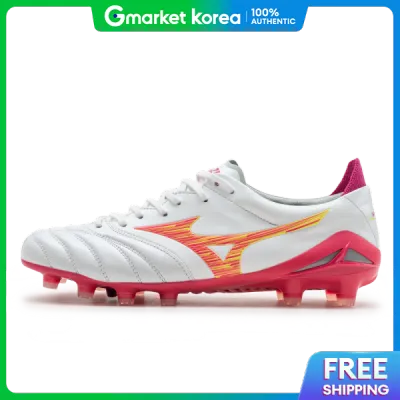
Prices are valid at publication and may change. Please refer to the product page for the latest price.
Puma often bridges the gap by targeting mid-width feet with highly adaptive, comfort-focused designs. Through extensive use of stretch knits and compression bands, Puma boots conform dynamically to various foot shapes, offering a forgiving fit that requires minimal break-in time.
While these brand tendencies serve as a reliable starting point, individual boot models within each brand can vary significantly. Trying boots on while wearing your actual match socks in the late afternoon is the only definitive way to guarantee a proper fit.
Decoding the Fit: Foot Shape Profiles for Nike, Adidas, and Puma
To understand how a boot will feel on the pitch, you must look closely at its anatomical blueprint, known as the “last.” The last determines the width of the forefoot, the depth of the heel cup, the height of the instep, and the overall internal volume of the boot.

Nike: The Snug, Low-Volume Profile
Nike’s design philosophy historically prioritises high-security lockdown and a streamlined silhouette. This approach results in a low-volume fit, meaning there is minimal vertical space inside the toe box. For players with flat toes or an Egyptian foot shape, where the big toe is the longest and the others taper down, this low-profile cut provides an exceptionally clean, barefoot-like touch on the ball.
The midfoot and heel sections of Nike boots are engineered to clamp the foot securely to the soleplate. By using a highly contoured heel cup that curves inward toward the Achilles tendon, Nike minimises heel slippage during explosive lateral cuts and sprints. However, this intense lockdown can feel restrictive for players with high insteps or wide midfeet, occasionally causing pressure points along the navicular bone.
For players with wider feet, choosing a low-volume Nike boot often results in the upper material spilling over the edges of the soleplate. This not only compromises stability but also places excessive stress on the lateral seams, potentially reducing the lifespan of the boot. While certain control-oriented Nike models offer a slightly more relaxed fit, the brand’s core DNA remains firmly rooted in a tight, high-precision wrap that may require a dedicated break-in period.
Adidas: The Structured, Accommodating Profile
Adidas takes a more structured approach to foot containment, building boots that offer stability through a rigid chassis and a more generous anatomical shape. The toe box in a standard Adidas boot is typically wider and more rounded than its Nike counterpart, making it highly suitable for players with a Greek foot shape, where the second toe is longer than the first, or a Roman foot shape, where the toes are of relatively equal length.
This wider forefoot geometry allows the toes to splay naturally during acceleration and deceleration, which can improve balance and reduce the risk of forefoot friction blisters. Underneath the foot, Adidas generally employs a flatter, wider soleplate shank. This design provides excellent midfoot support, making it a preferred choice for players with flat feet or fallen arches who find highly contoured soleplates uncomfortable.
The structured nature of Adidas boots extends to the heel and ankle collar. Rather than relying solely on high-compression materials, Adidas often uses external or internal heel counters made of rigid synthetics to lock the foot in place. This provides a highly stable, protective sensation underfoot, though it can feel slightly bulkier than the minimalist designs of other brands.
Puma: The Adaptive, Mid-Width Profile
Puma has carved out a unique position in the football market by focusing on dynamic, adaptive fit systems. Rather than forcing the foot to conform to a rigid synthetic shape, Puma designs uppers that stretch and mold to the player’s foot. This mid-width profile is exceptionally versatile, accommodating narrow, standard, and moderately wide feet with equal efficiency.
The core of Puma’s fit technology lies in their engineered knit uppers and elasticated midfoot bands. These materials wrap the arch of the foot in a sock-like compression sleeve, expanding where necessary to accommodate wider forefeet or high insteps while snapping back to secure narrower feet. This elasticity makes Puma boots highly forgiving for players who suffer from bunions or minor foot irregularities that typically cause pain in stiffer boots.
Because the materials are inherently flexible, Puma boots generally offer an incredibly comfortable experience straight out of the box. The break-in period is virtually non-existent compared to stiffer synthetic models. However, players who prefer an ultra-rigid, highly structured lockdown may find that the adaptive knit feels slightly too soft during high-intensity lateral cutting maneuvers.
Upper Materials and Technology: How Each Brand Engineers the Touch
The material composition of a football boot upper directly dictates how the boot stretches, how it handles wet weather, and how it feels when striking the ball. Each brand approaches upper technology with a distinct engineering philosophy.
Nike focuses heavily on lightweight, engineered synthetic knits and ultra-thin overlays. Technologies like Flyknit and specialized grip coatings are designed to offer a uniform, high-friction touch on the ball in both wet and dry conditions. These materials are incredibly thin, prioritizing a raw, barefoot sensation. Because high-grade synthetics do not stretch significantly over time, the fit you experience in the shop is highly representative of how the boot will fit throughout its lifespan.
Adidas prioritizes structure, ball manipulation, and impact dampening. Their uppers often feature engineered knits paired with strategically placed rubber elements or textured zones across the strike area. This design is engineered to assist with ball grip and clean power transfer. The underlying knit structures are typically backed by thin foam packages, providing a slightly padded, cushioned touch that absorbs some of the impact when trapping a hard pass.
Puma utilizes highly elastic, hybrid uppers that combine stretchable knits with thin synthetic protective skins. This hybrid construction ensures that the boot remains lightweight and water-resistant while retaining the pliable, foot-conforming benefits of knit textile. The result is an upper that moves naturally with the foot’s joints, providing a soft, uniform touch and exceptional freedom of movement.
Crucial Care and Material Verification: Before purchasing, always check the specific material tags and care instructions on the exact model you are buying. Natural leathers will stretch and mold to your foot shape over several sessions, whereas synthetic and fully knit uppers will retain their shape. If you choose a leather model, you may need to buy a snugger fit to account for natural stretching, while synthetic models must fit comfortably from day one.
Matching Boot Characteristics to Your Position and Playstyle
While finding a boot that matches your foot shape is the absolute priority, understanding how different brand characteristics align with positional demands can help refine your final choice.
Wingers and Strikers (Speed & Agility): Players in these positions rely on rapid acceleration, sharp directional changes, and a highly responsive touch. They often gravitate toward Nike’s lightweight speed silos or Puma’s ultra-lightweight speed models. These boots feature minimalist uppers and aggressive, responsive soleplates that snap back during toe-off, maximizing energy return during sprints.
Midfielders (Control & Passing): Midfielders require a 360-degree touch, consistent passing accuracy, and protection during physical battles in tight spaces. They typically benefit from Adidas’s structured control boots or Nike’s specialized control silos. The textured strike zones and padded uppers on these models help dampen high-velocity balls and provide a clean, uniform surface for distributing passes across the pitch.
Defenders and Goalkeepers (Stability & Protection): Defensive players need maximum stability during physical duels, aerial battles, and high-impact landings. They often prefer Adidas’s wider, highly structured models or Puma’s supportive hybrid boots. The robust heel counters, wider soleplates, and thicker upper materials in these boots offer essential protection against stray studs and provide a highly stable foundation for jumping and clearing.
Anatomical Fit Disclaimer: Positional recommendations should always remain secondary to anatomical fit. A winger wearing an ultra-lightweight speed boot that pinches their forefoot, restricts blood flow, or causes painful blisters will perform far worse than if they wore a highly supportive, comfortable control boot. Never sacrifice fit and comfort for positional marketing.
Pitch Conditions in Singapore: Choosing the Right Soleplate for Local Turf
The playing environment in Singapore presents unique challenges that directly impact your choice of football boots. Due to land constraints and tropical weather conditions, natural grass pitches are relatively rare and often reserved for professional use. The vast majority of public, school, and private pitches—such as those at Kallang, Turf City, and various community sports hubs—utilize third-generation artificial grass (AG) or hard-packed turf courts (TF).
Using Firm Ground (FG) boots on artificial grass is highly discouraged and poses significant safety risks. FG soleplates feature longer, rigid, and often bladed studs designed to penetrate deep into natural soil. On artificial turf, these studs cannot penetrate the hard concrete or gravel sub-base beneath the synthetic grass fibers. This causes the player to sit too high off the ground, significantly increasing the risk of rolling an ankle.
Furthermore, the friction between long FG studs and synthetic turf can cause the boot to catch violently during sudden turns. This excessive rotational traction locks the foot in place while the player’s body weight continues to rotate, a common mechanism for severe knee injuries such as anterior cruciate ligament tears and meniscus damage. To ensure joint safety and optimal grip, players in Singapore should look for:
- Artificial Grass (AG) Soleplates: These feature a higher number of shorter, circular, and often hollow studs. This design distributes body weight evenly across the hard artificial surface, reducing stud pressure on the soles of your feet while allowing for safe rotational release during quick turns.
- Turf (TF) Soleplates: These utilize a flat, durable rubber outsole covered in dozens of small, low-profile rubber nubs. TF soleplates are ideal for older, worn-down artificial pitches or hard-packed sand-filled turf, offering excellent traction and shock absorption without any risk of catching.
Additionally, the type of soleplate you choose can slightly alter the internal volume and flexibility of the boot. AG and TF boots often feature reinforced toe caps to withstand the highly abrasive nature of artificial turf, which can make the toe box feel slightly stiffer initially. Always factor this added structural reinforcement into your final fit assessment.
The Decision Framework: How to Choose Your Ideal Pair
To systematically narrow down your choices and find the perfect pair of football boots for your feet, use this practical decision framework:
- Choose Nike if: You have a narrow to standard foot shape, prefer an ultra-snug, low-volume, locked-in fit, and value a highly direct, barefoot-like touch on the ball.
- Choose Adidas if: You have a standard to wide foot shape, require a flatter, more supportive midfoot chassis, prefer a wider toe box for natural toe splay, and value structured stability.
- Choose Puma if: You have a mid-width foot shape, want a highly adaptive, comfortable fit with minimal break-in time, and prefer a soft, sock-like wrap that conforms dynamically to your foot.
Before making a final purchase, always verify the fit by following these essential steps:
- Shop in the Late Afternoon: Your feet naturally swell by up to 8% during the day due to heat, humidity, and gravity. Trying boots on when your feet are at their largest ensures they will not pinch during an intense evening match.
- Wear Your Match Socks: Bring the exact grip socks, compression sleeves, or team socks you plan to wear during games. A thick football sock can easily alter the fit by half a shoe size.
- Check the Toe Gap: When standing upright, there should be roughly a small gap (typically half a thumb's width) between your longest toe and the end of the boot. Your toes should never be curled or pressed tightly against the front wall.
- Test for Heel Slippage: Lace the boots up fully and perform a few light jumps, lunges, and lateral steps on a carpeted surface. If your heel lifts or slides out of the cup, the boot is either too large or the heel geometry does not match your Achilles anatomy.
If you experience persistent pinching, numbness, or sharp pain along the sides of your feet during a dry-fit test, do not assume the boot will stretch out. Stop, consult the manufacturer’s sizing guide, or try a different brand or silo to protect your feet and ensure long-term performance on the pitch.
Community discussion
Share your experience or ask a question. Comments are reviewed before publication.