
Direct Answer: How to Choose Between Nike, Adidas, and Puma
Selecting the ideal football boots for your game is not about finding a single best brand. Instead, the right choice depends entirely on your unique foot anatomy, your playing style, and the specific pitch conditions you encounter. While elite tournaments like the world cup football showcase the absolute pinnacle of boot technology, the gear worn by professionals must still align with your physical needs to be effective.
Historically, each major manufacturer has developed a distinct design philosophy that influences how their boots fit and perform. Nike is widely recognized for its streamlined, low-volume silhouettes that prioritize a locked-in, speed-oriented feel. Adidas tends to offer a more versatile range, often accommodating slightly wider feet with designs focused on ball control and classic comfort. Puma has carved out a reputation for highly adaptive uppers and lightweight construction, offering flexible fits that bridge the gap between narrow and wide feet.
These brand tendencies serve as helpful starting points, but they are not absolute rules. Because manufacturers update their product lines, materials, and lasts every season, you should always verify current specifications and try on boots in person before making a purchase.
Products mentioned in this guide
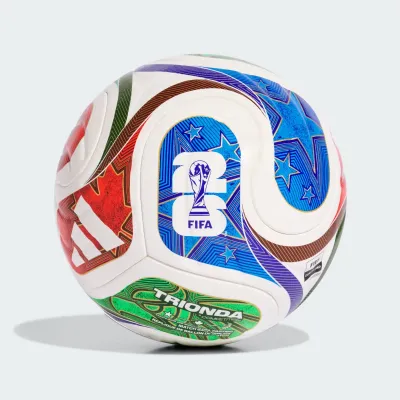
Prices are valid at publication and may change. Please refer to the product page for the latest price.
Match Your Position to Boot Characteristics
Your role on the pitch dictates the physical demands placed on your feet, which in turn influences the type of boot that will support your performance. Wingers and fast attackers typically benefit from lightweight speed boots. These designs minimize bulk, feature thin uppers for a close-to-the-ball feel, and utilize responsive soleplates that assist with rapid acceleration and sharp cuts.

Midfielders, who orchestrate the game through constant passing and receiving, generally require boots optimized for touch and control. Look for design cues such as textured zones, dampening elements, or raised ribs on the upper. These features are engineered to help cushion the ball upon impact and provide a clean, predictable surface for distributing passes across the pitch.
Defenders and defensive midfielders often prioritize stability, protection, and durability. For these positions, boots with robust heel counters, structured uppers, and reliable traction patterns are highly beneficial. A more substantial boot helps absorb the impact of heavy tackles and provides a solid foundation when contesting aerial duels or clearing the ball from danger.
Rather than assuming a boot’s category based on its colorway or marketing campaign, you should actively cross-reference your playing style with the manufacturer’s current product lines. Visit official brand websites or study in-store displays to identify which models are categorized under speed, control, or classic comfort. This ensures your selection aligns with the engineering intentions of the design.
Foot Shape and Fit: Nike vs Adidas vs Puma
The shape of your foot is the single most critical factor in determining which brand will feel comfortable over ninety minutes. Even the most technologically advanced boot will cause blisters, cramping, or reduced performance if it does not match your natural foot shape. Understanding how Nike, Adidas, and Puma construct their lasts—the three-dimensional molds used to shape the boots—can save you significant time and discomfort.
Nike boots are historically built on a narrower, lower-volume last. This design is excellent for players with slender feet who prefer a highly snug, glove-like fit with minimal internal movement. However, players with wider feet may find these models restrictive, particularly around the midfoot and toe box.
Adidas generally utilizes a more balanced-to-wide last across its core ranges. Their boots often provide a bit more volume in the forefoot, making them a popular choice for players who find other brands too constricting. Adidas also frequently incorporates traditional lacing systems and flexible materials that accommodate a broader variety of foot shapes.
Puma has gained traction by focusing on adaptive fit technologies. Many of their modern boots feature highly elastic midfoot bands or stretchable knit uppers that conform to the shape of your foot as you tighten the laces. This makes Puma a highly versatile option, often fitting mid-width to slightly wide feet comfortably without sacrificing a secure lockdown.
When trying on football boots, perform three essential physical checks to evaluate the fit:
- Toe Box Room: Ensure there is roughly a thumbnail's width of space between your longest toe and the end of the boot. Your toes should not be pressed flat against the front, nor should they have excessive room to slide.
- Midfoot Lockdown: The boot should wrap snugly around your arch and midfoot without causing pinching or hot spots. You want to feel secure but not restricted.
- Heel Slip: Walk, jog, and perform quick lateral movements to check if your heel lifts out of the cup. Any slipping or rubbing will quickly lead to painful blisters during a match.
If you have exceptionally wide feet or high arches, look specifically for models labeled by the manufacturer as wide-fit options. Always verify the brand’s specific sizing charts before purchasing online, as sizing can vary slightly between Nike, Adidas, and Puma.
Touch and Feel: Evaluating Upper Materials
The material of your boot’s upper directly determines how the ball feels against your foot and how the boot responds to different weather conditions. Modern football boots utilize a wide array of materials, each offering distinct trade-offs in terms of weight, stretch, and maintenance.
Synthetic knit uppers have become highly popular due to their lightweight, sock-like feel. These materials wrap closely around the foot, offering a highly natural sensation when passing and dribbling. However, knit uppers may offer less structural protection against stray studs and can sometimes absorb water if they lack a protective outer coating.
Textured synthetics are engineered to provide enhanced grip and durability. These uppers often feature specialized patterns or rubberized elements designed to increase friction between the boot and the ball, which can be highly advantageous in wet conditions. While they do not stretch as much as natural materials, they maintain their shape and weight consistently over time.
Natural leather, along with high-quality synthetic leather alternatives, remains the gold standard for classic touch and comfort. Leather naturally stretches and molds to the unique contours of your foot over several sessions, creating a highly personalized fit. The trade-off is that natural leather is typically heavier than modern synthetics and can absorb water on wet pitches if not treated properly.
To make an informed decision, do not rely solely on creative marketing names. Instead, check the product tag or official online specifications to identify the exact material composition of the upper. This allows you to understand exactly what you are paying for and how the material will behave over time.
Additionally, always review the manufacturer’s care instructions. Natural leather boots require regular cleaning and conditioning with specialized leather creams to prevent the material from drying out and cracking. Synthetics are generally much easier to maintain, often requiring only a quick wipe down with a damp cloth after a match.
Traction and Stud Patterns for Different Pitches
Selecting the correct soleplate and stud configuration is vital for maintaining traction, optimizing performance, and preventing serious lower-limb injuries. Playing on the wrong surface with incompatible studs can cause your feet to catch in the turf or slip unexpectedly, putting immense strain on your knees and ankles.
Manufacturers design specific soleplates tailored to different playing surfaces:
- Firm Ground (FG): Designed for natural, dry grass pitches. These soleplates feature longer, often bladed or triangular studs designed to penetrate the turf for maximum grip.
- Artificial Grass (AG): Engineered specifically for modern synthetic turf. AG soleplates feature a larger number of shorter, hollow, and rounded studs that distribute pressure evenly and prevent the boot from catching too aggressively in the artificial grass fibers.
- Soft Ground (SG): Intended for wet, muddy natural grass. These configurations utilize longer, metal-tipped studs that can be unscrewed and replaced depending on the pitch conditions.
- Multi-Ground (MG): Designed as a versatile hybrid option for players who frequently transition between natural grass and artificial turf.
It is highly critical to avoid using pure FG boots on AG pitches. Because artificial turf is shallower and more abrasive than natural grass, FG studs cannot penetrate the surface properly. This leads to excessive traction, which dramatically increases the risk of severe knee and ankle injuries, while also accelerating the wear and tear on your boots. Always check the manufacturer’s intended surface label before stepping onto the pitch.
Take time to observe the shape of the studs on your chosen model. Conical studs allow for easier rotational movement, making them ideal for players who pivot frequently. Bladed studs offer aggressive linear traction, which is excellent for straight-line sprinting but can lock your foot into the ground during turns. Consult the brand’s specific guidelines to match the traction pattern to your physical movements.
Final Decision Framework: Which Brand Should You Pick?
To finalize your decision, synthesize your foot shape, playing style, and typical pitch conditions into a clear action plan.
- Choose Nike if: You have a narrow to average foot shape, prefer a highly locked-in and streamlined feel, and prioritize explosive speed or a barefoot-like touch on the ball.
- Choose Adidas if: You have a balanced or slightly wider foot shape, value a classic cushioned touch, and want a versatile boot that offers excellent ball control and stability.
- Choose Puma if: You have a mid-width foot, prefer highly adaptive and flexible materials that conform to your foot shape, and want a lightweight boot that balances speed with comfort.
- Verify first if: You have specific orthopedic needs, require custom insoles, or regularly play on highly abrasive artificial pitches. In these cases, ensure the boot's insole is removable and that the soleplate is explicitly certified for artificial grass (AG) or multi-ground (MG) use.
Whether you are investing in entry-level models around S$80 or elite-tier boots exceeding S$300, verifying the fit is essential. Before committing to a purchase, always visit a physical store in Singapore to try on your top choices. Bring the exact socks and shin guards you wear during matches, as these will significantly affect how the boot fits around your foot and ankle.
Frequently Asked Questions (FAQ)
Do I need to buy the exact boots worn by professional players?
No, you do not need to purchase the exact boots worn by professional players. Elite athletes often wear highly customized versions of retail boots that are molded specifically to their feet, featuring different soleplates, stitching, or internal structures than what is sold in stores. Furthermore, top-tier professional boots are designed for pristine, perfectly manicured grass pitches, which may not match the harder or artificial surfaces you play on. Prioritize your own comfort, foot shape, and local pitch conditions over professional endorsements to get the best performance and value.
How often should I replace my football boots?
You should replace your football boots when they begin to lose their structural integrity or traction, rather than following a strict calendar timeline. Look for clear physical signs of wear, such as the soleplate separating from the upper, worn-down or chipped studs, stretched-out materials that no longer provide lateral support, or torn stitching. The lifespan of your boots depends heavily on how often you play, the type of pitch you use, and how well you clean and dry them after matches. Regularly inspecting your boots ensures you maintain proper traction and support on the pitch.
Community discussion
Share your experience or ask a question. Comments are reviewed before publication.