
When selecting a nike waist bag for running in Singapore’s intense heat and humidity, prioritizing ventilation and moisture management is essential for maintaining performance and comfort. The most breathable options are minimalist, tube-style running belts crafted from high-stretch, moisture-wicking polyester and elastane blends. These designs minimize skin contact and allow sweat to evaporate rapidly, preventing the heavy, heat-trapping sensation common with bulkier gear.
In contrast, structured zippered pouches offer greater storage capacity but naturally retain more body heat due to their larger surface area and thicker materials. Runners who require more storage should look for models that feature engineered mesh back panels, perforated straps, and lightweight linings to facilitate airflow. By understanding the trade-offs between storage volume and ventilation, you can choose a design that keeps you cool and dry during demanding tropical runs.
Key Breathability Factors for Running in Singapore's Humidity
Running in a tropical climate means dealing with ambient temperatures that frequently exceed 30°C alongside relative humidity levels often hovering above 80%. In these conditions, your body relies heavily on sweat evaporation to regulate its core temperature. Any accessory worn close to the body can act as an insulating barrier, trapping heat and moisture against the skin. To select a waist pack that supports natural thermoregulation, you must evaluate several critical material and design factors.
Products mentioned in this guide
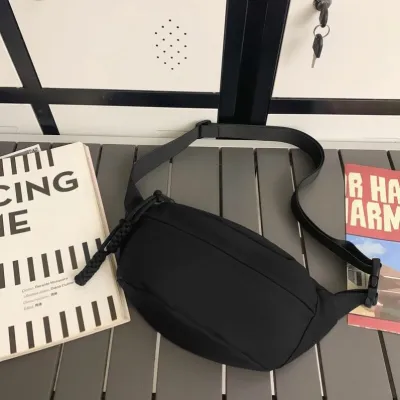
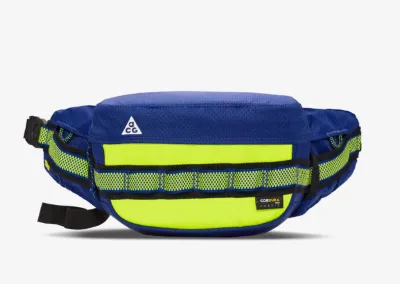
![Nike Heritage Waistpack (8L) - Phantom [IB4369-030]](https://img.lazcdn.com/g/ff/kf/Se0d3fe7bf441442b8cb17d0f2635de735.jpg_400x400q80.jpg_.webp)
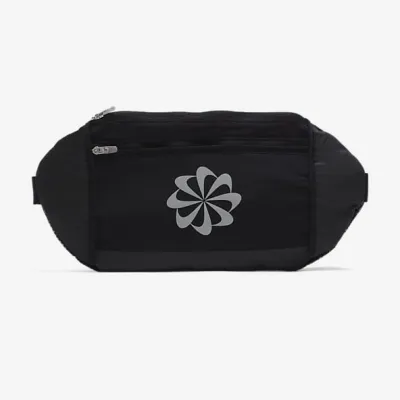
Prices are valid at publication and may change. Please refer to the product page for the latest price.
Material Composition and Hydrophobic Performance
The primary fabric of your running pack determines how effectively it manages sweat. Traditional lifestyle waist bags often utilize heavy nylon or canvas weaves, which absorb moisture, become heavy, and block airflow. Technical running gear utilizes synthetic blends, primarily polyester and elastane (spandex). Polyester is naturally hydrophobic, meaning it resists water absorption and instead coaxes moisture to the outer surface where it can evaporate. Elastane adds the necessary stretch to keep the pack snug against the body, reducing movement without requiring a thick, heat-trapping waistband.
Surface Area and Contact Points
Every square centimeter of fabric covering your skin reduces the surface area available for evaporative cooling. A wide, heavily padded waist pack covers a significant portion of your lower back and abdomen, creating a localized microclimate where heat accumulates. Minimalist designs reduce this contact patch to a narrow band. When evaluating larger packs, look for zoned ventilation, where the areas in direct contact with your body utilize open-pore mesh or perforated foam rather than solid fabric sheets.
Hardware, Buckles, and Friction Zones
Heavy plastic buckles, thick webbing straps, and rigid zipper tracks do more than add weight; they act as thermal barriers. These components do not breathe, and when pressed firmly against the skin by tension, they create localized hot spots. During long runs, these hot spots can quickly turn into friction points as sweat accumulates around them. Opting for designs with streamlined hardware or continuous-loop constructions reduces the presence of these non-breathable elements.
Moisture Management vs. Weather Protection
There is a direct trade-off between keeping rain out and letting sweat escape. Water-resistant coatings, such as Durable Water Repellent (DWR), and internal thermoplastic polyurethane (TPU) linings are excellent for protecting electronic devices from sudden tropical downpours. However, these barrier technologies also prevent air and water vapor from passing through from the inside. For hot-weather running, prioritizing highly breathable, uncoated mesh is generally more beneficial for overall comfort, while sensitive electronics can be protected inside a simple plastic dry bag within the pouch.
Comparing Nike Waist Bag Designs: Slim Tubes vs. Zippered Pouches
Nike offers running waist packs designed to balance storage and performance. These products generally fall into two distinct design categories: minimalist tube-style belts and structured zippered pouches. Each approach handles heat and moisture differently.

Minimalist Tube-Style Running Belts
Minimalist tube-style belts are designed as a continuous, elastic loop that slides up over your legs to sit snugly around your waist. This construction eliminates the need for plastic buckles, heavy adjustment clips, and thick zipper tracks, resulting in an exceptionally lightweight and low-profile accessory. The fabric is typically a high-performance blend of polyester and spandex, engineered to stretch tightly over your gear while remaining highly permeable to air.
Because these belts distribute tension evenly around your entire midsection, they do not require tight, localized strapping that can pinch the skin and trap heat. The low-profile design ensures that the contact area is kept to an absolute minimum, allowing your lower back and abdominal skin to breathe relatively unimpeded. Sweat wicks rapidly through the thin fabric, drying quickly in the ambient breeze as you move.
However, these minimalist designs come with practical trade-offs. The storage space is typically limited to a series of internal drop-in slots, which are ideal for a standard-sized smartphone, a house key, and a couple of energy gels. They are not suited for carrying bulky items, multi-tools, or rigid water bottles, which can bounce excessively or dig into your waist. Additionally, because they lack an opening buckle, you must step into the belt to put it on, which some runners find less convenient than a clip-on design.
Structured Zippered Pouches and Multi-Compartment Bags
Structured zippered pouches feature a dedicated, often semi-rigid pocket suspended by an adjustable strap system. These packs are designed to carry larger payloads, such as oversized smartphones, modern car key fobs, small soft flasks, and multiple nutrition packets. To support this weight without bouncing, the backing panel of the pouch is usually reinforced, making it stiffer and more substantial than the fabric of a tube belt.
This structural reinforcement naturally traps more heat. When a loaded pouch sits flat against your lower back, it blocks airflow entirely across that zone, leading to a saturated patch of sweat on your running shirt. To mitigate this heat buildup, high-quality running models incorporate specialized design features. These include 3D spacer mesh backings, which create a physical gap between the pouch and your body, and perforated elastic straps that allow air to circulate through the band.
Runners should exercise caution when browsing retail listings. It is important to distinguish between technical running waist packs and lifestyle or heritage fanny packs. Lifestyle models are frequently constructed from heavy, tightly woven nylon or polyester canvas. While durable and stylish for daily wear, these materials lack the moisture-wicking properties and ventilation features required for high-intensity exercise, and wearing them on a run in high humidity will quickly lead to discomfort and overheating.
How to Evaluate Fit and Minimize Chafing Risks
In Singapore’s humid climate, sweat acts as a lubricant initially, but as it mixes with friction and body movement, it can quickly lead to severe skin chafing. A poorly fitting waist pack will exacerbate this issue. Ensuring a precise fit and selecting the right construction details are essential steps to protect your skin.
Controlling the Bounce Factor
When you run, the vertical movement of your body transfers kinetic energy to your waist pack. If the pack is loose, it will bounce out of sync with your stride. This constant sliding up and down against wet skin creates a high-friction environment. To prevent this, look for packs that feature internal silicone grip patterns or textured elastic bands. These elements help anchor the pack in place against your running apparel, ensuring that the bag moves with your body rather than sliding against it.
Analyzing Seam Construction
Before purchasing, inspect the internal seams of the waist pack, especially the areas that will sit closest to your body. Raised, rough, or poorly finished seams can act like sandpaper when pressed against damp skin. High-quality athletic packs utilize flatlock seams, which are stitched flat to eliminate overlapping fabric edges, or bonded seams, which join fabrics using heat and adhesive for a completely smooth profile. If you can feel a prominent seam ridge with your fingers, it is highly likely to cause irritation during a long, sweaty run.
Anatomically Correct Positioning
How you wear your waist pack significantly impacts both its stability and its breathability. The pack should ideally sit low on your hips, resting on the iliac crest (the bony ridge of your pelvis), rather than high up on the soft tissue of your waist. Positioning the band over your hip bones provides a solid, skeletal anchor point, which reduces the need to overtighten the strap. Overtightening a strap around your soft abdomen not only restricts deep breathing but also compresses the fabric tightly against your skin, trapping more heat and sweat.
Pre-Run Skin Protection
Even with a highly breathable and perfectly fitted waist pack, the combination of extreme humidity and long-distance running can still present a chafing risk. As a preventative measure, apply a specialized anti-chafe balm or lubricant to your waist and hip area before heading out. Focus on the exact zones where the pack’s edges, buckles, or seams rest. Always check your running apparel as well; pairing your waist pack with a technical shirt that features flat seams will provide an effective, friction-reducing barrier.
Decision Framework: Which Style Fits Your Running Needs?
To help you determine the best design for your training regimen, consider the following structured decision pathways based on your typical distance, storage requirements, and personal comfort priorities.
Choose a Slim Tube-Style Belt If:
- Your primary goal is maximum ventilation: You want the absolute minimum amount of fabric touching your body to allow natural sweating and cooling.
- You carry minimal gear: Your typical run requires only a standard smartphone, a single key, and perhaps one or two energy gels.
- You prefer a locked-in, zero-bounce feel: You enjoy fast-paced tempo runs or track workouts where any movement of an accessory is distracting.
- You run short to medium distances: Your training sessions generally last under 90 minutes, meaning you do not need to carry large volumes of hydration or extensive nutrition.
Choose a Structured Zippered Pouch If:
- You require organized, high-capacity storage: You need to carry multiple items separately, such as a large phone, car keys, salt tablets, and medical supplies like an inhaler.
- You need to carry hydration: You prefer to run with a small soft flask of water or electrolyte drink tucked into your pack.
- You value quick access and adjustability: You want to be able to easily unclip the pack at traffic lights or adjust the tension on the fly using a traditional buckle system.
- You verify the presence of cooling features: You have confirmed that the specific model features a robust 3D mesh back panel and perforated, moisture-wicking straps to offset the inherent heat retention of the pouch.
Consider Alternative Carrying Solutions If:
- You have highly sensitive skin: You consistently experience contact dermatitis, heat rash, or severe chafing from any elastic waistband in hot weather.
- Your storage needs are extensive: You are training for ultra-marathons or long trail runs where you must carry hydration, mandatory safety gear, and nutrition. In these scenarios, a lightweight, highly ventilated running vest or a handheld bottle with an integrated pouch may distribute weight and heat more comfortably.
- You prefer absolute freedom around your torso: You find any restriction around your waist uncomfortable, in which case running shorts with integrated mesh waistband pockets can distribute your gear directly within your apparel.
Verification Steps Before Purchasing Online
When shopping on any online marketplace or ecommerce platform, do not rely solely on marketing images. Always check the detailed product specifications for the exact material breakdown, looking for high percentages of polyester and spandex/elastane while avoiding heavy nylon blends. Additionally, search customer reviews specifically for terms like “chafing,” “sweat,” “humidity,” or “bounce” to gain insight into how the pack performs in real-world tropical conditions. If you are unsure about sizing for a tube belt, measure your hips at the widest point and consult the manufacturer’s size guide, as a belt that is too tight will restrict breathing, while one that is too loose will bounce and chafe.
Frequently Asked Questions (FAQ)
Can I machine wash my Nike waist bag to remove sweat buildup?
You should always check the care label inside your specific waist pack first. Generally, technical running waist packs can be hand-washed or machine-washed on a delicate, short cycle using cold water and a mild detergent. This regular cleaning is important because dried sweat leaves behind salt crystals that can degrade elastic fibers over time and irritate your skin on subsequent runs. Avoid using fabric softeners, as they leave a thin coating on the fabric fibers that clogs the pores, severely reducing the material’s moisture-wicking capabilities and breathability. Always hang the pack to air dry in a shaded, well-ventilated area; never use a tumble dryer, as high heat can destroy the elastic compounds and melt any bonded seams or reflective elements.
Should I wear my running waist bag over or under my running shirt?
For optimal temperature regulation and skin protection, you should wear your running waist pack over a lightweight, moisture-wicking running shirt. The fabric of your shirt acts as a protective barrier, absorbing initial sweat and preventing the pack’s straps, buckles, or seams from rubbing directly against your bare skin. Wearing a waist pack underneath your shirt traps body heat directly against your skin, prevents air from circulating, and causes your shirt to bunch up awkwardly. This bunching creates thick folds of damp fabric that significantly increase the risk of severe chafing around your midsection.
Are waterproof or water-resistant waist bags bad for hot weather?
Waterproof or highly water-resistant waist bags are not ideal for hot, humid weather because the barrier technologies used to keep external water out also prevent internal moisture from escaping. Materials like TPU linings or heavy polyurethane coatings block air permeability entirely, meaning any sweat that accumulates between your body and the pack will remain trapped, leading to a hot, damp microclimate. For hot-weather running, it is far more effective to prioritize a highly breathable, uncoated mesh pack that allows sweat to evaporate. If you need to protect your phone or car keys from sudden tropical downpours, place those specific items inside a simple, lightweight zip-top plastic bag before tucking them into your breathable running pack.
Community discussion
Share your experience or ask a question. Comments are reviewed before publication.