
Finding the right non slip yoga mat towel requires looking past marketing buzzwords and focusing on two measurable factors: grip technology and material thickness. A towel that performs flawlessly in a high-sweat hot yoga session might bunch up or slide during a dry restorative class. Conversely, a thick, cushioned towel that offers excellent joint support might prove too bulky for a daily commute. By understanding how different brands engineer their towels, you can select a model that aligns with your practice style, your existing yoga mat, and your transport needs.
To make an informed purchase, you must evaluate how a towel’s physical properties interact with your body chemistry and the surface of your mat. Premium options, which often range from S$40 to S$80, utilize specialized material blends and backing patterns to ensure stability. Rather than relying on brand popularity, comparing the structural design of these towels allows you to predict their performance before stepping onto the studio floor.
Comparing Grip Technologies: Microfiber vs. Silicone
Microfiber towels rely on moisture to activate their slip-resistant properties. The synthetic fibers in these towels are split during manufacturing, creating a vast network of microscopic channels that rapidly absorb liquid. When you begin to sweat, the moisture fills these channels, creating a capillary effect that increases surface tension and locks your hands and feet in place. This sweat-activated grip is highly effective for high-intensity practices like hot yoga or power vinyasa, where heavy perspiration is guaranteed. However, if your hands are dry, a standard microfiber towel can feel slick and may slide across your mat, presenting a safety hazard during transitions.
Products mentioned in this guide
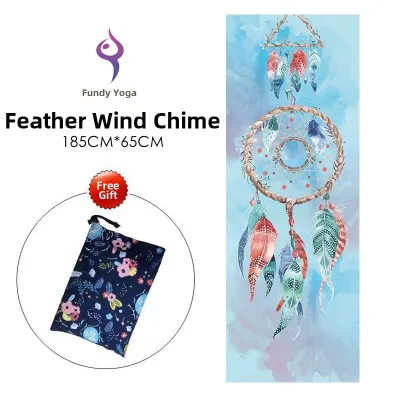
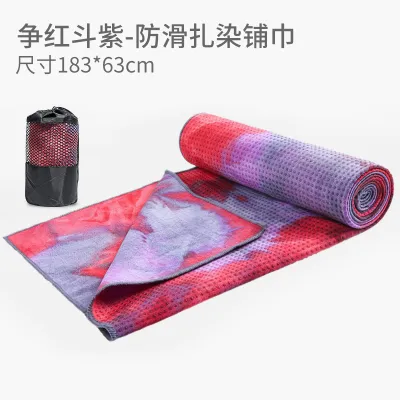
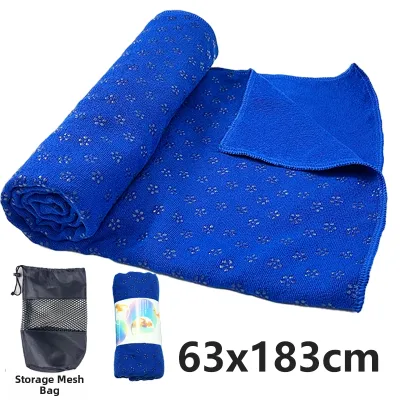
![[SG Seller] Fitpro Yoga Towel Mat Anti Slip with Nylon Bag](https://img.lazcdn.com/g/p/1fb1138e68c1c1793c160e020dbefb89.jpg_400x400q80.jpg_.webp)
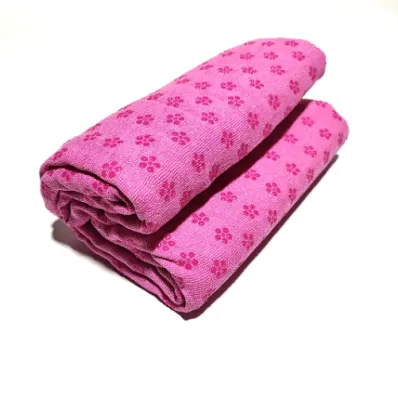
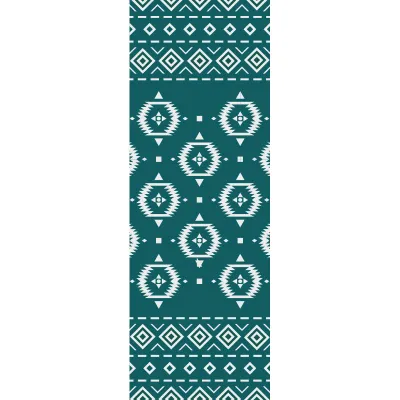
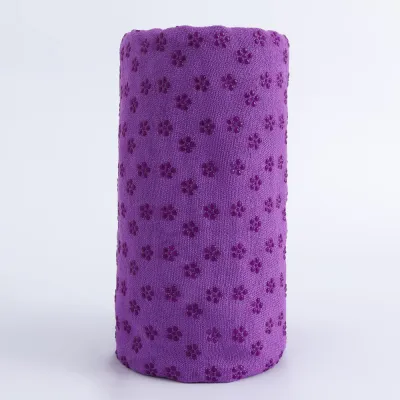
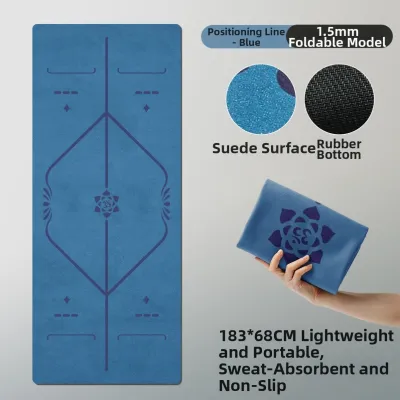
Prices are valid at publication and may change. Please refer to the product page for the latest price.
To address dry conditions, many brands incorporate physical grip mechanisms on the underside of the towel. These typically consist of silicone dots, nubs, or printed silicone patterns that create direct mechanical friction against the yoga mat. This physical barrier prevents the towel from shifting or bunching, regardless of how much you sweat. While silicone-backed towels provide immediate stability from the very start of your practice, they can add noticeable weight and bulk when folded, and the silicone elements may degrade over time if subjected to high heat.
When comparing brands, it is essential to check the material composition on the product label. Most high-performance towels consist of a polyester and nylon (polyamide) blend, often in an 80/20 or 85/15 ratio. Polyester provides the structural base and durability, while nylon significantly enhances water absorption and quick-drying capabilities. Some manufacturers also weave a small percentage of spandex or elastane into the fabric. This addition improves the towel’s stretch recovery, helping it lay flat and preventing the edges from curling inward during dynamic movements like downward-facing dog.
Before purchasing, you must also consider the material of your underlying yoga mat. Silicone grips and microfiber textures interact differently with natural rubber, polyurethane (PU), and polyvinyl chloride (PVC) mats. For instance, a silicone-dotted towel may grip a smooth PU mat exceptionally well but might shift slightly on a highly textured open-cell natural rubber mat. Checking manufacturer compatibility guidelines can prevent unexpected slipping during your practice.
Evaluating Thickness: Balancing Cushioning and Portability
Yoga mat towels generally fall into two categories: thin travel profiles and medium-to-thick cushioned profiles. Thin towels, typically measuring between 1mm and 1.5mm, are designed primarily for portability and hygiene. They fold down into a highly compact size, making them easy to slip into a commuter bag or travel luggage. Because they contain less material, they dry rapidly after washing—a crucial benefit in humid climates where damp gear can quickly develop musty odors. Furthermore, a thin profile ensures you maintain a firm, stable connection to the floor, which is beneficial for standing balance poses.

Medium to thick towels, ranging from 2mm to 3mm or more, often feature plush microfiber weaves or quilted textures. These models are engineered to provide an extra layer of cushioning, which can relieve pressure on sensitive joints such as the knees, wrists, and hips during floor postures. This added thickness is especially useful if you practice on thin travel mats or hard studio floors. However, the trade-off is increased bulk and weight. A thick towel takes up significantly more space in your bag, becomes heavy when saturated with sweat, and requires a longer drying time.
To avoid disappointment, you should always check the manufacturer’s specifications for exact millimeter measurements and weight in grams rather than relying on generic marketing terms like “ultra-plush” or “feather-light.” A towel described as “thick” by one brand might only match the medium profile of another. Knowing the exact specifications allows you to accurately assess whether the towel will fit into your existing gear bag and whether it will provide the specific level of joint support you require.
Additionally, consider the washing machine load capacity if you plan to purchase multiple thick towels. Heavy, water-logged microfiber towels can unbalance smaller home washing machines during the spin cycle. If you practice several times a week and prefer a fresh towel for every session, a collection of thinner, quick-drying towels may prove far more practical for regular laundry routines.
How to Compare Brands Using a Decision Matrix
To make an objective decision, you can construct a simple comparison matrix based on verifiable specifications rather than brand marketing. Start by listing the exact dimensions of your current yoga mat. Standard mats typically measure around 61 cm by 173 cm or 61 cm by 183 cm. Your chosen towel must match these dimensions closely; a towel that is too short will leave sections of your mat uncovered, while a towel that is too long will hang over the edges, creating a tripping hazard during active transitions.
Next, evaluate the weight of the towel when dry. If you walk, cycle, or take public transit to your yoga studio, every gram matters. A lightweight towel under 400 grams is ideal for commuting, whereas heavier towels exceeding 600 grams are better suited for home practice or dedicated studio storage. You should also note the specific care instructions required by each brand, as some high-performance fabrics have strict washing limitations that may not align with your lifestyle.
When analyzing user feedback on ecommerce platforms or specialty fitness sites, look past overall star ratings and focus on specific performance reviews. Search for comments detailing how the towel behaves during the first ten minutes of class before the body warms up. Look for reports on the durability of the non-slip backing: do the silicone dots begin to peel, melt, or lose their grip after a few months of regular washing? This real-world feedback is often more telling than manufacturer durability claims.
Finally, verify the manufacturer’s return policy and warranty terms before completing your purchase. Because grip performance is highly subjective and depends on your unique sweat profile and mat texture, you cannot truly know how a towel will perform until you use it. Choosing a brand that offers a satisfaction guarantee or a flexible return window allows you to test the towel’s compatibility with your existing gear risk-free.
Condition-Based Buying Guide
To finalize your decision, match the towel’s specifications to your specific practice conditions and physical needs:
- Choose a sweat-activated microfiber towel if you primarily practice hot yoga, power vinyasa, or high-intensity styles where you sweat heavily. The moisture will quickly activate the slip-resistant properties, providing a reliable grip throughout your session.
- Choose a silicone-dot or textured-backing towel if you practice dry styles, yin yoga, or restorative yoga, or if you want immediate stability from the moment you step onto the mat without needing to pre-wet the fabric.
- Choose an ultra-thin profile (1mm to 1.5mm) if you prioritize lightweight travel, daily commuting, rapid drying times, and minimal storage space in your gear bag.
- Choose a medium-to-thick profile (2mm or more) if you require extra joint cushioning for sensitive knees or wrists, or if you frequently practice on hard tile or wooden floors.
Before purchasing, always check the product tag or manufacturer specifications for potential allergens. Some grip backings contain natural rubber latex or specific synthetic silicone compounds that can trigger skin sensitivities during hot, sweaty sessions. If you have sensitive skin, prioritizing hypoallergenic, certified toxin-free fabrics is a necessary step to ensure a safe and comfortable practice.
Frequently Asked Questions (FAQ)
Do I need to wet my yoga towel before use?
Whether you need to wet your towel depends entirely on its grip technology. Pure microfiber towels often require a light misting of water at the front and back where your hands and feet rest to activate the slip-resistant properties before you begin sweating. Conversely, towels with silicone dots or specialized non-slip backings are designed to grip the mat immediately when dry. Always consult the manufacturer’s care and use instructions, as applying water to certain specialized backings can actually reduce their effectiveness or cause them to slide.
How should I wash my non-slip yoga towel to maintain its grip?
To preserve the anti-slip properties of your towel, wash it in cold water on a gentle cycle without fabric softeners or bleach. Fabric softeners leave a thin, waxy coating on the fibers, which severely clogs microfiber absorption and ruins its sweat-activated grip. For towels with silicone dots or backings, air drying is highly recommended, as the high heat of a tumble dryer can degrade, melt, or peel the silicone elements over time. Always check the specific brand’s care label, as some high-performance blends may have unique washing temperature limits or drying restrictions.

Community discussion
Share your experience or ask a question. Comments are reviewed before publication.