
To build a safe and effective home gym, you must ensure your strength training equipment works together seamlessly. The most critical factor when choosing a weight plate is matching its center hole diameter to the sleeve of your barbell.
Olympic weight plates feature a 50mm (approximately 2-inch) center hole, designed for thick Olympic barbell sleeves. Standard weight plates have a smaller hole measuring 25mm to 30mm (approximately 1 inch), built for thinner standard bars. Because these dimensions are completely different, the two types are not interchangeable. Mixing mismatched plates and bars makes your setup unstable and highly dangerous during a workout.
The Core Difference: Hole Diameter and Barbell Sleeves
The compatibility of a weight plate depends entirely on the barbell sleeve—the outer section of the bar where you load the weights.
Products mentioned in this guide
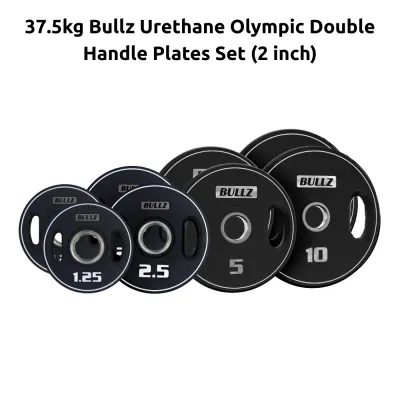
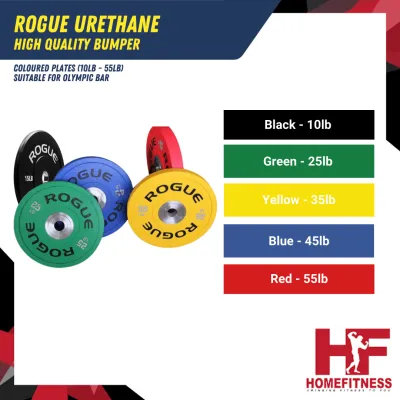
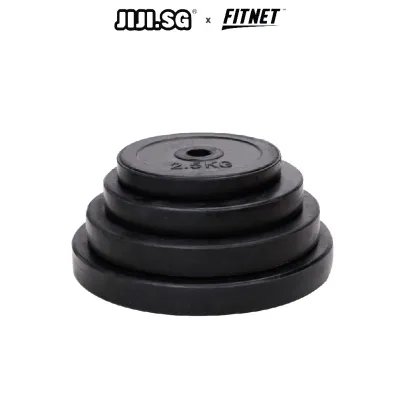
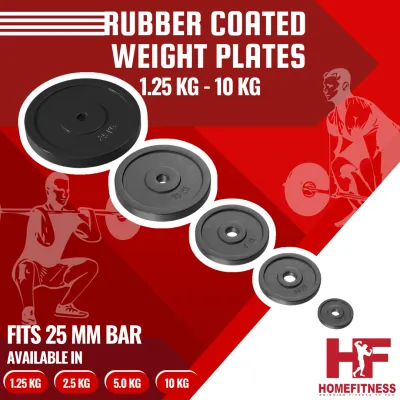
![🇸🇬 [READY STOCK] Fractional Weight Plates For Olympic Barbell Dumbbell Bar Fractional Weight Plate 0.5kg 1kg 1.5kg 2kg 2.5kg](https://img.lazcdn.com/g/p/2d05b8e2f3c4341113a4e0e148c680c9.jpg_400x400q80.jpg_.webp)
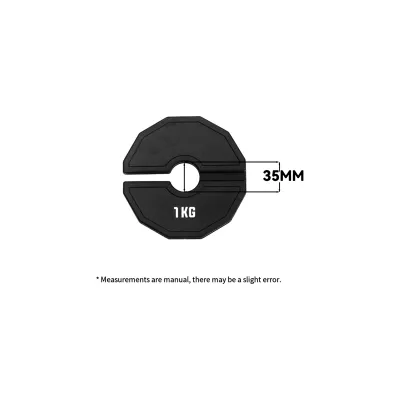
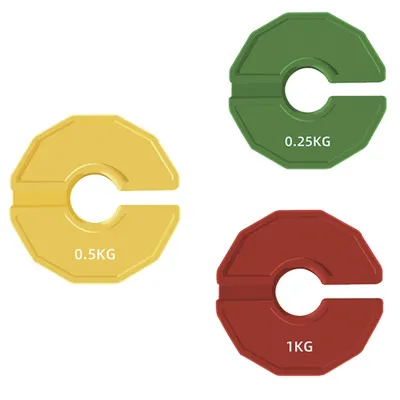
Prices are valid at publication and may change. Please refer to the product page for the latest price.
Olympic plates are engineered with a standardized 50mm center hole. This large opening fits the rotating sleeves of Olympic barbells. These sleeves contain internal bearings or bushings, allowing the weights to spin freely. This rotation reduces torque on your wrists and joints during dynamic movements like cleans or snatches.
Standard plates feature a center hole ranging from 25mm to 30mm. They are designed for standard barbells, which are solid, single-piece steel bars without rotating sleeves. The plates slide directly onto the thin ends of the shaft and are secured with spinlock collars or spring clips.
The terms ‘Olympic’ and ‘Standard’ refer strictly to these hole and sleeve dimensions. They do not dictate the plate’s material, shape, or weight increments. Both styles are available in cast iron, rubber-coated, or urethane options, and in various weight increments.
Attempting to mix these standards is highly problematic. A standard plate simply will not slide onto a thick Olympic barbell. Conversely, putting an Olympic plate onto a thin standard bar leaves a massive gap. The plate will wobble, slide, and tilt, shifting your center of gravity and risking serious injury or floor damage.
How to Measure Your Existing Barbell
If you bought your equipment secondhand or cannot find the original product specifications, you must measure your barbell before ordering new plates. Taking incorrect measurements can lead to costly return shipping and delayed training.

To find the correct size, measure the diameter of the barbell sleeve—the thick outer end where plates are loaded. Do not measure the thinner shaft where you grip the bar, as this area is always narrower and will skew your results.
For the most accurate measurement, use a digital caliper. Clamp the jaws around the widest part of the sleeve to read the exact millimeter measurement. If you do not have a caliper, wrap a strip of paper around the sleeve, mark the overlap to find the circumference, and divide that number by 3.14 to calculate the diameter.
You can also use quick visual cues. An Olympic sleeve is roughly the width of two adult fingers held together, while a standard sleeve is about the width of a single finger. Additionally, if your barbell ends have threaded ridges for star-shaped spinlock collars, you are dealing with a standard bar.
Always check the manufacturer’s label, manual, or original purchase listing before buying new plates. Verifying the official specifications is the safest way to guarantee a perfect fit.
Choosing the Right Weight Plate: Olympic vs Standard
Your choice between Olympic and standard weight plates should align with your existing barbell, your space, and your long-term training goals.
If you own or plan to buy an Olympic barbell, you must purchase Olympic plates. This setup is the global standard for commercial gyms and competitive lifting. Olympic bars support heavy loads—often rated from 300 kg to over 700 kg—and are essential for dynamic movements like cleans, snatches, and heavy squats. Olympic plates also offer specialized options like rubber bumper plates, which are perfect for protecting floors and dampening noise in residential spaces like HDB flats or condominiums.
If you own a standard barbell, you must buy standard plates. These are highly popular for beginner home setups, compact rooms, and budget-conscious lifters. While standard equipment is affordable and space-saving, it has lower weight capacities (typically capped around 100 kg to 150 kg) and lacks rotating sleeves. They are excellent for slow, controlled exercises like bicep curls or light bench presses, but they should never be dropped.
Ultimately, your existing barbell dictates your plate choice. Buying plates based on price or aesthetics without checking hole compatibility is a wasted investment. While plate materials like cast iron or rubber affect noise and durability, they do not change the fundamental 50mm vs. 25-30mm compatibility rule.
Can You Use Adapters to Mix and Match?
When lifters find themselves with mismatched equipment, they often turn to barbell sleeve adapters. These are hollow plastic or metal sleeves designed to slide over a standard 25mm bar, increasing its outer diameter to 50mm so it can accept Olympic weight plates.
While adapters offer a quick workaround, they introduce distinct safety risks and structural limitations. First, an adapter does not increase the weight capacity of your underlying standard barbell. Standard bars are thinner and made of lower-grade steel; overloading them can cause the bar to bend or snap.
Second, adapters can compromise balance and safety. If the adapter is not perfectly secured to the bar, or if you do not use proper collars, the plates can slide and wobble mid-lift.
For these reasons, never use sleeve adapters for heavy lifting, dynamic movements, or any exercise where the barbell might be dropped. They are acceptable only for light, controlled, static lifts. For a safe and reliable workout, matching your plates directly to your barbell’s native sleeve size is always the best approach. Always check the maximum load ratings of your barbell, rack, and adapters, and consult the manufacturer’s safety instructions before attempting to load modified equipment.
Frequently Asked Questions (FAQ)
Do Olympic and standard plates weigh the same?
Yes, a 10kg Olympic plate weighs exactly the same as a 10kg standard plate. The weight itself is independent of the hole size. However, because Olympic barbells are built to support much heavier loads, Olympic plates are manufactured in much larger maximum increments, up to 25kg or more. Standard plates rarely exceed 20kg because standard bars cannot safely support massive cumulative weights.
Can I use standard plates on a squat rack designed for Olympic bars?
Power rack compatibility depends on the width and shaft diameter of your barbell, not the plates. The barbell shaft must rest securely on the rack’s J-hooks. If you use a standard barbell, you must ensure the rack’s J-hooks can safely support a thinner shaft and that the rack’s width matches your bar’s grip section. Always verify the rack manufacturer’s specifications for minimum bar shaft length and maximum weight limits.
Are bumper plates only available in Olympic sizes?
Almost all modern bumper plates are manufactured exclusively with 50mm Olympic center holes. The high-impact forces of dropping weights require the thick, rotating sleeve of an Olympic barbell and a steel inner ring. Standard 25mm bars and plates are not designed to withstand being dropped, and attempting to do so will damage your equipment and your floor.
Community discussion
Share your experience or ask a question. Comments are reviewed before publication.