
The choice between an overgrip and a replacement grip depends on whether you need to replace a worn-out foundational layer or simply refresh the surface feel and sweat absorption of your racket. A replacement grip is a thick, cushioned layer applied directly to the bare wooden handle, designed to restore the racket’s original grip size and shock absorption. An overgrip is a much thinner, highly cost-effective wrap applied on top of an existing base grip, allowing players to frequently renew tackiness, manage sweat, and fine-tune handle thickness without stripping the racket down to the wood.
By understanding how these two grip types interact with your racket handle, you can optimize your hold, protect your joints from impact vibrations, and maintain precise control over your shots. Choosing the right combination ensures your racket feels like an extension of your hand during intense rallies.
Core Functional Differences Between Overgrips and Replacement Grips
Replacement grips are thick, structural layers that typically measure between 1.5mm and 2.0mm in thickness. They feature a full adhesive backing and are designed to wrap directly around the bare wooden handle of the racket. Their primary role is to provide foundational cushioning, dampening the harsh vibrations that travel up the shaft during high-impact shots like smashes and clears.
Products mentioned in this guide
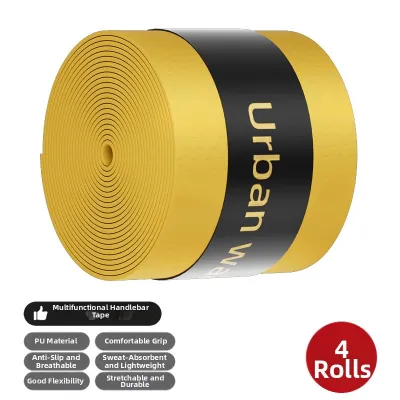
![[SG Ready Stock] Yonex Premium Badminton Pickleball Tennis Racket Grip Tape sweat & shock absorption grip wrap anti-slip Sports](https://img.lazcdn.com/g/p/adf16b151b395cfca056e21fcdb0af0e.png_400x400q80.png_.webp)
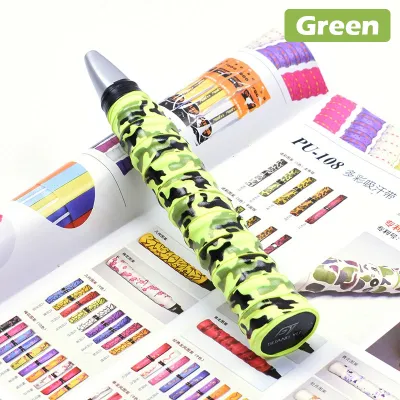
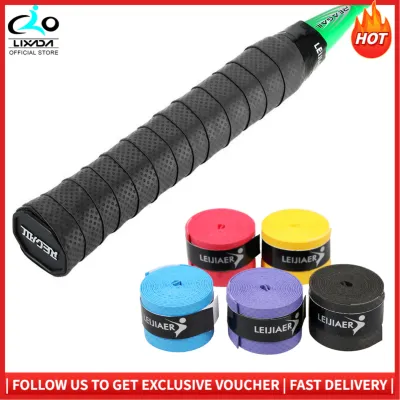
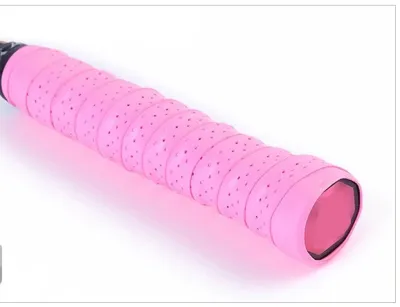
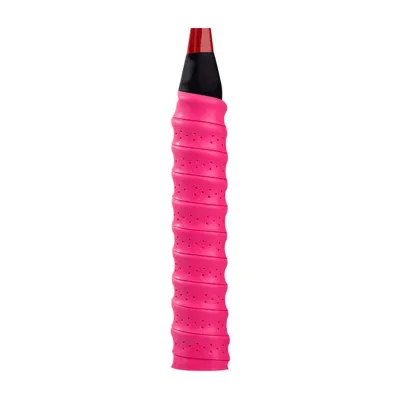
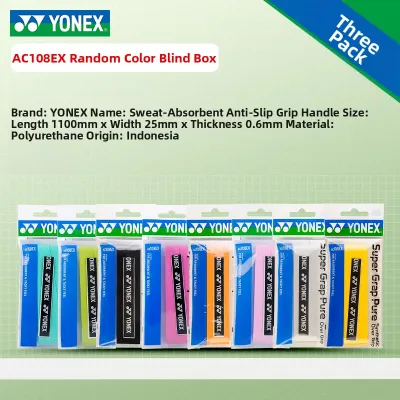
Prices are valid at publication and may change. Please refer to the product page for the latest price.
Overgrips, by contrast, are much thinner, usually ranging from 0.4mm to 0.7mm. They generally do not have a full adhesive backing, relying instead on wrapping tension and a small adhesive strip at the starting end to stay secure. Because they are thin, they are wrapped over an existing replacement grip or factory-installed base grip to modify the surface texture without significantly altering the racket’s balance.
The surface textures of these two grip types also serve different tactile preferences. Overgrips are highly specialized, offering distinct finishes such as polyurethane wet-tackiness for a sticky feel, or dry, absorbent, towel-like textures for players who sweat heavily. Replacement grips also come in various textures, but their primary focus is long-term durability and structural integrity rather than rapid surface renewal.
Feature Comparison: Overgrip vs Replacement Grip
To help you decide which grip type fits your immediate needs, the table below summarizes the key physical properties and maintenance expectations for each option.

| Feature | Overgrip | Replacement Grip |
|---|---|---|
| Installation Position | Wrapped over an existing base grip | Wrapped directly onto the bare wooden handle |
| Average Thickness | 0.4mm to 0.7mm | 1.5mm to 2.0mm |
| Primary Function | Surface tackiness, sweat absorption, minor sizing | Shock absorption, foundational cushioning, base sizing |
| Adhesive Backing | Only a small strip at the starting end | Full-length adhesive backing |
| Durability & Lifespan | Low (requires frequent replacement) | High (lasts several months to a year) |
| Impact on Bevels | Preserves or slightly rounds handle bevels | Maintains distinct handle bevels when installed tightly |
Combining both layers affects the overall handle thickness, weight distribution, and bevel feel. Adding multiple overgrips can round out the handle’s bevels, making it harder to feel the orientation of the racket face. It also shifts the balance point slightly toward the handle, which can make the racket head feel marginally lighter during quick defensive exchanges.
When to Choose an Overgrip for Your Racket
Overgrips are the ideal choice for players who prioritize a consistent, high-tack surface and play frequently. In warm climates or intense matches, sweat quickly saturates grip materials, causing the racket to slip during high-speed swings. Because overgrips are inexpensive and quick to install, players can swap them out every few sessions to maintain optimal control.
Using an overgrip is also an excellent strategy for preserving the original factory grip. Removing a factory grip can sometimes leave adhesive residue on the wooden handle or affect the racket’s original specifications. By wrapping a thin overgrip over the factory layer from day one, you protect the underlying material from sweat, dirt, and friction, keeping the foundation intact.
Furthermore, overgrips allow for precise, incremental adjustments to the handle size. If your racket’s grip feels slightly too small, adding a single layer of overgrip can increase the circumference just enough to improve comfort without completely masking the wooden bevels. This allows players to customize their hold to match their hand anatomy perfectly.
When to Install a Replacement Grip
A replacement grip becomes necessary when the foundational layer of your racket handle has degraded. Over time, the original factory grip or previous replacement grip loses its elasticity, compresses permanently, or begins to crumble due to age and sweat exposure. When this happens, wrapping an overgrip on top will not restore the lost cushioning, and you will feel harsh vibrations directly in your hand.
Players who suffer from joint fatigue, tennis elbow, or wrist strain often benefit from a fresh replacement grip. The thicker polyurethane or rubberized material in a replacement grip provides the essential shock absorption needed to cushion the impact of off-center hits. It restores the soft, supportive feel that a thin overgrip simply cannot replicate on its own.
Additionally, if you have previously stripped your racket down to the bare wood to inspect it or apply specialized base tape, you must install a replacement grip first to rebuild the handle’s standard dimensions. This ensures that the racket’s handle bevels remain distinct and comfortable, providing the structural feedback necessary for quick grip transitions between forehand and backhand shots.
Maintenance and Replacement Triggers
Maintaining your badminton handle grip is crucial for both performance and hygiene. In highly humid environments, such as Singapore, grips trap moisture rapidly. This constant dampness creates a breeding ground for bacteria and mold, leading to persistent odors and a slick, unsafe playing surface. If your grip smells musty or shows dark discolorations, it should be replaced immediately.
Visual and tactile cues are clear indicators that a grip has reached the end of its lifespan. Look for peeling edges, bald spots where the top polyurethane coating has worn away, or deep indentations from your fingers that no longer spring back. Tactilely, if the grip feels slick, dry, or hard rather than soft and tacky, it will force you to squeeze the handle tighter, leading to forearm fatigue and reduced swing speed.
Whenever you remove a replacement grip, take a moment to inspect the bare wooden handle underneath. Sweat can seep through worn grips and saturate the wood, leading to rot, softening, or splintering. Ensure the wood is completely dry and structurally sound before applying a new replacement grip. If the wood is damp, let it air dry in a well-ventilated space to prevent long-term structural failure of the racket handle.
Frequently Asked Questions (FAQ)
Can I apply an overgrip directly onto the bare wooden handle?
No, applying an overgrip directly onto a bare wooden handle is not recommended. Overgrips are too thin to provide adequate shock absorption, which can lead to increased joint strain and blisters during play. Furthermore, without the protective barrier of a thicker replacement grip, sweat will easily penetrate the thin overgrip and soak directly into the wooden handle. Over time, this moisture absorption causes the wood to rot, soften, or splinter, permanently damaging the racket’s structural integrity. If you prefer a very thin handle, use a specialized thin replacement grip or wrap the wood in waterproof base tape before applying an overgrip.
How do I know if my current grip is too thick or too thin?
You can evaluate your grip size using the finger gap test. Hold the racket handle with your normal forehand grip; there should be a small gap—roughly the width of your index finger—between your fingertips and the palm of your hand. If your fingertips press firmly into your palm, the grip is too thin, which can cause hand cramps and limit power transfer. If your fingers cannot wrap comfortably around the handle or the gap is excessively wide, the grip is too thick, reducing your wrist flexibility and control. You can easily adjust this by adding or removing overgrip layers until you achieve a comfortable, secure hold.
Community discussion
Share your experience or ask a question. Comments are reviewed before publication.