
When investing in a high-quality insulated water bottle, protecting its base from scratches, dents, and loud clanking noises is a top priority. The Owala 30oz boot is a popular protective accessory designed to slip onto the bottom of your bottle, but ensuring a proper fit requires understanding its physical specifications. Before making a purchase, you must verify how the boot’s dimensions, material flexibility, and shape align with your specific bottle model.
By checking the material properties and measuring your bottle’s base diameter, you can avoid the hassle of returning a mismatched accessory. This guide outlines how to interpret the technical specifications of the 30oz boot and verify compatibility with your favorite hydration gear.
Understanding the Core Specs of the Owala 30oz Boot
To understand how the Owala 30oz boot performs, start by examining its material composition. Most official protective boots are manufactured from high-grade silicone, a material chosen for its unique balance of flexibility and durability. When browsing product listings or examining the packaging, look for labels indicating food-grade or BPA-free silicone, which ensures the accessory is safe for daily handling and resilient against wear.
Products mentioned in this guide
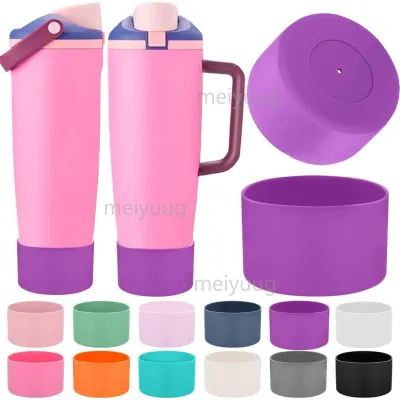
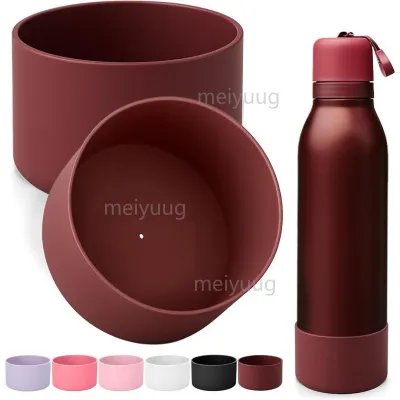
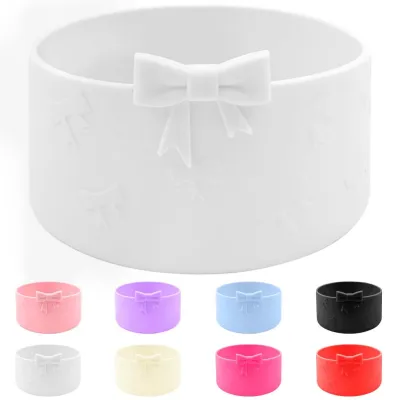
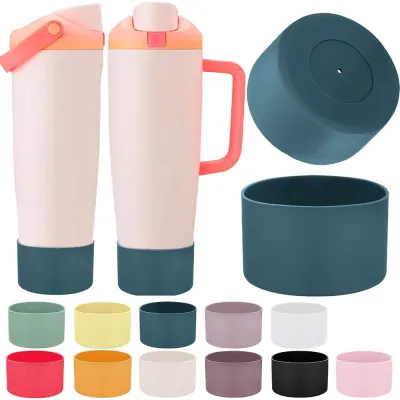
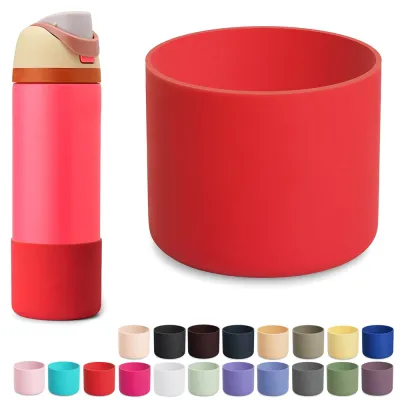
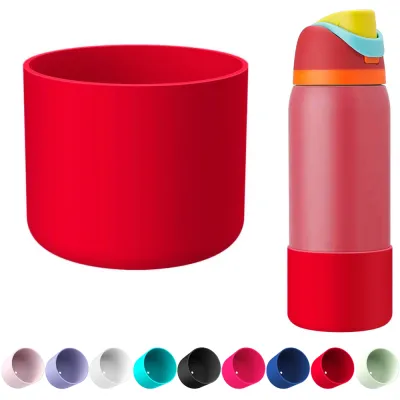
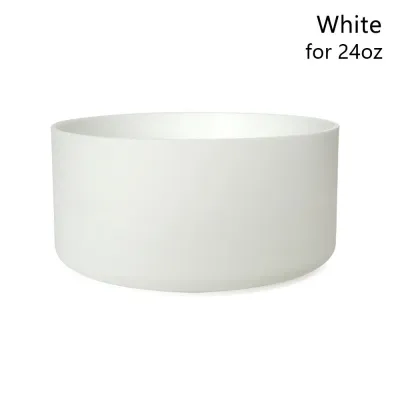
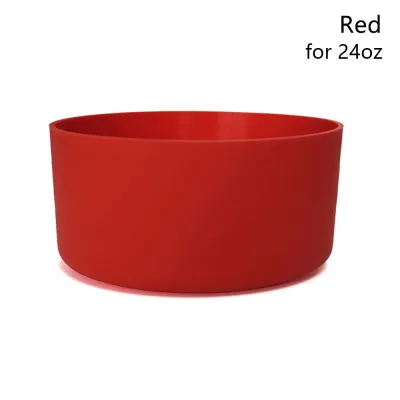
Prices are valid at publication and may change. Please refer to the product page for the latest price.
Silicone’s natural elasticity is what allows the boot to stretch slightly over the base of a bottle while maintaining enough tension to stay securely in place. A quality boot should feel pliable but firm, resisting permanent stretching or tearing when pulled. If the material feels overly rigid or brittle, it may crack over time, especially when exposed to temperature fluctuations during outdoor use.
Next, pay close attention to the physical dimensions, specifically the inner diameter and the wall height of the boot. The inner diameter must closely match the outer diameter of your bottle’s base to prevent the boot from slipping off during transit. The wall height determines how far up the bottle the boot will sit, which affects both the aesthetic profile and the level of side-impact protection.
A well-designed boot will often feature a small air-release hole at the bottom. This tiny design detail is crucial because it allows air to escape during installation, preventing a vacuum from forming that would make the boot difficult to slide on or remove. It also helps prevent moisture from getting trapped between the silicone and the bottle’s powder coat.
Checking Bottle Compatibility: Will It Fit the 30oz?
Confirming compatibility is not always as simple as matching the ounce capacity on the label. While the boot is primarily designed for the standard Owala FreeSip 30oz bottle, different product lines—such as the Flip series, tumblers, or special collaborative editions—may feature varying base shapes and dimensions. Always begin by consulting the manufacturer’s official compatibility chart, which lists compatible models and sizes.

To perform a manual compatibility check, you can measure your bottle’s base using a standard ruler or measuring tape. Place the bottle flat on a piece of paper, trace the bottom circle, and measure the widest point across the center to find the exact outer diameter. Compare this measurement to the inner diameter specifications listed on the boot’s packaging or product description.
If your bottle has a tapered base or a non-circular shape, a standard round boot will not seat properly. The boot requires a flat, uniform surface to grip the bottle securely. If the base of your bottle curves inward too sharply, the boot may slide off or collect dirt and debris in the resulting gaps.
If you are attempting to use the boot on a third-party bottle brand, proceed with caution. Even if the volume capacity is identical, different manufacturers use distinct manufacturing tolerances and base geometries. If the boot feels extremely tight or requires excessive force to stretch over the base, stop immediately. Forcing a mismatched boot can tear the silicone or trap moisture underneath, which can eventually damage the bottle’s exterior finish. When in doubt, contact the manufacturer’s customer support to verify compatibility before forcing the fit.
How Boot Specs Affect Your Daily Use and Maintenance
The technical specifications of a silicone boot directly influence how your water bottle performs in daily sports and outdoor environments. A high-quality silicone material provides excellent surface grip, preventing your bottle from sliding around on smooth surfaces like gym floors, plastic folding tables, or car dashboards. Additionally, the shock-absorbing nature of the material dampens the metallic clanking sound when setting the bottle down, which is highly appreciated in quiet environments like libraries, offices, or yoga studios.
Maintenance is another area where material specifications dictate your routine. Before cleaning, check the manufacturer’s care label to determine if the boot is dishwasher-safe or requires hand washing. While high-grade silicone can typically withstand the heat of a standard dishwasher cycle, hand washing with warm, soapy water is often recommended to prevent debris from building up inside the boot.
Regularly removing the boot to dry both the bottle and the accessory prevents moisture accumulation, which can lead to mildew or odors. This is especially important if you frequently use your bottle outdoors or in humid environments.
It is also helpful to know which minor specification variations do not impact performance. For instance, slight differences in color shade or minor cosmetic textures on the exterior of the boot do not alter its protective capabilities. Focus on the structural integrity, thickness, and snugness of the fit rather than minor aesthetic details to ensure your bottle remains well-protected.
Frequently Asked Questions (FAQ)
Can I use the 30oz boot on a 24oz or 40oz Owala bottle?
Generally, water bottles of different volumes have different base diameters to accommodate the varying liquid capacities. A boot designed specifically for a 30oz bottle will typically be too loose for a 24oz bottle, causing it to slide off, and too small for a 40oz bottle, leading to tearing if you attempt to stretch it. To be certain, measure the base diameter of your specific bottle and compare it to the boot’s inner diameter specs before attempting to swap sizes.
Does the boot protect the bottle from denting if dropped?
While a silicone boot offers excellent protection against surface scratches, scuffs, and minor bumps, its shock-absorption capabilities are limited by its thickness. If a fully filled, heavy stainless steel bottle is dropped from a significant height onto a hard surface like concrete, the force of the impact may still dent the metal beneath the boot. The boot acts as a sacrificial barrier for everyday wear and tear, but it cannot completely prevent structural damage from severe drops.
Community discussion
Share your experience or ask a question. Comments are reviewed before publication.