
Finding the right protective sleeve for your hydration gear requires looking past the volume label. While it is tempting to buy an Owala bottle boot based solely on whether your bottle is 24 ounces or 32 ounces, doing so often leads to a loose, slipping cover or a boot that simply will not stretch over the base. To ensure a secure fit, you must match the boot to the specific model line and physical base diameter of your bottle.
Why Capacity (oz) Alone Doesn't Guarantee a Perfect Fit
To understand why fluid ounces do not dictate accessory sizing, it helps to look at how water bottles are engineered. A bottle’s capacity refers to the internal volume of liquid it can hold, which can be achieved through various heights, widths, and shapes. For example, a tall, slender bottle and a short, wide bottle can both hold exactly the same volume of water, yet their bottom footprints are entirely different.
Owala offers several distinct product lines, including the FreeSip, the Flip, and various tumbler styles. Each of these collections is designed with a unique silhouette to cater to different activities, from gym workouts to daily commuting. Consequently, a boot designed for a standard 24-ounce FreeSip will not fit a 24-ounce tumbler, as the tumbler often features a tapered base meant to fit into vehicle cup holders.
Products mentioned in this guide
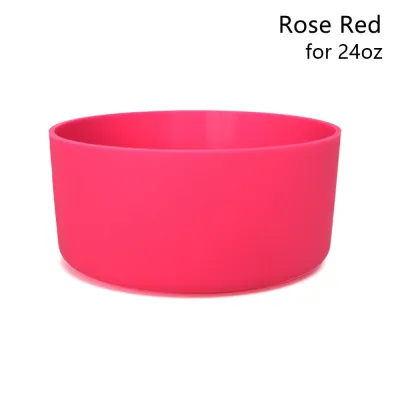
![[SG 🚚] Silicone boots for Owala 24oz 32oz 40oz BPA free owala cup accessories](https://img.lazcdn.com/g/p/7b1ab3c442fe4d64200f6fa73b080fdf.jpg_400x400q80.jpg_.webp)
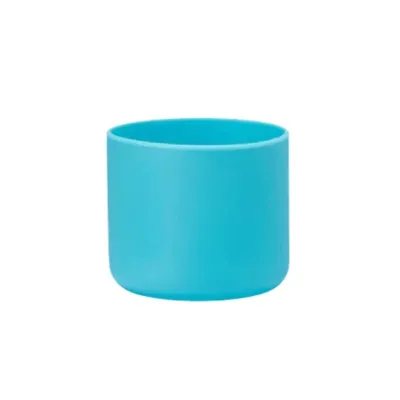
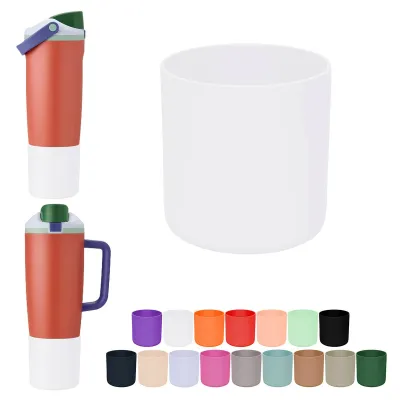
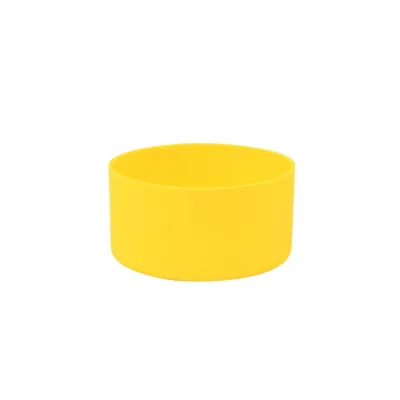
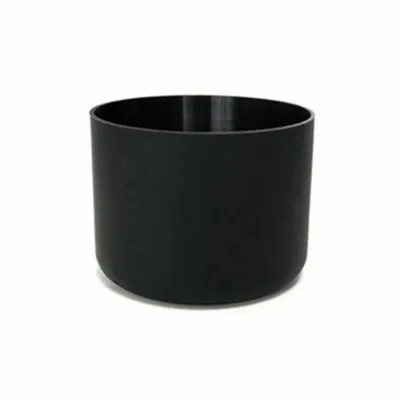
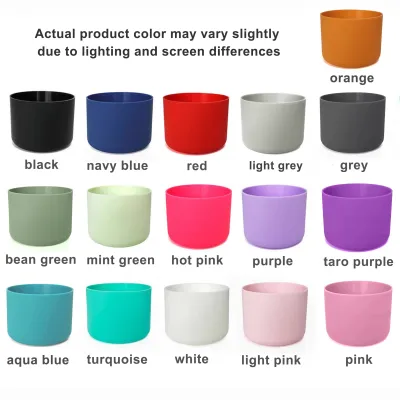
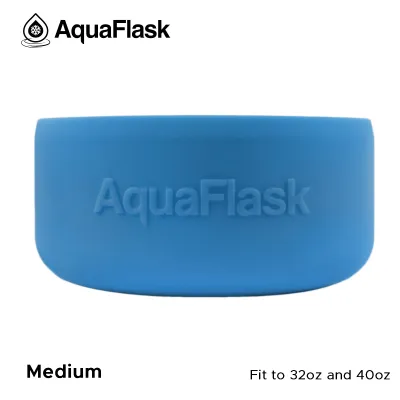
Prices are valid at publication and may change. Please refer to the product page for the latest price.
Furthermore, the materials used in both the bottle and the boot play a significant role in compatibility. Stainless steel bottles have rigid, unyielding walls, whereas the silicone used in official boots has a specific limit to its elasticity. If a boot is designed for a narrower base, forcing it onto a wider model stretches the silicone to its absolute limit, reducing its wall thickness and leaving it vulnerable to tearing during daily use.
How to Verify Official Compatibility Before You Buy
Before purchasing an accessory to protect your investment, the most reliable step is to consult the official compatibility guidelines provided by the manufacturer. Official product listings and packaging usually state exactly which models and capacities the boot is engineered to fit. For instance, a product description might explicitly list compatibility with the 24-ounce FreeSip or the 32-ounce twist-cap models.

When browsing online marketplaces or local sports retailers, always cross-reference the exact model name of your bottle. Do not rely on generic titles like “universal bottle sleeve” without checking the fine print. If you own a limited-edition release or a newer model line, the physical dimensions may have changed slightly from older iterations, making a quick check of the product specifications essential.
If the product description remains ambiguous or if you are unsure which specific Owala model you own, reaching out to customer support is a highly effective safeguard. Providing them with a photo of your bottle or the model number found on the packaging can save you the hassle of processing returns and waiting for a replacement. This simple verification step ensures your S$ is spent on an accessory that works perfectly from day one.
Measuring Your Bottle for a Custom or Third-Party Boot
If you are considering a third-party boot or if you own a bottle model that is not explicitly listed on the accessory packaging, taking manual measurements is the most accurate way to ensure a proper fit. To do this, you will need a standard ruler, a soft measuring tape, or a pair of calipers for the most precise reading.
Begin by placing your bottle flat on a level surface and measuring the widest part of the base from one edge to the other. This gives you the outer base diameter. Next, measure the height of the straight, vertical section at the bottom of the bottle before the body begins to curve or taper inward. A compatible boot must not only match the diameter but also have a wall height that does not interfere with the bottle’s grip design or logos.
When comparing your physical measurements to a boot’s specifications, keep the material’s natural stretch in mind. High-quality silicone boots are designed to fit snugly, meaning the boot’s inner diameter is often one to two millimeters smaller than the bottle’s outer diameter. This slight difference creates a secure friction fit that prevents the boot from sliding off when you lift the bottle.
However, you should never attempt to force a boot onto a bottle base that is significantly wider than the recommended range. Forcing the material causes excessive tension, which can lead to immediate splitting or make the boot nearly impossible to slide off when you need to wash your gear. A properly sized boot should slide on with moderate resistance and sit completely flat against the bottom.
Common Sizing Mistakes to Avoid
One of the most frequent errors buyers make is assuming that all bottles within a specific brand share a uniform base size. It is easy to assume that a 24-ounce bottle from one collection will use the exact same boot as a 24-ounce bottle from another. In reality, product lines are optimized for different uses, resulting in varied base shapes and widths across the same capacity.
Another common oversight is ignoring the subtle contours and tapers of specialized bottle designs. Some models feature a recessed base or a distinct taper designed to slide easily into side pockets or cup holders. A standard cylindrical boot will not sit flush against a tapered base, creating air pockets that reduce stability and make the bottle prone to tipping over.
Additionally, buyers often overlook the difference between standard-mouth and wide-mouth bottle configurations. Wide-mouth models naturally require a broader base to maintain physical stability when filled with liquid. Attempting to use a standard-size boot on a wide-mouth model will result in an incompatible fit, highlighting the importance of verifying the exact bottle series rather than just the brand name.
Care and Maintenance for a Secure Fit Over Time
To keep your bottle boot performing effectively, proper care and maintenance are essential. Over time, exposure to dirt, sweat, and environmental heat can degrade silicone, causing it to lose its elasticity and grip. Washing the boot regularly with mild dish soap and warm water removes accumulated oils and grime that can cause the sleeve to slip.
Moisture management is particularly critical, especially in warm, humid climates. When you wash your bottle, water can easily become trapped in the tiny space between the silicone boot and the metal base. If left undried, this trapped moisture creates an ideal breeding ground for mold, mildew, and unpleasant odors, which can eventually damage the bottle’s exterior finish. Always remove the boot, wash both components separately, and allow them to air dry completely before putting them back together.
Finally, make it a habit to inspect the boot periodically for signs of wear and tear. Look closely for micro-tears around the top rim, thinning at the bottom edges, or a general loss of tension. If the boot begins to slide off with very little effort, or if you notice visible cracking in the material, it is time to replace the accessory to ensure your bottle remains fully protected during outdoor activities.
Frequently Asked Questions (FAQ)
Can I use a silicone boot meant for another brand on my Owala bottle?
Cross-brand compatibility is entirely dependent on physical dimensions rather than brand labels. If a third-party silicone boot matches the exact outer base diameter and lower wall height of your Owala bottle, it can function as a suitable alternative. However, even a minor discrepancy of a few millimeters can result in a boot that is either too loose to stay on or too tight to install safely.
Does the bottle boot add significant height to the bottle?
A standard silicone boot typically adds only a few millimeters of thickness to the bottom and sides of your bottle. While this minor increase rarely affects portability, it can occasionally make a tight fit in car cup holders or snug backpack side pockets even tighter. It is always wise to measure your storage compartments with the boot installed to ensure you still have adequate clearance.
Will the boot protect the bottle from denting if dropped?
Silicone boots are primarily designed to prevent surface scratches, scuffs, and paint chipping, while also dampening the noise when placing the bottle on hard surfaces. While they offer minor shock absorption for light bumps, they cannot guarantee absolute protection against severe drops. A heavy, fully filled stainless steel bottle dropped from a significant height onto concrete may still suffer dents, even with a boot attached.
Community discussion
Share your experience or ask a question. Comments are reviewed before publication.