
In the tropical climate of Singapore, where high humidity and temperatures regularly hover around 31°C to 33°C, keeping hydrated with an ice-cold drink is more than a preference—it is a daily necessity. Whether you are navigating the morning commute through the Central Business District, embarking on a weekend run along East Coast Park, or powering through an intense session at a local fitness studio, your choice of sports water bottle plays a critical role in your daily comfort. With numerous premium insulated bottles available on the market, finding the one that delivers the ultimate cold retention requires looking past marketing claims.
Three brands have captured the attention of active individuals in Singapore: Owala, Hydro Flask, and Montigo. The Owala FreeSip Sway has quickly risen in popularity due to its innovative drinking spout, while Hydro Flask remains a globally recognized heavyweight in outdoor gear, and Montigo offers a sleek, highly customizable regional alternative. To determine which of these sports water bottles will keep your drinks cold the longest, it is essential to understand that thermal performance is not just about the stainless steel body. Instead, the rate of temperature loss is dictated by a combination of lid design, seal integrity, and how you manage your bottle in real-world conditions.
Quick Answer: Does the Owala FreeSip Sway Keep Drinks Cold Longest?
When comparing the thermal retention of the Owala FreeSip Sway, Hydro Flask, and Montigo, the baseline insulation performance of the bottle bodies is remarkably similar. All three brands utilize double-wall vacuum insulation technology, which creates a highly effective thermal barrier that prevents ambient heat from warming your beverage. When comparing identical capacities under identical conditions, the temperature of the liquid inside the stainless steel portion of these bottles will remain virtually identical for hours.
Products mentioned in this guide
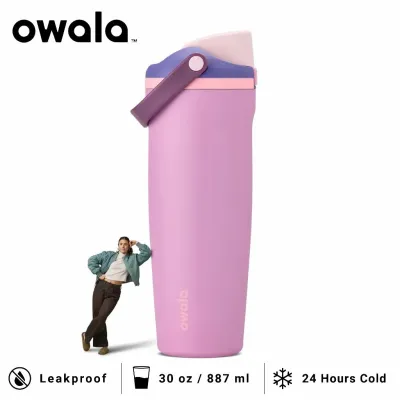
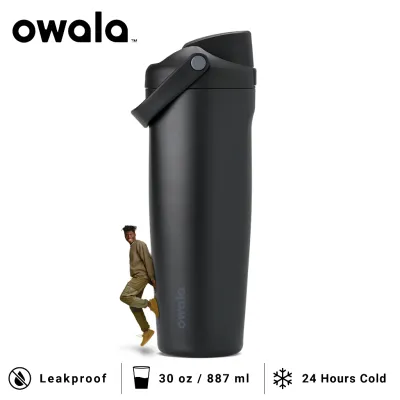
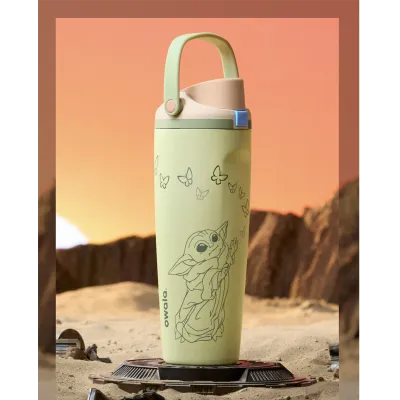
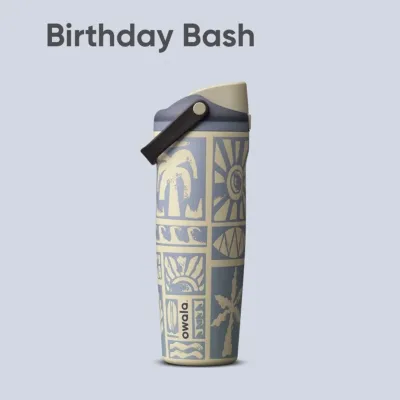
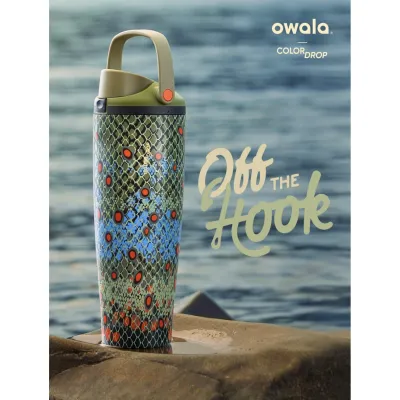
![SG [In Stock] Owala FreeSip Sway Stainless Steel Water Bottle with Straw BPA-Free for Exercise 30OZ](https://img.lazcdn.com/g/p/636297003e26a8ad4d69a339944d7f0c.png_400x400q80.png_.webp)
Prices are valid at publication and may change. Please refer to the product page for the latest price.
The true differentiator in how long your drink stays ice-cold is the design of the lid. Solid, insulated screw-on lids—such as the standard Hydro Flask Flex Cap or the Montigo classic lid—provide superior thermal retention compared to lids with built-in straws or complex opening mechanisms. Because these solid caps contain thick insulation and lack open pathways, they minimize the amount of heat that can enter through the top of the bottle.
Therefore, if your absolute priority is maximum ice retention for extended outdoor adventures or long days in the sun, a solid screw-cap model from Hydro Flask or Montigo will generally edge out the competition. However, the Owala FreeSip Sway offers a specialized dual-purpose lid that balances excellent thermal performance with unmatched drinking convenience. For daily commuting, gym workouts, and office use, the minor difference in extreme ice retention is a highly acceptable trade-off for the ability to sip quickly and easily without tilting your head.
Insulation Build and Capacity: The Baseline for Cold Retention
To understand how these bottles keep your drinks cold, it is helpful to look at the physics of double-wall vacuum insulation. This standard technology is utilized by Owala, Hydro Flask, and Montigo alike. A vacuum-insulated bottle consists of two stainless steel walls with a pocket of empty space between them. During manufacturing, the air is completely vacuumed out of this middle chamber. Because heat requires a medium (like air molecules) to travel via conduction or convection, the vacuum layer acts as an incredibly efficient barrier, preventing the hot outside air from transferring its energy to the cold liquid inside.

The materials used in these bottles also play a role in their overall durability and thermal mass. High-quality sports water bottles are typically constructed from 18/8 food-grade stainless steel, which is composed of 18% chromium and 8% nickel. This specific alloy is highly resistant to rust, does not retain flavors from previous drinks, and is robust enough to withstand daily drops. While the thermal mass of the steel itself absorbs a small amount of heat when first filled, the vacuum barrier ensures that ambient heat cannot continuously penetrate the bottle. Readers should always check specific product labels or manufacturer specifications for exact material grades and construction details, as these can vary across different product lines and production runs.
Another critical factor in cold retention is the physical size of the bottle. Thermodynamics dictates that a larger volume of cold liquid holds its temperature significantly longer than a smaller volume. This is because larger bottles have a lower surface-area-to-volume ratio, meaning there is less surface area exposed to the outside environment relative to the total mass of the cold water inside. For example, a 32 oz (approximately 946 ml) bottle will naturally keep ice frozen longer than a 24 oz (approximately 710 ml) bottle under identical external conditions. When evaluating the insulation capabilities of the Owala FreeSip Sway against Hydro Flask and Montigo, it is vital to compare bottles of the same capacity to ensure a fair and accurate assessment.
Lid Design and Seals: Where Heat Actually Escapes
While the double-wall stainless steel body of your bottle is highly efficient at blocking heat, the lid is the primary point of thermal exchange. Lids are typically constructed from plastic and silicone, which do not insulate as effectively as a vacuum-sealed steel wall. Furthermore, every opening, button, or straw pathway in a lid represents a potential micro-gap where warm air can enter and cold air can escape.
The Owala FreeSip Sway features a highly sophisticated lid design that is the hallmark of the brand. The patented FreeSip spout offers two ways to drink: you can sip upright through the built-in straw or tilt the bottle back to swig through the wider spout opening. This lid is secured by a spring-loaded, push-button cap that snaps shut and is locked in place by a metal loop. Inside the cap, custom-molded silicone gaskets seal both the straw and the swig opening simultaneously. While this design is incredibly convenient for quick, one-handed hydration, the complex multi-part construction and the internal straw pathway introduce more surface area and potential pathways for minor heat transfer compared to a solid piece of insulated plastic.
In contrast, Hydro Flask’s classic Flex Cap is a model of thermal simplicity. It is a solid, screw-on lid that features Honeycomb Insulation, a proprietary internal structure designed to mimic a beehive to trap air and block heat. Because this lid has no openings, buttons, or straws, it provides an exceptionally tight seal and a thick barrier against the outside environment. If you choose to swap this for the Hydro Flask Flex Straw Cap, you will gain convenience but sacrifice a small degree of thermal efficiency, as the straw mechanism cannot accommodate the same level of internal insulation as the solid cap.
Montigo utilizes a highly versatile lid ecosystem, particularly with its popular Ace Bottle series. Users can switch between a classic screw-on lid and a sports lid equipped with a flip-up straw. Montigo’s classic lid provides a secure, airtight seal with a thick silicone gasket that matches the thermal performance of Hydro Flask’s standard cap. Their sports lid, like other straw-based designs, prioritizes ease of use during active workouts, which naturally introduces a slight increase in ambient heat exchange when compared to their solid lid option.
Regardless of the brand you choose, maintaining the integrity of the silicone seals is crucial for long-term cold retention. Over time, silicone gaskets can become misaligned, stretched, or dirty, allowing micro-leaks of air that drastically accelerate ice melt. Regularly removing the gaskets for a thorough cleaning and inspecting them for wear will ensure your bottle continues to perform at its peak. If a gasket is damaged, it should be replaced immediately to restore the bottle’s airtight seal.
Real-World Performance: Managing Expectations in Tropical Climates
When using an insulated bottle in Singapore, real-world performance will often differ from the idealized “24-hour cold” claims found on product packaging. These marketing claims are typically based on controlled laboratory tests conducted at moderate room temperatures. In actual daily use, several environmental and behavioral factors will determine how long your water remains ice-cold.
The ambient temperature and direct sunlight of your venue are major factors in heat transfer. If you leave your bottle on a hot concrete path next to a football pitch, or inside a parked car under the afternoon sun, the outer stainless steel shell will absorb a significant amount of heat. Although the vacuum barrier prevents this heat from easily reaching the water, the heat will eventually travel upward through the single-wall neck of the bottle where the vacuum seal terminates. Keeping your bottle in the shade or inside a bag will dramatically extend the life of your ice.
The single most important variable under your control is the ice-to-water ratio. If you fill your bottle with room-temperature tap water and add only a few ice cubes, the ice will melt rapidly as it works to lower the temperature of the water. To maximize cold retention, it is highly recommended to fill at least one-third to one-half of your bottle with ice before adding pre-chilled water. Starting with a high thermal mass of ice ensures that the liquid remains at a near-freezing temperature for the maximum possible duration.
The frequency with which you open your bottle also plays a significant role. Every time you open the lid, cold air is released and warm, humid ambient air rushes in. The Owala FreeSip Sway is particularly efficient in this regard; its push-button lid allows you to take a quick sip and snap the lid shut in seconds, minimizing the duration of air exchange. Conversely, fully unscrewing a wide-mouth Hydro Flask lid exposes the entire surface of the water to the humid air, resulting in a larger immediate thermal exchange, though the solid cap will seal tighter once it is screwed back on.
To further optimize performance, you can practice the low-risk habit of pre-chilling your bottle. Before filling it with your actual drink, rinse the interior with ice-cold water for 30 seconds, or store the empty bottle in a cool place. This simple step lowers the temperature of the inner stainless steel wall so that it does not immediately transfer its ambient warmth to your freshly poured cold water.
Final Verdict: Which Bottle Should You Choose?
Selecting the best sports water bottle between the Owala FreeSip Sway, Hydro Flask, and Montigo ultimately depends on your specific lifestyle, daily activities, and how you prioritize convenience versus absolute thermal retention.
- Choose Hydro Flask if: You require maximum thermal retention for rugged outdoor activities, long hikes, or extended beach days under the direct sun. If you prefer a highly durable, classic design and are comfortable using a solid, screw-on Flex Cap that provides an airtight, heavily insulated barrier against extreme heat, Hydro Flask remains the premier choice. It is built for demanding environments where equipment reliability and long-term temperature control are paramount.
- Choose Owala FreeSip Sway if: Your daily routine revolves around the gym, office commuting, or indoor fitness classes. If you value the convenience of one-handed operation and want the unique ability to either sip through a built-in straw or swig through a wide opening without tilting your head, this bottle is unmatched. While the complex lid design represents a very minor trade-off in extreme, multi-day ice retention, the daily usability and leakproof security of the FreeSip mechanism make it the most practical option for urban life in Singapore.
- Choose Montigo if: You want a balance of sleek, modern aesthetics, reliable double-wall insulation, and the flexibility of interchangeable lids at a highly competitive regional price point. It is an excellent lifestyle bottle that allows you to swap between a highly insulated classic cap for long days at your desk and a convenient sports lid for quick hydration during workouts.
- Verify first if: You have specific physical constraints that could affect how you carry your bottle. Before purchasing, measure the base diameter of the bottle to ensure it fits into your car's cup holders, your bicycle's bottle cage, or the side pockets of your favorite backpack. Additionally, always check the manufacturer's current care instructions regarding dishwasher safety. While some powder-coated finishes and specific lid models are rated as dishwasher-safe, others require hand washing to protect the vacuum seal and exterior finish from high-heat damage.
Frequently Asked Questions (FAQ)
Does the Owala FreeSip Sway sweat when filled with ice water?
No, a properly functioning Owala FreeSip Sway will not sweat. Condensation, or sweating, occurs when warm, humid air comes into contact with a cold surface, causing the moisture in the air to turn into liquid droplets. Because the double-wall vacuum insulation prevents the cold temperature of the inner wall from transferring to the outer stainless steel shell, the exterior of the bottle remains at ambient room temperature. If you notice condensation forming on the outside of your bottle, it is a strong indication that the vacuum seal has been compromised.
Can I put these stainless steel bottles in the freezer to make drinks colder?
You should never put a stainless steel vacuum-insulated bottle in the freezer. When water freezes, it expands with immense physical force. This expansion can easily deform the stainless steel body, crack the plastic lid, or permanently damage the delicate vacuum seal, which will void your manufacturer’s warranty. Furthermore, because the vacuum insulation is highly effective at blocking heat transfer, the cold air of your freezer will not be able to penetrate the bottle to cool the liquid inside. To enjoy a colder drink, always add ice cubes directly to the bottle instead.
How do I know if my bottle's vacuum seal is broken?
You can easily check if your bottle’s vacuum seal is broken by performing a simple, low-risk tactile test. Fill your bottle with ice-cold water and wait for about five to ten minutes. Feel the exterior stainless steel wall of the bottle; it should remain at room temperature. If the outside of the bottle feels cold to the touch, or if you notice condensation forming on the outer shell, the vacuum insulation layer has been compromised. A broken vacuum seal means the bottle will no longer retain temperatures effectively, and it will need to be replaced if you require insulated performance.
Community discussion
Share your experience or ask a question. Comments are reviewed before publication.