
The Owala FreeSip is highly suitable for workouts where you transition between different paces of exercise and want a choice in how you hydrate. Its defining feature is the dual-function spout, which allows you to either sip upright through a built-in straw or tilt the bottle back to swig through a wider opening. This versatility makes it a practical companion for gym-goers, weightlifters, and studio fitness enthusiasts who value convenience and spill prevention.
However, the bottle might not be the ideal choice for every athletic scenario. If your training involves high-intensity cycling, long-distance running, or sports where you must squeeze the bottle for a rapid, high-volume flow of water, a lightweight, non-insulated squeeze bottle is generally more practical. Understanding your specific movement patterns and hydration habits will help you determine whether this design or a more specialized alternative fits your routine.
Core Comparison Dimensions for Workout Bottles
To find the right insulated bottle for your fitness routine, you must look past marketing buzzwords and evaluate key physical characteristics.
Products mentioned in this guide
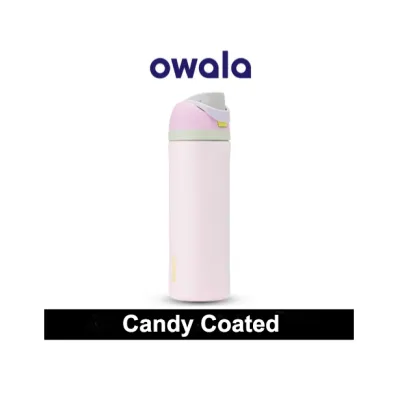
![SG🔥 [100% Authentic] Owala FreeSip Stainless-Steel Insulated Water Bottle Locking Push-Button Lid Owala Water Bottle](https://img.lazcdn.com/g/p/ea0ae51ec271e8b906dc11de8d443834.jpg_400x400q80.jpg_.webp)
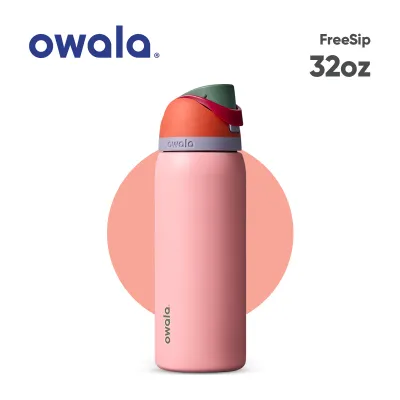
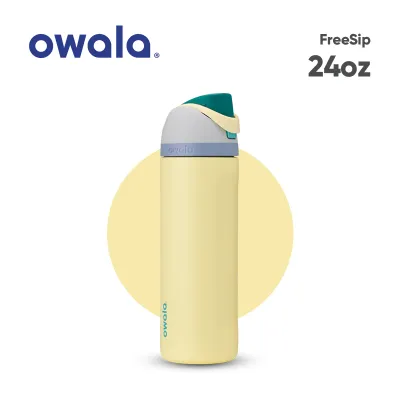
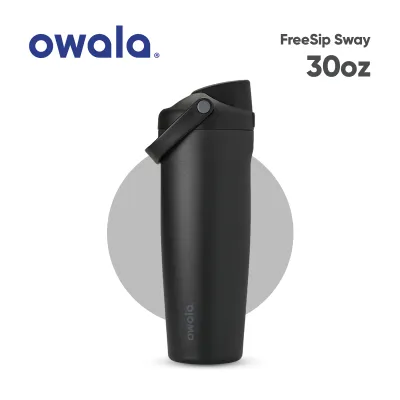
Prices are valid at publication and may change. Please refer to the product page for the latest price.
Insulation Performance: Double-wall vacuum insulation is the standard for keeping drinks cold during long training sessions. When evaluating options, verify the manufacturer’s cold-retention claims on the product packaging. A high-quality bottle should keep water cold for the duration of your workout, even when left in a warm environment. Keep in mind that insulation performance depends heavily on the integrity of the vacuum seal; any dents or structural damage to the outer wall can compromise this barrier.
Lid and Spout Mechanics: The way you drink during a workout affects your breathing and focus. Traditional straw lids allow you to sip without tilting your head, which keeps your eyes on your surroundings—a useful feature when using treadmills or stationary bikes. Wide-mouth lids offer a faster flow rate for rapid gulping during rest periods but require you to tilt your head back, which can disrupt your breathing rhythm. Dual-spout designs attempt to bridge this gap, but they also introduce more moving parts and seals that require regular inspection.
Material and Durability: Gym environments are tough on gear. Check product labels to verify if the bottle is constructed from food-grade stainless steel, such as 18/8 or 304 grade, which resists rust and does not retain flavors from sports drinks. The exterior finish also matters; a powder-coated exterior provides a textured grip when your hands are sweaty and helps protect the metal from scratches when placed on rough gym floors. Ensure any plastic components, especially the lid and straw, are labeled as BPA-free.
Portability and Gym Fit: A bottle is only useful if it is easy to carry and store. Check the base diameter of the bottle to ensure it fits into standard treadmill, spin bike, or car cup holders. A carry loop or handle is essential for transporting the bottle between workout stations, but it must be sturdy enough to support the weight of a fully filled container. Consider the dry weight of the bottle as well; stainless steel is inherently heavier than plastic, which might be a drawback if you carry your gear over long distances.
Owala FreeSip Feature Breakdown for Gym Use
The Owala FreeSip has gained popularity in fitness spaces due to several distinct design choices that directly impact how you hydrate during exercise.

The FreeSip Spout Mechanism: The core appeal of this bottle lies in its unique mouthpiece. Inside the spout, a built-in straw aligns with a smaller opening for sipping, while a larger opening sits just above it for swigging. This design allows you to choose your drinking style on the fly without swapping lids. During low-intensity sets or while walking on a treadmill, the straw allows for controlled, spill-free sipping. When you finish a high-intensity circuit and need to gulp water quickly, you can tilt the bottle to use the wider opening.
Locking Mechanism and Leak Prevention: A leaking water bottle can ruin dry clothes, chalk, or electronics in your gym bag. The FreeSip features a push-button lid that springs open with a single press, making it easy to operate with one hand. To prevent accidental openings, the carry loop folds down over the button to act as a physical lock. Before tossing the bottle into your bag, always verify that the loop is securely clicked into the locking position and that the internal silicone gaskets are properly seated.
Size and Capacity Options: Choosing the right volume is a balance between hydration needs and portability. The bottle is available in several sizes, typically ranging from smaller personal sizes to larger capacities suitable for extended outdoor sessions. If your gym has easily accessible water filtration stations, a smaller, lighter bottle may be sufficient. However, if you train outdoors or prefer not to interrupt your workout for refills, a larger capacity is more practical, though it will be heavier and may not fit in standard cup holders.
Maintenance and Cleaning: Complex lid designs require more attention to hygiene. The FreeSip lid contains multiple crevices, a silicone seal, and a straw attachment where moisture and sports drink residue can accumulate. While some parts may be labeled as dishwasher safe, manual washing is highly recommended to prevent mold growth. You will need a set of small bottle brushes and a dedicated straw cleaner to thoroughly scrub the internal pathways of the dual-spout mechanism.
Decision Framework: Which Bottle Fits Your Training Style?
Selecting the right hydration companion depends on how you move and what you prioritize during your workouts.
- Choose the Owala FreeSip if:
- You prefer a versatile lid that supports both sipping through a straw and swigging from a wide mouth without changing caps.
- You want a secure, mechanical locking system that minimizes the risk of leaks inside your gym bag.
- Your workouts consist of moderate-intensity activities like weightlifting, yoga, or machine-based cardio where a slightly heavier insulated bottle is easy to manage.
- Choose a wide-mouth insulated alternative if:
- You regularly mix protein powders, pre-workout supplements, or electrolyte tablets directly in your water bottle, as a wide opening makes pouring powders and cleaning residue much easier.
- You prefer to add large ice cubes to your drink to keep it exceptionally cold.
- You want a simple lid design with fewer moving parts, making daily cleaning quick and straightforward.
- Choose a specialized sports squeeze bottle if:
- You engage in high-intensity cardio, running, or cycling where you need to drink quickly with one hand while maintaining your stride.
- You prioritize a lightweight bottle that fits securely in bike cages or running vests.
- You do not require long-term temperature retention and prefer the high-flow delivery of a squeezable, non-insulated plastic bottle.
- Verify first if:
- You have specific physical or environmental constraints that dictate your gear choices. For instance, if you plan to use your bottle for outdoor hiking or climbing, verify the durability of the carry loop and the availability of protective accessories like silicone boots. If you intend to carry hot beverages, check the manufacturer's safety warnings, as many straw-equipped lids are strictly rated for cold liquids only due to the risk of hot liquid spraying out under pressure.
Frequently Asked Questions (FAQ)
How do I properly clean the dual-spout lid to prevent mold?
- Disassembly: Remove the straw and gently pull out the silicone insert from the underside of the lid according to the manufacturer's instructions.
- Scrubbing: Use a small, flexible straw brush to scrub the internal channels of both the sipping spout and the wider opening.
- Drying: Wash all parts with warm, soapy water, rinse thoroughly, and allow them to air-dry completely in a well-ventilated area before reassembling.
Will an insulated stainless steel bottle sweat and damage my gym equipment?
- Vacuum Integrity: High-quality double-wall vacuum insulation is designed to prevent temperature transfer, meaning the exterior of the bottle should remain dry and free of condensation.
- Damage Inspection: Inspect the bottle regularly for physical damage; a severe drop can compromise the vacuum seal, causing the bottle to sweat.
- Base Protection: If you place the bottle on a shared gym bench or sensitive electronic equipment, consider using a protective silicone boot on the base to prevent slipping and cushion impacts.
Community discussion
Share your experience or ask a question. Comments are reviewed before publication.