
When evaluating an insulated sports bottle, the core question is how well it maintains ice-cold temperatures during a demanding workout. For active individuals choosing an owala singapore model, the short answer is that Owala’s double-wall vacuum insulation performs on par with other premium stainless steel sports bottles on the market.
The underlying thermal technology—a vacuum layer between two walls of food-grade stainless steel—is a standardized physical barrier used across almost all high-end insulated bottles. The primary differentiator for Owala is not a proprietary vacuum technology, but rather its patented FreeSip lid design.
This lid balances temperature retention with mid-workout sipping convenience by offering two distinct ways to drink: sipping upright through a built-in straw or tilting back to swig from a wider spout. It is crucial to note that exact cold-retention durations are not uniform across a single brand; instead, they depend heavily on specific manufacturer specifications, the overall bottle volume, the initial ice-to-water ratio, and environmental exposure.
Products mentioned in this guide
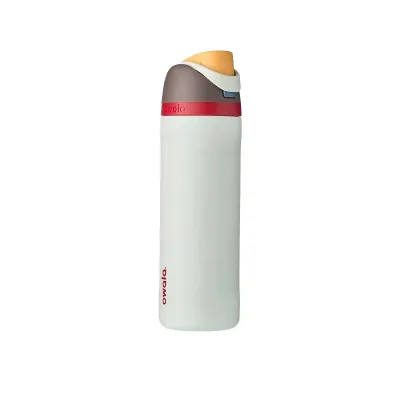
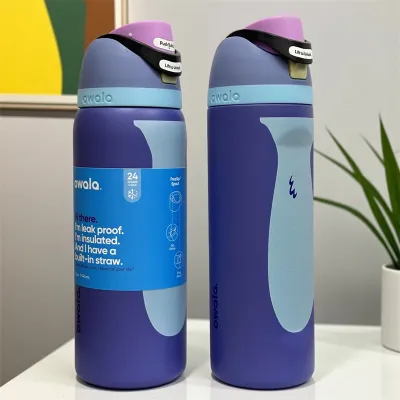
![SG🔥 [100% Authentic] Owala FreeSip Stainless-Steel Insulated Water Bottle Locking Push-Button Lid Owala Water Bottle](https://img.lazcdn.com/g/p/7445fd538da53cd80a6f4a15b80722c3.jpg_400x400q80.jpg_.webp)
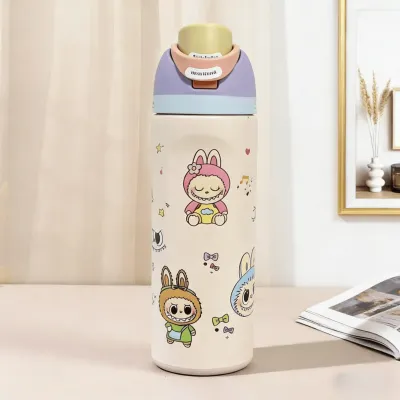
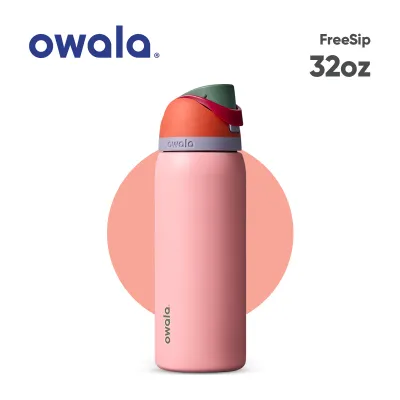
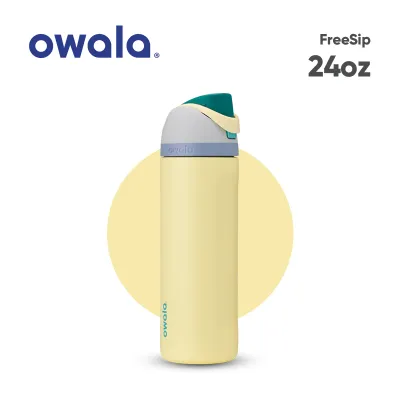
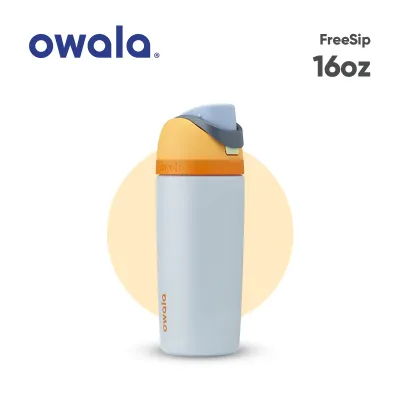
![SG【100% Authentic]】Owala FreeSip 24oz 32oz Insulated Stainless Steel SportsWater Bottle with Straw BPA-Free](https://img.lazcdn.com/g/p/af554d8a7f40b0e2527eaa7e10d19f70.jpg_400x400q80.jpg_.webp)
Prices are valid at publication and may change. Please refer to the product page for the latest price.
How Owala's Insulation and Lid Design Work
To understand how Owala controls temperature, one must look at the physics of double-wall vacuum stainless steel construction. In a standard single-wall container, heat transfer occurs rapidly through conduction, where ambient warm air transfers energy directly through the metal wall to the liquid inside.
Double-wall vacuum insulation solves this by placing one stainless steel container inside another and sealing them at the neck. During manufacturing, the air between these two walls is completely evacuated, creating a vacuum. Because conduction and convection require a physical medium like air molecules to transfer heat, the vacuum layer acts as a highly effective barrier, halting thermal transfer almost entirely.
However, the body of the bottle is only one part of the thermal equation; the lid is where most heat exchange eventually occurs. Owala’s FreeSip lid features a built-in straw and a spring-loaded, push-button spout mechanism. While highly convenient for quick hydration, complex lid designs introduce more surface area, joints, and moving parts than a simple, solid screw-on cap.
Every time you press the button to open the lid, warm ambient air enters the bottle, and the internal temperature rises slightly. Because the FreeSip lid has a larger opening mechanism and a straw channel, frequent opening during an intense workout can lead to slightly faster ice melt compared to a bottle with a heavy, insulated solid cap that remains tightly sealed.
Another critical aspect of this design is the sweat-proof exterior. In Singapore’s high-humidity climate, single-wall bottles quickly develop condensation on the outside as warm, moisture-laden air hits the cold metal surface. This condensation can make the bottle slippery and ruin other items inside a gym bag.
Owala’s vacuum insulation prevents the exterior wall from dropping in temperature, which completely eliminates external condensation. This ensures your grip remains dry and secure during high-intensity training sessions or outdoor runs.
Always check the specific product label or official brand store listings for the manufacturer’s stated hot and cold retention limits for your chosen bottle size. Keep in mind that Owala explicitly designs and labels its FreeSip models for cold liquids only; using them for hot liquids can cause pressure buildup or lead to accidental burns when sipping through the straw.
Owala Singapore vs. Traditional Insulated Bottles: Key Differences
Cold Retention and Ice Longevity
When comparing ice longevity, the design of the lid and how you use it play a more significant role than the brand name on the steel body. Owala’s push-button straw and spout lid contrasts with traditional wide-mouth screw caps and dedicated flip-straw lids found on other popular sports bottles.

Traditional wide-mouth bottles with simple screw caps offer superior thermal sealing when closed because the cap is typically thick, solid, and filled with insulating material, with no internal straw channels or button mechanisms. However, to drink from a wide-mouth bottle, you must unscrew the entire cap, exposing the entire surface area of the liquid to warm ambient air.
In contrast, Owala’s FreeSip lid allows you to drink without exposing the entire opening, which helps retain the internal cold during quick sips. However, the lid itself has less insulating mass than a solid screw cap, and the complex sealing points can let in trace amounts of heat over many hours.
For workouts lasting one to three hours, the difference in ice melting rates between these designs is practically negligible. However, if you require ice to last over a 24-hour period, a traditional solid screw-cap bottle may hold a slight advantage.
Additionally, wide-mouth bottles make it easier to drop in large, solid ice blocks, which melt much slower than standard ice cubes due to a lower surface-area-to-volume ratio. Owala’s opening can accommodate standard ice cubes or crushed ice easily, but exceptionally large ice blocks may not fit through the neck.
Always verify the manufacturer’s claims for your specific volume size. Larger bottles contain a greater thermal mass of cold water and ice, allowing them to resist temperature changes much longer than smaller models, regardless of the brand.
Sweat-Proof Grip in Singapore's Humidity
Singapore’s tropical climate presents a unique challenge for sports equipment: high relative humidity means that even minor temperature differences can cause moisture to collect on non-insulated surfaces, while sweaty hands make holding onto smooth bottles difficult.
Owala bottles feature a durable powder-coated finish that provides a textured, matte exterior. This textured surface is highly effective at maintaining grip security, even when your hands are damp from a humid outdoor run at East Coast Park or an intense indoor strength training session.
Other popular sports bottle brands also utilize powder coatings, but the texture can vary from extremely rough and chalky to relatively smooth. Some brands offer silicone boots or built-in rubberized grips, which can provide additional drop protection and slip resistance on wet gym floors.
Because a proper double-wall vacuum construction prevents condensation entirely, the exterior of your Owala or competing premium bottle will remain dry. The choice of grip therefore comes down to the physical texture of the outer coating and the shape of the bottle body.
Owala’s 24-ounce model features subtle flat sides designed to fit comfortably in hand and secure easily in standard car cup holders or gym equipment cages, whereas wider, rounder bottles from other brands may require a dedicated carrying strap or a larger bag pocket.
Leak-Proof Security During Movement
A sports bottle is only useful if it keeps your water inside the container rather than spilled across your gym bag, electronics, or car seat. Owala addresses this with a unique locking carry loop that folds down over the push-button lid.
This carry loop acts as a physical barrier: when it is locked in place, the push-button cannot be accidentally pressed, preventing the lid from springing open during transport. This is a significant advantage over standard flip-lids or unprotected push-button bottles, which can easily open if bumped against other gear inside a crowded backpack.
Other sports bottles often rely on screw-down caps, which are exceptionally secure but require two hands to open, or manual flip-straws that can sometimes leak if the internal silicone valve becomes misaligned.
To maintain leak-proof security, users must check their user manual for proper lid alignment and silicone gasket seating. If the circular silicone gasket inside the lid or the small stopper on the spout is misaligned, dirty, or worn out, the bottle will lose both its leak-proof seal and its thermal insulation efficiency.
Regularly inspecting these components ensures that your bottle remains completely sealed during active movement, whether you are commuting on the MRT or cycling along outdoor park connectors.
Which Bottle Fits Your Workout Style?
Choosing the right insulated bottle is less about finding a single “best” brand and more about matching the bottle’s design features to your specific physical activities, hydration habits, and daily routines.
Choose Owala if:
- You prefer versatile hydration options: You can sip upright through the built-in straw during steady-state cardio or swig from the wide spout when you need rapid hydration after a heavy lifting set.
- You want a reliable, physical locking mechanism: The carry loop prevents accidental spills when the bottle is tossed horizontally into a gym bag or backpack.
- You appreciate a modern, colorful aesthetic: The bottle features a built-in carry loop that folds away neatly when not in use.
Choose a traditional wide-mouth insulated bottle if:
- You regularly mix supplements: If you add protein powders, electrolyte scoops, or large ice blocks directly into your bottle, you will require a wide, unobstructed opening.
- You prefer a simple, highly durable lid: A basic lid has fewer crevices, hinges, and silicone parts to clean and maintain.
- Your priority is absolute maximum thermal sealing: This is ideal for long-duration outdoor excursions where you will not need to open the bottle frequently.
Choose a dedicated flip-straw sports bottle if:
- You require rapid, one-handed operation: A high-flow straw design is specifically optimized for high-intensity cardio, spinning, or driving, where tilting your head back is inconvenient or unsafe.
- You prefer a highly utilitarian, rugged design: These models may feature built-in protective silicone boots or heavy-duty carrying handles.
Verify first if:
- Your training venue has specific rules: Your specific gym, sports club, yoga studio, or marathon organizer may have strict rules regarding bottle sizes, materials, or lid types. For example, some indoor cycling studios or bouldering gyms require completely spill-proof lids or restrict glass and single-wall metal containers.
- You want to ensure local support: Before purchasing, it is highly recommended to check local e-commerce platforms, official brand websites, or authorized physical retailers in Singapore to verify current stock, available colorways, and local warranty terms. Purchasing from authorized local channels ensures you receive a genuine product and have access to customer support should you experience any manufacturing defects with the vacuum seal.
Maintaining Insulation and Hygiene Over Time
To ensure your insulated sports bottle continues to keep your drinks cold and remains completely hygienic, you must establish a proper care and maintenance routine.
First, always prioritize hand-washing for the vacuum-insulated stainless steel body. While some manufacturers state that certain components are dishwasher safe, the high heat, intense water pressure, and harsh detergents used in household dishwashers can degrade the vacuum seal over time. If the vacuum seal is compromised, the bottle will permanently lose its insulation properties, causing the exterior to sweat and liquids to warm up rapidly.
The complex lid components, including the spring mechanism, the straw, and the silicone gaskets, should also be washed by hand using warm, soapy water and a small detail brush. Avoid using abrasive sponges, steel wool, or harsh chemical cleaners like bleach on the bottle’s exterior, as these can scratch, strip, or discolor the protective powder coating.
Regularly inspect the silicone gaskets, the spout stopper, and the straw for signs of wear, mold, or persistent odors. Singapore’s warm and humid environment creates ideal conditions for mold growth if moisture is trapped in dark crevices.
After washing, allow all components to air-dry completely in a well-ventilated area before reassembling the bottle. If you notice a degraded seal, a persistent odor, or a leak, consult the manufacturer’s care guidelines or contact their customer service to purchase official replacement gaskets or straw parts rather than attempting to patch them with non-food-safe adhesives.
Community discussion
Share your experience or ask a question. Comments are reviewed before publication.