
Keeping drinks cold during an intense workout is more than a matter of comfort; it is essential for maintaining hydration and performance. Vacuum-insulated sports bottles have become the standard solution for active individuals looking to keep their water chilled. While many brands claim to offer the ultimate thermal performance, the actual temperature retention you experience depends on a combination of bottle design, ambient conditions, and how you use the bottle.
When comparing the Owala Sway to other insulated sports bottles, there is no single option that outperforms all others in every scenario. Double-wall vacuum insulation is highly effective across most premium brands, meaning that the differences in cold retention often come down to the lid design, opening size, and how often the bottle is opened. To find the right bottle for your exercise routine, you must evaluate how these design elements balance thermal efficiency with practical, one-handed usability.
Before purchasing, you should verify the manufacturer’s specific thermal claims on the product packaging. Because independent testing conditions vary, these official specifications provide the most reliable baseline for comparing how many hours a bottle is rated to keep liquids cold.
Products mentioned in this guide
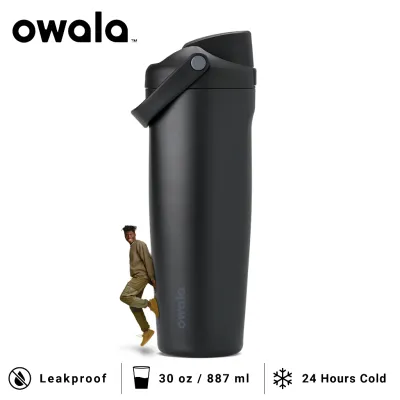
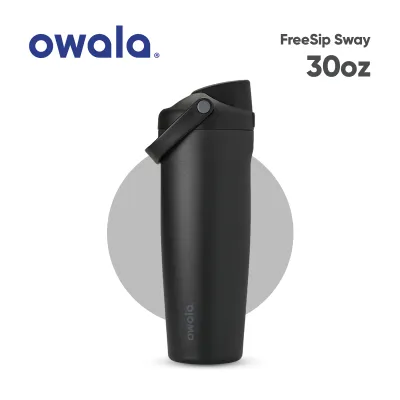
![[100%Authentic] Owala FreeSip Sway30oz Insulated Water Bottle - StainlessSteel Sports Tumbler with Straw](https://img.lazcdn.com/g/p/153772dba7e750f2e7c0c66d02b309be.jpg_400x400q80.jpg_.webp)
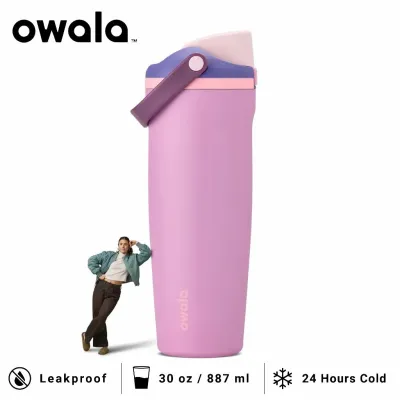
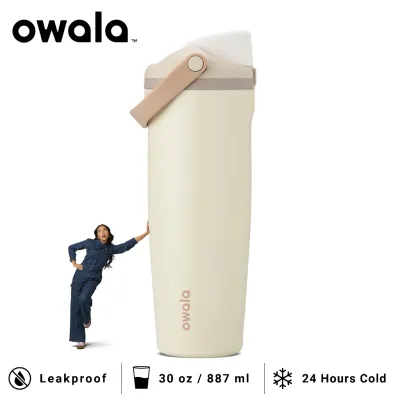
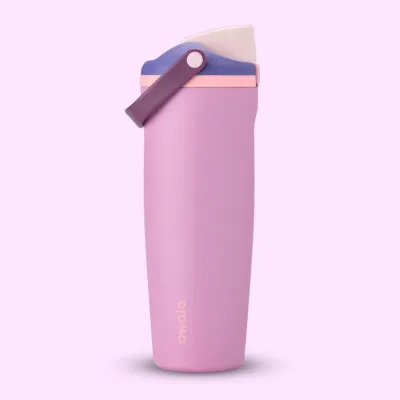
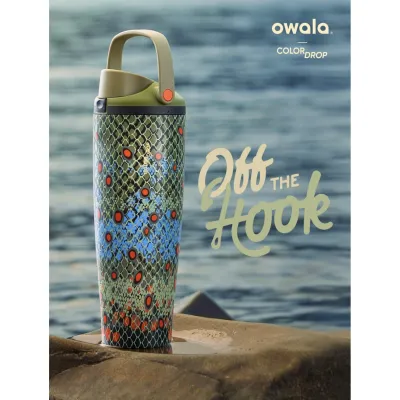
Prices are valid at publication and may change. Please refer to the product page for the latest price.
Key Factors for Workout Water Bottles
To understand how different insulated bottles perform during physical activity, it helps to look at the physics of thermal retention. Double-wall vacuum insulation works by creating a near-vacuum space between two layers of stainless steel, which virtually eliminates heat transfer through conduction or convection. However, heat can still enter the bottle through the lid, which is typically made of non-insulated plastic, and through the opening when you take a drink.
Lid design plays a dual role in both thermal performance and workout convenience. A lid that seals tightly with robust silicone gaskets prevents cold air from escaping and warm air from entering. At the same time, the mechanism must allow for quick, one-handed operation so you can hydrate without interrupting your stride or losing focus during a set. Straw lids, flip-spouts, and twist caps each offer different levels of thermal sealing and flow rates.
Leak resistance and durability are equally critical when you are on the move. A sports bottle must withstand being tossed into a gym bag, dropped on concrete, or rattled in a bicycle bottle cage. High-quality 18/8 food-grade stainless steel construction prevents punctures and dents that could compromise the vacuum seal, while secure locking mechanisms prevent accidental spills that could ruin your gear.
Finally, you must match the bottle to your specific workout environment and carrying method. For outdoor training in hot, humid climates like Singapore, a sweat-proof powder coat finish is essential to maintain a secure grip when your hands are wet. If you prefer running or high-intensity interval training, a lightweight bottle with a secure carrying loop or a slim profile that fits standard cup holders will be much easier to manage than a bulky, wide-mouth flask.
Evaluating the Owala Sway for Exercise
The Owala Sway is designed with a focus on sleek aesthetics and straightforward functionality, making it a popular choice for studio workouts, yoga, and gym sessions. It features a reliable double-wall vacuum-insulated stainless steel body that minimizes heat transfer from your hands and the surrounding environment. To assess its suitability for your routine, you should inspect the specific lid mechanism to ensure it aligns with your hydration habits.

The Sway typically utilizes a secure lid design that balances flow rate with temperature control. Unlike bottles with complex straw systems that require multiple internal parts, the Sway’s streamlined opening limits the volume of warm air that enters the bottle during each sip. You should verify the exact lid style on the official product packaging, as different production runs or model variants may feature slight design adjustments.
Capacity and weight are important trade-offs to consider when choosing this model for active use. While a larger capacity ensures you have enough water for long training sessions, it also increases the overall weight of your gear. A fully filled insulated bottle can be surprisingly heavy, so you should choose a size that matches your hydration needs without becoming a burden to carry. The ergonomic shape of the Sway is designed to fit comfortably in most hands, but those with smaller hands should verify the bottle’s diameter before buying.
Portability features, such as the integrated carrying loop, make the Sway easy to transport between workout stations. However, if your exercise involves high-impact movement or outdoor trail running, you should check how securely the bottle fits into your specific backpack side pockets or running belts. The durability of the exterior finish is also worth verifying, especially if the bottle will frequently come into contact with rough outdoor surfaces.
Comparing the Owala Sway to Other Insulated Bottle Designs
To determine if the Owala Sway is the right fit for your workouts, it is helpful to contrast its design with other common categories of insulated sports bottles. Each design prioritizes different aspects of usability, thermal retention, and maintenance.
Straw-lid bottles are highly favored by runners and cyclists because they allow you to drink while keeping your eyes on the road or track. Because you do not need to tilt the bottle to drink, there is less risk of spilling water on yourself mid-workout. However, the internal straw and venting valves introduce more potential points for air leaks, which can slightly reduce overall thermal efficiency compared to solid lids. They also require more meticulous cleaning to prevent residue buildup.
Flip-spout bottles offer a high flow rate that is ideal for rapid hydration during intense cardio or weightlifting sessions. These lids typically feature a push-button mechanism that opens a spring-loaded cap, allowing for quick, one-handed access. While convenient, the hinge and latch mechanisms can wear down over time with heavy use, and a failure in the locking latch can lead to leaks inside your gym bag.
Wide-mouth bottles are the simplest and most durable option, featuring a basic screw-on cap that provides an airtight seal. They are exceptionally easy to fill with large ice cubes and simple to clean because they lack complex lid parts. The trade-off is usability during exercise; drinking from a wide opening while moving often leads to spills, and opening the large lid exposes the entire liquid surface to warm ambient air, causing faster thermal loss.
| Bottle Design Type | Primary Hydration Method | Ice Compatibility | Cleaning Complexity | Best Workout Setting |
|---|---|---|---|---|
| Owala Sway | Spout / Twist Lid | Moderate | Low to Medium | Gym, Studio, Yoga |
| Straw-Lid Bottles | Built-in Straw | Moderate | High | Treadmill, Cycling |
| Flip-Spout Bottles | Quick-Flip Spout | Moderate | Medium | High-Intensity Cardio |
| Wide-Mouth Bottles | Direct Pour | High | Low | Hiking, Outdoor Basecamp |
Decision Framework: Which Bottle Fits Your Workout?
Choosing the right insulated bottle comes down to identifying your primary workout environment and how you prefer to hydrate. If your routine consists of controlled indoor workouts, yoga, or gym sessions where you can easily pause to take a drink, the Owala Sway offers an excellent balance of sleek design, reliable insulation, and straightforward maintenance.
For athletes who engage in high-intensity cardio, running, or cycling, a bottle that supports rapid, one-handed drinking without tilting is often the safer and more practical choice. In these scenarios, a dedicated straw-lid or quick-flip spout bottle may be more suitable, even if the complex lid design requires a bit more effort to clean and maintain.
If your priority is maximum cold retention for long outdoor excursions in hot weather, a wide-mouth bottle filled with plenty of ice is difficult to beat. The simple, heavy-duty lid provides an excellent thermal seal, though you will need to accept the inconvenience of stopping your activity to unscrew the cap whenever you need a drink.
Before making your final decision, verify the manufacturer’s specifications, capacity options, and current retail prices in S$ at local sports outlets or trusted online marketplaces. Ensuring the bottle fits your budget, your carrying gear, and your hydration style will guarantee you stay refreshed and focused throughout your fitness journey.
Frequently Asked Questions (FAQ)
Does adding more ice improve cold retention in vacuum-insulated bottles?
Yes, increasing the ratio of ice to liquid will extend the duration that your drink remains cold. Ice absorbs heat as it melts, keeping the surrounding water near freezing temperature for a longer period. However, because ice takes up physical space, adding more ice reduces the total volume of liquid water available for hydration during your workout.
When packing your bottle with ice, always check the manufacturer’s maximum fill line. Overfilling the bottle with ice can prevent the lid from sealing correctly, which can damage the silicone gaskets and lead to leaks. For the best balance, fill the bottle with a moderate amount of ice and pre-chilled water rather than room-temperature water.
How should I clean a sports bottle lid to prevent mold after sweaty workouts?
To prevent mold and bacteria growth, you should clean your sports bottle lid after every workout, especially if you use hydration tablets or sports drinks. Begin by disassembling all removable parts, including silicone gaskets, O-rings, and straws, according to the manufacturer’s care instructions. Use warm, soapy water and a small detail brush to scrub the tight crevices where moisture and sweat tend to accumulate.
After washing, allow all components to air-dry completely in a well-ventilated area before reassembling the lid. Storing a damp lid on a closed bottle creates a humid environment that encourages mold growth. If your bottle’s lid mechanism is sealed and not designed for disassembly, do not attempt to force it apart; instead, consult the manufacturer’s official cleaning guide for safe sanitizing methods.
Community discussion
Share your experience or ask a question. Comments are reviewed before publication.