
Choosing between a transparent single-wall bottle and an insulated double-wall bottle comes down to how you balance weight, temperature control, and visibility during your exercise sessions. In Singapore’s tropical climate, where high humidity and warm temperatures are constant companions, your hydration gear has to work harder to keep you comfortable. A lightweight, clear bottle allows you to monitor your water intake at a glance, making it highly convenient for quick indoor workouts. On the other hand, an insulated bottle keeps your water cold for hours, which can be a game-changer during intense outdoor activities or long training sessions.
Your choice should align with where you train, how long your sessions last, and how much you value ice-cold water. For some, the ease of carrying a featherlight bottle outweighs the need for chilled water. For others, a sweat-free exterior and a cold drink are non-negotiable, especially when exercising outdoors. By evaluating your specific workout environment and hydration habits, you can select the bottle design that seamlessly integrates into your fitness routine.
Understanding the Core Structural Differences
To make an informed decision, it is essential to understand how these two bottle types are constructed and how their materials behave. A transparent single-wall bottle is typically made from durable, lightweight plastics like Tritan co-polyester. Because it consists of only a single layer of material, it is incredibly light when empty, allowing you to carry larger volumes of water without adding unnecessary bulk to your gym bag. However, this single-wall construction offers virtually no thermal barrier, meaning the temperature of your drink will rapidly adjust to the surrounding environment.
Products mentioned in this guide
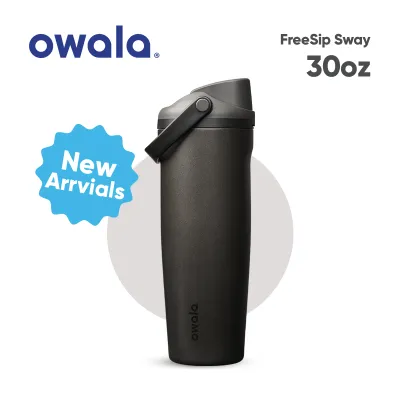
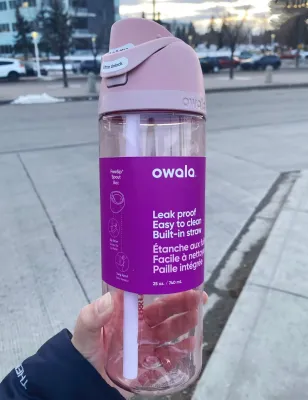
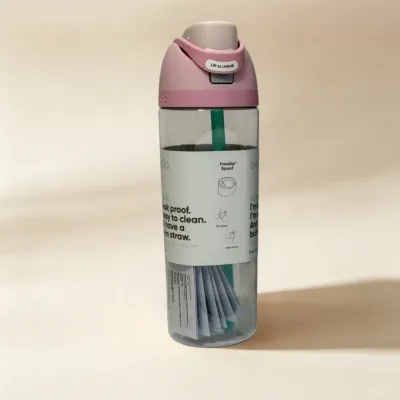
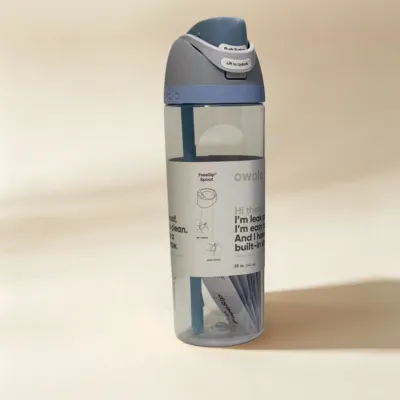
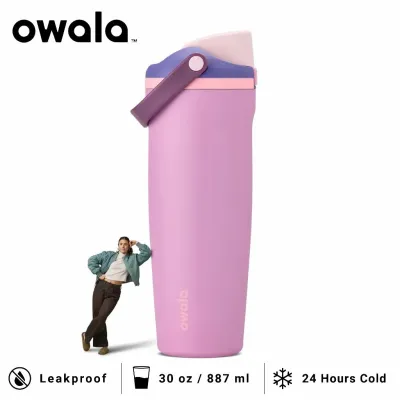
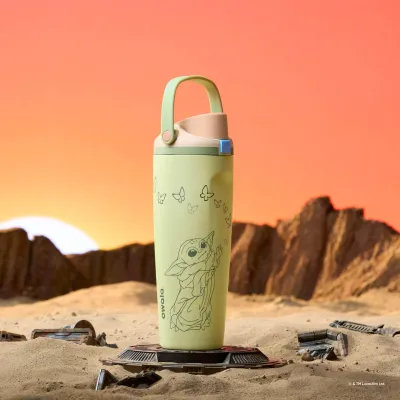
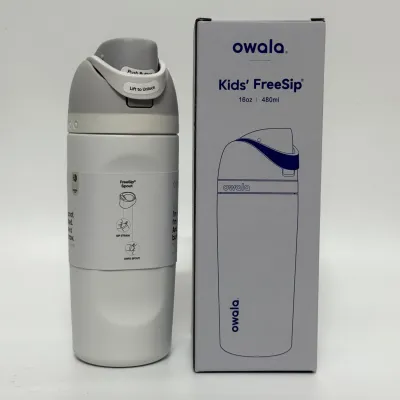
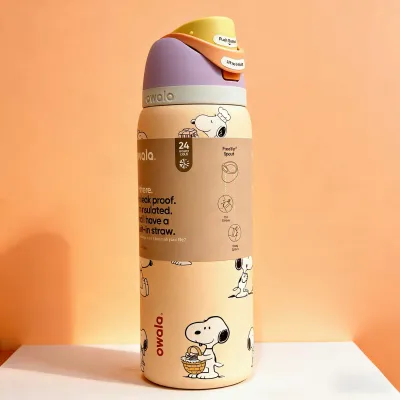
Prices are valid at publication and may change. Please refer to the product page for the latest price.
In contrast, an insulated bottle utilizes a double-wall vacuum construction, usually made from food-grade stainless steel. This design features an inner and outer wall with a vacuum sealed between them, which prevents heat transfer by conduction or convection. While this technology is highly effective at keeping liquids cold, it also makes the bottle significantly heavier even before you fill it with water. The added weight of the double-wall steel structure is a trade-off you must accept in exchange for reliable temperature retention.
Another physical phenomenon to consider is condensation, commonly referred to as bottle sweating. When you fill a single-wall transparent bottle with ice-cold water, the cold temperature easily transfers to the outer surface. When the warm, humid air of Singapore comes into contact with this cold exterior, water vapor condenses into droplets, leaving the outside of your bottle wet. An insulated bottle prevents this entirely because the vacuum barrier keeps the outer wall at room temperature, ensuring the exterior remains completely dry to the touch.
Matching Bottle Types to Your Workout Routine
Your choice of bottle should directly reflect the physical demands and environments of your typical workouts. For indoor gym sessions, weightlifting, or functional fitness classes, a transparent single-wall bottle is often highly practical. These environments are usually air-conditioned, meaning your water will not warm up as quickly as it would outdoors. The lightweight nature of plastic makes it easy to carry from machine to machine, and the clear body lets you instantly see if you need a refill before your next set. Additionally, these bottles are often designed with a slimmer profile that fits easily into standard treadmill and stationary bike cup holders.

If your routine takes you outdoors for running, cycling, or hiking, an insulated bottle becomes much more appealing. Exercising under the sun means your body temperature rises quickly, and having access to cold water can help you feel refreshed and motivated. The dry, sweat-free exterior of an insulated bottle is also a safety feature during outdoor activities. A wet, slippery bottle can easily slip from your hands while running or cycling, whereas a dry powder-coated steel surface provides a secure, non-slip grip even when your hands are sweaty.
For studio-based workouts like yoga, Pilates, or mat-based stretching, the condensation factor is a critical consideration. Placing a sweating single-wall bottle on a hardwood studio floor or a foam mat can leave slippery puddles, creating a safety hazard for yourself and others. An insulated bottle ensures your workout space remains dry and clean. Furthermore, these activities often involve inversions or placing your bottle in various orientations, making a secure, leak-proof lid essential to prevent accidental spills on expensive studio equipment or personal belongings.
Navigating Singapore's Climate: Heat and Humidity
Singapore’s year-round tropical climate, characterized by high temperatures and intense humidity, plays a massive role in how your hydration gear performs. If you choose a transparent single-wall bottle and fill it with ice water for an outdoor run, you can expect the ice to melt rapidly, often within thirty minutes to an hour. The ambient heat quickly transfers through the thin plastic wall, leaving you with lukewarm water for the remainder of your workout. If you prefer your water chilled during long outdoor sessions, an insulated bottle is almost a necessity to combat the local climate.
The high humidity levels in Singapore also amplify the condensation issue on single-wall bottles. A sweating bottle placed inside a gym bag can quickly saturate your clean towels, spare clothes, and sensitive electronic devices like phones or wireless earbuds. If you opt for a transparent bottle, you will need to be mindful of wrapping it in a small towel or placing it in a separate waterproof compartment to protect your other gear. Insulated bottles eliminate this worry entirely, allowing you to toss them into your bag alongside your electronics without a second thought.
It is also important to consider how solar radiation affects different materials. When left in direct sunlight on an outdoor track or inside a parked vehicle, plastic bottles can absorb heat quickly, and the water inside can become uncomfortably hot. While high-quality transparent bottles are designed to withstand normal usage temperatures, you should always check the manufacturer’s guidelines regarding maximum temperature exposure. Insulated stainless steel bottles are much more resilient to external heat sources, keeping the liquid inside cold even when the outer shell is exposed to direct sunlight.
Practical Features to Verify Before Purchasing
Before making your final purchase, there are several practical features you should verify to ensure the bottle fits your daily routine. First, examine the lid mechanism. Many modern bottles feature innovative lid designs, such as a built-in straw for upright sipping or a wide-mouth opening for rapid chugging. During high-heart-rate exercises like high-intensity interval training (HIIT) or spinning, a straw lid can make it easier to hydrate quickly without tilting your head back and losing focus. Ensure the lid mechanism is easy to operate with one hand so you do not have to pause your workout.
Next, check the physical dimensions of the bottle, particularly the base diameter. Gym equipment, car cup holders, and backpack side pockets come in various sizes, and a bottle that is too wide can be incredibly frustrating to carry around. Measure your preferred storage spaces or check the product specifications online to ensure a secure fit. Insulated bottles, due to their double-wall construction, often have a wider footprint than single-wall bottles of the same liquid capacity, so this verification step is especially important for larger insulated models.
Finally, consider the maintenance and cleaning requirements of each material. Transparent bottles offer a clear advantage here, as you can easily see any buildup of sports drink residue, pre-workout powder, or mold in hard-to-reach areas. This visibility makes it simple to know when a thorough scrubbing is needed. Insulated steel bottles, being opaque, require you to look closely inside with a flashlight or rely on regular cleaning schedules. You should also verify whether the bottle components are dishwasher-safe, as some powder-coated finishes or specific plastics require hand-washing to maintain their integrity.
Decision Framework: Which Owala Bottle Fits Your Needs?
To finalize your decision, weigh your primary workout environment against your personal preferences for weight and water temperature. A transparent single-wall bottle is the ideal choice if you prioritize a lightweight carry, want to track your water consumption visually, and primarily exercise in air-conditioned indoor spaces where condensation is manageable. It is also a highly budget-friendly and practical option for quick gym sessions where you have easy access to water dispensers for frequent refills.
Conversely, an insulated bottle is the superior option if you frequently exercise outdoors, demand ice-cold water to stay refreshed, and want to avoid the hassle of condensation puddles in your gym bag or on studio floors. The durable stainless steel construction also offers excellent longevity for rugged outdoor adventures. Before buying, always check the product label or manufacturer’s website to confirm specific details such as dishwasher compatibility, weight specifications, and exact lid features to ensure your new bottle perfectly matches your active lifestyle.
Frequently Asked Questions (FAQ)
Can I put hot liquids in the Owala transparent single-wall bottle?
No, you should avoid putting hot liquids in a transparent single-wall bottle. Because there is no thermal insulation barrier, any heat from the liquid will instantly transfer to the outer plastic surface, posing a significant risk of skin burns when you hold it. Additionally, extreme heat can deform certain plastic materials or damage the lid seals. Always check the manufacturer’s maximum temperature ratings printed on the product packaging or user manual before attempting to use the bottle with warm beverages.
Do transparent Owala bottles stain from sports drinks or pre-workout supplements?
Transparent plastic bottles can occasionally develop stains or retain odors if colored sports drinks, protein shakes, or pre-workout powders are left inside for extended periods. The visibility of these residues is much higher in clear bottles, which can affect their aesthetic appeal over time. To prevent staining, it is best to rinse your bottle thoroughly immediately after finishing your workout. You should also check the product specifications to see if the plastic is rated as stain-resistant and use gentle, non-abrasive cleaning brushes.
Are both bottle types leakproof for tossing into a gym bag?
Both bottle types are designed to be highly leakproof, but their effectiveness depends entirely on the integrity of the lid seals and the locking mechanism. Before tossing any bottle into your gym bag, you must ensure that the lid is fully closed and the safety lock, if equipped, is engaged to prevent accidental opening. Regularly inspect the silicone gaskets inside the lid for wear or misalignment, as a damaged seal is the most common cause of leaks during transport.
Community discussion
Share your experience or ask a question. Comments are reviewed before publication.