
Staying hydrated in Singapore’s intense tropical heat and high humidity requires a bottle that can reliably keep water cold during a workout. While Owala, Hydro Flask, and Yeti all utilize double-wall vacuum insulation to block external heat, no single bottle is universally the coldest for every scenario. Instead, the actual temperature of your drink during a workout depends heavily on how you use the bottle, the lid design, and how much ice you pack inside. Choosing between the Owala FreeSip, Hydro Flask Wide Mouth, and Yeti Rambler comes down to matching their distinct lid mechanisms, weight profiles, and durability to your specific exercise routine.
To find the right bottle, it helps to look beyond marketing claims and examine how these designs perform under the stress of physical activity. A bottle that keeps water ice-cold on a desk might perform differently when exposed to direct sunlight on an outdoor running track or left in a warm car. By understanding the physical factors at play and comparing the structural features of each brand, you can select a bottle that keeps your drinks refreshing throughout your entire workout.
Understanding How Insulated Bottles Keep Drinks Cold
Double-wall vacuum insulation is the industry standard for premium sports bottles, operating on a simple principle of physics. These bottles consist of an inner and outer stainless steel container with a vacuum sealed between them. Because a vacuum contains virtually no air molecules, it prevents heat from transferring via conduction or convection. This barrier effectively stops the warm ambient air of a tropical climate from warming up the cold liquid inside.
Products mentioned in this guide
Prices are valid at publication and may change. Please refer to the product page for the latest price.
However, vacuum insulation cannot completely stop heat transfer because heat can still travel through radiation and physical connection points. The primary point of thermal transfer is the neck and lid of the bottle, where the inner and outer steel walls meet and where plastic components are used. Plastic does not insulate as effectively as a vacuum, meaning the lid acts as a thermal bridge that gradually lets heat slip into your drink.
The volume of liquid and the ice-to-water ratio also play critical roles in temperature retention. A larger volume of cold liquid has more thermal mass, meaning a larger bottle will generally stay cold longer than a smaller bottle under identical conditions. Furthermore, the initial temperature of the liquid and the amount of ice added dictate how long the contents remain chilled, as the ice must absorb a significant amount of heat before the water temperature can rise.
Lid design further influences this heat exchange during active use. Every time you open your bottle to take a drink, warm air enters the chamber and cold air escapes. Wide-mouth bottles expose a large surface area to the environment, leading to rapid air exchange. In contrast, bottles equipped with straw lids or narrow spouts minimize the open surface area, helping to preserve the internal temperature even when you drink frequently during a workout.
Comparing Key Design Features for Active Lifestyles
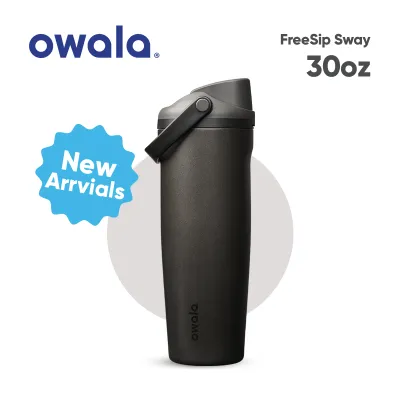
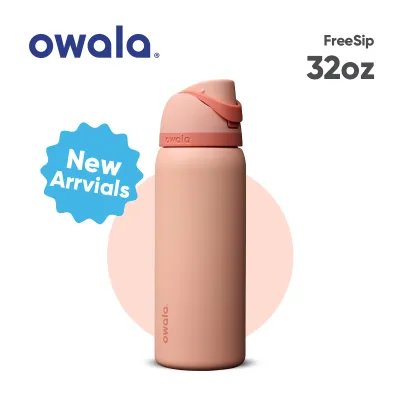
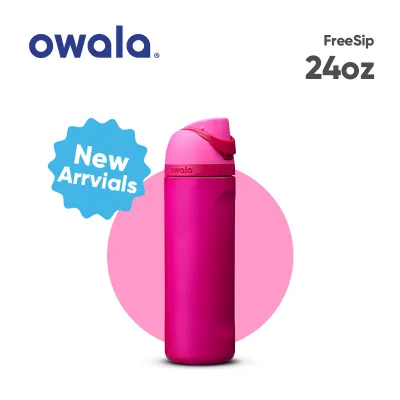
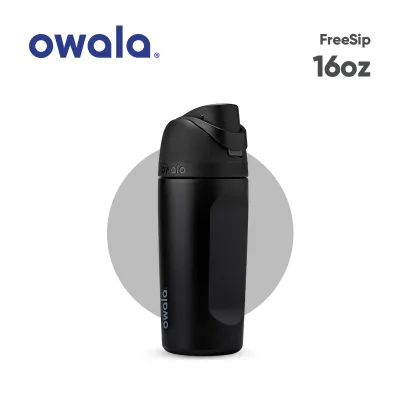
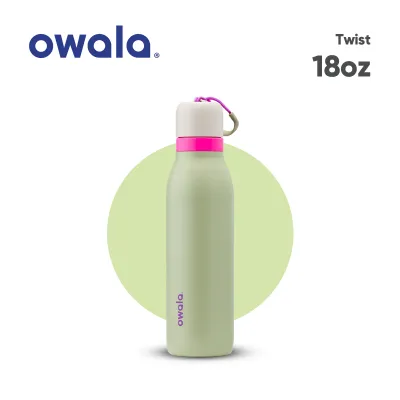
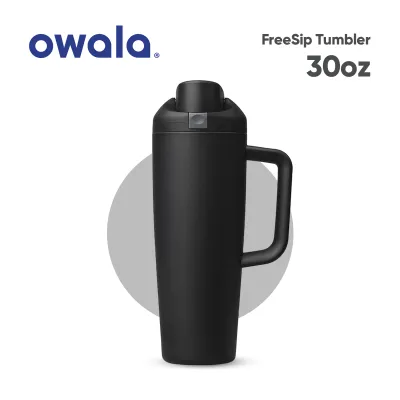
Owala has gained significant popularity due to its innovative FreeSip spout, which offers a highly versatile drinking experience. This patented design allows you to drink in two ways: you can sip upright through the built-in straw or tilt the bottle back to swig through the wider opening. The lid features a push-button mechanism that pops open easily with one hand, making it highly convenient during fast-paced exercise. A metal carry loop folds down to lock the button securely, preventing accidental spills when the bottle is tossed into a gym bag.

Hydro Flask is widely recognized for its classic wide-mouth design and vibrant aesthetic options. The wide opening makes it incredibly easy to load with large ice cubes directly from a home freezer or ice dispenser. To assist with handling during sweaty workouts, Hydro Flask applies a signature powder coat to the exterior of its bottles. This textured finish provides a slip-resistant grip, which is particularly useful when your hands are damp from exercise or humidity. Additionally, Hydro Flask offers a robust ecosystem of interchangeable lids, allowing users to customize their bottles with straw caps or sport caps.
Yeti focuses heavily on rugged durability and over-engineered construction with its Rambler series. Built with thick-gauge kitchen-grade stainless steel, these bottles are designed to withstand heavy impacts, drops on concrete, and rough outdoor handling without denting. Yeti’s No Sweat design ensures that condensation never forms on the outside of the bottle, keeping your hands dry and preventing water rings on gym equipment. However, this heavy-duty build comes with a trade-off in weight; Yeti bottles are noticeably heavier than their competitors, which may be a consideration if you prefer to travel light.
Matching Bottle Features to Your Workout Routine
For high-intensity cardio sessions, such as spinning, running on a treadmill, or high-intensity interval training (HIIT), ease of access is the most critical factor. When your heart rate is elevated, you want to hydrate quickly without disrupting your rhythm or blocking your field of vision. The Owala FreeSip is exceptionally well-suited for these scenarios because the built-in straw allows you to drink while keeping your head level and your eyes focused forward. The one-handed push-button lid ensures you can grab a quick sip and secure the bottle back in place without pausing your workout.
If your routine involves long-duration outdoor activities like hiking through MacRitchie Reservoir or cycling along East Coast Park, durability and capacity become your top priorities. Spending hours in Singapore’s humid, sunny climate requires a larger volume of water and a bottle that can withstand accidental drops on gravel or asphalt. The Yeti Rambler excels in these demanding environments due to its puncture-resistant construction and secure carrying handles. Its wide-mouth design also allows you to pack the bottle with maximum ice, ensuring your water remains cold even after hours of exposure to outdoor heat.
For standard gym workouts, yoga classes, or fitness studio sessions, you need a bottle that balances portability, leak prevention, and convenience. In these environments, your bottle will often sit on a gym floor, in a machine cup holder, or inside a locker. The Hydro Flask Wide Mouth with a leakproof flex cap or straw lid offers an excellent balance of lightweight portability and reliable grip. Its streamlined profile fits easily into standard cup holders on treadmills and stationary bikes, while the powder-coated exterior prevents it from slipping out of your hands during transitions between exercises.
How to Verify Cold Retention Claims Before Buying
When shopping for a sports water bottle, you will encounter various manufacturer claims regarding how many hours a bottle can keep drinks cold. To make an informed decision, it is important to understand how to verify these claims independently. Manufacturers typically conduct insulation tests under highly controlled laboratory conditions, often using a specific ratio of ice to water and keeping the bottle sealed in a temperature-controlled room. These tests do not always reflect the real-world conditions of a humid outdoor workout, where the bottle is opened frequently and exposed to direct sunlight.
To assess a bottle’s true insulation potential, examine the construction of the lid and spout. Because the lid is the primary area where heat enters, look for designs that incorporate insulation within the lid itself or feature thick, high-density plastic. Check the quality of the silicone gaskets and seals; a tight, airtight seal is essential for preventing warm air from seeping into the bottle. Lids with complex mechanical parts or multiple openings may have more potential points of thermal transfer compared to a simple, solid screw-on cap.
Additionally, always verify the manufacturer’s care instructions, particularly regarding dishwasher safety. While some brands state that their bottles and lids are dishwasher-safe, the intense heat and harsh detergents of a dishwasher cycle can gradually degrade the vacuum seal over time. If the vacuum seal is compromised, the insulating barrier is lost, and the bottle will no longer keep your drinks cold. If you notice the exterior of your bottle becoming warm to the touch when filled with ice water, or if condensation begins to form on the outside steel, it is a clear sign that the vacuum seal has failed.
Making Your Final Decision: Which Bottle Fits Your Routine?
Choosing the right sports water bottle ultimately depends on which features align best with your daily exercise habits and hydration preferences.
- Choose Owala if: You want a highly versatile, leakproof bottle that allows for effortless, one-handed sipping through a built-in straw, making it ideal for fast-paced gym workouts and daily commuting.
- Choose Hydro Flask if: You prefer a lightweight bottle with a comfortable, non-slip grip, a wide mouth that makes adding ice simple, and the ability to customize your lid style.
- Choose Yeti if: You require maximum durability for rugged outdoor adventures, want a condensation-free exterior, and do not mind carrying a slightly heavier bottle.
- Verify first if: You have specific size constraints, such as fitting the bottle into a car cup holder or a specific pocket on your gym bag, as dimensions and capacities vary across different models.
Frequently Asked Questions (FAQ)
Does adding ice cubes significantly improve cold retention in these bottles?
Yes, adding ice is essential if you want to keep your water at a very low temperature during extended workouts. While double-wall vacuum insulation is highly effective at slowing down the rate of heat transfer, it does not actively cool the liquid inside. The ice cubes act as a thermal reservoir, absorbing the small amounts of heat that inevitably penetrate the vacuum seal and the lid. To optimize cold retention in hot climates, fill at least one-third to one-half of your bottle with ice before pouring in cold water. Using larger ice cubes is also beneficial, as they have less surface area relative to their volume and melt more slowly than crushed ice.
Can I put these insulated bottles in the dishwasher without ruining the insulation?
You must check the specific manufacturer’s guidelines for your exact bottle model, as dishwasher safety varies. Many modern insulated bottles feature advanced powder coatings and reinforced seals that are rated as dishwasher-safe. However, some finishes, colors, or older models must be hand-washed to prevent the high heat of a dishwasher from peeling the exterior paint or damaging the vacuum seal. Even if a bottle is labeled as dishwasher-safe, washing the lid, silicone gaskets, and straws by hand is often recommended. This ensures that small crevices are thoroughly cleaned of sweat and drink residue, and it helps prolong the lifespan of the flexible seals that keep your bottle leakproof.
Community discussion
Share your experience or ask a question. Comments are reviewed before publication.