
When exercising in Singapore’s year-round heat and humidity, keeping your hydration cold is more than a luxury—it is essential for maintaining performance and staying refreshed. While Owala, Hydro Flask, and Yeti all utilize double-wall vacuum insulation to block heat transfer, choosing the bottle that keeps your water coldest during a workout depends heavily on how you drink, where you train, and the specific lid design you select. There is no single brand that universally outperforms the others under every condition; rather, the thermal efficiency of your bottle during exercise is shaped by physical factors like lid exposure, bottle capacity, and how often you open it.
To find the right companion for your fitness routine, you must look beyond brand logos and examine how these vessels perform when exposed to high ambient temperatures. Whether you are running along East Coast Park, lifting in an unairconditioned gym, or commuting between fitness classes, understanding the mechanics of cold retention will help you make an informed choice. By evaluating insulation baselines, lid mechanics, and real-world usability, you can select a bottle that maintains refreshing temperatures from your first warm-up to your final cool-down.
Core Insulation Specs and the "Coldest" Verdict
At the heart of Owala, Hydro Flask, and Yeti bottles lies the same fundamental technology: double-wall vacuum insulation. This construction features an inner and outer stainless steel wall with a vacuum sealed between them. Because a vacuum contains no air molecules, it virtually eliminates heat transfer via conduction and convection, preventing the warm outside air from heating your cold beverage. Consequently, the raw insulating capability of the stainless steel bodies across these premium brands is remarkably similar when sealed.
Products mentioned in this guide
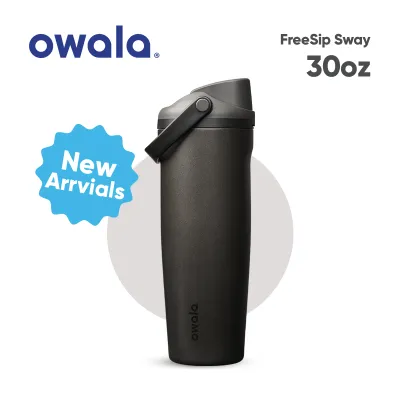
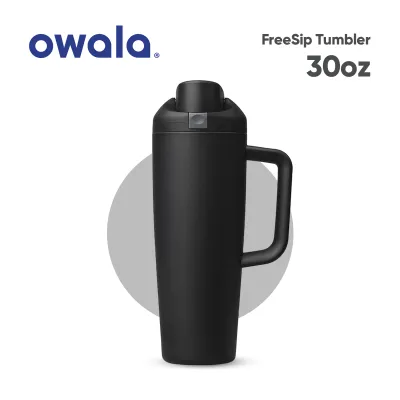
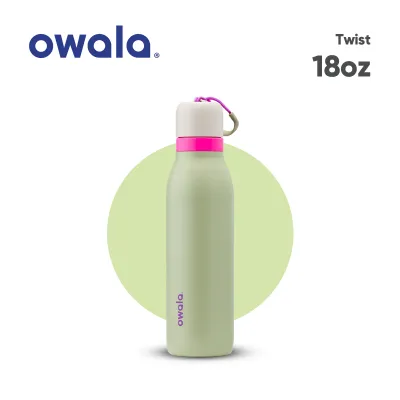
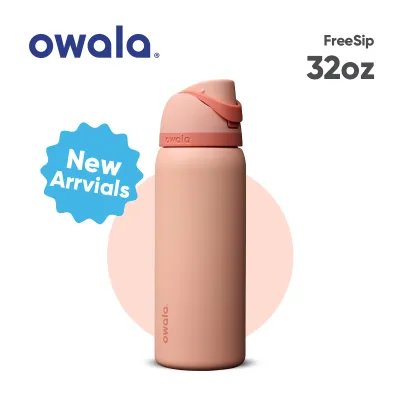
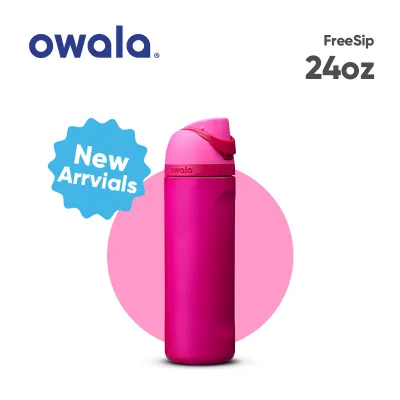
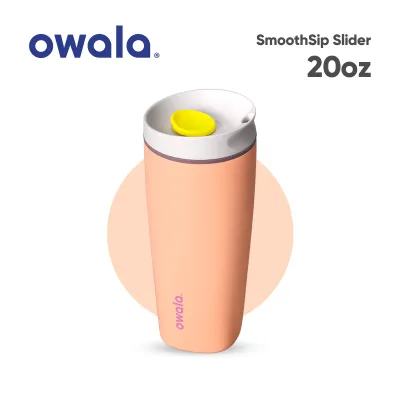
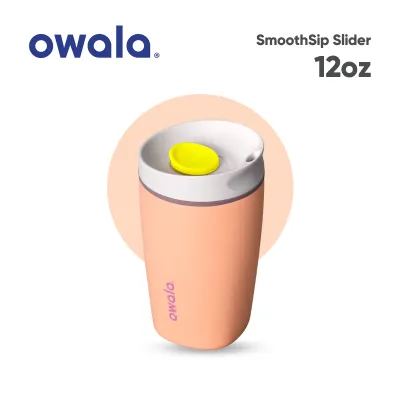
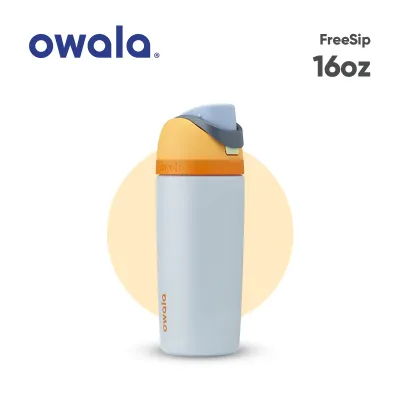
Prices are valid at publication and may change. Please refer to the product page for the latest price.
The actual temperature performance you experience during a workout is determined by external variables rather than differences in the steel itself. Factors such as the initial temperature of your water, the volume of ice added, and how long the bottle remains open play a much larger role in cold retention than brand-specific engineering. When shopping, you should verify the manufacturer’s specific temperature ratings on the product packaging, as these ratings often vary based on the bottle’s volume and the type of lid installed. Larger bottles with solid, insulated caps typically boast longer cold-retention ratings than smaller bottles equipped with complex straw lids.
How Lid Designs Affect Temperature and Usability
While the stainless steel body of a bottle blocks heat, the lid is the primary point of thermal vulnerability. Every time you take a sip, you introduce warm ambient air into the bottle, which accelerates the melting of ice and raises the water temperature. Different drinking mechanisms handle this air exchange in distinct ways, creating a direct trade-off between thermal sealing and quick hydration during intense exercise.

Straw lids, such as the integrated design found on the Owala FreeSip, offer excellent thermal efficiency during active use. Because you drink through a small, built-in straw opening, the overall surface area exposed to the outside air is minimal. This design allows you to hydrate quickly without unscrewing a large cap, keeping the cold air trapped inside the bottle. This one-handed operation is highly convenient for dynamic workouts, such as cycling or treadmill running, where stopping to unscrew a lid is impractical.
In contrast, wide-mouth caps and chug lids, commonly found on Hydro Flask and Yeti models, expose the entire neck of the bottle when opened. While these designs allow for rapid, high-volume gulping—which many athletes prefer during high-intensity interval training—they also let a significant amount of warm, humid air enter the flask. In Singapore’s humid climate, this warm air quickly condenses inside the bottle, transferring ambient heat directly to your drink. If you prefer a chug-style lid, look for models that feature insulated caps to minimize heat transfer through the lid material itself when closed.
Capacity, Surface Area, and Real-World Workout Conditions
The physical size of your water bottle has a substantial impact on how long your drink stays cold. In thermodynamics, a larger volume of cold liquid possesses greater thermal mass, meaning it requires more heat energy to raise its temperature than a smaller volume. Additionally, larger bottles have a lower surface-area-to-volume ratio than smaller flasks. This means that a 32-ounce or 40-ounce bottle will naturally retain its cold temperature longer than an 18-ounce bottle under identical environmental conditions.
When exercising outdoors or in non-air-conditioned sports halls in Singapore, ambient temperatures frequently exceed 30 degrees Celsius. In these environments, a smaller bottle will warm up much faster, especially if it is only half-filled. To maximize cold retention, it is beneficial to choose a capacity that matches your workout duration. For a quick 45-minute gym session, a compact, lightweight bottle is highly portable and sufficient. However, for extended outdoor activities like hiking or long-distance running, a larger capacity ensures you have enough cold water to last the entire session without the liquid warming up prematurely.
To optimize performance, you should also consider how you pack your bottle. Keeping your flask shielded from direct sunlight inside a gym bag or under a shade structure will significantly reduce the thermal load on the exterior walls, helping the vacuum insulation perform optimally.
Exterior Sweat, Grip, and Leak Prevention
A sports bottle must do more than keep water cold; it must also remain functional and secure in your hands during vigorous activity. High-quality double-wall insulation ensures that the exterior of the bottle remains free of condensation, or “sweat,” even when filled with ice water in humid conditions. You should verify that any bottle you consider guarantees a sweat-free exterior, as condensation can make the bottle slippery and damage other gear inside your sports bag.
Grip texture is another critical factor, particularly when your hands are sweaty or covered in gym chalk. Hydro Flask is well-known for its powder-coated exterior, which provides a textured, slip-resistant surface that is easy to hold during active movement. Yeti utilizes a proprietary exterior coating designed for extreme durability and a secure grip under wet conditions. Owala bottles often feature ergonomic indentations along the sides of the bottle, offering a natural handhold that compensates for smoother finishes.
Leak prevention is equally vital for transport. A bottle that leaks not only ruins your gear but also loses its cold-retention capabilities if the seal is compromised. Look for robust locking mechanisms, such as Owala’s push-button lid lock, which prevents accidental openings in your duffel bag. Yeti and Hydro Flask offer heavy-duty screw-on caps with thick silicone gaskets that provide a highly reliable, airtight seal, ensuring your beverage stays contained and cold throughout your commute.
Decision Framework: Which Bottle Fits Your Routine?
Selecting the ideal sports water bottle requires matching the unique design features of each brand to your specific exercise habits and lifestyle. Because insulation performance is highly comparable across these premium options, your decision should focus on usability, durability, and how you prefer to hydrate during movement.
You should choose Owala if your workouts require quick, one-handed hydration and you appreciate versatile drinking options. The unique lid design allows you to either sip vertically through the built-in straw or tilt the bottle back to swig from the wide spout. This versatility makes it highly suitable for gym-goers, runners, and casual fitness enthusiasts who want hassle-free access to cold water without pausing their activity.
You should choose Hydro Flask if you prefer a highly customizable bottle with a classic aesthetic. With a wide array of interchangeable lids—ranging from sports caps to insulated wide-mouth screw tops—and a vast selection of colors, you can easily tailor the bottle to your specific sport. It is an excellent choice for those who want a lightweight, dependable flask for yoga, pilates, or daily gym workouts.
You should choose Yeti if your fitness routine involves rugged outdoor environments, water sports, or demanding physical activities where gear durability is paramount. Known for its thick-gauge stainless steel construction and highly durable exterior coatings, Yeti bottles are built to withstand drops, impacts, and harsh conditions. Additionally, their dishwasher-safe design makes them incredibly easy to clean after outdoor training sessions.
Before making your final purchase, always verify practical compatibility details. Check whether the bottle’s base diameter fits into your standard bicycle bottle cage, car cup holder, or the side pockets of your favorite workout backpack, as larger capacities often require specialized carrying solutions.
Frequently Asked Questions (FAQ)
Can I put large ice cubes in all three brands?
Yes, but your ability to load large ice cubes depends on the specific mouth opening of the bottle. Wide-mouth models from Hydro Flask and Yeti easily accommodate standard and oversized ice cubes, making them simple to fill directly from ice dispensers. Bottles with narrower openings or integrated straw lids, such as certain Owala models, may require smaller ice cubes or specialized ice trays. Always check the manufacturer’s product dimensions to ensure your preferred ice size fits easily through the opening.
Are these insulated bottles dishwasher safe?
Dishwasher safety varies by brand, model, and the specific exterior finish of the bottle. Many modern Yeti bottles and their lids are fully dishwasher safe, designed to withstand high temperatures without degrading. However, certain powder-coated finishes or specific lid components on Hydro Flask and Owala models may require hand washing to preserve the vacuum seal and exterior color. You should always consult the care instructions on the manufacturer’s label to prevent accidental damage and avoid voiding the product warranty.
Community discussion
Share your experience or ask a question. Comments are reviewed before publication.