
Choosing an insulated water bottle for your fitness routine involves balancing thermal performance with practical usability. While the Owala bottle has gained widespread popularity for its unique lid design, its ability to keep water cold during a workout is fundamentally tied to the same double-wall vacuum insulation technology used by other major sports bottle brands. Rather than relying on broad marketing claims of day-long ice retention, finding the right bottle requires evaluating how specific design features—such as lid seals, opening mechanisms, and material thickness—perform under the conditions of your typical training session. By understanding these technical differences, you can select a bottle that keeps your drinks refreshing while seamlessly fitting into your gym bag and exercise habits.
Setting the Baseline: Owala vs. Mainstream Insulated Bottles
To compare these bottles effectively, it is essential to understand what sets the Owala bottle apart from traditional sports hydration gear. The defining feature of the Owala FreeSip is its patented dual-function lid, which integrates a built-in straw for upright sipping and a wide-mouth opening for quick chugging. This hybrid approach attempts to solve a common gym dilemma: choosing between the controlled flow of a straw and the rapid delivery of a wide spout.
In contrast, mainstream alternatives generally fall into three distinct design categories. Traditional wide-mouth bottles feature a simple screw-on cap or a heavy-duty chug lid, prioritizing maximum flow and easy ice insertion. Single-straw lids, common among outdoor brands, rely on a folding nozzle that requires suction to draw water up. Finally, handled tumbler-style jugs focus on high-volume capacity and easy carrying for stationary workouts, though they often sacrifice leak resistance.
Products mentioned in this guide
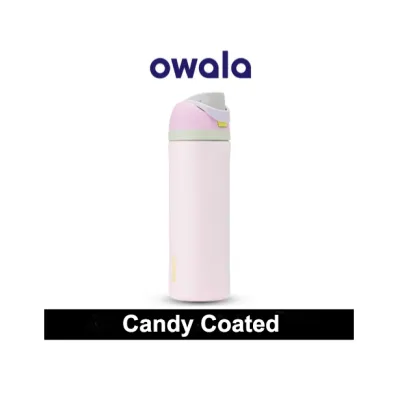
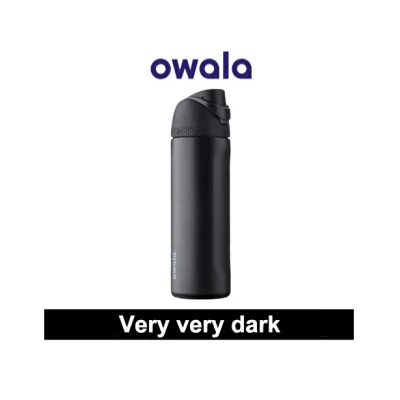
![SG🔥 [100% Authentic] Owala FreeSip Stainless-Steel Insulated Water Bottle Locking Push-Button Lid Owala Water Bottle](https://img.lazcdn.com/g/p/19990a06699e3fb07c0e1506c1705f98.jpg_400x400q80.jpg_.webp)
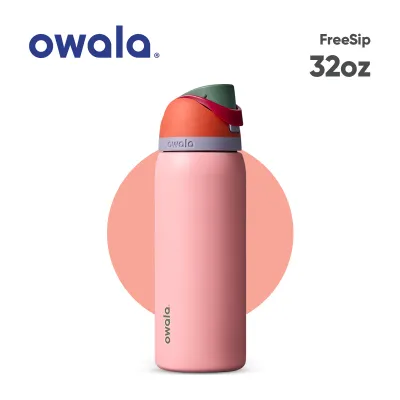
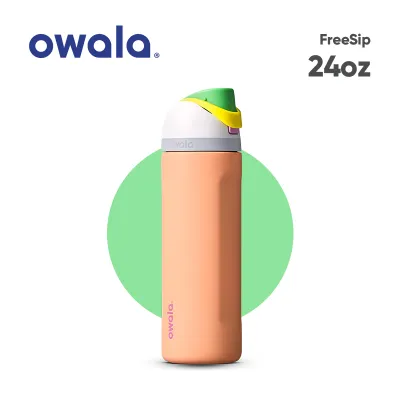
![SG【100% Authentic]】Owala FreeSip 24oz 32oz Insulated Stainless Steel SportsWater Bottle with Straw BPA-Free](https://img.lazcdn.com/g/p/37279dcdd9039025e6009d29dc3a9e98.jpg_400x400q80.jpg_.webp)
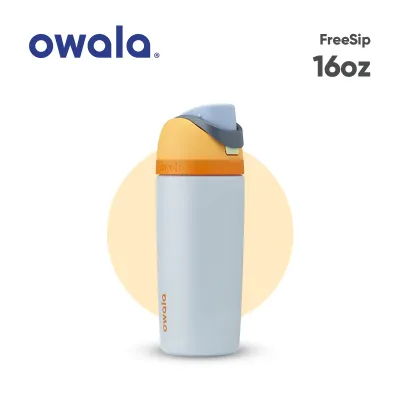
Prices are valid at publication and may change. Please refer to the product page for the latest price.
When evaluating these options, the baseline environment should focus on typical fitness settings. This includes air-conditioned commercial gyms, humid outdoor fitness corners, indoor spin studios, and standard cardio equipment. While extreme backcountry survival scenarios require specialized thermal ratings, a standard workout bottle only needs to maintain a refreshing temperature for the duration of an active session and the transit time before and after.
Verifying Cold Retention Claims for Gym Sessions
The core technology behind modern insulated sports bottles is double-wall vacuum insulation. This design features an inner and outer stainless steel wall with the air evacuated from the space between them, creating a vacuum that prevents heat transfer by conduction or convection. However, the bottle’s body is rarely where thermal loss occurs; instead, heat enters primarily through the lid, which is typically made of non-insulated plastic.

To verify cold retention claims, you must look closely at the lid construction and seal quality. A bottle with a thick, well-gasketed lid will prevent ambient air from warming the water much better than a thin plastic cap with a loose silicone ring. Additionally, every time you open the lid to drink, warm air enters the bottle, and cold air escapes. Consequently, bottles with smaller drinking apertures or those that utilize a straw mechanism often maintain internal temperatures longer during active use than wide-mouth bottles that expose the entire water surface to the air with every sip.
When reviewing manufacturer specifications, distinguish between generalized marketing slogans and verifiable testing parameters. Look for details regarding the initial water temperature, the ambient room temperature during testing, and whether the claim assumes the bottle remains completely sealed. For practical gym use, a highly reliable way to maximize cold retention is to pre-chill the bottle with ice water for a few minutes before filling it, ensuring the inner steel wall is cold before your workout begins.
Gym Usability: Matching Lid Designs to Your Training Pace
A bottle’s thermal performance matters very little if the lid design disrupts your training flow. For high-intensity interval training (HIIT) or fast-paced cardio sessions where rest periods are brief, a quick-access lid is essential. Owala’s dual-function lid allows you to sip through the built-in straw without tilting your head, which is highly convenient when running on a treadmill or riding a stationary bike. For strength training or longer rest intervals, the chug option allows for rapid hydration when you need to consume larger volumes of water quickly.
Leak prevention is another critical factor, especially if you toss your bottle into a gym bag alongside clean clothes and electronics. When inspecting any bottle, verify the locking mechanism. A secure, push-button lock with a physical metal latch—like the one found on the Owala bottle—prevents accidental openings when the bottle is jostled. Conversely, simple straw lids that fold down can sometimes leak if the nozzle is not fully pressed into its recessed slot, while screw-top lids require two hands to operate and carry a higher risk of cross-threading.
Finally, consider the physical dimensions of the bottle relative to your gym’s equipment. Standard cup holders on treadmills, stationary bikes, and rowing machines are typically designed for bottles with a diameter of three inches or less. While a 24-ounce bottle usually fits these slots easily, larger 32-ounce or 40-ounce capacities often require placement on the floor or a dedicated gear shelf. Before purchasing, check the base diameter specifications of the bottle to ensure it matches the equipment you use most frequently.
Long-Term Durability, Cleaning, and Material Checks
Gym bottles endure significant wear, from accidental drops on concrete floors to being stuffed into tight metal lockers. To ensure long-term durability, verify that the bottle is constructed from 18/8 food-grade stainless steel. This material resists denting, does not rust when exposed to moisture, and prevents the metallic taste sometimes associated with lower-grade alloys. A high-quality powder-coated exterior is also highly beneficial, providing a textured grip when your hands are sweaty and protecting the steel from scratches.
Hygiene maintenance is a critical but often overlooked aspect of sports bottles. Complex lid designs with multiple moving parts, silicone gaskets, and internal straws require diligent cleaning to prevent mold and bacteria buildup. When comparing bottles, check how easily the lid can be disassembled. The Owala lid, while convenient, has deep crevices and a silicone insert that must be removed periodically for thorough scrubbing. If you prefer a low-maintenance routine, a simple wide-mouth bottle with a single-piece screw cap is much easier to clean and is often fully dishwasher-safe.
Material safety is equally important, particularly when using your bottle for supplements. Ensure all plastic components, including the straw and mouthpiece, are explicitly declared BPA-free and BPS-free. If you regularly mix pre-workout powders, branched-chain amino acids (BCAAs), or electrolyte formulas, look for high-quality stainless steel interiors that resist flavor retention. Lower-quality plastics and poorly finished steel can absorb strong supplement odors, making your plain water taste like fruit punch long after the bottle has been washed.
Decision Framework: Choosing the Right Bottle for Your Routine
To select the ideal insulated bottle for your fitness routine, consider how your specific habits align with the following design profiles:
Choose the Owala bottle if you want a versatile, all-in-one lid that lets you transition between sipping and chugging without swapping caps. This design is highly suited for gym-goers who engage in a mix of cardio and strength training, value one-handed push-button operation, and need a reliable locking lid that prevents leaks inside a gym bag.
Choose a traditional wide-mouth or dedicated chug-lid bottle if your absolute priority is maximum cold retention over extended periods, or if you want the simplest possible cleaning routine. These bottles are excellent for outdoor workouts, heavy ice users, and those who frequently mix powders directly in the bottle, as the lack of internal straw parts minimizes places where residue can hide.
Choose a handled tumbler-style bottle if you primarily train in structured fitness classes or fixed weight-machine zones where the bottle can sit upright on a flat surface. These larger vessels are ideal for high-volume hydration needs but are less suited for active transport or fitting into standard cardio machine cup holders.
Before making your final decision, always verify the manufacturer’s specific care instructions, warranty coverage, and the availability of replacement lids and gaskets. Investing in a brand that offers easily purchasable replacement parts ensures your bottle remains functional even if a silicone seal wears out or a lid is damaged during a heavy workout.
Frequently Asked Questions (FAQ)
Can I mix pre-workout or protein shakes directly in an insulated stainless steel bottle?
You can mix pre-workout and electrolyte powders directly in an insulated stainless steel bottle, provided the opening is wide enough to add the powder without spilling. However, avoid mixing thick protein shakes in bottles with complex straw mechanisms, as the protein residue can quickly clog the straw and become difficult to clean. Always wash the bottle immediately after use to prevent stubborn odors, and never use insulated bottles for carbonated or hot liquids unless the manufacturer explicitly states the lid can handle the pressure buildup.
Does the exterior color or powder coating affect how long the water stays cold?
The exterior color and powder coating of a bottle have no measurable impact on its internal cold retention during an indoor gym session. The thermal performance is determined entirely by the double-wall vacuum insulation barrier inside the bottle. The primary functions of the exterior powder coating are to provide a secure, non-slip grip when your hands are wet and to protect the stainless steel body from scratches and dents during daily use.
Community discussion
Share your experience or ask a question. Comments are reviewed before publication.