
When you are powering through an intense workout in Singapore’s humid, tropical climate, a lukewarm drink is the last thing you want. If you are comparing the Owala FreeSip to other premium sports water bottles to see which keeps your water cold the longest, the short answer is that Owala’s temperature retention is highly competitive with other top-tier insulated bottles, but your ultimate choice should depend on how you prefer to drink during exercise. Under standard workout conditions, most double-wall vacuum-insulated bottles perform similarly, keeping beverages cold for hours. However, the physical design of the lid, the drinking mechanism, and how often you open the bottle play a far greater role in practical temperature maintenance than minor differences in the steel walls themselves.
Owala excels during high-intensity training because of its unique, leakproof lid that allows you to sip vertically or swig. This sealed, lockable environment minimizes exposure to warm air. Conversely, if your priority is surviving extreme, all-day outdoor heat during a long hike at MacRitchie Reservoir, certain competitors with narrower mouth openings or heavier insulated lids might offer a marginal thermal advantage by minimizing the surface area exposed to ambient air. Ultimately, exact cold-retention hours are highly conditional, depending on the ambient temperature, the initial ice-to-water ratio, and how frequently the seal is broken.
Understanding Owala’s Insulation and Design Technology
To understand how the Owala FreeSip maintains its temperature, it helps to look at the physics of double-wall vacuum insulation. These bottles are constructed from food-grade stainless steel—typically 18/8 stainless steel, which is highly resistant to rust and flavor retention. The bottle features an inner and an outer wall with a vacuum sealed between them. Because a vacuum contains virtually no matter, it eliminates heat transfer via conduction and convection. This means the intense heat of Singapore’s outdoor environment cannot easily transfer to the cold liquid inside, nor can the cold escape.
Products mentioned in this guide
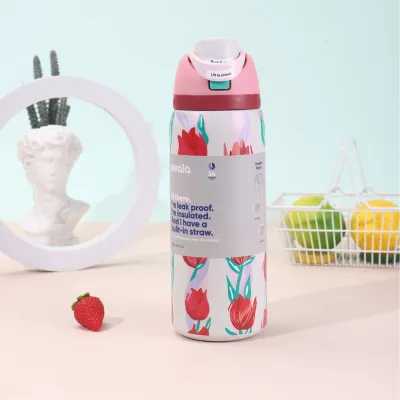
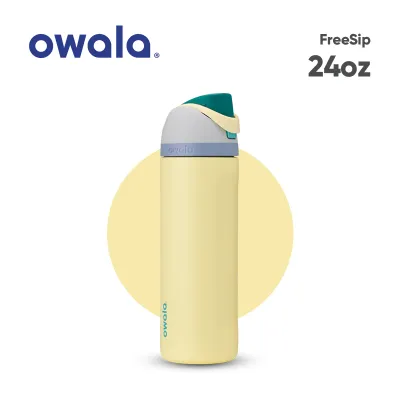
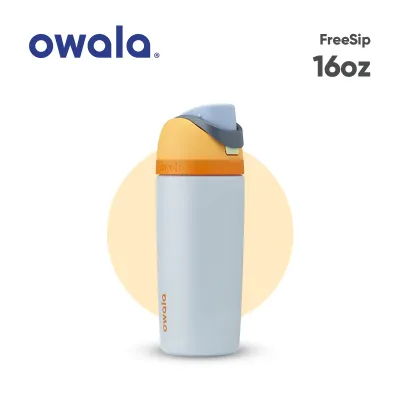
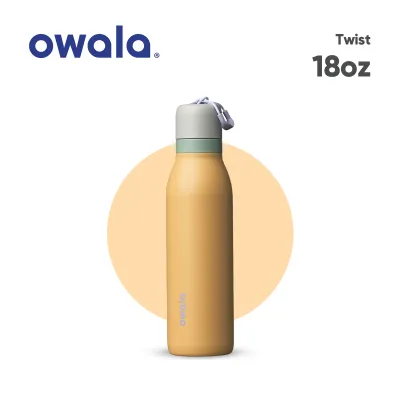
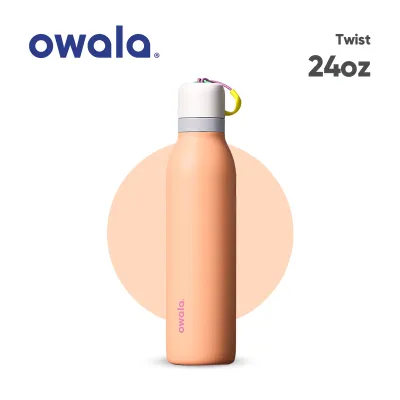
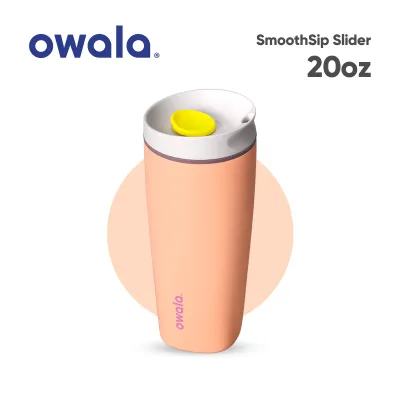
Prices are valid at publication and may change. Please refer to the product page for the latest price.
However, the bottle’s lid is always the primary weak point for thermal transfer. Unlike the double-walled steel body, lids are made of plastic and silicone, which do not insulate as effectively. Owala’s FreeSip lid features a patented design that balances insulation with rapid access. The lid completely covers the drinking spout and locks into place with a secure latch. When closed, a silicone gasket seals the spout, preventing both leaks and air exchange.
The standout feature of the FreeSip is its dual-purpose spout. It houses a built-in straw for upright sipping and a wider opening for chugging. For active users, the built-in straw is a major ergonomic advantage: you can hydrate during a run on the treadmill or while cycling without tilting your head back, keeping your eyes on your path. However, every time you press the button to pop the lid open, warm ambient air enters the chamber. Because the FreeSip lid exposes both the straw and the chug opening simultaneously, a larger volume of air is exchanged compared to a simple, narrow straw cap. This is a minor trade-off: you gain exceptional drinking versatility at the cost of slight thermal exchange during frequent openings.
Owala vs. Popular Competitors: Insulation and Usability Breakdown
When choosing a sports bottle, comparing insulated walls is only half the battle. You must evaluate how the bottle fits into your specific workout routine, how easy it is to carry, and how the lid design impacts both temperature retention and usability. Let us break down how the Owala FreeSip compares to three of the most popular alternatives on the market.

Owala FreeSip vs. Hydro Flask
Hydro Flask is a staple in the fitness community, known for its durable powder-coat finish and customizable options. When comparing the Owala FreeSip to a Hydro Flask, the most significant difference lies in the lid systems. Owala comes standard with the multi-functional FreeSip lid, which requires no swapping or extra purchases to enjoy both sipping and chugging. Hydro Flask, by contrast, utilizes an interchangeable lid system. You can purchase it with a standard wide-mouth cap, a Flex Straw cap, or a Chug cap, depending on your preference.
From an insulation perspective, if you pair a Hydro Flask with its standard insulated flat cap, it will theoretically retain cold slightly longer than the Owala FreeSip. This is because a solid, insulated flat cap has no internal straw channels or button mechanisms, presenting a thicker barrier against external heat. However, once you swap the Hydro Flask lid to a straw cap for workout convenience, this thermal advantage largely disappears. The Owala FreeSip offers superior one-handed operation; a single button press pops the lid open, whereas many Hydro Flask straw lids require you to manually flip the nozzle up, which can be cumbersome when your hands are sweaty or occupied.
Owala vs. YETI Rambler
YETI is legendary for producing rugged, over-engineered gear designed to withstand harsh outdoor conditions. The YETI Rambler, equipped with the Chug Cap or the MagSlider lid, is built like a tank. It features thick-gauge stainless steel that resists dents and drops better than almost any other bottle on the market. If your workouts involve rugged outdoor activities, trail running, or functional fitness training where gear gets tossed onto concrete, YETI’s durability is unmatched.
However, this heavy-duty construction comes with a significant weight penalty. A YETI Rambler is noticeably heavier when empty than an equivalent-capacity Owala FreeSip. For standard gym sessions, cardio classes, or daily commuting on the MRT, the extra weight of the YETI can feel like an unnecessary burden. Additionally, while YETI’s insulation is incredibly robust, its lids are often wider, meaning more cold air escapes when you unscrew the cap to drink. The Owala FreeSip provides a much lighter, more ergonomic profile that fits comfortably in standard gym bags and cup holders, making it far more practical for everyday fitness enthusiasts who do not require industrial-grade durability.
Owala vs. Stanley Quencher
The Stanley Quencher H2.0 FlowState Tumbler has exploded in popularity as a lifestyle and hydration companion. However, its design philosophy is vastly different from that of the Owala FreeSip. The Stanley Quencher is designed primarily for desk use, car commuting, and low-intensity activities. It features an ergonomic side handle and a tapered base designed to fit into car cup holders, alongside an open straw design that juts out from the rotating lid.
When it comes to active workouts, the Stanley Quencher falls short in several critical areas. First and foremost is leak resistance. Because the Stanley utilizes an open straw that inserts directly through the lid, it is not fully leakproof; if you tip it over or attempt to toss it into a gym bag, water will inevitably spill. The Owala FreeSip, with its fully sealed, locking lid, can be thrown into a backpack without a second thought. Furthermore, the Stanley’s open straw design allows continuous, minor air exchange, which accelerates ice melt when exposed to warm gym environments. For dedicated workouts, the sealed, secure environment of the Owala FreeSip is vastly superior to the lifestyle-focused Stanley Quencher.
Beyond Temperature: Key Factors for Workout Hydration
While keeping your water cold is important, several practical usability factors will dictate whether a bottle becomes a seamless part of your workout routine or a daily frustration.
Leak Resistance There is nothing worse than opening your gym bag to find your change of clothes, phone, or lifting straps soaked in water. A truly leakproof bottle is non-negotiable for active lifestyles. The Owala FreeSip features a secure, push-button lid with a metal safety latch. When the latch is flipped up, the button is locked, preventing accidental opening in your bag. This level of security surpasses simple splash-resistant lids, such as press-fit tumbler caps, which can easily pop off under pressure or when jostled.
Grip and Ergonomics During intense training, your hands will get sweaty. A bottle that is easy to grip and carry prevents accidental drops. Owala bottles feature a powder-coated finish that provides a tactile, non-slip texture, even when wet. The bottle’s body also has flat sides, giving your fingers a natural place to rest and grip. For carrying, Owala integrates a clever, hidden carry loop into the lid hinge. When you need to carry the bottle, you flip the loop up; when you are drinking or storing it, the loop folds down seamlessly. This is often more convenient than the bulky, rigid side handles found on lifestyle tumblers, which can snag on straps or prevent the bottle from fitting into side pockets.
Cleaning and Maintenance Any water bottle with a built-in straw or complex lid mechanism requires diligent cleaning to prevent the buildup of bacteria and mold. This is especially true if you use your bottle for electrolyte powders, sports drinks, or amino acid mixes, which leave behind sugary residues. The Owala FreeSip lid has several moving parts, silicone gaskets, and a removable straw. To maintain hygiene, you must disassemble these components regularly. The silicone gasket inside the lid can be popped out using a small tool or your fingers to clean underneath it. While the bottle body is relatively easy to clean with a standard bottle brush, the straw and the drinking spout require dedicated attention. Investing in a small straw brush is essential for clearing out the inner channel of the straw. If you regularly consume flavored sports drinks, establish a habit of rinsing the lid and straw immediately after your workout to prevent odors and residues from settling into the plastic.
How to Verify Insulation Claims and Choose the Right Size
When shopping for an insulated water bottle in Singapore, you will encounter various marketing claims promising 24, 36, or even 48 hours of cold retention. It is important to approach these claims with a critical eye. Manufacturers test their bottles under highly controlled laboratory conditions—often keeping the bottle completely closed in a temperature-controlled room with a specific ratio of ice to water. In the real world, especially in Singapore’s tropical climate where temperatures regularly exceed 30°C and humidity is high, actual performance will vary.
To get an accurate picture, always verify the manufacturer’s official specifications and care instructions on their official website or product packaging rather than relying solely on social media reviews. Look for details on how the testing was conducted. Choosing the right size is also crucial for balancing hydration needs with portability.
- Small Capacities (approx. 500ml): Ideal for short cardio sessions, yoga classes, or quick runs where you want to minimize weight. These bottles fit easily into small gym bags and standard cup holders, but you may need to refill them frequently.
- Medium to Large Capacities (700ml to 950ml): The sweet spot for most gym-goers and outdoor athletes in Singapore. This volume provides enough hydration for a standard 60- to 90-minute weightlifting session or an outdoor workout without requiring constant refills, while remaining manageable to carry.
- Extra-Large Capacities (1.1L+): Best for long outdoor sports tournaments, all-day hikes, or settings where clean drinking water is not readily available for refilling. Keep in mind that these bottles are heavy when full and rarely fit into standard cup holders.
To ensure you are purchasing a genuine vacuum-sealed product with a valid warranty, always buy from official brand stores, authorized sports retailers, or reputable local distributors in Singapore. Counterfeit insulated bottles are common on online marketplaces; these fakes often lack a proper vacuum seal, leading to poor insulation performance and potential material safety issues.
Final Verdict: How to Choose Your Workout Bottle
To finalize your decision, consider how you train and what features align best with your hydration habits. Here is a straightforward framework to help you choose:
- Choose Owala if: You want an incredibly versatile, fully leakproof bottle that lets you switch between sipping through a straw and chugging without swapping lids. It is the ultimate choice for gym-goers who want to toss their bottle into a bag and enjoy quick, one-handed hydration during fast-paced workouts.
- Choose Hydro Flask if: You prefer a classic, customizable bottle and want the flexibility of swapping between different lid styles for different activities. It is ideal if you want a reliable, durable companion for both casual daily use and outdoor adventures.
- Choose YETI if: You prioritize extreme durability, need a bottle that can survive rough outdoor environments, and do not mind carrying a heavier, more robust container.
- Verify first if: You have specific requirements, such as needing the bottle to fit a narrow bicycle cage, requiring a built-in water filter for outdoor trail runs, or preferring a specific handle style for carrying.
Frequently Asked Questions (FAQ)
Is the Owala FreeSip dishwasher safe?
According to the manufacturer’s guidelines, the Owala FreeSip lid and internal plastic straw are top-rack dishwasher safe. However, it is highly recommended to hand-wash the stainless steel bottle body to preserve its powder-coated finish and protect the vacuum seal. High dishwasher temperatures and harsh detergents can degrade the external paint and, over time, potentially compromise the seal that keeps your drinks cold. For the best results, wash the silicone gaskets by hand to prevent them from warping or getting lost in the dishwasher.
How do I prevent mold in the Owala straw?
To prevent mold growth, clean the straw and lid components regularly. After each use, disassemble the straw from the lid and rinse both under warm running water. Use a narrow straw brush with mild dish soap to scrub the inside of the straw and the drinking spout. Pay close attention to the crevices around the silicone gaskets, as moisture can trap bacteria there. Allow all parts to air-dry completely in a well-ventilated area before reassembling the bottle. Avoid storing the bottle with the lid tightly closed if there is still moisture inside. For a deeper clean, soak the disassembled lid, straw, and gaskets in a mixture of warm water and a tablespoon of baking soda or white vinegar for 15 minutes before scrubbing and rinsing thoroughly.
Community discussion
Share your experience or ask a question. Comments are reviewed before publication.