
For outdoor football matches, choosing the right whistle is a fundamental decision that directly impacts your ability to control the game. The primary choice comes down to a pealess whistle versus a traditional pea whistle. For most outdoor football environments, particularly those prone to sudden weather changes, heavy rain, or high humidity, the pealess whistle is the superior option because it lacks moving parts that can jam when wet. However, the traditional pea whistle remains a favorite for referees who prefer a classic, variable sound profile and primarily officiate in dry or controlled conditions.
Core Functional Differences in Whistle Design
To understand why these two designs perform so differently on the pitch, it is essential to look at how they are constructed. The traditional pea whistle contains a small, spherical ball—traditionally made of cork, but now often made of synthetic materials—inside its main chamber. When you blow into the mouthpiece, the air forces this pea to spin rapidly inside the chamber. This rapid movement alternately opens and closes the whistle’s exit hole, creating a rapid alternation of pitch and volume known as a trill. This trill is highly recognizable and has been the standard sound of sports officiating for generations.
In contrast, a pealess whistle operates on a completely different mechanical principle. It features no moving parts inside its body. Instead, it uses a series of precisely engineered, co-molded chambers and air-splitting wedges. When air is blown into a pealess whistle, it is divided into multiple streams that collide with each other at high speeds. This collision creates a high-frequency, piercing sound that remains completely consistent. Because there is no physical object moving inside, the sound is generated purely by the dynamics of the airflow itself.
Products mentioned in this guide
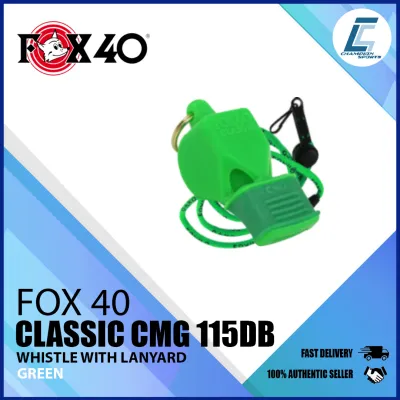
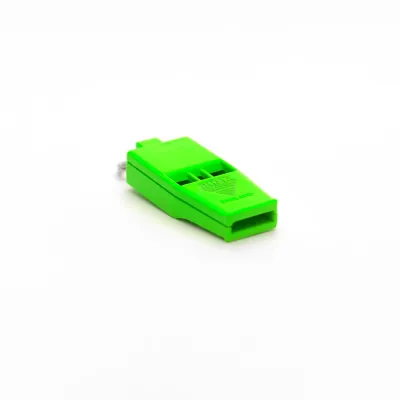
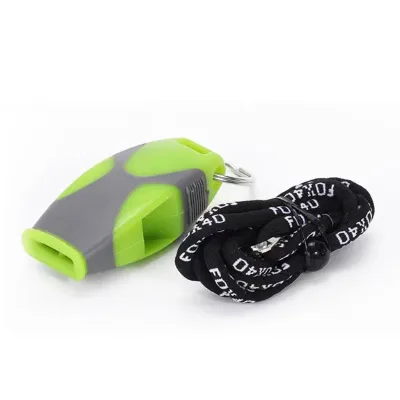
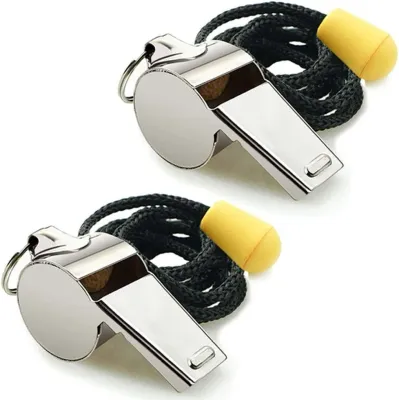
Prices are valid at publication and may change. Please refer to the product page for the latest price.
This mechanical difference directly affects how each whistle handles moisture, dirt, and debris. During an outdoor football match, saliva from the referee’s mouth, falling rain, and even mud from the pitch can easily enter the whistle. In a pea whistle, even a small amount of moisture can cause the pea to stick to the inner wall of the chamber. When this happens, the pea can no longer spin, resulting in a muffled hiss or no sound at all when you blow. A pealess whistle, however, allows moisture and debris to pass straight through the chambers. Even if water enters the whistle, blowing hard will simply expel the liquid out of the exhaust ports, allowing the sound to remain clear and uninterrupted.
Performance in Outdoor Football Conditions
Outdoor football matches expose equipment to a wide range of environmental challenges. In tropical climates, such as Singapore’s, high humidity and sudden, torrential downpours are common match-day realities. Under these conditions, a traditional pea whistle faces significant performance hurdles. The high moisture content in the air, combined with heavy rain, increases the likelihood of the internal pea becoming waterlogged. Once the pea absorbs water or gets trapped by surface tension against the plastic or metal casing, the whistle loses its authoritative tone, which can lead to confusion on the pitch during critical moments.

Sound projection is another critical factor when officiating on a full-sized football pitch. A referee’s whistle must be loud enough to be heard over wind, passing traffic, shouting players, and spectator noise. While the exact decibel output of any whistle depends on the specific model and must be verified on the manufacturer’s packaging, the acoustic design of pealess whistles generally allows for excellent directional sound projection. The high-frequency pitch of a pealess design is engineered to cut through ambient noise, making it easier for players at the far end of the pitch to hear a stoppage. Pea whistles, while loud, produce a lower-frequency trill that can sometimes blend into the background noise of a crowded venue or be dispersed by strong winds.
Maintaining and clearing your whistle during a live match is crucial for seamless game management. If a pea whistle becomes blocked or waterlogged mid-game, you must physically shake it out, tap it against your hand, or blow a dry burst of air through it to free the pea. This process takes time and can distract you from play. With a pealess whistle, clearing moisture is much simpler. Because there are no moving parts to trap water, a single, sharp blow is usually sufficient to clear any liquid from the chambers while simultaneously producing a loud, clear signal. This self-clearing capability ensures you never miss a crucial call due to a malfunctioning whistle.
Ergonomics, Comfort, and Match Control
Beyond sound and weather resistance, the physical handling of a whistle over a 90-minute match plays a major role in a referee’s comfort and performance. One key aspect is blowing resistance, which refers to how much lung power is required to produce a clear sound. Pea whistles generally have lower blowing resistance, meaning they require less initial effort to make a sound. This allows a referee to blow softly for minor infractions or blow harder for serious fouls, giving them a range of vocal expression. Pealess whistles, on the other hand, require a sudden, high-velocity burst of air to initiate the sound. If you blow too softly into a pealess whistle, it may produce a weak, airy sound. This requires referees to adapt their blowing technique, ensuring they always deliver a sharp, decisive breath.
Grip and handling are also vital, especially when running on wet grass or during fast-paced transitions. Whistles are available with various attachment options, including traditional neck lanyards, wrist lanyards, and finger grips. Many modern whistles also feature cushioned mouth grips, which are thermoplastic overmolds that provide a secure, comfortable grip for your teeth and lips. This is particularly useful for referees who prefer to keep the whistle in their mouth for extended periods. When selecting a whistle, ensure that your grip style does not accidentally block the air exhaust ports, as covering these holes on either a pea or pealess design will severely muffle the sound.
Hygiene is another important consideration, particularly for school coaches or referees who manage multiple matches a week. Whistles naturally accumulate saliva and bacteria during use. Because pea whistles contain an internal ball, they are more difficult to clean thoroughly. Natural cork peas can degrade over time if exposed to water or cleaning solutions, while synthetic peas can trap moisture in the tight spaces of the chamber. Pealess whistles, with their open-chamber design, are much easier to rinse, sanitize, and dry, making them a more hygienic choice for long-term use.
Pealess vs Pea Whistle Comparison Matrix
To help you quickly compare the two designs, the table below outlines the key differences that affect match-day performance.
| Feature | Pealess Whistle | Pea Whistle |
|---|---|---|
| Internal Mechanism | Multi-chamber, air-splitting design (no moving parts) | Internal moving ball (cork or synthetic pea) |
| Sound Consistency | Highly consistent, piercing, single-tone frequency | Variable, classic trill with pitch fluctuations |
| Weather Reliability | Excellent; unaffected by rain, humidity, or freezing | Moderate; prone to jamming when wet or dirty |
| Maintenance Needs | Low; easy to rinse, sanitize, and air-dry | Moderate; requires regular clearing of moisture |
| Typical Use Cases | Wet outdoor matches, high-noise environments | Dry outdoor matches, indoor sports, traditionalists |
Note: Specific material grades, acoustic certifications, and exact decibel outputs vary by model and should be verified directly with the manufacturer’s specifications before purchase.
How to Choose the Right Whistle for Your Match
Selecting the right whistle ultimately depends on your officiating environment, personal preferences, and the specific demands of your matches.
You should choose a pealess whistle if you primarily officiate outdoor football matches in unpredictable weather, such as the sudden downpours and high humidity characteristic of tropical regions. The jam-free reliability of a pealess design ensures that your whistle will function perfectly every time you blow, regardless of rain or saliva buildup. Additionally, if you referee in loud stadiums or on multi-pitch complexes where adjacent games are being played, the distinct, high-frequency tone of a pealess whistle will help players identify your signals clearly.
Conversely, you should choose a pea whistle if you prefer the traditional, expressive sound of a trill and primarily referee in dry, controlled environments or indoor sports halls. The lower blowing resistance of a pea whistle allows you to vary the intensity of your signals more easily, helping you communicate the severity of a foul through sound alone. If you choose this style, be prepared to carry a spare whistle and regularly clear moisture from the chamber during humid matches.
Before making your final purchase, always verify if your local football association, school sports board, or tournament organizers have specific mandates regarding whistle equipment. Some competitive leagues require referees to use specific whistle models or meet certified acoustic standards to ensure consistency across all matches. Investing a few S$ in a high-quality, reliable whistle that matches your league’s requirements will ensure you can manage your matches with confidence and authority.
Frequently Asked Questions (FAQ)
How do I clean and sanitize my football whistle?
To clean your whistle safely, wash it regularly with mild dish soap and warm water. For pealess whistles, you can submerge the entire unit in soapy water, use a small brush to clean the internal chambers, and rinse it thoroughly under running water. For pea whistles, avoid prolonged soaking if the pea is made of natural cork, as water absorption can cause the cork to swell and degrade; instead, rinse the whistle quickly and shake out any excess water. Always allow both types of whistles to air-dry completely in a well-ventilated area before storing them in your kit bag. Avoid using harsh chemical disinfectants, boiling water, or solvents, as these can warp the plastic body or damage the internal components.
Can I use a finger whistle instead of a mouth whistle for football?
Yes, finger-grip whistles are highly popular and widely accepted in both amateur and professional football matches. These whistles feature a built-in plastic or metal bracket that slips over your fingers, keeping the whistle securely in your hand rather than hanging from a neck lanyard. This design allows you to bring the whistle to your mouth instantly without the risk of it tangling or swinging while you run. While they offer the same volume and performance as standard mouth whistles, they do require some practice to handle comfortably while signaling with your hands. Ensure the finger-grip model you choose is adjustable and fits securely to prevent it from slipping off on wet grass.
Community discussion
Share your experience or ask a question. Comments are reviewed before publication.