
Choosing the right Phiten Metax format for your athletic routine comes down to matching the physical design of the accessory to your body’s movement patterns, your target muscle groups, and the specific demands of your sport. Whether you are navigating a humid outdoor run or training in an air-conditioned indoor court, selecting between adhesive tape, a low-profile necklace, or a structured compression sleeve ensures your gear supports rather than hinders your performance. By evaluating how each format interacts with your skin, joints, and existing sports equipment, you can make an informed decision that aligns with your personal comfort and training goals.
Understanding the Phiten Metax Formats
The Phiten Metax product lineup consists of three primary physical form factors, each engineered for distinct wear styles and anatomical zones. The adhesive tape is a highly customizable option, typically made of elastic cotton or synthetic fabric with a pressure-sensitive adhesive backing, designed to be applied directly to clean skin over specific muscles or joints. In contrast, the necklace format features a flexible cord, often made of silicone, elastomer, or fabric, secured by a dedicated clasp to rest comfortably around the neck and upper chest area. The elastic sleeve is a slip-on garment constructed from blended fabrics like nylon, polyurethane, or polyester, designed to slide over limbs to provide physical coverage and mild compression.
Before selecting any of these formats, review the manufacturer’s packaging or official product labels for detailed material compositions. Individuals with known allergies should pay close attention to latex warnings, adhesive ingredients, or synthetic fiber blends that might trigger skin sensitivities during prolonged wear. Understanding these physical differences allows you to choose a format that matches your skin tolerance and the specific physical demands of your chosen sport.
Products mentioned in this guide
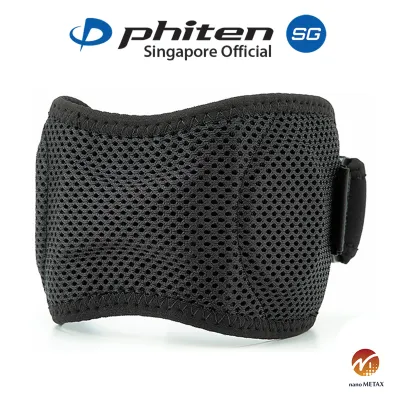
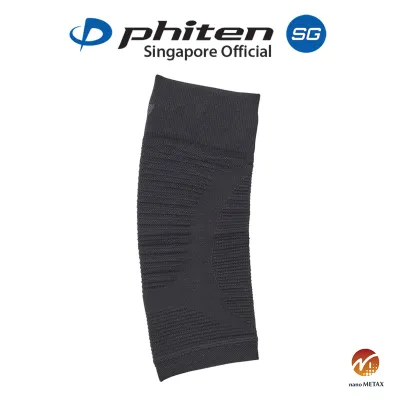
Prices are valid at publication and may change. Please refer to the product page for the latest price.
Matching the Format to Your Sport and Target Area
Selecting the ideal accessory format requires a clear understanding of how your sport’s movement range, impact levels, and equipment requirements interact with your body. Dynamic sports with high-velocity movements demand accessories that stay secure without restricting your natural range of motion. Conversely, contact sports or activities requiring specialized gear, such as helmets or harnesses, introduce physical boundaries that can make certain formats uncomfortable or even hazardous. By analyzing these variables, you can determine which physical design provides the best balance of support, safety, and convenience.

Tape for Targeted, Flexible Application
Adhesive tape is the most versatile format for athletes who require highly localized support without sacrificing their natural range of motion. This format is particularly beneficial for complex joints like the shoulder, wrist, or ankle, where multi-directional movement is critical for performance. Because the tape is cut and applied directly to the skin, it conforms precisely to your anatomy, making it an excellent choice for sports like badminton, tennis, or gymnastics where bulky braces would restrict quick, agile movements.
Successful application of the tape requires careful skin preparation to ensure reliable adhesion, especially in warm, humid climates where heavy sweating is common. Shaving or trimming hair, cleaning the area with rubbing alcohol, and applying the tape at least thirty minutes before physical activity can significantly improve its staying power. When removing the tape, pulling it gently in the direction of hair growth while supporting the skin helps prevent irritation and micro-tears. This format is highly favored in sports with strict uniform regulations, as it can be applied discreetly under clothing or matching team gear.
Necklaces for Continuous, Low-Profile Wear
The necklace format is designed for athletes seeking a low-profile, non-restrictive accessory that can be worn continuously throughout the day, including during low-impact training and recovery periods. Positioned around the neck, this format does not require adhesives or physical compression, making it highly comfortable for long-term wear. It is particularly popular among runners, golfers, and cyclists who appreciate an accessory that does not interfere with limb movement or joint articulation.
However, athletes must evaluate whether a necklace interferes with their sport-specific safety gear or apparel. For instance, sports requiring tight collars, chest protectors, or specialized helmets may cause friction against the necklace, leading to discomfort or skin chafing. Safety is paramount: always check if the necklace clasp features a quick-release or breakaway design to prevent choking hazards during high-contact activities. If your sport involves direct physical contact or the risk of snagging, it is safest to remove the necklace entirely during play and wear it solely during off-field recovery.
Sleeves for Joint Coverage and Compression
Sleeves are engineered to provide broad physical coverage, mild compression, and thermal retention over major hinge joints like the knees and elbows. This format is highly suitable for sports that subject these joints to repetitive stress or impact, such as weightlifting, basketball, or distance running. The elastic knit fabric helps keep the joint warm, absorbs sweat, and offers a physical barrier against minor abrasions or turf burn on the court.
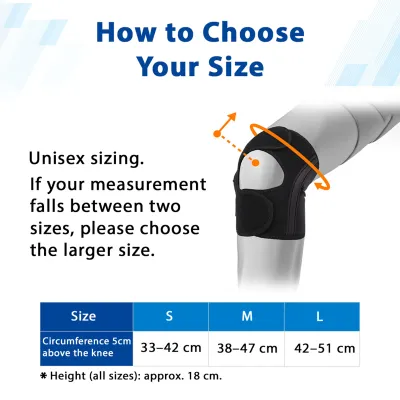
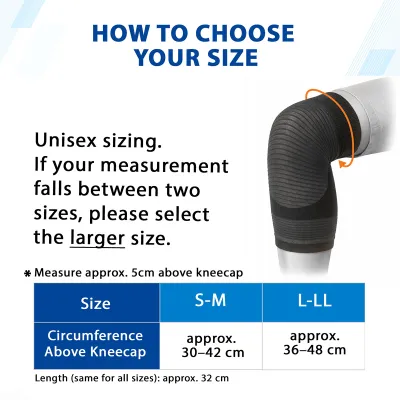
When choosing a sleeve, obtaining an accurate fit is critical to ensure both safety and comfort. You should measure the circumference of your joint at the points specified by the manufacturer’s sizing chart rather than guessing based on standard clothing sizes. A sleeve that is too tight can restrict blood flow, cause numbness, or pinch the skin, while a sleeve that is too loose will slip down during movement, rendering it ineffective. Properly sized sleeves should feel snug and supportive without restricting your natural circulation or joint mobility.
Practical Considerations for Active Use and Maintenance
Managing sweat and moisture is a primary consideration for athletes using these accessories in active environments. Adhesive tape can lose its grip when saturated with heavy perspiration, meaning you may need to replace it more frequently during intense training blocks. Sleeves, while excellent at absorbing sweat, require regular washing to prevent the buildup of bacteria, odors, and salt crystals that can degrade the elastic fibers over time. Necklaces made of silicone or elastomer are the easiest to maintain, as they can be quickly wiped down or rinsed after a workout.
Skin health should be monitored closely regardless of the format you choose. The acrylic adhesives used in tapes can occasionally cause redness or irritation, especially if worn for multiple consecutive days or removed too aggressively. Sleeves can cause chafing in the folds of the elbow or knee if sweat accumulates, making it important to wash the skin and allow it to dry completely after use. If you notice persistent redness, itching, or skin breakdown, discontinue using the accessory immediately.
Recognizing when to replace your gear is essential for maintaining its physical benefits. Sleeves will gradually lose their elasticity and compression over time, especially with frequent washing and stretching. If a sleeve begins to slip during a workout or feels noticeably looser, it is time to replace it. Similarly, if the necklace cord becomes frayed, the clasp loses its secure hold, or the tape fails to adhere even to clean, dry skin, these are clear indicators that the materials have reached the end of their functional lifespan.
Verifying Fit and Following Manufacturer Guidelines
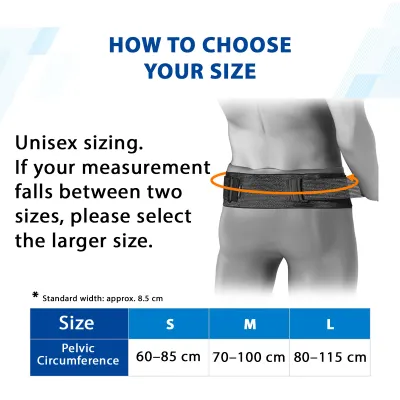
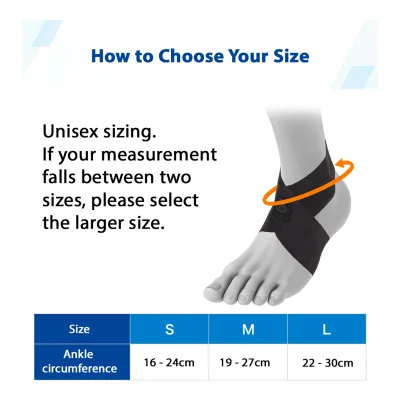
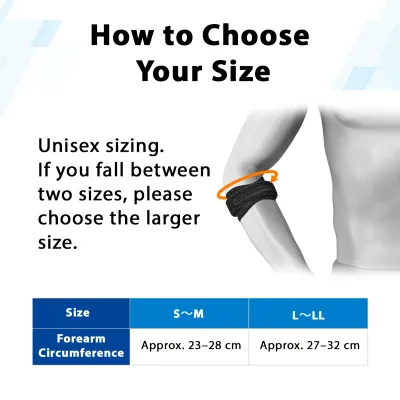
To ensure a safe and comfortable experience, always cross-reference your measurements with the manufacturer’s official sizing charts and application guidelines before purchasing or wearing any Phiten Metax product. Because sizing standards can vary between different product lines and formats, relying on a previous size or a different brand’s chart can lead to an improper fit. Taking the time to measure accurately ensures the accessory performs as intended without causing physical discomfort.
Before starting any high-intensity workout or competition, perform a brief pre-activity check during your warm-up routine. Move through your full range of motion to verify that the tape, necklace, or sleeve remains securely in place without slipping, bunching, or pinching. Pay close attention to any early signs of restricted circulation, such as cold fingers or toes, tingling, or a throbbing sensation, which indicate that a sleeve is too tight or tape has been applied with excessive tension.
Establish clear stop conditions for your active wear. Remove the accessory immediately if you experience sharp joint pain, skin irritation, numbness, or any signs of circulatory restriction. These products are designed to support your active lifestyle, but they cannot replace proper athletic training, physical conditioning, or professional medical advice. If you experience persistent joint instability or chronic pain, consult a qualified sports medicine professional to address the underlying issue.
Frequently Asked Questions (FAQ)
Can I wear Phiten Metax tape and a sleeve at the same time?
Yes, it is physically possible to wear both formats simultaneously, but you must exercise caution to protect your skin. Applying adhesive tape directly underneath a compression sleeve can increase friction and trap moisture, significantly rising the risk of skin irritation, chafing, or adhesive burns. If you choose to combine them, ensure the tape is fully dry and flat before sliding the sleeve over it, and monitor your skin closely for any discomfort.
How do I clean the Metax sleeve after intense workouts?
To preserve the elasticity and structural integrity of your sleeve, hand-wash it in cold water using a mild detergent. Avoid using bleach or fabric softeners, as these chemicals can break down the synthetic fibers and elastic components. After washing, gently squeeze out excess water without wringing the fabric, and lay it flat or hang it to air dry away from direct sunlight and high heat sources like dryers.
Community discussion
Share your experience or ask a question. Comments are reviewed before publication.