
Kinesiology tape is a familiar sight across Singapore’s active spaces, from the running paths of East Coast Park to the badminton courts of local community clubs. Athletes of all levels use these elastic adhesive strips to manage muscle fatigue, support joints, and facilitate recovery. When shopping for tape, you are likely to encounter two distinct paths: standard kinesiology tape and premium alternatives like Phiten tape.
This price and feature gap leaves many athletes wondering if the premium cost of Phiten tape delivers a genuine performance advantage. While standard tapes are highly accessible, Phiten positions itself as a specialized wellness product utilizing proprietary materials. Understanding the differences in construction, performance, and cost is essential to making an informed decision for your training regimen.
The Short Answer: Is Phiten Tape Worth the Extra Cost?
Regular kinesiology tape provides the essential mechanical support, elasticity, and skin-lifting benefits required for most athletic and recovery needs. If your primary goal is to structurally support a joint, manage muscle movement, or encourage lymphatic drainage, high-quality regular tape is the most practical and cost-effective option. It delivers the same physical and mechanical benefits as premium alternatives at a fraction of the cost per application.
Products mentioned in this guide
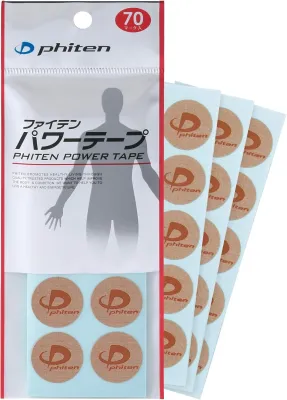
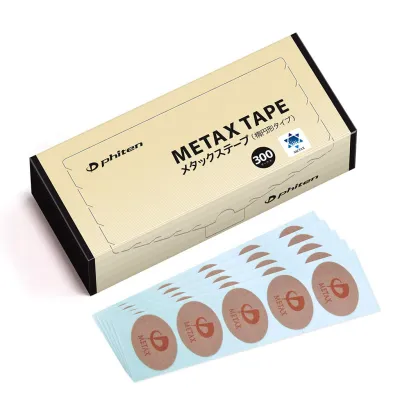
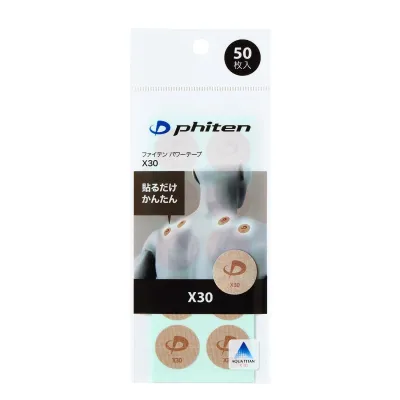
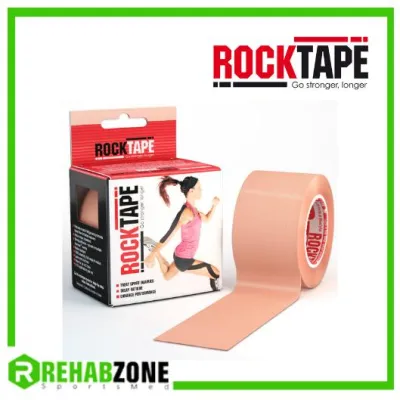
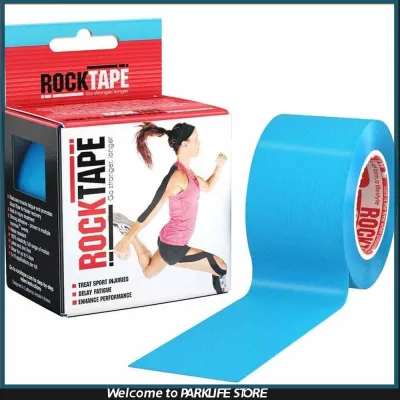
Prices are valid at publication and may change. Please refer to the product page for the latest price.
Phiten tape’s premium pricing is driven by its proprietary material infusions, such as Aqua Titanium or Aqua Carbon, rather than a superior mechanical design. These infusions are intended to offer subjective comfort, localized relaxation, and a gentler skin-feel. For athletes who experience skin sensitivity to standard adhesives, prefer a softer fabric texture, or find personal value in Phiten’s proprietary technology, the extra cost may be justified. However, for budget-conscious individuals seeking standard athletic support, regular kinesiology tape remains the superior value choice.
Material and Technology: What Actually Sets Phiten Apart?
To evaluate the premium price of Phiten tape, it is necessary to examine the physical composition of both options. High-quality regular kinesiology tapes are constructed from a blend of premium cotton or synthetic fibers woven with elastic polyurethane threads. This weave allows the tape to stretch along its longitudinal axis while remaining rigid horizontally. The adhesive backing typically consists of a hypoallergenic, acrylic-based compound applied in a wave-like pattern to facilitate breathability and moisture evaporation.

Phiten tape shares this fundamental physical structure but introduces a proprietary manufacturing step. The brand infuses its fabrics with carbonized or liquefied metals, most notably Aqua Titanium, Aqua Gold, or Aqua Carbon. According to Phiten, these metals are broken down into microscopic particles suspended in water, allowing them to be thoroughly embedded into the tape’s fibers. The brand posits that these metal nanoparticles help stabilize the body’s natural bio-electric currents, thereby reducing localized muscle tension and promoting a state of physical relaxation.
In contrast, regular kinesiology tapes operate purely on biomechanical principles. They do not contain any active chemical ingredients or metal infusions. Instead, the therapeutic effect relies entirely on the mechanical interaction between the elastic tape and your skin. When applied with the correct tension, the tape recoils slightly, lifting the epidermis away from the underlying muscle tissue and fascia. This lifting action creates microscopic space, which helps reduce pressure on pain receptors, facilitates localized blood circulation, and promotes lymphatic drainage.
The scientific evidence supporting these two approaches differs significantly. The mechanical lifting mechanism of standard kinesiology tape is well-researched and widely accepted within sports physiotherapy as an effective adjunct tool for pain management and joint awareness. Conversely, the physiological benefits of metal-infused fabrics remain a subject of active debate, with limited independent, peer-reviewed clinical studies confirming their systemic efficacy. Consequently, the decision to invest in Phiten’s technology is largely a matter of personal preference, subjective comfort, and trust in the brand’s proprietary processes.
On-Field Performance: Adhesion, Stretch, and Durability
When evaluating sports gear in Singapore, local climate conditions play a decisive role in performance. The high humidity and year-round heat mean that any adhesive product faces immediate challenges from sweat, friction, and moisture. Premium regular kinesiology tapes, particularly those designated as “extra sticky,” “sport,” or “waterproof,” are specifically engineered with heavy-duty acrylic adhesives. These formulations are designed to maintain their bond during high-intensity, high-sweat activities such as outdoor trail running or competitive football.
Phiten tape takes a slightly different approach to adhesion, prioritizing a gentle, skin-friendly profile. While it features reliable adhesive qualities, it is generally formulated to minimize skin irritation and pulling. This makes Phiten exceptionally comfortable to wear and easy to remove, but it may peel earlier than specialized heavy-duty regular tapes under extreme, high-sweat conditions. If you are participating in long-distance endurance events in humid conditions, a high-adhesion regular tape may offer more reliable longevity.
In terms of elasticity and mechanical recoil, both tape categories perform similarly. High-quality standard tapes and Phiten tapes are designed to stretch between 130% and 140% of their resting length. This level of elasticity is engineered to match the natural stretch of human skin, ensuring that the tape supports your muscles without restricting your natural range of motion. The physical lifting effect achieved on the skin is virtually identical across both options when applied using proper tension and technique.
The overall wear time for both types of tape typically ranges from 3 to 5 days, though actual durability depends heavily on preparation rather than the brand name itself. Factors such as skin cleanliness, the presence of body hair, and the application technique—such as rounding the corners of the tape to prevent them from catching on clothing—are the primary drivers of longevity. While Phiten tape is highly regarded for its soft, comfortable fabric feel against the skin, heavy-duty regular tapes often hold up better during repeated exposure to water and rigorous movement.
Price Breakdown: Calculating the Real Cost per Use
Analyzing the financial commitment is a crucial step in determining whether Phiten tape is a practical addition to your athletic gear. In the Singapore market, pricing varies depending on where you purchase your supplies, but a clear hierarchy exists between standard and premium products. A standard roll of high-quality regular kinesiology tape, typically measuring 5 meters by 5 centimeters, generally costs between S$12 and S$22 at local sports retailers, pharmacies, and online marketplaces.
In comparison, a standard roll of Phiten Titanium Tape of the same dimensions typically retails between S$28 and S$48. This price can fluctuate depending on the specific product line and the concentration of the titanium infusion, such as the X30 or X100 variants. Pre-cut strips and specialized patches from both categories follow a similar pricing structure, with Phiten products consistently demanding a premium of two to three times the cost of standard alternatives.
To understand the long-term financial impact, it is helpful to calculate the cost per individual application. A typical application for a knee, shoulder, or calf requires approximately 30 to 50 centimeters of tape, meaning a standard 5-meter roll yields roughly 10 to 15 applications. Using a high-quality regular tape, each application costs approximately S$0.80 to S$1.80. If you opt for Phiten tape, the cost per application increases to roughly S$2.00 to S$4.80. For an athlete who tapes multiple times a week, this difference can quickly add up to a substantial monthly expense.
The premium price of Phiten tape is essentially a reflection of manufacturing complexity and brand positioning. The extra cost covers the proprietary metal-liquefaction processes, specialized packaging, international brand heritage, and the specific soft-touch feel of their fabrics. If you are new to kinesiology taping, a practical strategy is to start with a high-quality regular tape. This allows you to practice application techniques and assess the benefits of mechanical support before deciding if you want to invest in the premium features of Phiten.
How to Choose: Which Tape Fits Your Athletic Needs?
Selecting the right tape depends on your specific athletic goals, budget constraints, and physical sensitivities. Both options have distinct advantages that cater to different types of users.
Choose Regular Kinesiology Tape if:
- You require reliable mechanical support: Your primary need is structural joint stability, muscle alignment, or swelling management during training and recovery.
- You are on a strict budget: You apply tape frequently or require extensive multi-strip applications that would make premium options financially unsustainable.
- You engage in high-sweat activities: You train in high-humidity environments or participate in water sports where maximum adhesive strength is required.
- You prioritize multi-day durability: You need the tape to remain firmly in place through multiple intense training sessions and showers without peeling.
Choose Phiten Tape if:
- You have highly sensitive skin: You frequently experience redness, itching, or allergic reactions to standard acrylic adhesives and require a gentler formula.
- You prefer a lighter, softer feel: You find standard kinesiology tapes to be too restrictive or heavy, and you prefer a fabric that moves effortlessly with your skin.
- You value proprietary metal infusions: You have personally experienced positive results from Phiten's titanium or carbon technologies and trust the brand's wellness philosophy.
- Budget is not a primary constraint: You are comfortable paying a premium for specialized comfort, brand heritage, and premium packaging.
Verify First if:
- You are treating an acute injury: Kinesiology tape is an auxiliary support tool, not a medical cure or a replacement for professional rehabilitation.
- You are unsure of application techniques: If you are dealing with a specific injury or chronic pain, consult a qualified physiotherapist in Singapore. A professional can provide an accurate diagnosis, guide your recovery, and demonstrate the correct, anatomically precise taping methods for your specific condition.
Safe Application and Skin Sensitivity Checks
Proper application and removal techniques are essential to ensure the tape performs effectively and to protect your skin from irritation. Before applying any tape, prepare the skin by washing the area with mild soap and water or using an alcohol wipe. This step removes natural body oils, sweat, dirt, and any applied lotions or sunscreens that could compromise the adhesive. Ensure the skin is completely dry before application, and consider trimming dense hair in the target area to improve adhesion and make removal more comfortable.
Performing a patch test is a critical safety measure for anyone using a new brand of tape, especially those with sensitive skin. Apply a small, two-inch strip of the tape to a neutral, hairless area of skin, such as your inner forearm, and leave it in place for 24 hours. Monitor the area for any signs of contact dermatitis, including redness, itching, swelling, or a burning sensation. If any reaction occurs, remove the tape immediately, wash the area, and discontinue use of that specific product.
When it is time to remove the tape, avoid ripping it off quickly, as this can tear the upper layers of the skin and cause painful irritation. Instead, peel the tape away slowly in the direction of hair growth while pressing down on the skin behind the tape to minimize tension. To make the removal process easier, apply baby oil, mineral oil, or warm water to the tape and let it sit for a few minutes. This helps break down the acrylic adhesive, allowing the tape to glide off smoothly without damaging the skin.
Frequently Asked Questions (FAQ)
Can I use Phiten tape and regular kinesiology tape together?
While it is physically possible to layer both types of tape, doing so is generally unnecessary and can compromise the performance of both products. Kinesiology tape adhesives are specifically designed to bond directly with clean human skin, not with the fabric backing of another tape. Layering tape can lead to poor adhesion, premature peeling, and uneven tension across the target muscle group. Additionally, overlapping multiple layers can restrict your natural range of motion and apply excessive pulling forces to the skin, increasing the risk of irritation or blistering. For the best results, select the single tape type that best aligns with your goals for that specific application.
Does the color of the kinesiology tape affect its performance?
No, the color of the tape has no impact on its elasticity, adhesive strength, or mechanical performance. Manufacturers of both Phiten and regular kinesiology tapes use identical base materials and adhesive formulas across all color variations. The dyes used to color the fabric do not alter the physical properties of the tape. The choice of color is purely a matter of personal aesthetic preference, matching your team uniform, or leveraging psychological comfort during training and competition.
How long should I leave the tape on during Singapore's humid weather?
While standard guidelines often suggest that kinesiology tape can be worn for up to 5 days, Singapore’s hot and highly humid climate typically reduces this timeframe. High humidity, heavy sweating, and daily showering accelerate the breakdown of the adhesive bond and can trap moisture beneath the tape fabric. To maintain optimal hygiene, prevent skin irritation or fungal buildup, and ensure consistent mechanical support, it is recommended to replace the tape every 2 to 3 days. If the edges begin to peel or the tape becomes thoroughly saturated and fails to dry quickly, remove it promptly, clean the skin, and apply a fresh piece if necessary.
Community discussion
Share your experience or ask a question. Comments are reviewed before publication.