
Whether you need specialized Pilates equipment for an effective lower back exercise routine depends entirely on your current spinal health, core strength, and fitness goals. For many people, a simple mat-based routine is highly effective for building the deep core strength required to support the lumbar spine. However, if you are recovering from an injury, suffer from severe core weakness, or struggle with body awareness, specialized Pilates apparatuses like the Reformer or Cadillac offer unique mechanical advantages that mat work cannot replicate.
Assess Your Lower Back Condition and Safety Boundaries
Before starting any physical routine to address lower back discomfort, you must determine the nature of your condition. Lower back issues fall along a broad spectrum, ranging from mild muscular stiffness caused by sedentary lifestyles to complex clinical pathologies. For instance, the postural fatigue experienced by office professionals sitting for long hours in Singapore’s commercial districts is fundamentally different from a structural spinal injury. Muscular tightness often responds well to gentle movement and progressive strengthening, whereas structural issues require a highly specialized, cautious approach.
Identifying specific warning signs is critical to preventing further injury. If you experience sharp, shooting, or radiating pain that travels down your glutes or legs (often indicative of sciatica), or if you feel numbness, tingling, or weakness in your lower extremities, you must seek professional medical clearance immediately. Diagnosed spinal conditions, such as herniated discs, spondylolisthesis, or spinal stenosis, require direct supervision from an orthopaedic specialist or physiotherapist. Neither a Pilates mat nor a specialized Pilates reformer can replace professional medical diagnosis or clinical treatment.
Products mentioned in this guide
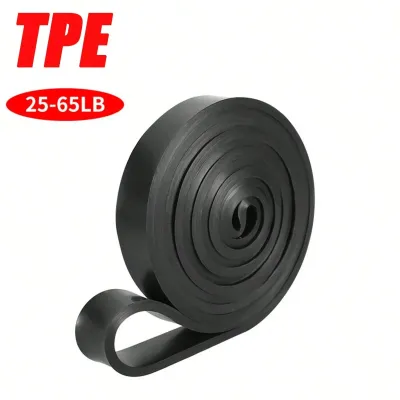
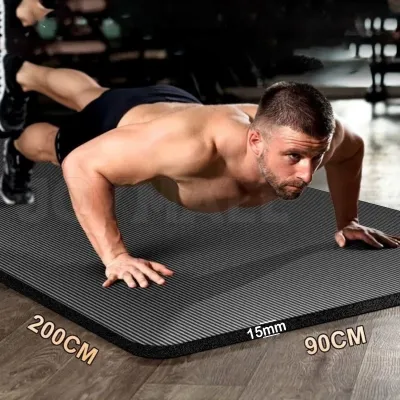
Prices are valid at publication and may change. Please refer to the product page for the latest price.
When starting any exercise program, establishing firm personal boundaries is your most important safety measure. A fundamental rule of spinal rehabilitation is that exercise should never cause sharp, shooting, or worsening pain. While mild muscular fatigue or a gentle stretch is normal, any discomfort that feels localized in the joints or radiates outward is a clear signal to stop. If you experience these symptoms, cease the movement immediately and consult a healthcare professional to evaluate your alignment and technique.
The Real Effectiveness of Mat-Based Lower Back Exercises
Mat-based Pilates is an exceptionally accessible and highly effective method for maintaining general lower back health and building core stability. The primary benefit of mat work lies in its focus on deep local stabilizers, specifically the transversus abdominis (the deepest layer of abdominal muscle) and the multifidus (the small muscles running along the spine). By learning to activate these muscles against gravity, you build a natural corset that stabilizes the pelvis and protects the lumbar spine from daily shear forces. Because mat work requires no specialized gear other than a supportive surface, it is a highly cost-effective and practical option for home workouts.

Despite these benefits, mat-based exercises have distinct physical limitations, especially for individuals with existing back pain or compromised core strength. On a flat mat, you must support the full weight of your limbs against gravity without any external assistance. If your deep core muscles are weak, your body will naturally recruit stronger, superficial muscles to complete the movement. This often leads to hip flexor dominance or excessive arching of the lower back, which can compress the lumbar vertebrae and worsen existing pain. Furthermore, scaling the resistance downward on a mat is incredibly difficult; you cannot easily make your legs or torso lighter than they actually are.
To enjoy the benefits of mat work safely, you should focus on low-risk, closed-kinetic-chain movements that emphasize pelvic stability:
- Pelvic Tilts: Lying on your back with knees bent, gently rock your pelvis to flatten your lower back against the mat. This isolates the deep abdominals and teaches pelvic control without placing stress on the lumbar discs.
- Bird-Dog: On hands and knees, extend one arm and the opposite leg while keeping the torso completely still. This strengthens the posterior chain and gluteal muscles while training the core to resist rotational forces.
- Dead Bugs: Lying on your back with arms raised and knees at ninety degrees, slowly lower opposite limbs toward the floor. This builds anterior core strength and teaches pelvic stability during limb movement.
When Pilates Equipment Becomes a Necessary Investment
While mat work is excellent for general maintenance, specialized Pilates equipment becomes a necessary investment when your body requires precise mechanical assistance or progressive loading. The defining feature of Pilates apparatuses, such as the Reformer or Cadillac, is their use of spring-based resistance. Unlike free weights or cable machines, springs provide a unique tension profile: the resistance is lightest at the beginning of the movement and increases as the spring stretches. This matches the natural strength curve of human muscles and allows for joint-friendly loading that minimizes sudden impact on the lower back.
Furthermore, the mechanical design of Pilates equipment provides unparalleled physical support and tactile feedback. On a Reformer, the gliding carriage supports the weight of your torso, allowing you to perform leg and hip movements without having to fight gravity to keep your spine in alignment. The overhead springs on a Cadillac or Tower can actually assist you, making your limbs feel lighter and reducing the load on your core. This external support is incredibly valuable for individuals undergoing rehabilitation, those with poor proprioception (body awareness), or beginners who lack the foundational strength to maintain a neutral spine on a flat mat.
Another major advantage of Pilates equipment is its ability to facilitate safe spinal decompression and assisted stretching. In a studio setting, an instructor can configure straps and springs to gently pull the pelvis away from the ribcage, creating traction that relieves pressure on compressed lumbar discs. This decompression is incredibly difficult to achieve safely on a standard floor mat. By using the rigid frames, bars, and springs of the equipment, you can stretch tight hip flexors, hamstrings, and lower back muscles while keeping your spine fully supported and stable.
Decision Guide: Mat, Studio Classes, or Home Equipment?
Choosing the right path requires balancing your physical needs, budget, and living space. In Singapore, where residential space in HDB flats or condominiums is often limited, purchasing large-scale Pilates equipment is a major structural and financial decision. To help you determine the most appropriate approach, consider the following diagnostic scenarios:
| Scenario | Recommended Approach | Cost Profile (SGD) | Space & Practicality |
|---|---|---|---|
| Scenario A: Mild stiffness, postural fatigue, good baseline core strength, general wellness goals. | Mat-based home routine or general mat classes. | S$20 to S$100 for a quality mat; low ongoing cost. | Highly practical; easily fits in any living room and rolls up for storage. |
| Scenario B: Post-injury rehabilitation, severe core weakness, poor body awareness, chronic back pain. | Studio classes with a certified instructor or clinical physiotherapist. | S$30 to S$150+ per session; high ongoing investment. | No home space required; relies entirely on professional studio facilities. |
| Scenario C: Advanced practitioner, consistent routine, needs progressive overload, cleared by a professional. | Home Reformer or specialized compact equipment. | S$1,500 to S$6,000+ upfront purchase price. | Requires dedicated floor space; must measure room dimensions carefully. |
If you fall into Scenario A, focusing on a consistent mat-based routine is highly effective and financially practical. You do not need to spend thousands of dollars on machinery when bodyweight exercises can successfully build the core strength you need.
For those in Scenario B, investing in professional studio sessions is the safest and most effective choice. Attempting to use specialized equipment at home without an instructor’s guidance can lead to improper form, incorrect spring settings, and a high risk of re-injury. A certified instructor or clinical physiotherapist can monitor your alignment in real-time, adjust the equipment to match your daily pain levels, and ensure you are recruiting the correct muscles.
If you fit Scenario C, purchasing a home Reformer can be a rewarding investment that provides long-term convenience. However, you should only make this purchase after mastering the exercises in a studio setting. Operating a Reformer requires an intimate understanding of spring tensions, carriage alignment, and safety protocols. Buying expensive home equipment without this baseline knowledge is highly discouraged, as incorrect setup can easily exacerbate back issues.
How to Start Safely and Progress Your Routine
Regardless of the path you choose, starting safely requires a disciplined focus on alignment and control rather than intensity. If you are beginning with a mat-based routine, your first step is to master diaphragmatic breathing and identify your neutral spine position. Practice engaging your deep core by gently drawing your belly button toward your spine without holding your breath or tilting your pelvis. Only after you can maintain this stable foundation should you progress to basic pelvic tilts and static core bracing, gradually adding arm or leg movements as your strength improves.
If you decide to utilize Pilates equipment, your first step should always be to book an introductory session at a reputable studio. When you arrive, communicate your complete back health history, past injuries, and current physical limits clearly to the instructor. Opt for private or semi-private sessions initially; the highly personalized attention ensures that your alignment is corrected immediately, which is crucial when working with spring-loaded carriages. Always check the manufacturer’s manual for any home equipment you purchase to verify weight limits, proper spring maintenance, and correct setup procedures. Prioritize strict form and spinal stability over a large range of motion or heavy spring resistance.
Frequently Asked Questions (FAQ)
Can Pilates equipment cure chronic lower back pain?
Pilates equipment is an excellent tool for managing, strengthening, and improving mobility, but it is not a medical cure for chronic lower back pain. If your pain stems from muscular imbalances, poor posture, or general core weakness, a structured Pilates routine can significantly alleviate symptoms by redistributing mechanical loads. However, if your pain is caused by structural, inflammatory, or neurological issues—such as a severely herniated disc or spinal stenosis—Pilates cannot cure the underlying condition. Such cases require targeted medical treatment and clinical physical therapy.
Is a thick yoga mat enough for beginner lower back exercises?
A standard Pilates or slightly thick yoga mat (around 4mm to 6mm) is generally sufficient for beginner lower back exercises. The mat should provide enough cushioning to protect your spine and hips from hard floors while remaining firm enough to support your balance. Avoid excessively thick, soft, or spongy mats (such as those over 15mm designed purely for stretching), as they can destabilize your pelvis, spine, and wrists during weight-bearing or balancing movements, making it harder to maintain proper alignment.
Should I buy a home Reformer for back rehabilitation?
You should not purchase a home Reformer for back rehabilitation without first completing a supervised program under a certified instructor or physical therapist. Rehabilitating a back injury requires precise adjustments to spring tension, strap length, and carriage positioning that must be tailored to your specific injury. Setting up the machine incorrectly or executing movements with poor form can easily worsen your condition. Invest in professional studio instruction first, and only transition to a home Reformer once you are fully cleared and independent.
Community discussion
Share your experience or ask a question. Comments are reviewed before publication.