
Selecting the ideal Pilates mat in Singapore requires balancing your physical needs, your practice environment, and the local climate. With a vast array of options available in retail stores across Orchard Road and major online marketplaces, finding the right mat can feel overwhelming. Rather than searching for a single, universally superior mat, your goal should be to find the specific combination of material, thickness, and density that supports your unique body and routine.
For those practicing classical mat Pilates, which involves significant rolling and spinal articulation, a thicker, high-density mat is essential to prevent bruising on hard surfaces. If you primarily attend reformer-based classes or need a mat for studio commutes on the MRT, a thinner, highly portable option with exceptional grip becomes the priority. Budget-conscious practitioners can find excellent durability in synthetic materials, while those prioritizing sustainability and natural traction will find superior performance in premium natural rubber or cork.
To make an informed investment, you must look past marketing buzzwords and evaluate three core dimensions: material performance under humid conditions, physical thickness versus structural density, and long-term cost-per-use value. This guide compares these critical factors to help you select a mat that enhances your practice and withstands Singapore’s tropical climate.
Products mentioned in this guide
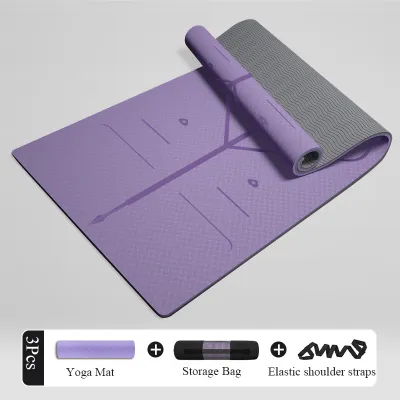
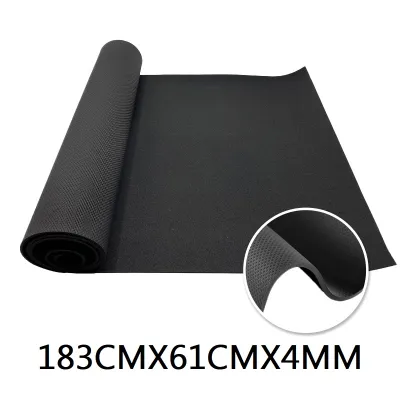
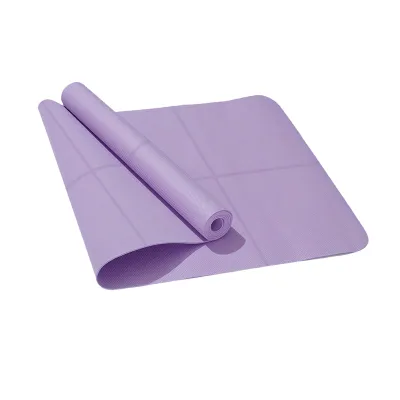
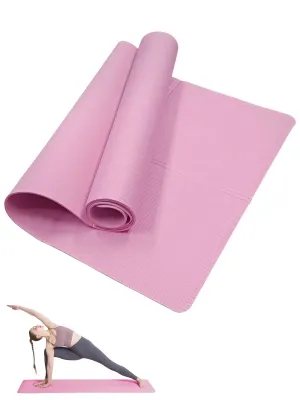
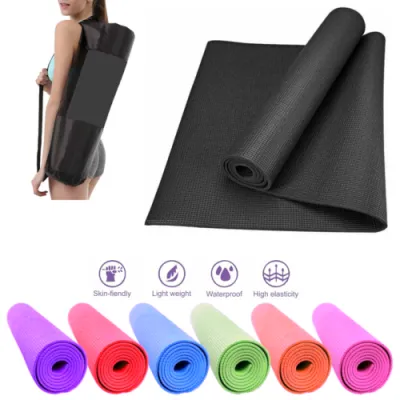
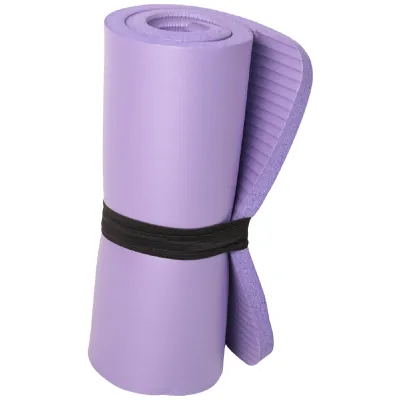
Prices are valid at publication and may change. Please refer to the product page for the latest price.
Comparing Pilates Mat Materials: Grip, Durability, and Eco-Impact
The material of your Pilates mat dictates almost every aspect of its performance, including how much you slip during a sweaty session, how heavy it is to carry, and how long it will last before crumbling or stretching. In Singapore’s high-humidity environment, material selection also directly impacts hygiene, as some materials naturally resist moisture while others absorb it.
PVC (Polyvinyl Chloride)
Polyvinyl Chloride, commonly known as PVC, is the traditional standard for high-durability exercise mats. PVC mats feature a closed-cell structure, meaning they do not absorb liquid, sweat, or bacteria. This makes them incredibly easy to clean and highly hygienic for humid climates, as moisture stays on the surface rather than seeping into the core of the mat.
While PVC offers unmatched longevity and resistance to tearing, its slick, non-porous surface can become slippery when wet. If you tend to sweat during intense core workouts, you will likely need to pair a PVC mat with a microfiber towel to maintain your grip. Additionally, traditional PVC is not biodegradable, making it a less appealing choice for environmentally conscious practitioners, though some modern manufacturers now offer certified emissions-free PVC options.
TPE (Thermoplastic Elastomer)
Thermoplastic Elastomer, or TPE, is a synthetic blend that serves as a lightweight, eco-friendly alternative to PVC. TPE mats are typically hypoallergenic, free from toxic phthalates, and fully recyclable at the end of their lifespan. They provide a soft, velvety texture that feels comfortable against the skin, making them popular for gentle floor work.
Because TPE is exceptionally lightweight, it is an excellent option for those who frequently transport their mats to local fitness studios. However, TPE is generally less durable than high-grade PVC or natural rubber. Under heavy daily use or exposure to high heat, such as being left in a hot car trunk in Singapore, TPE can degrade, stretch, or lose its structural rebound over time.
Natural Rubber and Cork
Natural rubber and cork represent the premium, sustainably sourced tier of the market. Natural rubber mats are harvested from rubber trees and offer an open-cell structure that provides unparalleled dry and wet grip. This material naturally clings to the floor, ensuring your mat will not slide during dynamic movements like mountain climbers or plank variations.
Cork mats feature a natural cork top surface backed by a natural rubber base. Cork contains suberin, a waxy substance that actually becomes grippier when exposed to moisture, making it outstanding for hot Pilates sessions. Both materials are highly biodegradable and free from synthetic chemicals. The primary trade-offs are weight and maintenance: natural rubber mats are significantly heavier than synthetic alternatives and require dedicated, oil-free cleaning routines to prevent the natural fibers from breaking down.
| Material Type | Grip Level | Weight | Durability | Eco-Friendliness | Care Requirement |
|---|---|---|---|---|---|
| PVC | Moderate (Slippery when wet) | Moderate to Heavy | High | Low | Low (Wipe clean) |
| TPE | Moderate to High | Very Light | Moderate | High | Moderate (Avoid heat) |
| Natural Rubber | Very High | Heavy | High | Very High | High (Specialized cleaners) |
| Cork | High (Improves with sweat) | Heavy | Moderate to High | Very High | Moderate (Air dry thoroughly) |
Thickness and Density: Finding the Right Balance for Joint Support
A common mistake is assuming that any exercise mat can double as a Pilates mat. Pilates exercises place a heavy emphasis on spinal rolling, kneeling, and side-lying positions, such as the Open Leg Rocker or the Side Kick Series. Performing these movements on a hard floor requires substantial cushioning to protect your spine, tailbone, knees, and hips from painful pressure points.

While standard yoga mats typically range from 3mm to 5mm in thickness to keep practitioners close to the floor for standing balance, dedicated Pilates mats are generally thicker, ranging from 6mm to 15mm. This extra thickness provides the necessary shock absorption for rolling movements. However, thickness alone does not guarantee comfort; you must also consider the mat’s density.
Density refers to how tightly packed the material is within that thickness. A thick mat with low density, such as cheap, pillowy foam mats, will instantly compress to the floor under your body weight, offering virtually no joint protection despite its visual thickness. Furthermore, low-density mats create an unstable, squishy surface that makes kneeling or standing balance exercises incredibly difficult, as your ankles and wrists sink continuously into the material.
To evaluate density before purchasing, perform the “press test.” Press your thumb firmly into the center of the mat. A high-density mat will resist deep compression and rebound almost instantly once you release the pressure. If your thumb easily sinks to the floor or leaves a lasting indentation, the mat lacks the structural integrity required for a safe and supportive Pilates practice. For home use on tiled or hardwood floors, aim for a high-density mat that is at least 8mm to 10mm thick. If you practice on carpeted floors or prioritize portability, a high-density 6mm mat will suffice.
Evaluating Price and Value: What Drives the Cost?
When shopping for a Pilates mat in Singapore, you will encounter a wide price spectrum. Understanding what drives these price differences allows you to look past brand marketing and identify where your money is actually going. Generally, the market can be divided into three broad price tiers.
- Budget Tier (Under S$40): These mats are typically made of low-density NBR (Nitrile Butadiene Rubber) foam or basic PVC. While highly affordable, they tend to stretch during planks, slide on smooth floors, and compress permanently within a few months of regular use. They are best suited for beginners testing the waters or occasional home stretching.
- Mid-Range Tier (S$40 to S$100): This tier features high-quality TPE mats, reinforced closed-cell PVC, and entry-level natural rubber blends. These mats offer a balanced combination of reliable grip, decent density, and improved durability, making them the sweet spot for regular home and studio practitioners.
- Premium Tier (Over S$100): Premium mats are constructed from sustainably harvested natural rubber, high-grade cork, or specialized polyurethane (PU) top layers. These mats feature exceptional high-density construction, superior wet grip, and long-term durability. They are designed to withstand years of daily, intense practice without flaking, stretching, or losing their cushioning.
To assess the true value of a mat, calculate its long-term cost-per-use rather than focusing solely on the upfront price. A budget S$30 mat that loses its support and needs replacement every six months costs S$120 over two years. Conversely, a premium S$120 high-density mat that remains structurally sound for four or five years represents a far better long-term investment.
When you are ready to purchase, verify current pricing, color availability, and shipping fees directly on official brand websites or through authorized local sports distributors. Purchasing from authorized channels also ensures you receive a genuine product warranty, which is particularly valuable for premium rubber mats that can occasionally feature manufacturing variations.
The Decision Framework: Which Mat Should You Buy?
To finalize your decision, match your specific physical needs, lifestyle, and practice habits to the correct category of mat. Use the following scenario-based framework to guide your purchase.
Choose a thick, high-density PVC or TPE mat if:
- You suffer from sensitive joints, a prominent tailbone, or knee pain during kneeling exercises.
- Your routine consists almost entirely of floor-based classical mat Pilates at home.
- You want a low-maintenance mat that is easy to wipe clean and does not require complex washing routines.
- You prefer a lighter mat that is easy to roll up and store in a small apartment closet.
Choose a natural rubber or cork mat if:
- You prioritize eco-friendly, biodegradable, and non-toxic materials in your home.
- You experience sweaty hands and feet and need maximum traction to prevent slipping during planks and lunges.
- You do not mind a heavier mat and plan to keep it in a dedicated home workout space rather than commuting with it.
- You want a highly durable mat that will retain its density and shape for several years of daily use.
Choose a travel-friendly, thinner mat if:
- You regularly commute to Pilates studios via public transport and need a lightweight mat that fits easily into a carrying strap or bag.
- You frequently practice reformer Pilates and want a thin, grippy hygienic barrier to lay over the studio's carriage.
- You prioritize standing balance and stability over maximum cushioning for rolling movements.
Verify first if:
- You have latex allergies: If you have a known sensitivity to latex, you must avoid natural rubber mats and check product specifications carefully to ensure you select a synthetic alternative like TPE or medical-grade PVC.
- Your studio has restrictions: Some boutique Pilates and yoga studios in Singapore have specific rules regarding mat thickness or material types allowed on their floors or reformer machines. Check their guidelines before bringing your own equipment.
Daily Care and Storage to Extend Mat Lifespan
Once you have invested in a quality Pilates mat, proper maintenance is essential to protect its structural integrity and hygiene, especially given Singapore’s humid climate which can foster mold and bacteria growth.
After every session, perform a quick routine clean. Wipe down the surface of your mat with a soft microfiber cloth dampened with warm water and a tiny drop of mild, non-oil-based dish soap. Avoid using harsh chemical sprays, bleach, or alcohol-based wipes, as these can strip the protective finish of PVC, degrade the elasticity of TPE, and dry out natural rubber, causing it to crack and flake.
Allow your mat to dry completely before rolling it up. Lay it flat or hang it over a drying rack in a well-ventilated indoor space. Never leave your mat to dry in direct sunlight; UV rays rapidly degrade TPE and natural rubber, causing them to lose their grip and crumble. Once dry, roll the mat with the top practice surface facing outward. This prevents the corners from curling up when you unroll it for your next session. Store the rolled mat in a cool, dry place away from direct humidity and heat.
Always prioritize the manufacturer’s specific care label. Open-cell mats, such as natural rubber, require different cleaning solutions than closed-cell PVC mats. Following these precise guidelines ensures you do not accidentally void your product warranty or damage the material.
Frequently Asked Questions (FAQ)
Can I use a standard yoga mat for Pilates?
While you can physically perform Pilates movements on a standard yoga mat, it is generally not recommended for regular practice. Yoga mats are designed to be thin (usually 3mm to 5mm) and firm to provide stability during standing balance poses. Pilates, however, involves repetitive rolling movements on the spine and weight-bearing exercises on the knees and hips. The thin profile of a standard yoga mat does not offer enough cushioning to protect your joints and spine from the hard floor, which can quickly lead to discomfort or bruising.
How do I stop my new Pilates mat from slipping?
Many high-quality mats, particularly those made of natural rubber or PVC, feature a thin factory film or residue from the manufacturing process that can make them feel slippery when first unboxed. To break in your new mat, wipe it down thoroughly with a damp cloth and a mild, oil-free soap solution, then let it air dry completely. For natural rubber mats, regular use will naturally wear away the initial slickness, exposing the high-traction rubber beneath. If you need immediate slip resistance during a sweaty session, place a specialized non-slip microfiber towel over your mat to absorb moisture and secure your grip.
Community discussion
Share your experience or ask a question. Comments are reviewed before publication.