
Selecting your first pilates wheel can feel overwhelming given the variety of sizes, materials, and features available on the market. For beginners, the ideal pilates wheel should prioritize stability, safety, and comfort. This means choosing a standard 32 cm (12-inch) diameter wheel with a wide 13 cm (5-inch) profile, a high-density thermoplastic elastomer (TPE) foam exterior for reliable spinal cushioning, and a rigid acrylonitrile butadiene styrene (ABS) plastic core rated to support your body weight.
While advanced practitioners might look for specialized dimensions or high-intensity textures, novices require a predictable, supportive base. A well-chosen wheel acts as an extension of your body, helping you build core strength, improve flexibility, and master foundational poses safely. Understanding how specific technical features translate to real-world performance will help you avoid common purchasing mistakes and ensure your equipment supports your fitness journey.
Size and Width: Finding the Right Support
The physical dimensions of a pilates wheel directly influence how your body interacts with it during backbends, chest openings, and balance exercises. The standard diameter for a pilates wheel is approximately 32 cm (12 inches). This size is engineered to match the natural curvature of the average adult spine, offering a moderate arch that allows beginners to experience a deep, therapeutic stretch without overextending tight back muscles. Smaller wheels, such as those measuring 25 cm (10 inches) or 15 cm (6 inches), create a much sharper curve that requires high spinal flexibility and can cause discomfort or strain for someone just starting out.
Products mentioned in this guide
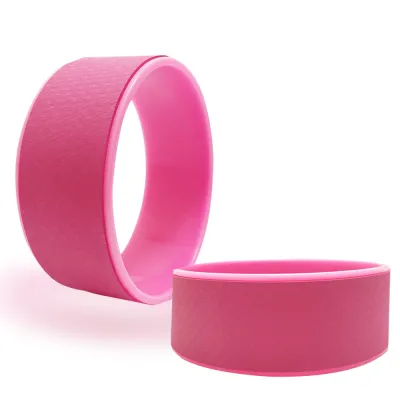
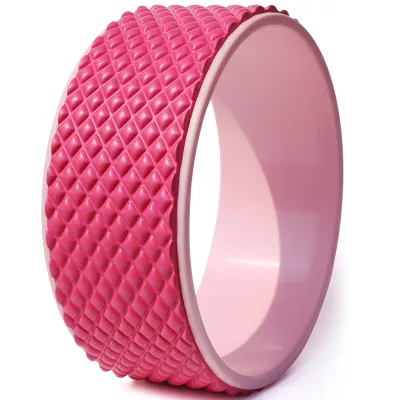
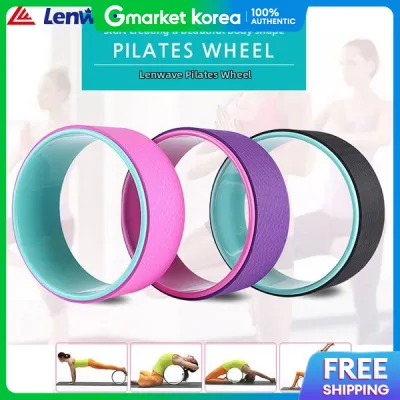
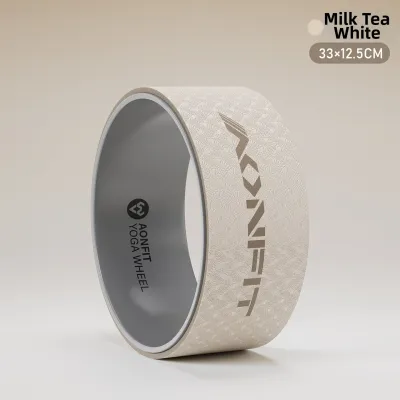
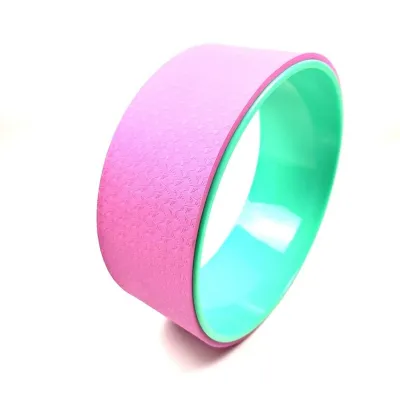
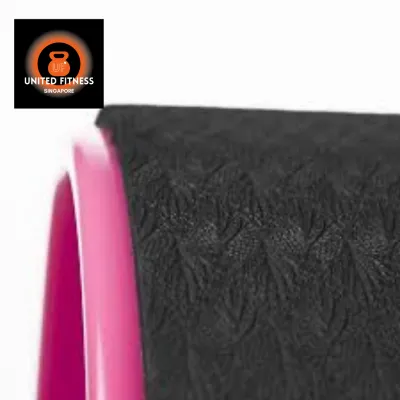
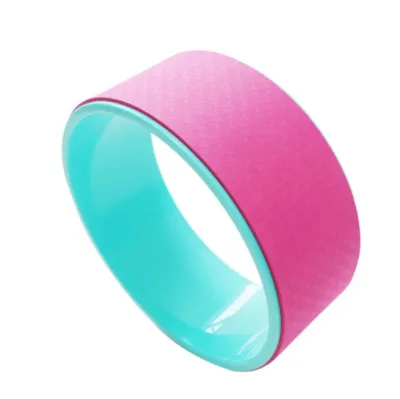
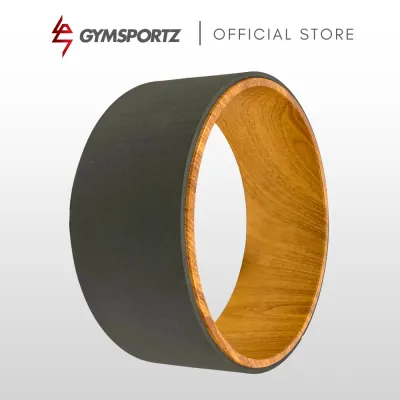
Prices are valid at publication and may change. Please refer to the product page for the latest price.
Equally important is the width of the wheel, which typically ranges from 12 cm to 15 cm (about 5 inches). For beginners, a wider wheel is always preferable because it provides a larger surface area in contact with the floor. This extra width is critical for lateral stability, preventing the wheel from tipping sideways when you align your spine along its center. A stable, wide base allows you to focus on your breathing and form rather than constantly micro-adjusting to keep the wheel upright.
To ensure proper spinal alignment, you should match the wheel’s dimensions to your height and torso length. If you are under 155 cm (5 feet 1 inch), a slightly smaller 25 cm (10-inch) wheel may occasionally feel more manageable for targeted stretches, but the standard 32 cm wheel remains the safest starting point for general core training. Taller individuals, particularly those over 175 cm (5 feet 9 inches), will find that the standard 32 cm size provides the necessary height to keep their head and neck supported during rolling movements. Always check that your neck remains in a neutral, strain-free position when draped over the wheel.
Surface Material and Padding: Comfort vs. Grip
The outer layer of a pilates wheel is your direct contact point, making material selection vital for both comfort and safety. The two most common padding materials are Ethylene-Vinyl Acetate (EVA) and Thermoplastic Elastomer (TPE). EVA foam is highly durable and firm, offering excellent structural feedback, but it can feel somewhat stiff on sensitive vertebrae. TPE foam, on the other hand, is softer, more elastic, and provides superior slip resistance. TPE is also an eco-friendly, non-toxic alternative that retains its shape well over time.

In warm, humid climates like Singapore, sweat resistance is a critical factor for home fitness equipment. Closed-cell foam technology, which is standard in high-quality TPE and premium EVA wheels, prevents sweat and moisture from absorbing into the padding. This keeps the wheel hygienic, prevents the buildup of unpleasant odors, and ensures the surface remains grippy even during intense, sweaty sessions. An open-cell foam padding will act like a sponge, quickly degrading and becoming slippery under moist conditions.
Safety during balance exercises depends heavily on surface texture. Look for wheels that feature subtle ridges, leaf patterns, or textured grids on the outer band. These patterns increase friction against both your bare skin and your fitness mat, preventing the wheel from sliding out from under you mid-pose.
When evaluating padding thickness, aim for a sweet spot of 6 mm to 8 mm. Padding that is thinner than 5 mm can cause painful pressure against the spinous processes—the bony bumps along your spine. Conversely, padding that is too thick or overly squishy will compromise your stability, making it difficult to find a solid, balanced center during standing or planking exercises.
Core Construction and Weight Limits
While the outer foam provides comfort, the inner core of the wheel is responsible for your physical safety. The core must be completely rigid to prevent the wheel from flexing, warping, or collapsing under your weight. High-quality wheels utilize Acrylonitrile Butadiene Styrene (ABS) plastic for the inner ring. ABS is an impact-resistant, industrial-grade polymer that maintains its perfect circular shape even under heavy loads. Avoid cheap wheels made with polyvinyl chloride (PVC) cores, as PVC is more prone to flexing and can crack unexpectedly under pressure.
Before purchasing, it is essential to locate and verify the manufacturer’s maximum weight capacity. This specification should be clearly printed on the packaging, user manual, or official product specifications. High-quality ABS wheels typically feature weight limits ranging from 150 kg to over 250 kg. Be wary of generic marketing claims that promise “high weight capacity” without providing a specific, certified numerical limit.
When calculating your required weight limit, remember that your static body weight is only part of the equation. Dynamic force—the additional pressure exerted when you roll, transition your weight, or perform active core movements—increases the load on the wheel. For maximum safety, choose a wheel with a weight capacity that exceeds your body weight by a generous margin. If you plan to perform advanced exercises where your entire body weight is balanced on top of the wheel, a higher weight rating provides a crucial safety buffer.
Specs and Add-ons Beginners Can Skip
As you browse available options, you will encounter multi-functional wheels loaded with various accessories. Many models feature integrated resistance bands, complex strap systems, or adjustable tension mechanisms. While these features are marketed as versatile upgrades, they are generally unnecessary and often counterproductive for beginners. These add-ons can make the equipment awkward to handle, distract you from mastering fundamental alignment, and introduce extra safety hazards if a band snaps or a strap tangles during a pose.
Similarly, beginners should steer clear of ultra-narrow wheels (under 10 cm in width) or highly contoured designs featuring deep, aggressive spine channels. While these specialized shapes are intended for advanced, targeted spinal manipulation, they require an exceptional level of core strength and balance to control. For a novice, these designs are highly unstable and increase the risk of falling or twisting a muscle.
A simple, well-constructed, single-piece wheel with standard dimensions is more than sufficient for mastering foundational routines. By focusing on a minimalist design, you ensure that your budget goes toward high-quality core plastics and premium foam padding rather than gimmicky features that add little value to your practice. Standard wheels typically range from S$25 to S$60, offering a cost-effective entry point into pilates and mobility training.
Frequently Asked Questions (FAQ)
Can a pilates wheel help with posture correction?
Yes, a pilates wheel can be an effective tool for improving your daily posture. By rolling your back over the wheel, you gently open up the chest, stretch tight pectoral muscles, and counteract the forward-slouching posture associated with long hours of desk work. This movement encourages thoracic spine extension and helps realign the shoulders. However, the wheel should be viewed as a supplementary mobility tool. It is not a replacement for professional physical therapy, and anyone experiencing chronic spinal pain or structural issues should consult a healthcare professional before beginning use.
How do I clean and maintain the foam surface?
To preserve the grip and hygiene of your wheel, wipe the foam surface with a damp cloth and a few drops of mild dish soap after every session. This easily removes sweat, body oils, and dust. Avoid using harsh chemical cleaners, bleach, or alcohol-based sanitizers, as these substances can dry out and degrade TPE or EVA foam, causing it to crack and lose its slip-resistant texture. Never submerge the entire wheel in water, as moisture can trap itself between the foam outer layer and the plastic core, weakening the adhesive bond over time. Allow the wheel to air dry completely in a shaded, well-ventilated area away from direct sunlight.
Community discussion
Share your experience or ask a question. Comments are reviewed before publication.