
Plantar fasciitis support products come in several distinct forms—including arch support insoles, night splints, compression sleeves, and heel cups—each designed to address specific stages of heel pain and daily activity levels. Choosing the right one requires matching your primary pain patterns, such as sharp morning steps or fatigue from prolonged standing, with the correct mechanical intervention. While these supports provide structural relief and aid recovery, they are most effective when integrated into a broader foot health routine and should never replace professional medical assessment.
Managing plantar fasciitis is rarely a one-size-fits-all journey. The plantar fascia, a thick band of connective tissue supporting the arch of your foot, can become strained due to repetitive stress, poor footwear, or biomechanical imbalances. External support products aim to temporarily reduce this strain, allowing the tissue to heal while you go about your daily life. By understanding how each support type functions, you can make an informed decision that aligns with your lifestyle, activity level, and recovery goals.
Understanding the Main Types of Plantar Fasciitis Support
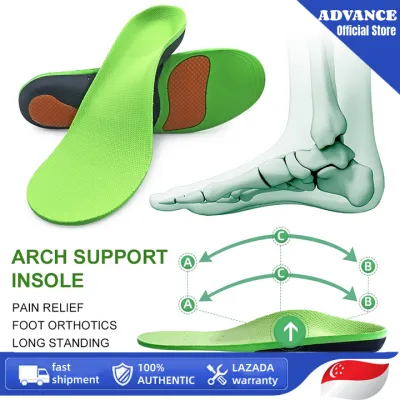
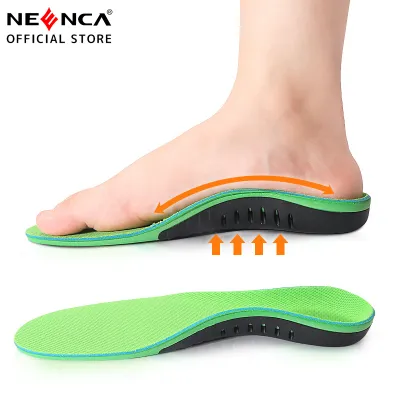
Arch supports and supportive insoles are designed for active, daytime use. These inserts slip directly into your shoes to reinforce the medial longitudinal arch, preventing the foot from overpronating—or rolling inward excessively—during movement. By maintaining proper alignment, arch supports distribute your body weight more evenly across the sole, reducing the localized tension placed on the plantar fascia attachment point at the heel. They are available in various profiles, from flexible foam to rigid plastic shells, allowing you to match the level of support to your footwear and comfort preferences.
Products mentioned in this guide
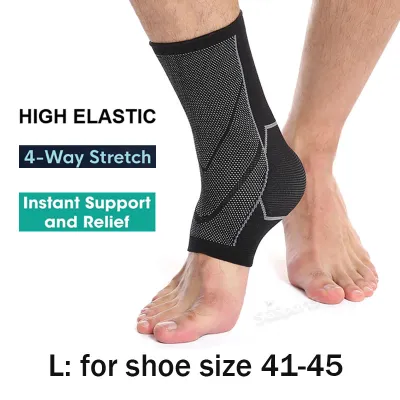
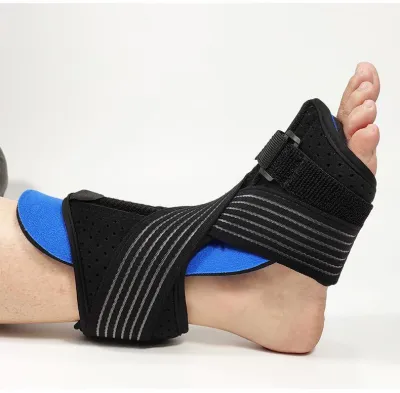
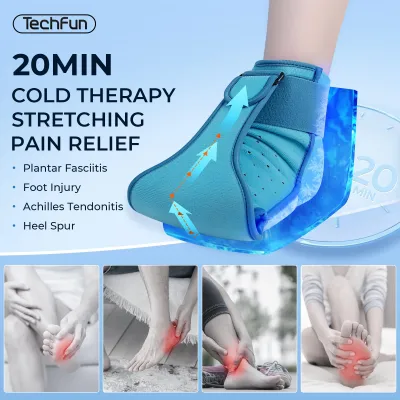
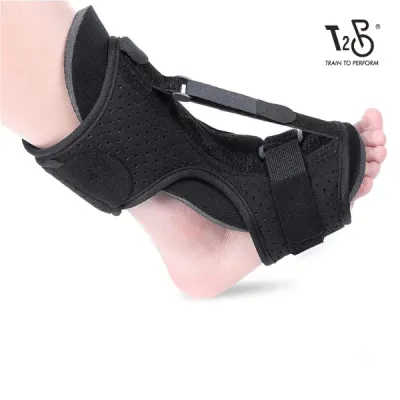
Prices are valid at publication and may change. Please refer to the product page for the latest price.
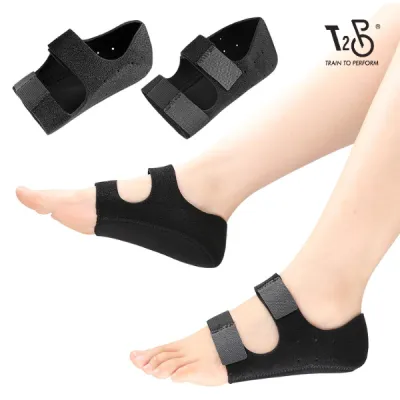
Night splints target the foot during periods of rest. When you sleep, your feet naturally relax into a downward-pointing position, allowing the plantar fascia and calf muscles to shorten and tighten overnight. This shortening is the primary cause of the sharp, stabbing pain experienced during your first steps in the morning. A night splint holds the foot in a neutral or slightly upward-pointing position, maintaining a gentle, continuous stretch on the fascia and Achilles tendon while you sleep. This prevents the tissue from healing in a contracted state, reducing morning stiffness.
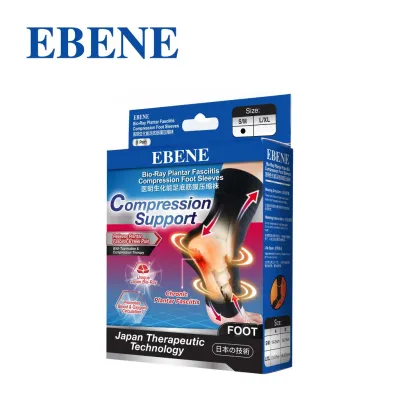
Compression sleeves offer a lightweight, low-profile alternative for mild support and active recovery. Made from elasticized fabrics, these sleeves wrap snugly around the arch and ankle, providing targeted compression that helps manage localized swelling and improves blood circulation. While they do not offer the rigid structural correction of an insole or splint, their flexibility makes them highly comfortable for all-day wear under standard socks. They serve as an excellent tool for keeping the foot warm and supported during transitional recovery phases.
Heel cups and cushions focus specifically on localized shock absorption and impact relief. When your heel strikes hard ground, the impact forces travel directly through the heel bone and into the inflamed fascia. Silicone or gel heel cups cradle the natural fat pad of your heel, concentrating it directly beneath the bone to maximize your body’s natural cushioning. By dampening the shock of each step, these inserts provide immediate, localized comfort, making them particularly useful for individuals who walk on hard surfaces.
Matching Support Types to Your Specific Symptoms and Routine
If your primary struggle is severe morning pain that makes those first steps out of bed feel unbearable, your recovery strategy should prioritize night splints. Because this symptom is directly linked to the overnight shortening of the fascia, maintaining a gentle stretch while you sleep is the most logical intervention. While night splints can feel bulky and require an adaptation period, their ability to mitigate that initial morning micro-tearing is unmatched by daytime-only supports.

For individuals whose pain escalates during prolonged standing, walking, or physical activity, daytime arch supports or supportive insoles are the essential choice. If your job requires standing on hard floors for hours, or if you are an active walker, your plantar fascia is subjected to continuous loading and flattening. A structured insole acts as a physical barrier against this repetitive strain, absorbing impact and preventing the arch from collapsing under your body weight throughout the day.
If you experience mild, generalized discomfort or a dull ache that lingers after workouts, compression sleeves are highly suited to your routine. They are ideal for active recovery, providing a reassuring sense of stability and warmth without restricting your natural foot movement. Because they fit easily into almost any shoe style, they are a convenient option for individuals who need light, non-intrusive support during low-impact daily tasks or transitional recovery phases.
When your pain is highly localized and feels like a sharp bruise directly under the heel bone, a dedicated heel cup or cushion is the most appropriate targeted solution. This is especially true for those who must wear rigid dress shoes or work boots that lack built-in shock absorption. By placing a soft, impact-dampening barrier directly under the heel, you can significantly reduce the mechanical irritation caused by hard surface contact during your daily commute or work shift.
Key Features to Evaluate Before Buying
Material and breathability are critical considerations, particularly in Singapore’s hot and humid tropical climate. Supports made from heavy, non-perforated materials can trap sweat and heat, leading to skin irritation, blisters, or fungal infections. Look for products utilizing moisture-wicking fabrics, breathable mesh, or perforated neoprene. This is especially important for night splints and compression sleeves, which remain in contact with your skin for hours at a time.
Adjustability and fit are essential for ensuring that the support is both effective and safe. A support that is too tight can restrict blood circulation or compress nerves, leading to numbness or tingling, while a support that is too loose will fail to provide the necessary structural alignment. Opt for products that feature adjustable hook-and-loop straps or tension buckles, allowing you to customize the level of stretch or compression to your comfort level. Avoid generic “one-size-fits-all” options unless they offer significant built-in adjustability.
Footwear compatibility determines whether a daytime support will actually integrate into your daily life. Before purchasing an insole or arch support, consider the volume of your existing shoes. Thick, rigid orthotics often require you to remove the shoe’s original factory insole to prevent your foot from being squeezed against the top of the shoe. If you wear slim dress shoes, low-profile athletic shoes, or sandals, you will need to seek out specialized, low-volume supports or adhesive arch pads designed specifically for those styles.
While over-the-counter supports are highly accessible, it is crucial to recognize the boundaries of self-treatment. These products are designed to manage symptoms and assist recovery, but they do not replace professional medical diagnosis or targeted physical therapy. If your foot pain is accompanied by severe swelling, redness, warmth, or if it persists for more than a few weeks without improvement, stop self-selecting products and consult a physiotherapist or doctor. A professional can identify underlying biomechanical issues, such as calf tightness or hip misalignment, that a simple support product cannot resolve.
How to Build Your Personalized Support Shortlist
Begin by defining your primary use scenario to narrow down your options. If you need a solution for the office, your shortlist should focus on slim insoles that fit dress shoes. If you need a solution for sleeping, focus on adjustable night splints. By locking in the primary scenario first, you avoid purchasing products that are functionally incompatible with your daily environment.
Next, establish a realistic budget. Over-the-counter plantar fasciitis supports in Singapore generally range from S$15 for basic silicone heel cups to S$80 or more for advanced, highly adjustable night splints or premium structured insoles. Because these items are worn directly against the skin and are subject to sweat, e-commerce platforms and retail stores typically enforce strict hygiene policies that prohibit returns once the packaging is opened. Always review the seller’s return policy and sizing charts carefully before committing to a purchase.
To ensure a proper fit, consult the manufacturer’s specific sizing guides rather than relying solely on your standard shoe size. Many high-quality supports require you to measure the circumference of your arch, ankle, or the exact length of your foot in centimeters. Keep a soft measuring tape handy to take accurate measurements before placing an order.
Finally, plan a structured trial period for your new support. When your product arrives, do not expect immediate, miraculous relief. Plan to test the product under controlled conditions—such as wearing an insole for just one to two hours at home on the first day—to monitor how your foot responds. Establish clear conditions for stopping the trial, such as any increase in sharp pain or signs of skin irritation, so you can safely evaluate the product’s suitability.
Safe Usage and Maintenance Guidelines
Always implement a gradual break-in period for daytime insoles and arch supports. Your foot muscles, tendons, and ligaments have adapted to your current gait, and forcing them into a new alignment suddenly can cause secondary discomfort in your arches, calves, or knees. Start by wearing the supports for one to two hours on the first day, and gradually increase the wear time by an hour each day as your body adapts.
Maintaining product hygiene is essential for protecting your skin and extending the lifespan of the support. Sweat, dirt, and dead skin cells accumulate quickly, creating a breeding ground for bacteria. Wash fabric sleeves, insole covers, and night splint liners regularly by hand using cool water and a mild soap. Avoid machine washing, harsh detergents, or tumble drying unless the manufacturer’s label explicitly permits it, as high heat can warp plastics, degrade adhesives, and ruin elastic fibers. Allow all components to air dry completely in a well-ventilated area away from direct sunlight before wearing them again.
Pay close attention to your body’s signals and establish clear stop conditions. While mild, temporary muscle fatigue can occur during the break-in period, you should never experience new numbness, tingling, coldness in your toes, or a sharp worsening of your pain. These symptoms indicate that the support is restricting your circulation or compressing a nerve. If any of these red flags occur, remove the support immediately and consult a healthcare professional before attempting to use it again.
Frequently Asked Questions (FAQ)
Can I wear arch supports and compression sleeves at the same time?
Yes, combining arch supports and compression sleeves is a common practice that many individuals find highly comfortable. The compression sleeve provides localized warmth, mild swelling control, and sensory feedback, while the structured arch support insole delivers the necessary mechanical alignment inside your shoe. However, you must ensure that the combination does not make your footwear too tight. If the double layer pinches your foot or squeezes your toes, it can restrict blood circulation and worsen your discomfort, defeating the purpose of both supports.
How long does it typically take to feel relief from using a night splint?
While some individuals notice a reduction in morning stiffness within the first few days of consistent use, it typically takes several weeks of regular nightly wear to experience significant, lasting relief. Tissue healing is a gradual process, and the night splint must be used consistently to prevent the fascia from repeatedly micro-tearing each morning. For the best results, integrate the night splint into a comprehensive recovery plan that includes calf stretches and foot strengthening exercises. If you do not experience any improvement after four to six weeks, consult a healthcare professional.
Are custom orthotics always better than over-the-counter insoles?
Not necessarily. Over-the-counter insoles are highly effective for mild to moderate cases of plantar fasciitis and offer an accessible, budget-friendly starting point for most individuals. Custom orthotics, which are prescribed and fabricated by a podiatrist, are tailored to your exact foot structure and unique gait mechanics, making them highly beneficial for complex biomechanical issues, severe structural abnormalities, or persistent pain that has not responded to standard treatments. For many people, a well-selected, high-quality off-the-shelf insole provides sufficient support and relief without the higher cost of custom fabrication.
Community discussion
Share your experience or ask a question. Comments are reviewed before publication.