
Finding relief from foot discomfort often leads to a choice between three popular options: plantar fascia sleeves, arch support straps, and insoles. The most effective plantar support for your needs depends entirely on whether your feet require continuous compression, targeted arch lifting, or full structural realignment. There is no single option that works best for everyone, as different designs address different biomechanical needs and daily activities.
Common triggers for foot discomfort, such as prolonged standing on hard surfaces, high-impact running, or having flat feet, dictate which type of support will serve you best. For instance, active individuals might need dynamic support during movement, while those who stand all day may require structural pressure distribution. Understanding these triggers helps you match the support mechanism to your daily physical demands.
While plantar supports are excellent tools for managing daily comfort and improving biomechanical alignment, they are not medical cures. Persistent, severe, or worsening foot pain requires professional evaluation by a qualified healthcare provider to rule out more serious conditions. Using these products should complement, rather than replace, a comprehensive foot health strategy.
Products mentioned in this guide
Prices are valid at publication and may change. Please refer to the product page for the latest price.
Plantar Fascia Sleeves: Compression and Full-Coverage Support
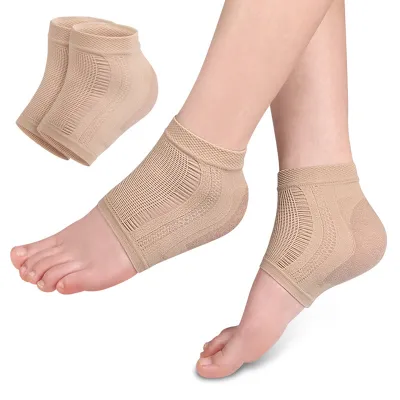
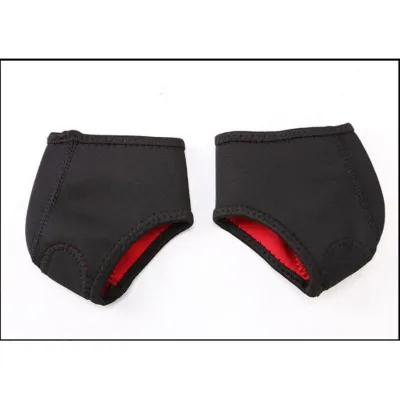
Plantar fascia sleeves are designed to wrap snugly around the foot, utilizing graduated compression and fabric tension. This elastic pressure is distributed evenly across the heel, arch, and midfoot, which helps support the soft tissues and promote blood flow. The gentle squeeze can help manage minor morning stiffness and reduce swelling after long periods of activity.
These sleeves are ideal for individuals who need continuous, low-profile support throughout the day. They fit easily under standard socks and can be worn during post-activity recovery periods or during daily routines that require mild, uniform compression. Because they are lightweight, they transition smoothly between work shoes, athletic footwear, and casual wear.
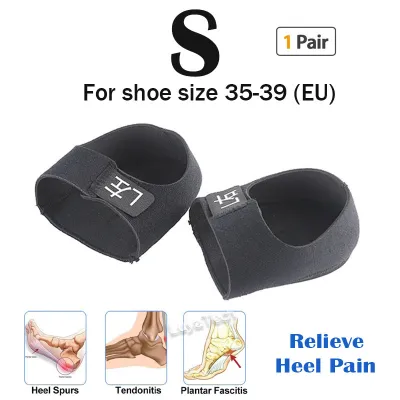
However, compression sleeves do not offer rigid structural correction or physical arch lifting. They rely entirely on the elasticity of the fabric, which means they cannot physically prevent the arch from collapsing under heavy loads. Before purchasing, it is important to verify the manufacturer’s sizing chart and material composition to ensure a proper fit that avoids restricted circulation or skin irritation.
Arch Support Straps: Targeted Pressure and Low-Profile Fit
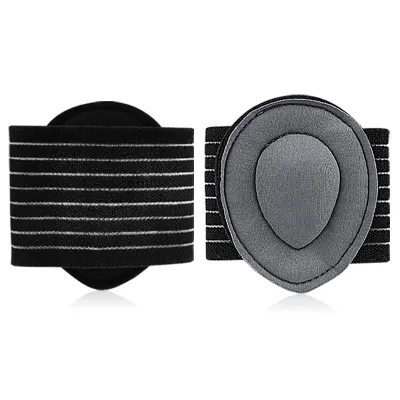
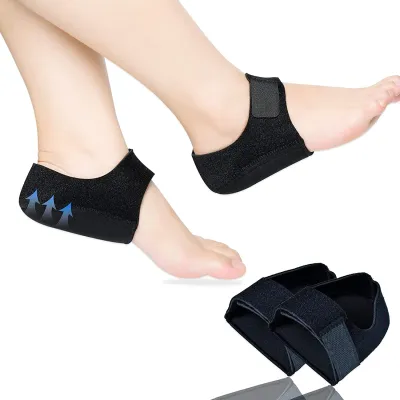
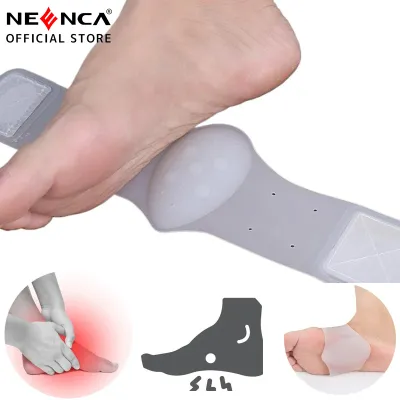
Arch support straps focus specifically on the midfoot, using adjustable tension bands to apply direct upward pressure to the arch. This targeted lifting action helps reduce strain on the plantar fascia ligament by preventing it from overstretching during weight-bearing activities. By isolating the arch, these straps provide concentrated relief exactly where the ligament meets the bone.

This design is highly versatile and works well for those who prefer to walk barefoot at home or wear tight-fitting, minimalist shoes that cannot accommodate bulky inserts. They are also convenient for quick adjustments during specific workouts or periods of standing. The adjustable nature allows you to customize the tightness based on your comfort level throughout the day.
The primary trade-off is that straps require precise placement on the foot to provide any benefit. If positioned too far forward or backward, they can cause discomfort or fail to support the arch properly. You should check the strap material for skin sensitivity and ensure that the fastening mechanism, such as hook-and-loop tabs, does not slip or dig into your skin during movement.
Insoles: Structural Alignment and Shoe Integration
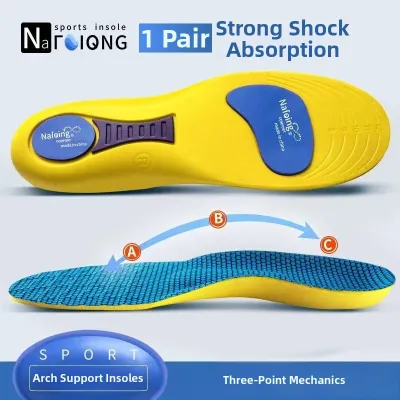
Insoles work by replacing or supplementing the factory inserts that come inside your footwear. Instead of wrapping around the foot itself, they sit firmly within the shoe to alter your foot biomechanics, support the arch structure, and distribute impact pressure evenly across the entire sole. This provides a stable foundation that affects your entire lower body alignment.
This structural approach is highly beneficial for high-impact sports, long-distance walking, or addressing specific gait patterns like overpronation. By stabilizing the heel and midfoot, insoles help minimize the repetitive strain that triggers plantar discomfort. They are particularly useful for individuals who spend hours walking on hard concrete or asphalt surfaces.
When choosing insoles, you must check the internal volume of your shoes and ensure the existing factory insoles are removable to prevent a cramped fit. Additionally, verify the arch height compatibility and review the manufacturer’s specifications regarding material durability to ensure long-lasting support. A mismatched arch height can lead to new pressure points and increased discomfort.
Feature Comparison: Sleeves, Straps, and Insoles
To help you contrast these three options, the table below outlines how each support type performs across key practical dimensions. Use this comparison to align each product’s strengths with your daily footwear and activity habits.
| Support Type | Primary Function | Best Footwear Pairing | Adjustability | Ideal Activity Level |
|---|---|---|---|---|
| Plantar Fascia Sleeve | Graduated compression & mild support | Standard shoes with socks | Low (fixed elastic fit) | Low to moderate (recovery & daily wear) |
| Arch Support Strap | Targeted upward arch pressure | Minimalist shoes or barefoot | High (adjustable bands) | Moderate (focused workouts or standing) |
| Insole | Structural alignment & shock absorption | Athletic or spacious shoes | Low (requires trimming or sizing) | High (running, walking, high-impact sports) |
Please note that these are general categories, and individual product designs can vary significantly. You should always verify specific product labels for exact thickness, material compositions, and recommended usage guidelines before making a decision. Rather than looking for a single best option, focus on which design fits seamlessly into your existing wardrobe and lifestyle constraints.
Decision Framework: Which Plantar Support Should You Choose?
To finalize your choice, consider how your daily routine aligns with these specific scenarios. Choose a plantar fascia sleeve if you prefer continuous, gentle compression that fits easily under your regular socks for all-day wear or recovery. Opt for an arch support strap if you need adjustable, targeted pressure and frequently walk barefoot or wear low-profile shoes. Select an insole if you require robust structural alignment and shock absorption inside spacious athletic or work footwear.
Before making any purchase, verify first if the product offers a clear sizing guide and a flexible return policy, as finding the right fit often requires some trial. It is especially critical to consult a podiatrist or medical professional before using these supports if you have underlying health conditions, such as diabetes or peripheral neuropathy, which affect foot sensation and circulation.
Once you select a support, begin by testing it safely for short periods, such as one to two hours on the first day. Monitor your comfort closely, checking for any signs of numbness, skin redness, or increased pain, and gradually increase wear time only as your feet adapt comfortably to the new alignment. If discomfort persists, discontinue use and seek professional guidance.
Frequently Asked Questions (FAQ)
Can I wear a plantar fascia sleeve and an insole at the same time?
Yes, combining a compression sleeve and an insole is physically possible, but it can significantly alter how your shoes fit. Layering these supports reduces the available space inside the toe box, which can lead to excessive pressure on the top of your foot.
If you decide to try both, check your shoe volume carefully and monitor your feet for any discomfort, numbness, or signs of restricted circulation. If you feel any pinching or pain, remove one of the supports immediately to prevent injury.
How do I clean and maintain my arch support strap or sleeve?
To prolong the lifespan and maintain the hygiene of fabric-based supports, you should strictly follow the manufacturer’s care label. Most fabric sleeves and straps benefit from being hand-washed in cold water and laid flat to air dry.
Avoid using harsh detergents, bleach, or high-heat drying cycles. Excessive heat and strong chemicals can rapidly degrade the elastic fibers and weaken hook-and-loop fasteners, reducing the product’s supportive qualities.
Should I wear plantar support while sleeping?
Standard daytime compression sleeves and arch straps are not designed for use while sleeping. Wearing tight daytime supports to bed can restrict your natural nighttime circulation and cause discomfort during rest.
If you require support during the night, look for specialized medical night splints designed specifically to keep the foot in a gentle stretch while sleeping. Always consult a healthcare professional before wearing any support overnight to ensure it is safe for your specific needs.
Community discussion
Share your experience or ask a question. Comments are reviewed before publication.