
Choosing the right cricket wickets can transform your playing experience, whether you are setting up a casual weekend match or preparing for a competitive league. When setting up a match, deciding between traditional wooden wickets and modern cricket stumps plastic designs depends entirely on your playing environment, budget, and skill level.
Wooden stumps remain the gold standard for formal matches, league tournaments, and serious club net practice. Their authentic weight, structural rigidity, and compliance with the official Laws of Cricket make them indispensable for players who require realistic feedback. The distinct sound of a leather ball striking wooden stumps provides crucial sensory confirmation for both bowlers and batters during high-stakes play.
Conversely, plastic stumps offer an incredibly practical, low-maintenance alternative for casual settings. They are the ideal choice for backyard games, beach outings, school physical education classes, and young children. Their lightweight construction, built-in safety, and complete resistance to moisture make them highly versatile for recreational use across various outdoor and indoor surfaces.
Products mentioned in this guide
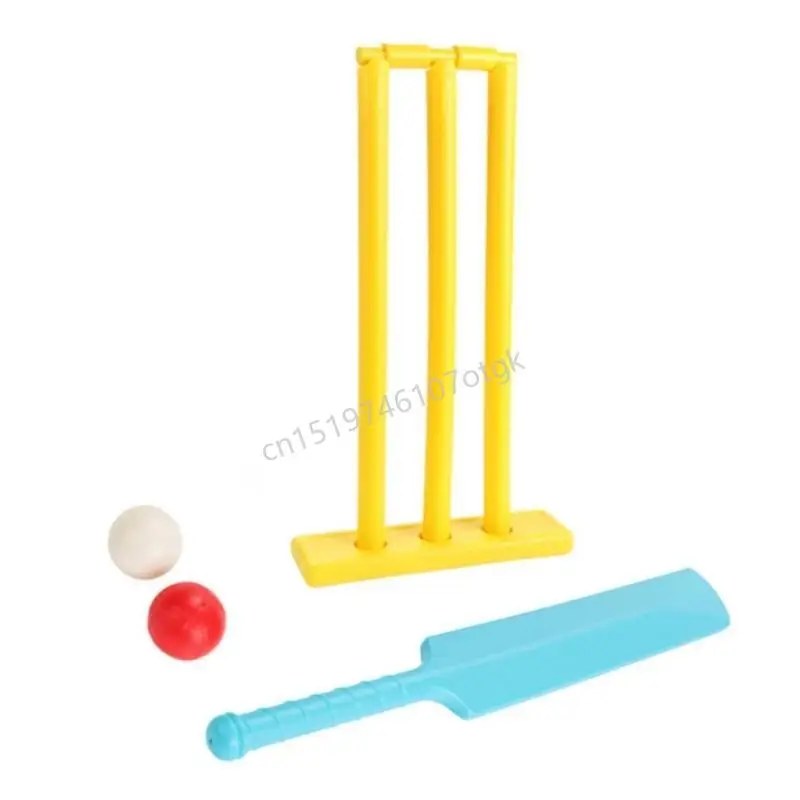
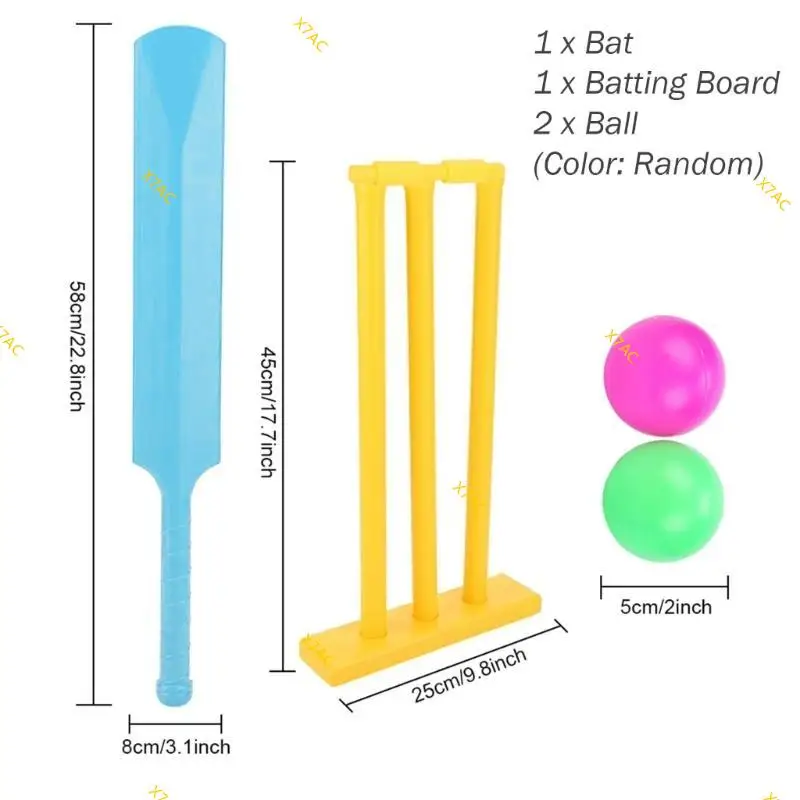
Prices are valid at publication and may change. Please refer to the product page for the latest price.
Plastic vs Wooden Cricket Stumps at a Glance
To help you quickly identify which material aligns with your specific needs, the table below compares the core characteristics of both options. This high-level overview highlights how each material performs across key operational and environmental dimensions.
| Feature | Wooden Stumps | Plastic Stumps |
|---|---|---|
| Best Use Case | Official club matches, turf wickets, and serious net practice | Backyards, beaches, school PE, and casual concrete play |
| Weather Resistance | Low; vulnerable to moisture, warping, and swelling | High; completely waterproof and rust-proof |
| Match Compliance | Fully compliant with the Laws of Cricket (MCC standards) | Non-compliant for official league matches |
| Relative Cost | Higher initial investment, especially for premium ash | Budget-friendly and highly cost-effective |
| Maintenance Needs | Requires dry storage, regular cleaning, and occasional oiling | Zero maintenance; easily wiped clean after use |
| Safety Profile | Rigid and heavy; potential for splinters under high impact | Lightweight and flexible; minimal injury risk |
While this comparison table provides a quick reference, understanding the physical properties and practical trade-offs of each material will ensure you make the most informed purchasing decision for your specific cricketing setup.
Durability and Weather Resistance
Wooden Stumps and Moisture Vulnerability
Traditional wooden stumps are typically crafted from dense hardwoods such as English ash, blue gum, or sustainable bamboo. While these materials offer excellent structural strength, wood is inherently hygroscopic, meaning it naturally absorbs and releases moisture from the surrounding atmosphere. In tropical climates characterized by high humidity and sudden heavy downpours, wooden stumps require careful handling.

When wooden wickets are exposed to wet grass, damp soil, or rain, the wood fibers absorb water, leading to swelling, warping, and a gradual softening of the timber. Over time, persistent exposure to moisture without proper drying can cause the wood to rot or split along the grain. To prevent this degradation, players and groundkeepers must store wooden stumps in dry, well-ventilated indoor areas and occasionally treat them with linseed oil to preserve their water-resistant barrier.
Plastic Stumps and Weatherproof Resilience
Plastic stumps are manufactured from robust synthetic polymers, such as polyvinyl chloride (PVC), acrylonitrile butadiene styrene (ABS), or high-density polyethylene (HDPE). These materials are entirely non-porous and waterproof, making them completely immune to the damaging effects of moisture, humidity, and rot.
You can leave plastic wickets on damp grass overnight, use them on wet sand at the beach, or continue playing through a tropical drizzle without worrying about structural damage. They do not warp, swell, or require protective oil treatments, making them an exceptionally low-maintenance option for busy schools and casual players who prefer a hassle-free setup.
Impact Resistance and Splintering Risks
Under the physical impact of a fast-moving cricket ball, wood and plastic behave very differently. A heavy leather match ball traveling at high speed can exert immense force upon impact. High-quality wooden stumps are designed to withstand these forces, but over time, repeated direct hits can cause the wood to chip, crack, or splinter, eventually requiring a complete replacement of the broken stump.
Plastic stumps possess natural flexibility that allows them to absorb and dissipate impact energy. Instead of splintering or shattering, a plastic stump will typically bend, scuff, or flex upon impact before returning to its original shape. While low-quality plastics may suffer from UV degradation and become brittle if left under direct sunlight for extended periods, high-quality, UV-stabilized polymer stumps offer outstanding long-term resistance to cracking and physical wear.
Cost and Long-Term Value
Upfront Affordability vs Premium Investment
From a financial perspective, plastic stumps represent a highly accessible entry point. A complete plastic set—which usually includes three stumps, two bails, and a stable freestanding base—is generally available within a very accessible budget, often costing under S$30. This affordability makes them an attractive option for families, casual recreational players, and schools operating on tight athletic budgets.
In contrast, match-grade wooden stumps represent a more significant upfront investment. A set of premium English ash stumps designed for club or professional use can range from S$80 to well over S$150, depending on the brand and manufacturing standards. This cost is driven by the quality of the timber, the precision turning required to meet official size specifications, and the specialized finishes applied to protect the wood.
Maintenance and Lifespan Realities
While plastic stumps are cheaper initially, their long-term value lies in their near-indestructible nature under casual playing conditions. Because they require no specialized storage conditions or protective oils, they can last for years without any drop in utility. For community centers, casual groups, and schools, this translates to a very low cost-per-use ratio.
For established cricket clubs, the higher cost of wooden stumps is a necessary operational expense to ensure compliance with tournament rules. When properly maintained—kept dry, stored indoors, and protected from excessive moisture—a high-quality set of wooden stumps can deliver excellent long-term value, serving a club through multiple competitive seasons. However, neglect can quickly ruin wooden stumps, leading to premature replacement costs.
The Cost of Replacement Bails
Bails are the small, horizontal wooden or plastic pieces that rest on top of the stumps, and they are frequently the first items to get lost or broken during play. Replacing wooden bails requires finding pieces that match the exact wood density and dimensions of your existing stumps to ensure they sit correctly in the grooves.
Plastic bails are highly standardized, incredibly resilient, and widely available in inexpensive multi-packs. If a plastic bail is lost in the grass or stepped on, replacing it is simple and inexpensive. This ease of replacement adds to the overall cost-effectiveness and convenience of choosing a plastic wicket system for everyday recreational play.
Safety, Playability, and Authentic Feel
Safety and Injury Prevention for Young Players
Safety is a paramount consideration when choosing sports equipment, particularly for junior players, school sports days, or crowded public parks. Wooden stumps are heavy, rigid, and pointed at the bottom so they can be driven into the ground. If a fast delivery sends a wooden stump flying backward, it can pose a physical hazard to a close-in fielder, a wicketkeeper, or nearby spectators. Furthermore, if a wooden stump splinters upon impact, the sharp shards can cause cuts or puncture injuries.
Plastic stumps are lightweight and inherently flexible, making them a much safer option for beginners and children. Because they do not splinter, they eliminate the risk of sharp timber fragments. When paired with soft windballs, tennis balls, or lightweight training balls, plastic wickets create a highly secure environment where young players can develop their batting and bowling skills without fear of physical injury.
Sensory Feedback and Ground Stability
For experienced cricketers, the physical feedback of the wicket is an essential part of the game. Wooden stumps provide a solid, unyielding target. When driven deep into a prepared turf pitch, they stand perfectly rigid, allowing the bowler to clearly see the target area. The weight and rigidity of the wood ensure that the stumps only fall when struck with genuine force, preventing false dismissals from minor vibrations.
Additionally, the auditory feedback of a wooden wicket is unmatched. The sharp, resonant sound of wood striking wood is a deeply satisfying part of the sport that helps players instantly judge the trajectory and impact of a delivery. This sensory experience is difficult to replicate with synthetic materials, which is why serious players consistently prefer wood for training and match play.
Overcoming the Limitations of Lightweight Plastic
Standard, lightweight plastic stumps do have notable limitations when it comes to playability. Because they lack the mass of hardwood, basic plastic stumps can easily blow over in strong winds, leading to frustrating delays during outdoor play. Furthermore, a very light breeze or a ball that merely grazes the side of a plastic stump can cause the entire wicket to collapse, resulting in unnecessary disputes over whether a batter was genuinely bowled.
To address these limitations, manufacturers have developed advanced plastic wicket designs. Many modern plastic sets feature heavy, weighted rubber bases or water-fillable plastic bases that provide excellent stability on hard surfaces like concrete, artificial turf, or gym floors. Other designs incorporate spring-loaded bases, which allow the plastic stumps to flex backward when hit and instantly snap back into an upright position, mimicking the stability of a traditional ground-anchored wooden wicket.
Matching the Stumps to Your Playing Environment
Backyard, Park, and Beach Cricket
For informal games played on variable terrain, plastic stumps are highly practical. Traditional wooden stumps require soft, clay-rich turf so they can be hammered into the ground with a mallet. Attempting to use wooden stumps on sandy beaches, dry park soil, or concrete void decks is incredibly difficult and can damage the pointed tips of the wickets.
Plastic stumps with freestanding bases can be set up instantly on any flat surface, including concrete, asphalt, sand, or dry grass. They are lightweight, highly portable, and can be easily packed into a sports bag or car boot for a family outing to East Coast Park or Sentosa. Their resistance to sand and saltwater makes them the perfect companion for beach cricket.
School Sports and PE Classes
Physical education teachers and school sports coordinators require equipment that is durable, safe, easy to deploy, and simple to store. In a busy school environment where equipment is shared among hundreds of students, wooden stumps can quickly become damaged, lost, or warped if stored in damp sports sheds.
Plastic or heavy-duty composite stumps are ideal for school settings. They can be stacked neatly in storage cupboards, require zero maintenance, and can be used safely both indoors in sports halls and outdoors on artificial turf. Their bright colors also enhance visibility for younger students, making the game more engaging and easier to follow.
Club Matches and Net Practice
For registered cricket clubs, academies, and competitive leagues, there is no substitute for wooden stumps. Official matches must adhere strictly to the Laws of Cricket, which specify the exact height, width, and spacing of the wickets and bails. Wooden stumps meet these precise dimensional requirements and provide the realistic playing conditions that competitive players need to hone their skills.
During serious net practice, bowlers need to know exactly how their deliveries interact with the stumps. A wooden wicket driven into a grass pitch or mounted in a heavy-duty metal spring base provides the exact resistance and feedback required to simulate real match conditions. This realistic preparation is essential for players transitioning from training to competitive league play.
Indoor Training Facilities
Indoor cricket training centers present unique physical constraints, as hammering traditional stumps into concrete floors or synthetic turf over concrete is impossible. To adapt, indoor facilities utilize specialized wicket configurations to ensure realistic training sessions.
Clubs often use wooden stumps secured in heavy iron spring bases, which remain stable during intense bowling machine sessions and snap back into place when struck. Alternatively, high-density plastic spring-back stumps are increasingly popular in commercial indoor nets. These plastic variations offer superb durability against continuous high-velocity impact from bowling machines while remaining light enough for staff to move and reposition quickly.
Final Decision Framework
To make your final purchase as straightforward as possible, use this simple decision framework to select the ideal cricket stumps for your specific playing needs.
Choose Wooden Stumps if:
- You are purchasing equipment for official club matches, league tournaments, or formal school competitions that must comply with the Laws of Cricket.
- You require realistic weight, stability, and authentic auditory feedback for serious net practice and player development.
- You have access to dry, secure indoor storage and are willing to spend a few minutes maintaining the wood to prevent warping and moisture damage.
Choose Plastic Stumps if:
- You are setting up casual games in backyards, public parks, concrete areas, or sandy beaches where driving stumps into the ground is impractical.
- You are buying equipment for young children, beginners, or school PE classes where physical safety and injury prevention are top priorities.
- You want a highly portable, budget-friendly, and completely weatherproof set that requires zero maintenance and can withstand sudden rain.
Verify first if:
- You are purchasing on behalf of a local sports academy, school athletic department, or junior league. Always check with your local cricket association or coaching coordinator first, as specific tournament regulations, age-group guidelines, or safety protocols may dictate whether wooden or high-quality plastic composite stumps are required for training and match play.
Community discussion
Share your experience or ask a question. Comments are reviewed before publication.