
Choosing between portable and in-ground basketball hoops is not just a matter of how serious your game is; it is a highly practical decision dictated by your living situation, local property rules, and available space. In Singapore’s unique urban landscape, where high-density housing and strict municipal guidelines shape our outdoor activities, selecting the wrong type of hoop can lead to structural issues, property management disputes, or safety hazards.
Portable hoops offer unmatched flexibility and require zero permanent modifications to your property, making them the go-to choice for renters, HDB residents, and condominium dwellers. In-ground hoops, on the other hand, are anchored permanently into the earth, providing professional-grade stability and rebound performance that casual portable systems cannot match. Before making an investment, you must evaluate how your housing type, play style, and the tropical climate will interact with each system.
Quick Answer: Which Basketball Hoop Should You Choose?
Your choice between a portable and an in-ground basketball hoop should depend primarily on your housing type and long-term living arrangements rather than basketball skill alone.
Products mentioned in this guide
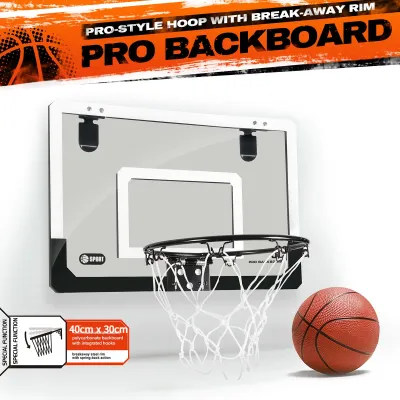
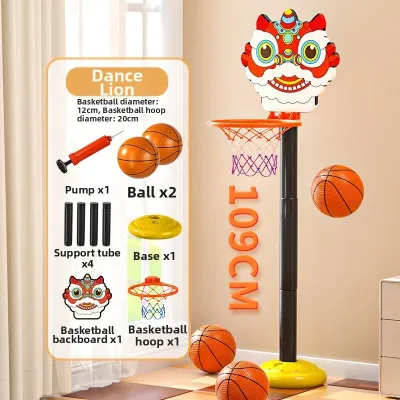
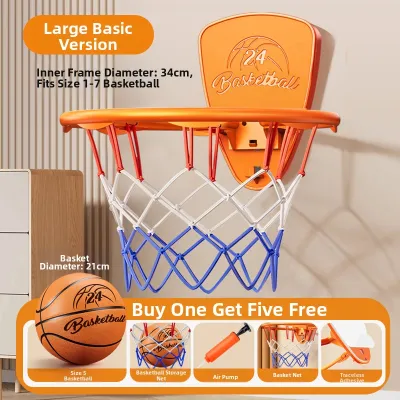
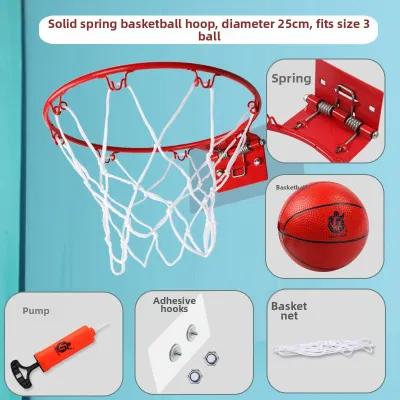
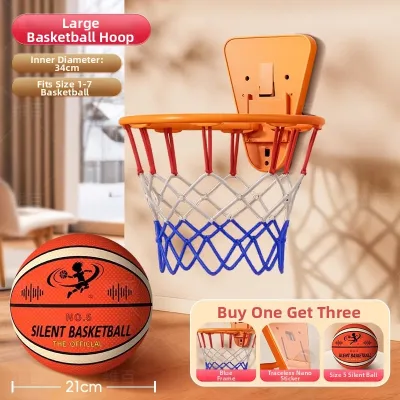
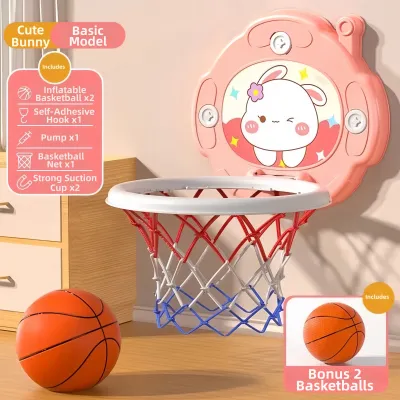
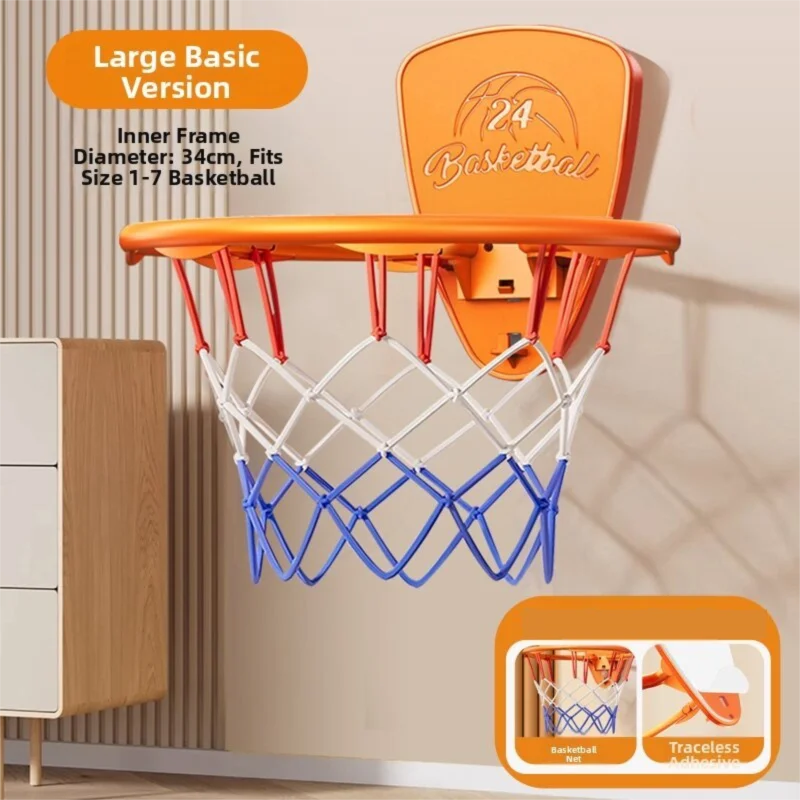
![[45cm x 29cm] Mini Basketball Board Hoop Slam Dunk Rim Spring Small Kids Children Ring Bola Keranjang](https://img.lazcdn.com/g/p/a9e774c532c92d64bf28ba8b02aa57c8.jpg_400x400q80.jpg_.webp)
Prices are valid at publication and may change. Please refer to the product page for the latest price.
Choose a portable hoop if you live in an HDB flat, a condominium, or a rented property. These systems do not require permanent installation, allowing you to comply with estate management rules and easily wheel the unit away when not in use or when moving to a new home.
Choose an in-ground hoop if you own a landed property with a private, dedicated driveway or yard and plan to stay long-term. This option provides the ultimate gym-like playing experience, superior durability against high winds, and maximum stability for aggressive play.
Neither system is universally superior; the right choice is the one that fits your physical space constraints and respects local property regulations.
Key Differences at a Glance
To help you quickly compare the two options, the table below outlines the core differences across key performance, space, and installation dimensions.

| Feature | Portable Hoops | In-Ground Hoops |
|---|---|---|
| Installation Method | No digging; assemble and fill base with sand | Excavation, concrete pouring, and anchoring |
| Mobility | Highly mobile; built-in wheels for relocation | Permanent fixture; cannot be moved once set |
| Stability & Rebound | Moderate; backboard vibrates on hard impacts | Exceptional; rigid pole minimizes vibration |
| Space Footprint | Large base requires clearance behind pole | Minimal ground footprint; requires overhang space |
| Ideal Housing Type | HDB, Condos, and rental properties | Landed properties with private driveways/yards |
| Maintenance Focus | Base crack prevention and mosquito control | Rust prevention and anchor bolt checks |
Installation, Space, and Housing Rules
Navigating local housing regulations is the first and most critical step when planning to buy a basketball hoop in Singapore.
HDB and Condo Living
For the vast majority of residents living in HDB estates or private condominiums, portable basketball hoops are the only viable option. Drilling into common property, such as void decks, shared pathways, or estate carparks, is strictly prohibited under Town Council and Management Corporation Strata Title (MCST) bylaws. Even when using a portable hoop, you must ensure it is stored within your private property boundaries or designated areas when not in use.
Leaving a portable hoop unattended in public walkways or shared driveways can create safety hazards and obstruct emergency access routes. If you plan to play in shared condo spaces, always consult your MCST management first to understand any restrictions on noise, playing hours, or equipment storage.
Landed Properties
If you reside in a terraced house, semi-detached home, or bungalow, installing an in-ground system is highly feasible, but it still requires careful planning. Before excavating, you must verify your property boundary lines to ensure the concrete footing and the pole sit entirely on your land.
You must also ensure that the backboard and rim do not overhang public footpaths, roads, or neighboring properties. The Land Transport Authority (LTA) and local municipal codes prohibit private structures from encroaching on public air space, which could block service vehicles or pose a hazard to pedestrians.
Space Clearance
Space clearance requirements differ significantly between the two systems. Portable hoops rely on a large plastic base filled with ballast to remain upright, and these bases typically extend 1.2 to 1.4 meters behind the pole. This large footprint means you need substantial clear space behind your playing baseline.
In contrast, an in-ground hoop is anchored into a concrete pier that sits flush with the ground, leaving the surrounding area completely clear. However, you must account for the overhang distance—the horizontal space between the pole and the backboard. A larger overhang allows players to run underneath the basket safely without colliding with the support pole, but it requires a longer driveway or yard to accommodate the court layout.
Stability, Performance, and Play Experience
The physical connection between the hoop and the ground directly dictates how the system responds to every shot, layup, and rebound.
Base vs. Ground Anchor
The fundamental difference in play experience comes down to energy transfer. When a basketball strikes the backboard of a portable hoop, the impact energy travels down the vertical pole and is absorbed by the flexible plastic base. This causes the backboard to shake and vibrate, which can alter the natural rebound of the ball and disrupt fast-paced shooting practice.
An in-ground hoop bypasses this issue entirely. By anchoring the steel pole directly into a solid block of concrete, the system resists movement. The result is a rigid, gym-quality playing experience where the backboard remains stationary, allowing for true rebounds and consistent shooting feedback.
Backboard and Pole Flex
The materials used in the hoop’s construction heavily influence its stability. Entry-level portable hoops often feature thin round poles and lightweight polycarbonate or acrylic backboards. While highly durable, these lightweight materials flex easily under impact.
Premium hoops use heavy tempered glass backboards supported by thick, square steel poles. Tempered glass provides the best rebound performance and scratch resistance, but its immense weight creates a high center of gravity. Mounting a heavy glass backboard on a portable system can create a tipping hazard if the base is not perfectly weighted; therefore, tempered glass is best paired with the structural integrity of an in-ground pole.
Play Style Matching
Your choice should align with the age and skill level of the players in your household. Casual shooting, youth practice, and family recreational play are well-served by mid-tier portable hoops. These systems often feature easy height-adjustment mechanisms, allowing the hoop to grow alongside younger players.
For aggressive play, competitive training, and high-impact games, an in-ground system is highly recommended. The structural rigidity supports intense training sessions and matches the physical feedback of school or community club courts.
Safety Limits
Before allowing anyone to play, you must establish clear safety boundaries. You should never hang on the rim of a standard portable basketball hoop. Hanging on the rim can easily cause the base to lift off the ground, tipping the entire heavy system forward onto the player, which can lead to severe injuries.
Even if a portable hoop features a breakaway spring-loaded rim, this mechanism is designed to protect the backboard from shattering during hard shots, not to support human body weight. If dunking is a regular part of your training, you must invest in a heavy-duty, professionally installed in-ground system with a rim and pole rated specifically for vertical load capacity.
Weather Resistance and Maintenance in a Tropical Climate
Singapore’s hot, humid, and rainy tropical environment presents unique maintenance challenges that can rapidly degrade outdoor sports equipment.
Portable Base Care and Dengue Prevention
Standing water is a serious public health concern in tropical regions. The National Environment Agency (NEA) enforces strict regulations to eliminate potential breeding habitats for Aedes mosquitoes, which transmit dengue fever. Portable basketball hoop bases are designed to be filled with either water or sand to act as ballast.
To prevent mosquito breeding and comply with local health regulations, it is strongly recommended to fill your portable base with dry play sand instead of water. Sand is denser than water, providing superior stability, and it cannot leak or pool to breed mosquitoes. If you must use water for easier relocation, you must seal the fill cap completely with outdoor-grade silicone sealant, regularly inspect the base for hairline cracks, and apply anti-mosquito larvicide treatments to the water.
UV and Plastic Degradation
Intense year-round ultraviolet (UV) radiation can cause the high-density polyethylene (HDPE) plastic used in portable bases and backboard frames to become brittle over time. Once brittle, these components can crack easily under the impact of a stray basketball or when rolled over rough concrete.
When purchasing a portable hoop, verify that the plastic components are treated with UV-resistant inhibitors. Additionally, try to position the hoop in a partially shaded area when not in use to minimize direct exposure to the midday sun.
In-Ground Rust and Corrosion
With high relative humidity and frequent monsoon rains, metal components are highly susceptible to rust. For in-ground hoops, which remain outdoors permanently, the quality of the steel treatment is paramount. Standard painted steel will quickly chip and rust at the ground level where moisture accumulates.
Look for in-ground systems that feature hot-dip galvanized steel poles or multi-layer powder-coated finishes designed for outdoor marine environments. Regularly inspect the anchor bolt assembly and the lower section of the pole for any signs of surface rust, and apply a rust-inhibiting primer and touch-up paint immediately if the coating is compromised.
General Upkeep
Regardless of the system you choose, regular maintenance checks will extend the lifespan of your hoop. Nylon nets rot quickly under constant rain and sun; plan to replace your net every one to two years, or upgrade to a heavy-duty, weather-treated polyester net.
Periodically check all structural bolts, adjustment pins, and rim springs, as the vibrations from basketball impacts can slowly loosen hardware over time. Clean the backboard with a mild soap solution and a soft cloth to remove algae, mold, and hard water stains that can accumulate during the wet season.
Cost and Long-Term Value
Understanding the total cost of ownership involves looking beyond the initial retail price of the basketball hoop.
Upfront Costs
Entry-level portable hoops are highly affordable, with basic models starting around S$150 to S$400, making them an accessible option for casual play. Premium portable hoops with larger acrylic backboards and robust adjustment mechanisms generally range from S$800 to S$1,500.
In-ground hoops represent a higher initial investment, with quality systems starting around S$1,000 and professional-grade tempered glass models exceeding S$3,000. This higher price reflects the thicker steel poles, premium backboard materials, and heavy-duty hardware used in their construction.
Hidden and Installation Costs
The true cost of an in-ground hoop must include professional installation. Excavating a deep hole through soil or concrete, purchasing high-strength concrete mix, and hiring a professional crew to level and set the anchor system can add S$500 to S$1,000 to your total project budget.
For portable hoops, installation is typically a DIY task, but you must factor in the cost of purchasing and transporting 100 to 150 kilograms of play sand to fill the base, which can cost between S$50 and S$100. You should also consider the potential cost of replacement parts, such as replacement wheels or base plugs, over the years.
Relocation Value
Consider your long-term housing plans before making a purchase. If you rent your home or plan to move within the next few years, a portable hoop retains its value because you can easily pack it up and take it with you.
An in-ground hoop, once set in concrete, becomes a permanent fixture of the property. While it can enhance the aesthetic and recreational appeal of a landed home, you cannot easily remove it without destroying the concrete base, meaning you will leave your investment behind when you move.
Final Verdict: How to Decide
To make your final decision, evaluate your living situation and playing needs against these clear criteria.
Choose a portable basketball hoop if:
- You live in an HDB flat or a condominium where drilling into the ground is legally prohibited.
- You rent your home and want to take the hoop with you when you move.
- You have a multi-use driveway or shared space where the hoop must be wheeled out of the way when not in use.
- You want a quick, DIY-friendly setup with a lower upfront cost.
Choose an in-ground basketball hoop if:
- You own a landed property with a dedicated, flat playing surface.
- You demand maximum structural stability, minimal backboard shake, and a true gym-like rebounding experience.
- Members of your household engage in aggressive play, heavy rebounding, or dunking practice.
- You view the hoop as a permanent, long-term upgrade to your home's outdoor recreational space.
Frequently Asked Questions (FAQ)
Can I install an in-ground basketball hoop in an HDB void deck or condo common area?
No. Altering, drilling, or installing permanent fixtures in HDB void decks, common areas, or condominium shared spaces is strictly prohibited without explicit written approval from the Town Council or MCST management. Because these spaces are public or shared property, private sports equipment must be portable so it can be moved and stored safely within your private premises when not in use.
Is it better to fill a portable basketball hoop base with sand or water?
Sand is highly recommended for superior stability and safety. Sand is roughly 1.5 times denser than water, providing a heavier, more stable base that minimizes shaking. More importantly, filling the base with sand eliminates the risk of stagnant water pooling inside, which can breed Aedes mosquitoes and violate local health regulations. Only use water if you must move the hoop frequently, and ensure the base is completely sealed.
Can I convert a portable basketball hoop into an in-ground system?
Generally, no. Portable hoop poles and mounting brackets are engineered specifically to flex and distribute impact energy into a plastic base. Cutting the pole and cementing it directly into the ground can lead to rapid rust, structural failure, and safety hazards. You should only attempt this if the manufacturer explicitly sells a certified ground sleeve adapter designed for your exact pole model.
Community discussion
Share your experience or ask a question. Comments are reviewed before publication.