
Choosing the right basketball hoop for your home in Singapore depends on balancing your available space, property ownership type, and local housing regulations. While a portable hoop offers immediate flexibility and requires no permanent structural changes, a wall-mounted system provides greater stability and a smaller physical footprint. Navigating these options requires a clear understanding of how each system interacts with Singapore’s unique residential environments, from high-rise apartments to landed estates.
Assessing Your Living Space and Housing Rules
Before purchasing any basketball equipment, you must determine whether your housing type permits its installation and use. In Singapore, residential properties are governed by strict guidelines regarding structural alterations and common property usage. If you live in an HDB flat or a private condominium, consult the town council or Management Corporation Strata Title (MCST) guidelines first. Exterior walls and shared driveways are common property; drilling into facades or placing large items in shared zones is generally prohibited without formal approval.
Private condominium MCST rules often restrict modifications altering the building’s external appearance, making balcony or pillar mounting rarely permissible. Even for portable hoops on shared driveways, verify if estate rules allow sports equipment. Noise regulations are also critical, as bouncing balls can easily disturb neighbors in high-density estates.
Products mentioned in this guide
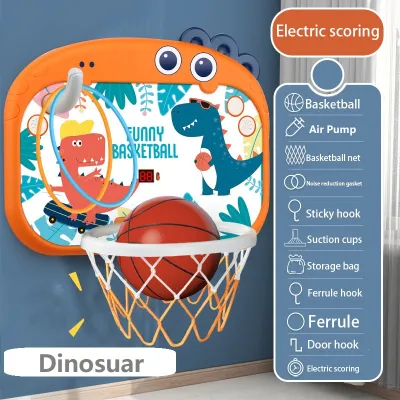
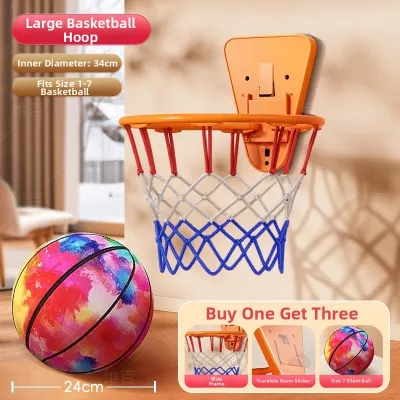
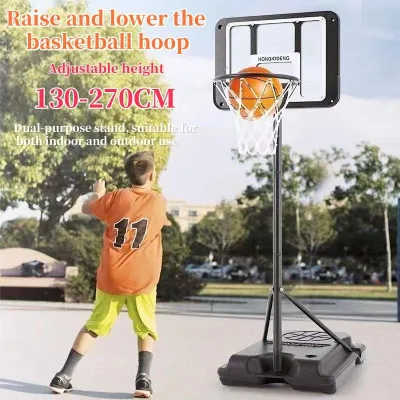
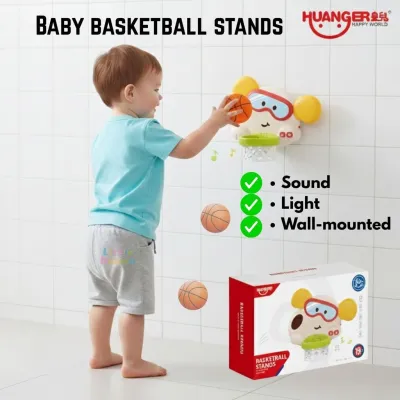
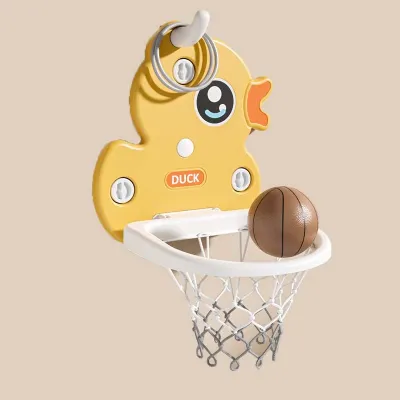

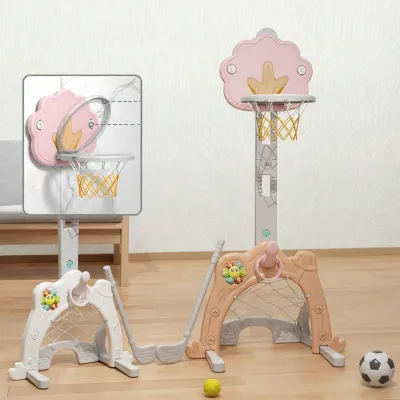
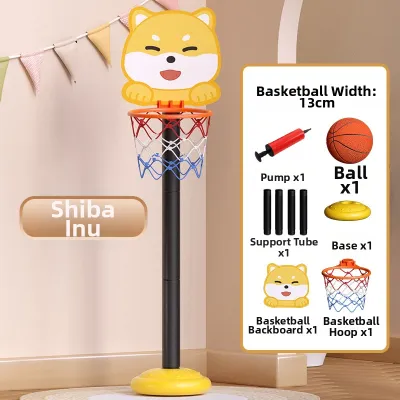
Prices are valid at publication and may change. Please refer to the product page for the latest price.
Landed property owners have more freedom but must still evaluate physical space. A standard portable hoop base requires a footprint often exceeding one meter in length and width. You must also account for backboard overhang and a safe bounce zone to prevent players from colliding with walls, parked cars, or garden fixtures.
Ensure sufficient vertical clearance for covered car porches, basements, or balconies. You need space not just for the rim height—typically adjustable up to 3.05 meters—but also for the ball’s shooting arc. Check for overhead utility lines, light fixtures, and ceiling fans that stray shots could damage.
For wall-mounted systems, assess your wall’s structural composition. Solid concrete or brick walls common in Singapore provide a strong foundation for heavy-duty brackets. Conversely, partition walls, drywall, or thin timber cladding cannot support the weight and dynamic forces, risking structural failure and property damage.
Comparing Installation Effort and Structural Stability
The installation process and the resulting stability of the hoop are major differentiators between portable and wall-mounted systems. A wall-mounted hoop requires a rigorous installation process that demands precise measurements and specialized tools. Before drilling, you must verify the load-bearing capacity of the chosen wall. Because a basketball hoop experiences high dynamic loads when a ball strikes the backboard or when a player interacts with the rim, the mounting bracket must be anchored deeply into solid concrete or masonry.

Installing a wall-mounted bracket typically requires heavy-duty masonry drill bits, a hammer drill, and high-tensile sleeve anchors or chemical anchors. If you do not possess these tools or the technical expertise to align the bracket accurately level, hiring a professional installation service is highly recommended. Incorrect anchoring can damage your property’s structural integrity or cause the hoop to detach during play.
In contrast, a portable basketball hoop is designed for assembly without structural drilling. The primary installation challenge lies in assembling the pole sections, attaching the backboard, and properly weighting the base. Portable bases must be filled with either water or sand to prevent the system from tipping over. While water is easier to fill and drain, it is susceptible to evaporation and can leak if the plastic base degrades under constant UV exposure.
Sand provides a denser, heavier ballast than water, offering greater wind resistance and overall stability. However, filling a portable base with dry sand is a labor-intensive process that requires patience and a funnel. Once filled with sand, the base becomes extremely heavy and difficult to move, even with built-in wheels.
When it comes to playability, structural stability directly affects backboard vibration and rim flex. Wall-mounted hoops anchored to solid concrete offer a highly rigid playing experience with minimal vibration, closely mimicking indoor gym conditions. Portable hoops, even when fully weighted, naturally exhibit more sway and vibration after a shot because the force is absorbed through a long vertical pole and a flexible plastic base. If you prioritize a true rebound response and minimal post-shot shaking, a wall-mounted system is the clear winner, provided you have the structural means to install it.
Evaluating Portability, Storage, and Weather Exposure
Portability and storage are key considerations for homeowners who need to share their outdoor space or store the hoop during periods of non-use. Portable hoops are equipped with wheels at the front of the base, allowing you to tilt the system forward and roll it to a different location. This is highly convenient if you need to clear your driveway for parking or move the hoop into a garage or covered porch when not in use.
However, moving a portable hoop is not always effortless. If the base is filled to capacity with sand, tilting and steering the unit requires significant physical strength. Some advanced portable models feature folding mechanisms that allow the pole to collapse downward, reducing the overall height so the unit can pass through standard doorways or fit under low ceilings. If you plan to store the hoop indoors or under a carport daily, check the folded dimensions and wheel design to ensure smooth transit over your specific flooring.
Wall-mounted hoops are permanent fixtures. Once installed, they cannot be easily relocated or stored away. This permanent placement means the hoop will be constantly exposed to Singapore’s intense tropical climate, characterized by high humidity, heavy rainfall, and strong UV radiation. Over time, this exposure can lead to rust on steel components, yellowing or cracking of acrylic backboards, and degradation of the net.
To mitigate weather damage, look for hoops that feature powder-coated steel poles, hot-dip galvanized hardware, and UV-resistant backboard materials like polycarbonate or tempered glass. Check the manufacturer’s guidelines regarding rust-resistant coatings and weatherproofing. Even with protective coatings, regular maintenance is necessary. You should periodically inspect the metal joints for signs of corrosion and apply rust-inhibiting sprays to prolong the lifespan of a permanently exposed wall-mounted system.
Budgeting for Initial Costs and Long-Term Maintenance
Your budget should account for both the upfront purchase price and the long-term maintenance costs associated with each hoop type. In Singapore, basketball hoops span a wide range of price tiers. Entry-level portable hoops typically range from S$150 to S$400. These models usually feature smaller plastic backboards, thinner poles, and basic rim designs suitable for casual shooting or younger players. Mid-range to professional-grade portable systems, which offer larger acrylic or tempered glass backboards and robust height-adjustment mechanisms, can range from S$600 to over S$1,500.
Wall-mounted systems also vary in price, with basic brackets and backboards starting around S$200, while heavy-duty, adjustable systems with tempered glass backboards can exceed S$1,000. However, with wall-mounted systems, you must factor in the hidden costs of installation. If you do not own a hammer drill or masonry bits, purchasing these tools can add S$100 or more to your expenses. Alternatively, hiring a professional contractor to securely anchor the bracket to a concrete wall typically costs between S$150 and S$300, depending on the complexity of the job and the height of the installation.
Long-term maintenance costs should also influence your decision. Portable hoops may require replacement parts over time, such as new base plugs to prevent leaks, replacement wheels, or new nets. If a portable base cracks due to UV degradation or impact, replacing the entire base can be costly and difficult to source.
Before buying, carefully review the manufacturer’s warranty terms and conditions. Pay close attention to what is covered under the warranty. Some brands offer extensive coverage for backboard shattering or frame rusting, while others exclude damage caused by weather exposure or aggressive play, such as hanging on the rim. Understanding these terms helps you gauge the long-term value of your investment and avoid unexpected replacement costs down the road.
Final Decision Framework for Your Home Setup
To make the right choice for your home, apply this conditional decision framework based on your living arrangements, structural options, and playing preferences.
Choose a portable basketball hoop if you rent your home, as you cannot make permanent structural modifications to the property. A portable system is also the ideal choice if you lack a suitable, load-bearing concrete wall or if you must frequently clear your driveway or yard space for parking, gardening, or other family activities. It offers the flexibility to take the hoop with you if you move to a new residence, making it a highly versatile long-term investment for dynamic living situations.
Choose a wall-mounted basketball hoop if you own a landed property or have written approval to modify an external wall, and you prioritize maximum stability and an authentic playing experience. Wall-mounted systems eliminate the bulky plastic base, saving valuable ground space in tight driveways or yards. They offer superior rebound performance, minimal vibration, and a cleaner aesthetic, making them well-suited for dedicated players who want a permanent training setup at home.
Verify first if you live in a condominium or an HDB flat. You must confirm the specific strata by-laws, estate regulations, or town council rules before committing to any purchase. Even a portable hoop placed in a common area can be flagged as an obstruction or a safety hazard, leading to fines or forced removal. Always secure the necessary permissions and discuss potential noise concerns with your immediate neighbors to ensure a harmonious playing environment.
Frequently Asked Questions (FAQ)
Can I install a basketball hoop in an HDB corridor or void deck?
No, you cannot install or place a basketball hoop in HDB common corridors, void decks, or shared pathways. These areas are strictly regulated by local town councils to ensure clear evacuation routes during emergencies and to prevent noise disturbances to residents. Placing sports equipment in these common spaces violates estate by-laws and can result in enforcement action or removal of the equipment. If you wish to play basketball, you should utilize the public courts provided in your neighborhood park or community center.
Is a portable hoop safe to use on a sloped driveway?
Using a portable basketball hoop on a sloped surface poses a significant risk of the unit tipping over, which can cause severe injury or property damage. Most manufacturers design portable bases to sit on flat, level ground to ensure even weight distribution. You must check your product manual for the manufacturer’s maximum slope tolerance. Do not attempt to level the base using makeshift shims, bricks, or wooden blocks unless explicitly permitted and detailed in the official instruction manual, as these can slip during active play.
Community discussion
Share your experience or ask a question. Comments are reviewed before publication.