
Selecting the right post-run recovery tool depends entirely on your specific physical needs, space constraints, and recovery goals. If your primary objective is to improve flexibility, increase joint range of motion, and perform active assisted stretching, Theraband resistance bands are an excellent choice. For runners dealing with general, full-leg stiffness who want broad myofascial release and tissue gliding across large muscle groups, a classic foam roller is highly effective. If you need to target deep, isolated muscle knots and prefer a quick, localized treatment that requires minimal physical effort, a massage gun is the most suitable option. These tools address distinct physiological mechanisms, meaning they do not have to be mutually exclusive; instead, they can complement each other within a well-rounded recovery routine.
Understanding the Core Mechanisms of Each Recovery Tool
To make an informed purchase, it is essential to understand how each tool physically interacts with fatigued muscle tissue. Post-run muscles often experience tightness, micro-tears, and localized metabolic waste accumulation. Choosing the right tool requires matching these physical states to the specific mechanical action of the device.
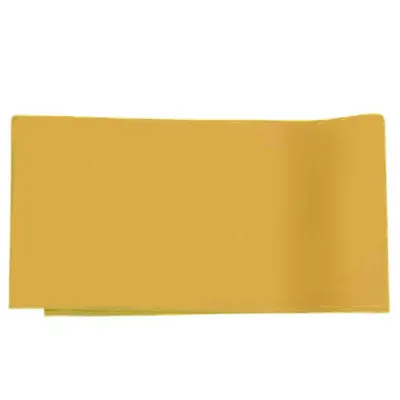
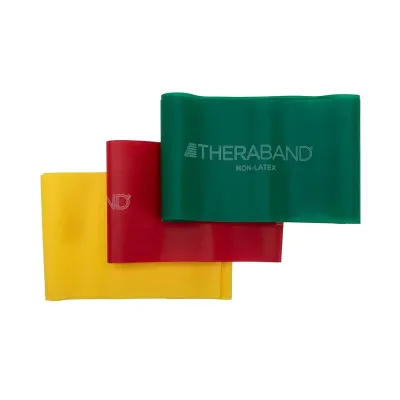
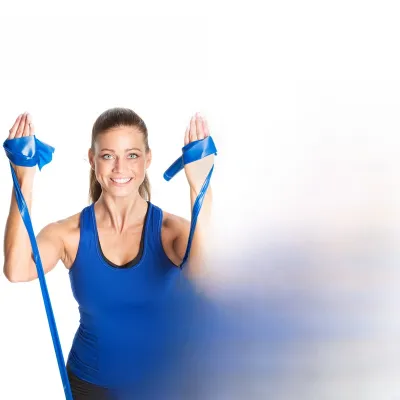
Theraband resistance bands are primarily designed for active assisted stretching and progressive tension control. Unlike static stretching, where you rely solely on gravity or your body weight, these elastic bands allow you to apply measured, incremental tension to specific muscle groups. For example, during a hamstring or calf stretch, the band acts as an extension of your arms, helping you gently pull the limb into a deeper range of motion while maintaining control. This mechanism helps desensitize the nervous system to stretch limits, gradually improving joint mobility without putting excessive stress on recovering tissues.
Products mentioned in this guide
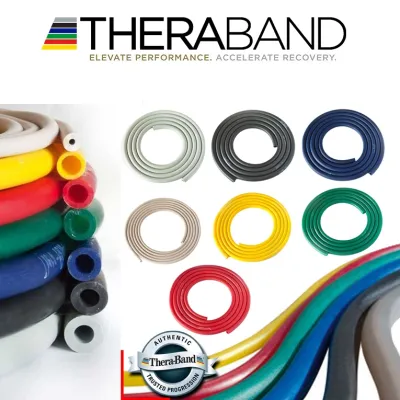
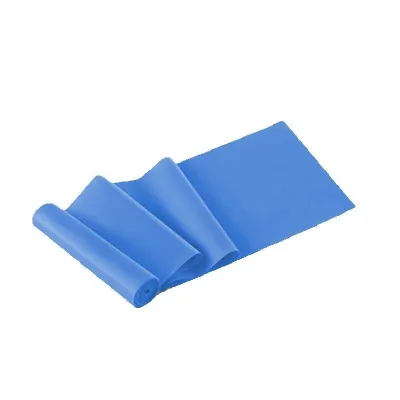
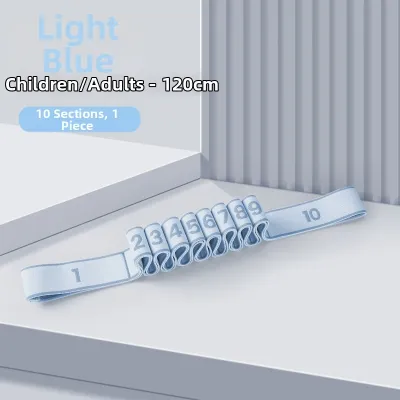
Prices are valid at publication and may change. Please refer to the product page for the latest price.
Foam rollers operate on the principle of broad myofascial release and tissue gliding. When you roll your body weight over a dense foam cylinder, you apply direct, sweeping pressure to the fascia—the connective tissue wrapping around your muscles. This mechanical pressure helps restore sliding capacity between tissue layers, which can become restricted after repetitive running strides. By targeting large muscle groups such as the quadriceps, iliotibial (IT) bands, and calves, foam rolling encourages localized circulation and helps alleviate the sensation of generalized leg heaviness.
Massage guns utilize percussive therapy to deliver rapid, localized pulses of pressure deep into muscle tissue. This high-frequency vibration and mechanical force target specific trigger points or “knots” that are difficult to reach with broad rolling. The rapid percussion temporarily overrides pain signals sent to the brain, allowing the muscle to relax and facilitating localized blood flow. This tool is highly focused, making it useful for deep-tissue stimulation in dense areas like the glutes or piriformis without requiring you to support your body weight on the floor.
Matching Tools to Your Specific Post-Run Needs
Your choice of recovery equipment should align with the specific type of fatigue you experience, your daily schedule, and your physical environment. Runners face different recovery challenges depending on whether they are training for a marathon, completing quick evening jogs, or recovering in a compact living space.

If you frequently experience generalized tightness across your entire lower body after long runs, a foam roller is highly efficient for sweeping across these broad areas. However, if your fatigue manifests as sharp, localized tension in specific spots—such as the sole of the foot or deep in the hip—a massage gun provides the pinpoint accuracy needed to address those exact areas. For runners who feel stiff and struggle with basic mobility exercises, the progressive tension of Theraband resistance bands offers a gentle way to restore flexibility without forcing painful positions.
Time efficiency and physical effort are also critical factors to consider after an exhausting workout. Foam rolling is an active process that requires you to support your body weight in plank-like positions on the floor, which can feel demanding after a grueling long run. In contrast, a massage gun requires very little physical effort; you can sit comfortably on a chair or sofa while the device does the mechanical work. Theraband resistance bands require moderate coordination but allow you to stretch while lying down, making them a relaxing option for winding down in the evening.
Portability and storage are practical realities for urban runners, especially those living in compact apartments where space is limited. A standard foam roller can be bulky to store and difficult to pack in a gym bag or travel luggage. Theraband resistance bands are incredibly lightweight, flat, and can be folded into a pocket, making them the ultimate travel-friendly option for race days or outdoor workouts. Massage guns, particularly compact or “mini” models, offer a middle ground, providing high power in a portable case that easily fits into a backpack.
| Recovery Tool | Primary Use Case | Physical Effort Required | Ideal Fatigue Type | Portability & Storage |
|---|---|---|---|---|
| Theraband Resistance Bands | Assisted stretching & joint mobility | Moderate (requires active holding) | General tightness & restricted range of motion | Excellent (flat, lightweight, fits in pocket) |
| Foam Rollers | Broad myofascial release & tissue gliding | High (requires supporting body weight) | Large-area stiffness (quads, calves, IT bands) | Poor to Moderate (bulky, occupies floor space) |
| Massage Guns | Targeted percussive therapy | Low (passive application while seated) | Deep muscle knots & localized trigger points | Moderate to Good (requires case, travel-friendly mini options) |
Practical Considerations Before Purchasing
Before committing to a purchase, it is important to evaluate the financial investment, the learning curve, and the safety boundaries associated with each tool. Each option carries different long-term costs and physical requirements that can impact your overall satisfaction.
From a budget perspective, Theraband resistance bands are highly accessible, typically costing under S$30 for a set of varying resistance levels. However, latex or non-latex bands can wear out, stretch, or develop micro-tears over time, requiring periodic replacement to prevent snapping. Foam rollers are also highly cost-effective, generally ranging from S$20 to S$60, and they offer exceptional durability with virtually no maintenance. Massage guns represent a much higher initial investment, with prices ranging from S$50 for basic models to several hundred dollars for premium devices. When purchasing a massage gun, you must also consider the long-term reliability of the rechargeable battery and the availability of replacement attachments.
The learning curve varies significantly across these tools. Foam rolling requires proper technique and core strength to avoid placing excessive pressure on sensitive areas or rolling directly over bones. Theraband resistance bands require a basic understanding of leverage and secure anchoring to prevent the band from slipping during a stretch. Massage guns are relatively intuitive to use, but they require a steady hand and strict adherence to safety guidelines to avoid bruising or nerve irritation.
Safety limits and contraindications must be carefully observed to prevent injury. You should never use a massage gun directly on bones, joints, the cervical spine, or acute injuries like sprains and muscle tears. Foam rolling should also avoid bony prominences and the lower back, where there is no rib cage to protect internal organs. When using Theraband resistance bands, always inspect the material for tiny tears before use, and ensure the band is securely anchored to a stable object or looped firmly around your foot to avoid painful snaps.
Designing a Safe and Effective Recovery Routine
Integrating these tools into a structured post-run routine can maximize their benefits while protecting your recovering tissues. You do not have to choose just one; instead, you can sequence them logically to address different aspects of muscle recovery.
A highly effective post-run sequence begins with broad myofascial release using a foam roller to address general stiffness and promote circulation across major muscle groups. Once the large muscle tissues are warmed up and more pliable, you can use a massage gun to target any remaining localized knots or stubborn trigger points. Finally, conclude your session with Theraband resistance bands to perform gentle, assisted static stretches, helping to restore length to the muscles and improve overall joint mobility.
During any recovery session, it is vital to listen to your body’s signals and distinguish between productive discomfort and harmful pain. Productive discomfort often feels like a dull, satisfying ache as tension is released from the muscle. In contrast, sharp, stabbing, or radiating pain is a clear warning sign that you are applying too much pressure or targeting an injured area. If you experience sharp pain, numbness, or tingling, stop using the tool immediately.
Self-treatment tools are designed for general muscle maintenance and temporary relief, not for diagnosing or treating medical conditions. If you experience persistent pain, swelling, or localized tenderness that does not improve after a few days of rest, pause your self-recovery routine. Consult a qualified physiotherapist or medical professional to ensure you are not aggravating an underlying injury, such as a stress fracture or tendonitis.
Frequently Asked Questions (FAQ)
Can I use a massage gun and a foam roller on the same day?
Yes, you can safely use both tools on the same day, provided you do not over-treat the same muscle group. A logical approach is to use the foam roller first to address broad stiffness across your legs, followed by the massage gun for a few minutes on specific, stubborn knots. To avoid over-stimulating the nervous system or causing tissue bruising, limit your total recovery session to 15–20 minutes and avoid applying excessive pressure with either tool. If your muscles feel tender or bruised the next day, reduce the intensity or rest the area completely.
Do Theraband resistance bands actually reduce delayed onset muscle soreness (DOMS)?
Theraband resistance bands are highly effective for improving flexibility and relieving the sensation of muscle tightness, but they do not directly cure or prevent delayed onset muscle soreness (DOMS). DOMS is caused by microscopic tears in muscle fibers following intense exercise, which require time and rest to heal. While gentle, assisted stretching with bands can temporarily alleviate stiffness and improve comfort, it should be combined with active recovery, such as light walking, proper hydration, and adequate sleep, to support the body’s natural healing process.
Community discussion
Share your experience or ask a question. Comments are reviewed before publication.