
Quick Answer: Which Tennis Ball Should You Buy?
The best tennis ball for your game depends on your skill level, playing frequency, and how you practice. For competitive match play, league tournaments, and advanced players who require an authentic feel, precise spin, and responsive bounce, pressurized tennis balls are the essential choice. Their lively performance is unmatched, though they have a very short lifespan.
Conversely, pressureless tennis balls offer superior value for beginners, high-frequency solo practice, and ball machines because they do not lose their bounce over time. Choosing the wrong type leads to either wasted money on pressurized balls that go flat in your bag between occasional sessions, or a stiff, heavy playing experience during a competitive match.
How Pressurized and Pressureless Tennis Balls Work
To understand why these two types of tennis balls perform so differently on the court, it is helpful to examine their internal construction. While they look identical, their cores are engineered on entirely different mechanical principles, dictating how they react when hitting your strings, how they bounce, and how quickly they degrade.
Products mentioned in this guide
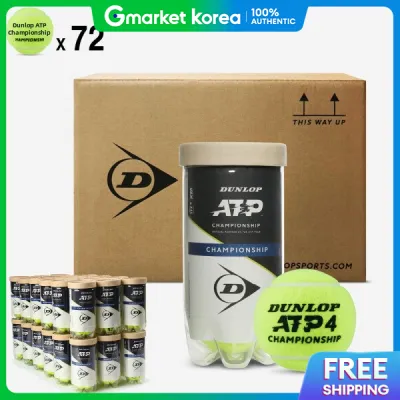
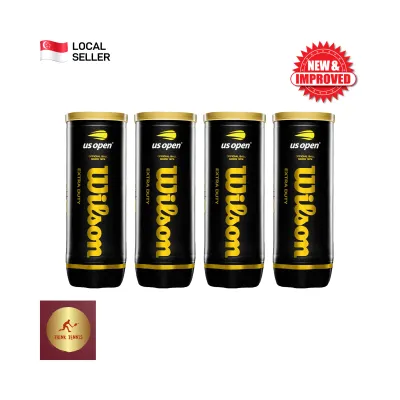
![[BUY 4 CANS AT PRICE OF 3] Wilson Championship Extra Duty Tennis Balls (4 Pack) 12 Tennis Balls - WRT100101](https://img.lazcdn.com/g/p/e4c5d48ca16e86c119d985bee3f966ee.jpg_400x400q80.jpg_.webp)

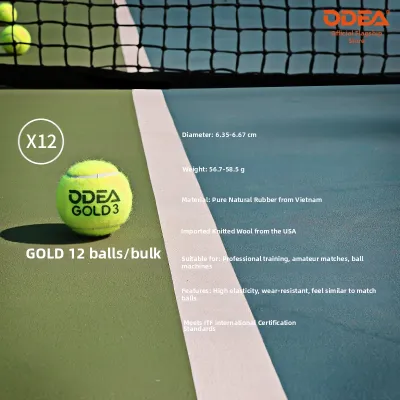
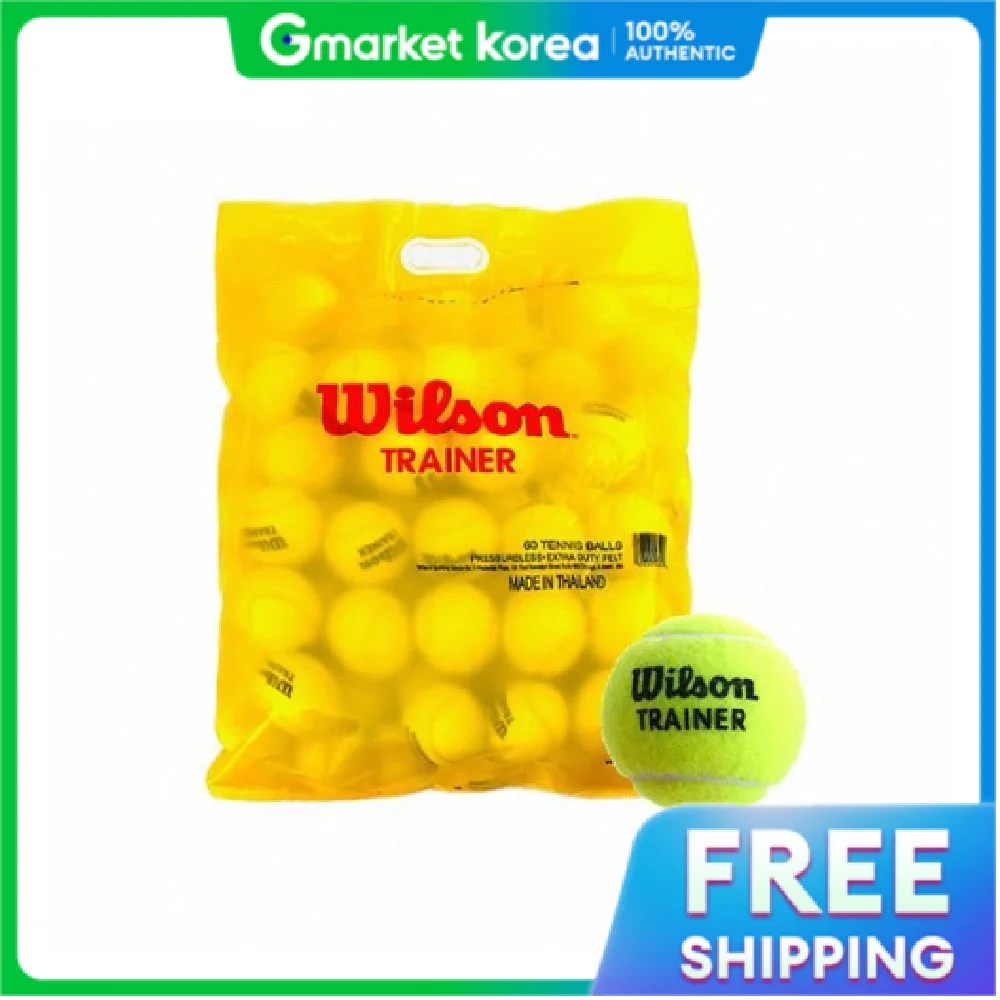
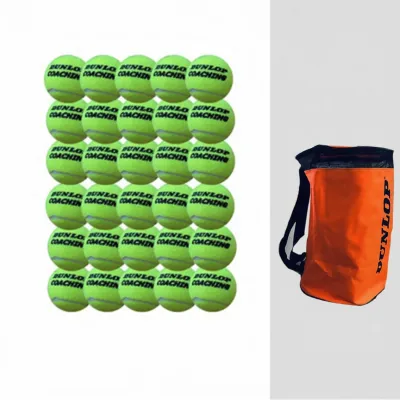
Prices are valid at publication and may change. Please refer to the product page for the latest price.

The Mechanics of Pressurized Balls
Pressurized tennis balls are the standard for professional and high-level recreational play. Inside their hollow rubber core is a pocket of compressed air or nitrogen gas, sealed at an internal pressure of approximately 14 pounds per square inch (psi). This compressed gas pushes outward against the inner walls of the rubber shell, creating a highly elastic, energetic structure.
When the ball makes contact with a racquet or the court, it compresses, and the internal gas acts like a spring, instantly pushing back to propel the ball forward with a lively bounce. To preserve this pressure equilibrium before use, manufacturers package these balls in hermetically sealed plastic or metal cans pressurized to match the ball’s internal pressure. The moment you break the seal, the pressure begins to equalize, starting a slow but irreversible process of gas leakage through the porous rubber shell.
The Mechanics of Pressureless Balls
Pressureless tennis balls operate on a completely different mechanical design. Instead of relying on trapped gas to provide elasticity, these balls feature a solid or much thicker, denser rubber core. The bounce of a pressureless ball is generated entirely by the physical structure and natural elasticity of the rubber compound itself.
Because there is no pressurized gas inside, they do not require sealed packaging and are typically sold loose in mesh bags or bulk boxes. This design leads to a highly counterintuitive performance characteristic: as you play with pressureless balls, the repeated impact of the racquet softens the stiff rubber core, actually making the ball slightly bouncier and more resilient over time. While a pressurized ball slowly loses its bounce and goes “dead,” a pressureless ball will maintain or even slightly increase its bounce until the outer felt eventually wears away.
Performance and Longevity: Pressurized vs. Pressureless
The mechanical differences between these two types of tennis balls translate directly into distinct on-court experiences. Players must weigh the performance characteristics against the durability of each option to find the best match.
Bounce, Feel, and Playability
Pressurized tennis balls deliver the classic, high-performance experience that most players associate with the sport. When a pressurized ball hits the strings, the soft, compressible core absorbs the impact smoothly, providing a cushioned feel and a satisfying, crisp “pop” sound. This compressibility allows the ball to deform slightly against the racquet face, increasing the dwell time and allowing players to generate significant spin and directional control. The bounce off the court is sharp, predictable, and lively, allowing for fast-paced rallies and authentic game dynamics.
In contrast, pressureless tennis balls have a noticeably stiffer and heavier feel upon impact. Because the thick rubber core does not compress as easily as a gas-filled shell, hitting a pressureless ball produces a duller, hollow “thud” sound. This stiffness can transmit more vibration up the racquet handle, which can feel harsh on the player’s arm and wrist. Generating heavy spin or deep, penetrating shots requires more physical effort and precise technique, as the ball does not sink into the string bed as deeply. The flight path and bounce of a pressureless ball can also feel slightly heavier and slower through the air, which does not accurately replicate tournament or match-play conditions.
Durability and Lifespan
The primary drawback of pressurized tennis balls is their incredibly brief lifespan. From the moment the can is unsealed, gas molecules begin to diffuse through the semi-porous rubber wall. Even if left completely unused on a shelf, an opened pressurized ball will lose a noticeable amount of its bounce within a few weeks. Under the physical stress of active play, this pressure loss accelerates rapidly. An intense two-hour singles match can deplete enough internal pressure to render the balls “dead” or flat, even if the outer felt remains in pristine condition.
Pressureless tennis balls are the undisputed champions of longevity. Because they do not rely on internal gas pressure, they never go dead in the traditional sense. You can leave a bag of pressureless balls in your storage locker or car boot for months, and they will bounce just as high as the day you bought them. Their primary failure point is the gradual wearing down of the outer felt cover. Over hours of friction against court surfaces and racquet strings, the felt becomes thin, frayed, and smooth. This baldness reduces aerodynamic drag, causing the ball to fly faster and less predictably, and reduces its grip on the court surface. However, until the felt is completely gone, the ball remains fully functional for practice.
| Feature | Pressurized Tennis Balls | Pressureless Tennis Balls |
|---|---|---|
| Core Mechanism | Compressed gas/air inside a thin rubber shell | Thick, dense, elastic rubber shell with no internal gas |
| Initial Bounce | Very lively, crisp, and responsive | Moderately active, slightly heavy, and stiff |
| Bounce Over Time | Decreases rapidly as gas diffuses out | Remains constant or increases slightly as rubber softens |
| Feel and Stiffness | Soft, cushioned impact with a crisp "pop" sound | Stiff, firm impact with a dull "thud" sound |
| Primary Failure Point | Loss of internal gas pressure (ball goes flat/dead) | Wear and thinning of the outer felt cover |
| Ideal Lifespan | One to three matches; up to a few weeks once unsealed | Several months of regular practice |
Which Ball Fits Your Playing Frequency and Skill Level?
To maximize the value of your purchase, it is helpful to match the characteristics of each ball type to your specific playing habits, skill level, and training setup.
Beginners and Casual Players
For those who are just starting to learn the game or who only play occasionally, pressureless tennis balls are often the most practical and economical choice. Beginners are primarily focused on developing consistent stroke mechanics, hand-eye coordination, and footwork. At this stage, the subtle differences in spin generation and dwell time offered by pressurized balls are less critical than having a ball that bounces reliably every time you step onto the court.
If you only play once a month, keeping a can of pressurized balls is highly inefficient. You would need to open a fresh can (costing around S$7 to S$12 in Singapore) for every session, as previously opened balls would go flat in your closet. A set of pressureless balls can be stored indefinitely, saving you significant money over the course of a year.
However, a vital safety caveat must be considered. Because pressureless balls are physically stiffer and require more effort to propel, they transmit greater impact shock to the joints. If you are a beginner with a history of wrist, elbow, or shoulder discomfort, you should verify with a certified coach or a medical professional before committing to pressureless balls. The repeated shock of hitting a stiffer ball with developing technique can sometimes exacerbate conditions like lateral epicondylitis (tennis elbow).
Advanced and Competitive Players
For advanced players, club competitors, and anyone preparing for tournament play, pressurized tennis balls are an absolute necessity. At a higher level of play, tennis is a game of fine margins, where spin, depth control, and predictable ball behavior dictate the outcome of a point. The softer feel and superior compression of pressurized balls allow advanced players to execute precise topspin dips, sharp-angled slices, and powerful serves with confidence.
Using pressureless balls for competitive matches or serious training sessions can be counterproductive. Because pressureless balls behave differently—flying slightly heavier and bouncing with a different energy profile—practicing with them can disrupt a competitive player’s timing and muscle memory. When transitioning back to pressurized balls for an official match, the player may find their depth control and timing slightly off. For these players, the higher recurring cost of purchasing fresh cans of pressurized balls is simply an accepted cost of maintaining peak performance and competitive readiness.
High-Frequency Practice and Ball Machines
When it comes to repetitive drills, serving practice, and automated ball machines, pressureless tennis balls are the undisputed industry standard. If you are practicing your serve, you need a large volume of balls—often 50 to 100 in a basket—to avoid constantly collecting them. Filling a practice basket or a ball machine hopper with pressurized balls is expensive and impractical, as the entire batch would lose its bounce within a few weeks, requiring a costly replacement.
Furthermore, pressureless balls are highly compatible with the mechanical inner workings of ball machines. Many tennis ball machines use spinning counter-rotating wheels to launch the balls. The consistent thickness and structural rigidity of pressureless balls allow these wheels to grip and eject the balls with highly consistent velocity and spin, without jamming. Pressurized balls, as they soften and lose pressure at uneven rates, can lead to erratic launching distances and frequent machine jams. A bulk bag of 50 to 72 pressureless balls (typically ranging from S$60 to S$100) represents an investment that will last through thousands of machine repetitions and coaching drills over several years, making it an incredibly high-value purchase for dedicated training.
Final Verdict: How to Choose the Right Tennis Ball
To make your final purchasing decision simple and straightforward, you can use the following actionable decision framework based on your specific playing context:
Choose Pressurized Tennis Balls if:
- You play competitive matches, participate in local leagues, or are training for sanctioned tournaments.
- You prioritize an authentic, responsive feel, excellent spin potential, and a crisp impact sound.
- You play frequently enough to justify opening a fresh can regularly, and you do not mind the higher recurring cost.
- You have sensitive joints or a history of tennis elbow and require a softer, more shock-absorbing ball.
Choose Pressureless Tennis Balls if:
- You own or regularly use a tennis ball machine for solo practice.
- You are setting up a dedicated practice basket for high-volume serving drills or coaching sessions.
- You are a beginner or casual recreational player who plays infrequently (e.g., once a month) and wants balls that can be stored for long periods without losing their bounce.
- You want to maximize your budget and minimize the need to constantly purchase replacement balls.
Verify First if:
- You suffer from chronic joint pain, wrist issues, or tennis elbow. If you fall into this category but want the cost savings of pressureless balls, test a small pack of three first. Pay close attention to how your arm feels after a session before investing in a large bulk bag.
- You are buying balls for a specific training facility or coach. Always verify if they have a preference, as some coaches prefer the authentic feel of pressurized balls for lesson consistency despite the shorter lifespan.
A practical approach adopted by many players in Singapore is to maintain a hybrid inventory. Keep a bulk basket of durable pressureless balls at home or in your car boot for solo serve practice and machine drills, and keep a few unopened cans of high-quality pressurized balls ready in your gear bag for weekend matches. This strategy provides the best of both worlds: economic value for training and peak athletic performance when every point counts.
Frequently Asked Questions (FAQ)
Can I use pressureless tennis balls for official matches?
Standard pressureless tennis balls are generally not permitted in official, sanctioned tournament play. Governing bodies, such as the International Tennis Federation (ITF) and local organizations like the Singapore Tennis Association (STA), maintain strict technical specifications regarding ball weight, size, deformation, and bounce height to ensure a fair and standardized playing field. Because pressureless balls are significantly stiffer and have different flight and bounce dynamics than pressurized models, they do not meet the standard specifications required for official competitive events. Always check the specific tournament or league rules before purchasing balls, as playing with unapproved equipment can lead to disqualification.
How should I store pressurized tennis balls to make them last longer?
Once the hermetic vacuum seal on a can of pressurized tennis balls is broken, the internal gas begins to escape, and there is no way to completely stop this natural diffusion process. To maximize their shelf life before opening, store unopened cans in a cool, dry place away from direct sunlight and extreme temperature fluctuations, which can alter the internal pressure. If you live in a hot, humid climate like Singapore, avoid leaving tennis cans in a hot car trunk, as excessive heat can expand the gas inside and compromise the seal. Once a can is opened, storing the balls in a cool environment can slightly slow down gas loss, but popular myths like freezing the balls or using DIY pressurized storage tubes will not fully restore their original factory bounce or structural integrity once they have gone dead.
Community discussion
Share your experience or ask a question. Comments are reviewed before publication.