
When determining what protective pads you actually need for inline skating, the answer depends on your skill level and skating style, but the absolute non-negotiable baseline for every skater consists of a properly fitted helmet and wrist guards. While knee and elbow pads are highly recommended for beginners and specific high-risk styles, wrist guards and helmets protect against the most common and severe injuries. By assessing your personal risk profile and understanding how different pads function, you can build a safety setup that matches your skating environment without restricting your mobility.
The Baseline: What Every Inline Skater Should Wear
Before you step onto the asphalt, establishing a non-negotiable safety baseline is essential. Regardless of your experience or where you plan to skate, a certified helmet and a pair of wrist guards form the absolute minimum protective wear. This requirement is rooted in human biomechanics: when you lose your balance, your body’s natural, involuntary reflex is to extend your arms to break the fall. This instinct makes wrist injuries, such as fractures and severe sprains, the most common trauma experienced by inline skaters. Simultaneously, while head impacts may occur less frequently than limb scrapes, they carry the most severe, life-altering consequences, making head protection mandatory.
It is vital to understand that designating other gear as “optional” does not mean those items are unnecessary or redundant. Instead, it indicates that the requirement for knee and elbow protection is variable, depending directly on your personal risk profile, physical environment, and skating discipline. Skipping these optional pieces should only be done after a conscious assessment of your skill limits, rather than out of convenience or aesthetic preference.
Products mentioned in this guide
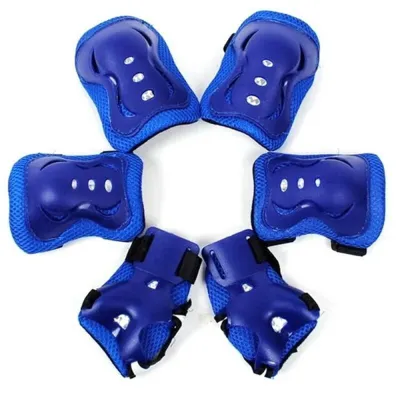
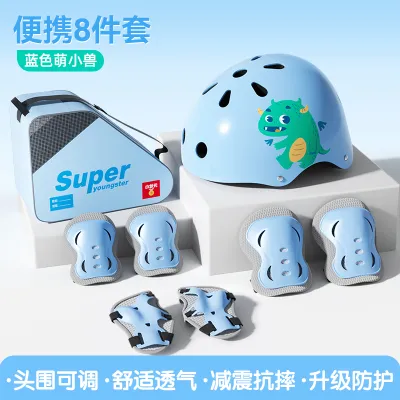

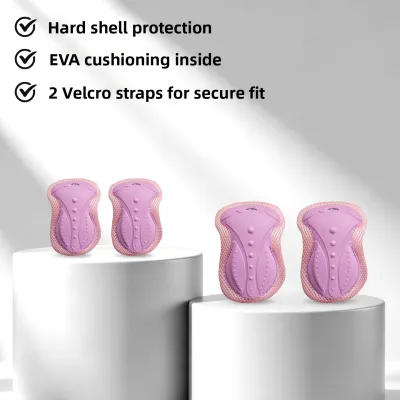
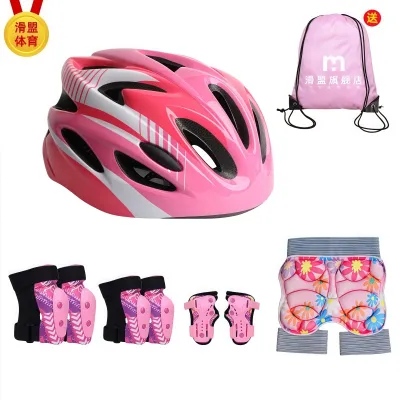
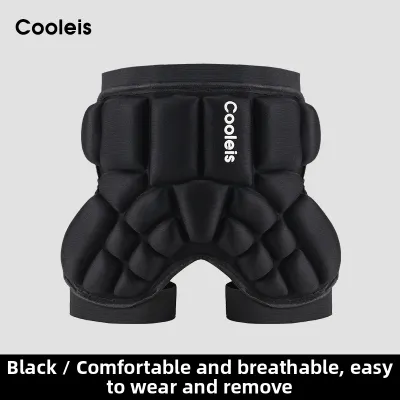
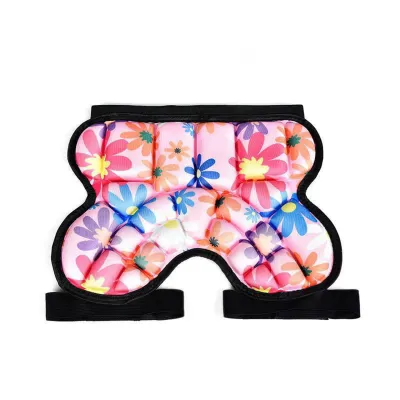
Prices are valid at publication and may change. Please refer to the product page for the latest price.
Choosing Protective Pads for Inline Roller Skates: How Skill and Style Dictate Your Risk
Every skater possesses a unique risk profile that evolves over time. To determine what level of protection you need, you must conduct a realistic self-assessment of your current abilities, physical conditioning, and the specific environments you navigate. While high-quality protective pads for inline roller skates significantly reduce the severity of injuries, they cannot replace formal instruction, physical practice, and the development of proper falling techniques.

Beginner vs. Advanced Skaters
For beginners, comprehensive, full-body protection is highly recommended. Novice skaters are still developing their balance, edge control, and stopping techniques, which means falls are frequent, highly unpredictable, and often happen at low speeds where the body drops directly downward. Because beginners have not yet trained their muscle memory to execute controlled slides or safe-falling postures, they tend to land heavily on their knees, elbows, and wrists. Wearing a full set of pads acts as both a physical shield and a psychological safety net, allowing new skaters to build confidence and muscle memory without the constant fear of painful scrapes or joint impacts.
In contrast, advanced skaters have typically mastered multiple stopping methods, transition turns, and the art of the controlled fall. When an experienced skater loses balance, they often know how to dissipate impact energy by sliding on hard plastic skate caps or rolling through the fall, rather than absorbing the shock directly through their joints. Consequently, some advanced skaters choose to selectively omit certain pads during low-risk activities, such as fitness skating on familiar, flat paths. However, even the most skilled skaters must recognize that unexpected obstacles can override technical skill, making basic protection a constant necessity.
Skating Styles and Environments
The discipline of inline skating you choose dictates the forces your body will encounter during a fall. Recreational fitness skaters who cruise along smooth, dedicated paths face a lower risk of high-impact collisions, though they must still watch out for stray twigs, pebbles, and sudden pedestrian movements. On the other end of the spectrum, aggressive and street skaters who perform tricks on stairs, handrails, and concrete ledges subject themselves to vertical drops and high-velocity impacts. This style of skating demands heavy-duty, reinforced pads that can withstand repeated abrasive contact with rough stone and metal.
Environmental factors also play a massive role in determining your protective needs. Urban commuters skating through city streets must navigate uneven pavements, tactile paving, drainage grates, and unpredictable traffic. In a bustling city environment like Singapore, where skaters share pathways with pedestrians, active mobility devices, and vehicles, the margin for error is slim. Even an advanced skater can be forced into an emergency stop or a sudden fall by a distracted pedestrian or a sudden change in surface texture. Therefore, skating in mixed-use urban spaces elevates the necessity of full protective gear, regardless of your personal skill level.
Before heading out, perform a pre-skate safety check on your equipment and assess your own ability limits. No amount of protective gear can replace proper training, physical judgment, or the knowledge of how to stop safely. If weather conditions deteriorate, making surfaces slippery, or if you encounter heavy traffic, it is best to stop skating and walk.
Pad-by-Pad Breakdown: Essential vs. Optional Protection
To build the right safety setup, it is helpful to evaluate each piece of protective gear individually. Understanding the mechanics of how each pad protects your body allows you to make informed decisions based on your current skating activities and safety requirements.
Wrist Guards: The First Line of Defense
Wrist guards are the single most important piece of protective gear for inline skaters of all levels. When you fall forward, your brain automatically signals your hands to reach out, placing the delicate bones of your wrists directly in the line of impact. A high-quality wrist guard features a rigid, contoured plastic splint on the palm side, and often a secondary support splint on the back of the hand. This design serves two critical functions: it prevents the wrist from hyperextending backward during a hard landing, and it allows the hand to slide along the pavement, dispersing the forward momentum rather than transferring the entire force of the impact up into your elbow and shoulder. When selecting wrist guards, verify that they fit securely around the palm and wrist while still allowing your fingers to move naturally.
Helmets: Protecting the Most Critical Asset
A helmet is a non-negotiable safety requirement for every single skate session, regardless of whether you are practicing basic strides in a quiet parking lot or commuting through busy streets. However, not all helmets are designed to handle the same types of impacts. Standard bicycle helmets are typically designed for single, high-energy impacts and feature thin plastic shells over thick EPS foam that deforms permanently upon collision to protect the brain. Skate-specific helmets, on the other end, often feature a thicker ABS plastic shell designed to withstand multiple lower-energy impacts, which are common in action sports. When purchasing a helmet, do not rely solely on brand marketing; always inspect the product label to verify that it meets recognized safety certifications, such as the EN 1078 European standard or the CPSC American standard, ensuring it has undergone rigorous safety testing.
Knee Pads: Cushioning the Most Common Impact
Knee pads are highly essential for beginners, aggressive skaters, and anyone practicing advanced maneuvers like slides or transitions. During a forward fall, the knees are highly susceptible to striking the ground first. Quality knee pads feature thick, shock-absorbing EVA foam covered by a hard, abrasion-resistant plastic cap. This cap allows you to slide out of a fall on your knees, which is the safest way to terminate forward momentum on asphalt. For highly experienced fitness skaters who stick exclusively to smooth, familiar, and dedicated recreational paths, knee pads may occasionally be considered optional, but wearing them remains the safest choice to prevent severe skin abrasions and joint bruising.
Elbow Pads: The Situational Protector
Elbow pads provide targeted protection for the joint that often bears the brunt of backward or sideways falls. Because backward falls are less common during basic forward skating, elbow pads are frequently classified as situational or optional for intermediate and advanced fitness skaters. However, they become essential whenever you are pushing your boundaries or learning new techniques. If you are practicing backward skating, learning transitions, executing 180-degree turns, or tackling ramps, the risk of slipping backward onto your tailbone and elbows increases dramatically. In these scenarios, wearing elbow pads prevents painful bone bruises and fractures, while allowing you to focus on mastering the physical mechanics of the movement.
Sizing, Climate, and Care: Adapting Your Gear for Singapore's Weather
Selecting the right protective pads for inline roller skates involves more than just picking a style; you must also consider local climate conditions, proper fitment, and ongoing maintenance. In Singapore’s tropical climate, high temperatures and intense humidity can make wearing heavy protective gear uncomfortable, leading some skaters to skip pads altogether. To combat this, look for protective gear specifically designed with high-breathability features. Seek out pads that utilize moisture-wicking interior fabrics, perforated EVA foam, and breathable mesh panels that facilitate airflow. Additionally, choosing pads with removable, machine-washable fabric liners will help manage sweat buildup, prevent unpleasant odors, and reduce the risk of skin chafing or bacterial irritation.
To ensure your protective gear performs as intended during a fall, obtaining an accurate fit is crucial. Pads that are too loose will slide out of position during an impact, leaving your joints completely exposed, while pads that are too tight can restrict blood flow, cause muscle cramping, and limit your range of motion. To find your size, use a flexible measuring tape to measure the circumference of your joints according to the manufacturer’s specific sizing chart. When trying on pads, perform a quick physical check: the straps should secure the pad firmly so that it does not shift when you shake your arm or leg vigorously, but you should still be able to comfortably bend your elbows and knees through their full range of motion.
Protective gear does not last indefinitely, and its shock-absorbing capabilities degrade over time and through physical wear. Regularly inspect your pads for indicators that they need to be replaced. Check for deep cracks or structural damage in the hard plastic caps, as compromised plastic can shatter upon impact. Inspect the internal EVA foam; if it feels permanently compressed, hard, or fails to rebound when pressed, it can no longer absorb impact forces effectively. Finally, look for frayed straps, stretched-out elastic, or failing hook-and-loop fasteners that could cause the pad to slip off during a fall. If any of these conditions are present, replace the gear immediately to maintain your safety on the pavement.
Frequently Asked Questions (FAQ)
Can I use skateboard pads for inline roller skating?
Yes, many skateboard pads are highly compatible with inline skating because both sports involve similar impact risks on hard concrete surfaces. However, there are subtle differences in design and posture. Inline skaters tend to fall forward more frequently, making heavy-duty wrist guards with robust plastic splints particularly vital. Skateboarders, conversely, often fall sideways or backward, sometimes prioritizing different hip or elbow protection. If you choose multi-sport or skateboard pads, always verify that the wrist guards contain a rigid, high-impact splint on the palm to properly handle forward-sliding falls.
Do I need protective pads if I only skate on smooth indoor rinks?
While skating on a smooth indoor rink eliminates environmental hazards like pebbles, twigs, wet leaves, and traffic, it does not eliminate the risk of falling. Indoor rink surfaces, typically made of polished hardwood, coated concrete, or synthetic materials, are extremely hard and offer no shock absorption. Falling on these surfaces at speed can still result in severe wrist fractures, joint bruising, or head injuries. Therefore, even in a controlled indoor environment, wearing a certified helmet and wrist guards remains highly advisable, especially if you are practicing new footwork or skating at high speeds.
How tight should inline skating protective pads be?
Your protective pads should fit snugly enough to remain firmly in place during a high-velocity slide, but not so tight that they restrict your circulation or pinch your skin. A practical way to test the fit is to fasten the straps and move your joint through its full range of motion. If you feel a pinching sensation behind your knee or inside your elbow, or if your fingers begin to feel cold or tingle, the straps are too tight. Conversely, if you can easily slide two fingers under the main body of the pad or if it shifts when you vigorously shake your limb, the pads are too loose and must be adjusted or resized.
Community discussion
Share your experience or ask a question. Comments are reviewed before publication.