
Choosing between PU (polyurethane) and towel badminton grip tape depends entirely on your sweat level, playing environment, and preferred racket feel. PU grips provide a tacky, secure hold ideal for dry to moderate hands and air-conditioned courts, while towel grips offer superior moisture absorption for heavy sweaters and humid conditions. The grip is the sole point of contact between your hand and your racket, meaning your choice directly influences your control, shot accuracy, and overall comfort during intense rallies. Selecting the wrong type can lead to a slipping racket, reduced swing speed, or painful blisters.
To make an informed decision, players must look beyond aesthetics and analyze how different materials interact with skin friction, moisture, and racket handle geometry. Whether you are a casual player or a competitive club athlete, understanding these dynamics allows you to optimize your equipment for your physical needs and playing conditions.
Core Differences Between PU and Towel Grip Tapes
The fundamental distinction between PU and towel grips lies in their material composition and how they generate friction. PU grips are manufactured from polyurethane, a synthetic polymer engineered to offer varying levels of tackiness, softness, and durability. The surface of a PU grip is smooth and slightly rubbery, designed to stick to dry or slightly damp skin. This adhesive quality provides an immediate sense of security, allowing you to hold the racket with a relaxed hand until the moment of impact.
Products mentioned in this guide
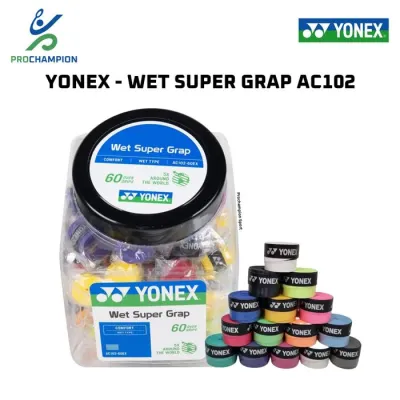
![Yonex Super Grap (3pcs in 1 roll/pack) [For Badminton/Tennis AC102EX]](https://img.lazcdn.com/g/p/15485796f0bf3289861499713af790d6.jpg_400x400q80.jpg_.webp)
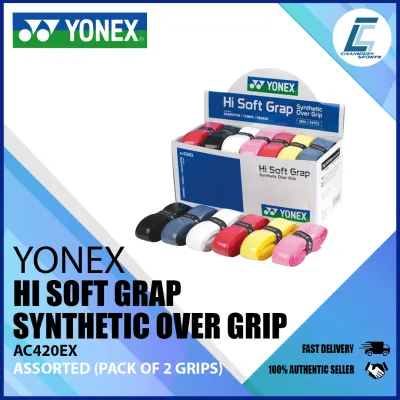
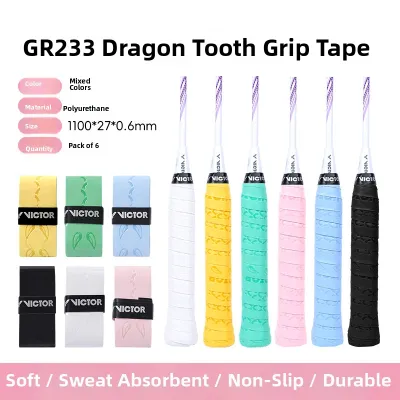
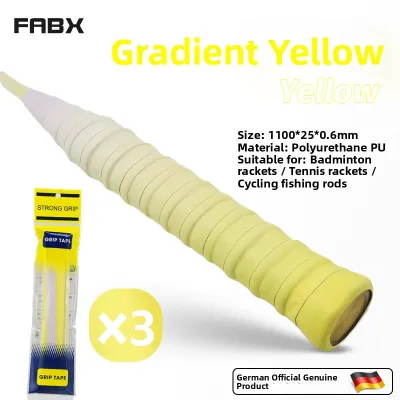
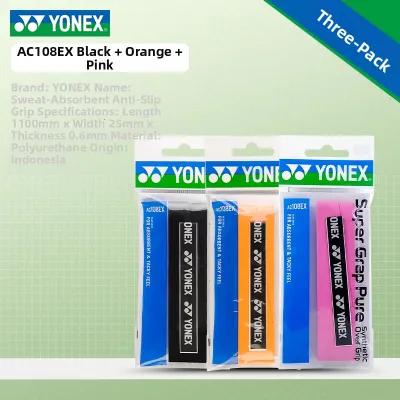
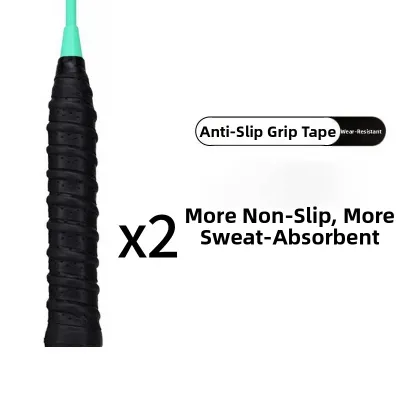
Prices are valid at publication and may change. Please refer to the product page for the latest price.
In contrast, towel grips are made from cotton or terry cloth blends, mimicking the texture of a standard towel. Instead of relying on chemical tackiness, towel grips use the physical texture of woven cotton loops to create mechanical friction. This material does not feel sticky to the touch; rather, it offers a dry, soft, and highly textured surface. The cotton fibers are designed to trap moisture within their structure, maintaining grip stability even when completely saturated with sweat.
Thickness and cushioning also differ significantly between these two categories. PU overgrips are typically very thin, often ranging from 0.5mm to 0.7mm. This thin profile allows players to feel the distinct bevels of the wooden racket handle, which is essential for making rapid, precise grip adjustments between forehand and backhand shots. Towel grips are inherently much thicker and heavier due to the woven fabric loops. While this thickness provides excellent shock absorption and a cushioned feel that reduces hand fatigue, it also rounds out the handle bevels, resulting in a more cylindrical grip shape.
Matching Grip Tape to Your Sweat Level and Environment
Your physiological sweat response and the environment in which you play are the primary factors that should dictate your grip choice. In high-humidity regions, such as indoor sports halls in Singapore that lack climate control, players face a double challenge: high ambient moisture and heavy perspiration. Under these conditions, a PU grip can quickly lose its effectiveness. Once a thin layer of sweat coats the non-porous polyurethane surface, it acts as a lubricant, causing the racket to twist or slip during high-speed swings. For heavy sweaters, a towel grip is highly advantageous because it actively draws moisture away from the palm, ensuring the hand remains dry enough to maintain a firm hold.

Conversely, playing in air-conditioned indoor halls or cooler climates presents a different set of conditions. In these environments, sweat evaporates more quickly, and players with light to moderate perspiration will find that PU grips perform exceptionally well. The dry air helps maintain the natural tackiness of the polyurethane, providing a reliable hold without requiring excessive grip pressure. Using a towel grip in a dry, air-conditioned hall can be counterproductive for players who do not sweat heavily; the cotton fibers remain dry and can feel scratchy, slippery, and abrasive against the skin, potentially leading to friction blisters.
It is also important to consider how temperature and humidity accelerate the degradation of each material. High heat and humidity cause the synthetic compounds in PU grips to break down more rapidly, leading to a slick or overly gummy texture over time. Towel grips do not degrade chemically in the heat, but they are highly sensitive to cumulative moisture exposure. When exposed to constant sweat without adequate drying time, the cotton fibers stiffen and lose their loft, requiring frequent monitoring to ensure they still provide adequate slip resistance.
Evaluating Durability, Maintenance, and Replacement
Understanding the wear patterns and maintenance needs of each grip type is essential for maintaining peak performance and hygiene. PU grips wear down through friction and chemical breakdown. Over time, the tacky top layer will rub off, leaving smooth, shiny patches that offer little traction. You may also notice the material thinning, tearing, or peeling away from the handle, especially near the thumb and index finger contact points. While PU grips do not absorb much moisture, they can accumulate dirt and skin oils, which can be gently wiped down with a damp cloth to temporarily restore some tackiness, though this is a short-term fix.
Towel grips degrade in a completely different manner. Because they are highly absorbent, they act like a sponge for sweat, skin cells, sebum, and dirt. As the sweat evaporates, it leaves behind salt crystals and organic residue that cause the cotton fibers to mat down, harden, and become rough. A hardened towel grip loses its ability to absorb moisture and becomes incredibly slippery and unhygienic. Unlike PU, towel grips cannot be effectively cleaned or wiped down; once they become stiff, dirty, or begin to smell, they must be replaced entirely.
To prevent blisters, hand fatigue, or a loss of racket control, players should establish regular visual and tactile checks. For PU grips, replace the tape as soon as you notice a loss of tackiness, visible peeling, or if your hand begins to slip during normal play. For towel grips, replacement must be much more frequent. If the fabric feels stiff like cardboard, looks discolored, or emits a sour odor, it is overdue for a change. Keeping a fresh grip on your racket ensures consistent friction and protects your hand from the abrasive friction of worn-out materials.
Decision Framework: Choose PU or Towel Based on Your Profile
To finalize your choice, evaluate your playing profile against the specific characteristics of each grip type. This structured approach ensures you select a material that complements your physical needs and playing style.
Choose PU if you meet the following criteria:
- You have light to moderate hand perspiration.
- You play primarily in air-conditioned halls or dry climates.
- You prefer a thin handle that allows you to feel the wooden bevels for precise shot control.
- You want a low-maintenance grip that lasts through multiple sessions before needing replacement.
Choose Towel if you meet the following criteria:
- You experience heavy palm sweat or play in hot, humid, non-air-conditioned environments.
- You prefer a soft, cushioned, towel-like feel and do not mind a thicker handle.
- You are willing to replace your grip frequently to maintain hygiene and performance.
- You prioritize maximum moisture absorption over long-term material durability.
Before making a permanent transition between these two grip types, verify how the change will affect your racket’s physical properties. Switching from a thin PU overgrip to a thick towel grip will increase the overall handle circumference. A larger handle limits finger dexterity, which can affect your ability to generate quick wrist snaps. Additionally, towel grips are heavier than PU grips, especially when wet. Adding weight to the handle shifts the racket’s balance point toward the grip, making the racket feel more headlight. This shift can alter your swing mechanics, timing, and power delivery, requiring a period of adjustment to rebuild your consistency on the court.
Frequently Asked Questions (FAQ)
Can I use a towel grip over an existing PU grip?
While it is physically possible to wrap a towel grip over an existing PU grip, it is generally not recommended. Layering a thick towel grip over another grip makes the handle excessively bulky and spongy. This extra thickness rounds out the handle bevels completely, making it difficult to feel the orientation of the racket face, which is critical for executing precise shots. Furthermore, wrapping a towel grip over a PU grip traps moisture between the layers, which can seep into the wooden handle underneath and cause it to rot or weaken over time. For the best results, remove the old grip entirely and apply a cushion wrap or underwrap before wrapping your towel grip directly onto the handle.
Do professional badminton players prefer PU or towel grips?
Professional badminton players do not have a single, universal preference; their choices are highly individualized. Many top-tier players who sweat heavily or play in warm, humid international venues prefer towel grips because they offer unmatched slip resistance during high-stakes matches. These players often change their towel grips before every match, or even between games, to ensure maximum absorption. On the other hand, players who rely on extreme finger precision and deceptive net play often prefer thin PU grips to maintain maximum feedback from the handle bevels. Ultimately, professional selection is dictated by personal comfort, sweat volume, and the specific playing conditions of the tournament venue.
How does grip tape thickness affect my wrist action and power?
Grip tape thickness plays a direct role in the biomechanics of your swing. A thinner grip, typical of PU overgrips, allows your fingers to wrap tightly around the handle, maximizing your finger power and wrist flexibility. This is highly beneficial for defensive play, quick flat exchanges, and deceptive shots where rapid wrist snaps are required. A thicker grip, which is common with towel grips, fills the palm of your hand more completely. While this can feel more secure and comfortable for raw power shots like smashes, it restricts the range of motion in your fingers and wrist, making subtle angle adjustments and quick grip transitions more challenging.
Community discussion
Share your experience or ask a question. Comments are reviewed before publication.