
Quick Answer: Which Pull-Up Bar Type Fits Your HDB Flat?
Selecting the right pull-up bar for a Singapore Housing & Development Board (HDB) flat depends on your tenancy status, available floor space, and wall composition. Because HDB flats feature specific structural designs and strict renovation guidelines, a single style does not suit every household.
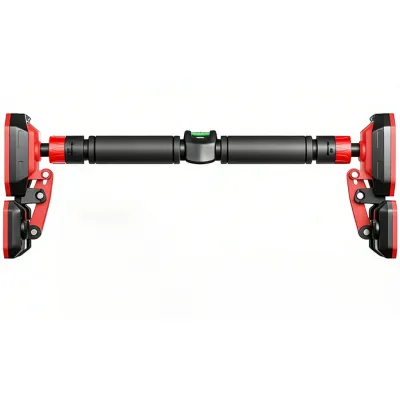
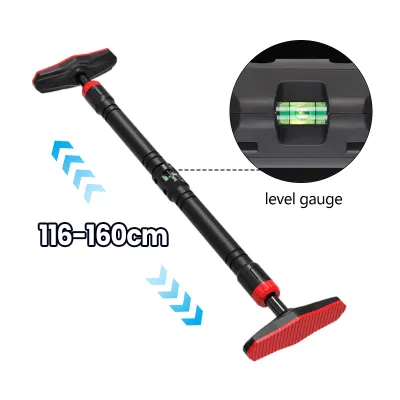
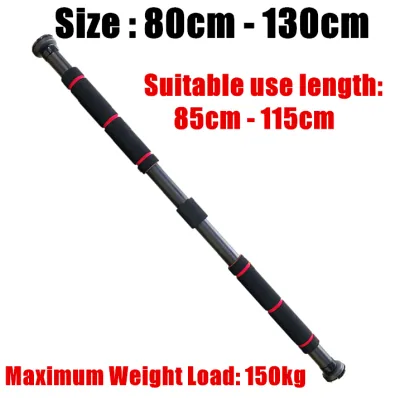
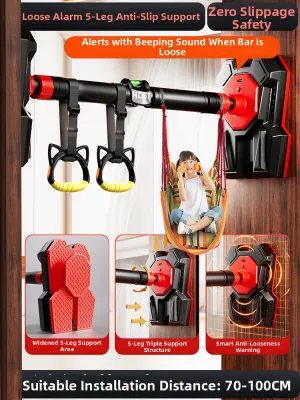
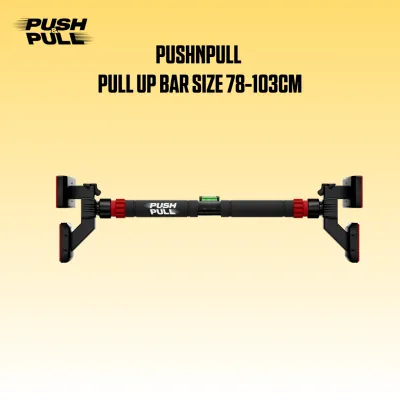
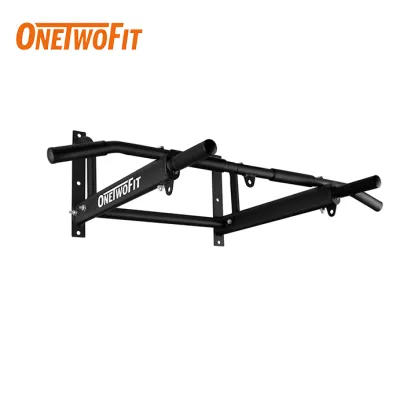
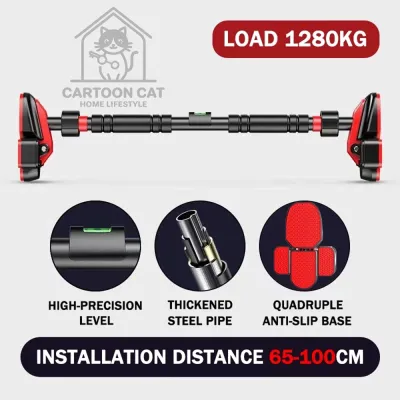
For tenants or those who prefer a damage-free setup, a doorway pull-up bar offers a compact, removable solution that requires no drilling. If you own your flat and want maximum stability for dynamic or weighted workouts, a wall-mounted pull-up bar is highly effective, provided you anchor it into a solid concrete structural wall. For those with ample floor space who want a multi-functional workout station without drilling, a free-standing power tower is an excellent alternative.
Understanding these trade-offs helps prevent structural damage to your home and ensures your workout routine remains safe and consistent.
Products mentioned in this guide
![[Ready Stock] UltimateSup Wall Mounted Pull Up Bars Portable Home Chin Up Fitness Equipment Pull Up Bar No Drilling Load Bearing](https://img.lazcdn.com/g/p/9e3a5040799705b35dace88921b6ab7b.png_400x400q80.png_.webp)
Prices are valid at publication and may change. Please refer to the product page for the latest price.
Assessing Your HDB Flat Layout and Structural Limits
Before purchasing any home fitness equipment, you must evaluate the physical constraints of your flat. Standard HDB ceiling heights typically range from 2.6 to 2.8 meters, which limits the vertical clearance available for pull-ups. You need to ensure there is enough overhead space for your head to clear the bar without hitting the ceiling.

Tenancy agreements and HDB renovation rules heavily influence your installation options. If you are renting, drilling into walls is generally prohibited or requires written landlord approval. Even as a homeowner, you must comply with structural safety guidelines. For example, drilling into the reinforced concrete walls or door frames of your household shelter (bomb shelter) is strictly prohibited by HDB regulations to preserve its protective integrity.
Identifying your wall materials is the next critical step. HDB flats contain a mix of structural concrete walls, which can support heavy loads, and non-structural partition walls, such as drywall or lightweight concrete blocks. Partition walls cannot support the leverage and weight of a wall-mounted pull-up bar. Attempting to mount heavy equipment on these surfaces can lead to severe wall damage and sudden structural failure during use.
Doorway Pull-Up Bars: Space-Saving but Structure-Dependent
Doorway pull-up bars are popular for their convenience and minimal space requirements. They generally fall into two categories: telescopic tension bars that wedge inside the frame, and leverage-based bars that hang over the top of the door trim. Both styles allow you to utilize existing door frames, leaving your floor space completely clear when the workout is finished.
Frame Compatibility Checks
Before buying a doorway bar, you must verify the strength and material of your door frame. Modern HDB door frames are often made of timber, metal, or PVC.
- Timber Frames: Ensure the wood is solid and not made of thin, hollow MDF panels, which can crack under pressure.
- Metal Frames: These offer excellent structural strength for tension bars but check for any flexible sheet metal that might bend.
- PVC or Plastic Frames: Avoid using tension or leverage bars on these materials, as they lack the structural integrity to support human body weight.
- Trim Depth: For leverage-based bars, measure the depth of the top trim. The trim must protrude sufficiently from the wall to securely catch the bar's bracket.
Limitations and Risks
While highly convenient, doorway bars have distinct physical limits. They are designed primarily for strict, vertical movements. Dynamic exercises, such as kipping pull-ups, muscle-ups, or rapid swinging, can easily dislodge the bar from the frame. Additionally, repeated use of leverage bars can leave black scuff marks, indentations, or cracks on wooden door trims, which may require repair before you move out.
Wall-Mounted Pull-Up Bars: Stable but Requires Drilling
Wall-mounted pull-up bars offer the highest level of stability and weight capacity. Because they are bolted directly into the wall, they do not flex or shift during use. This stability makes them ideal for advanced fitness enthusiasts who perform weighted pull-ups, attach gymnastics rings, or use heavy resistance bands.
Installation Prerequisites
To install a wall-mounted bar safely, you must use a hammer drill with masonry drill bits and heavy-duty steel sleeve anchors or rawlplugs. The mounting brackets must be anchored into solid concrete, such as a structural column or a load-bearing wall.
Never attempt to mount these bars on partition walls or drywalls. If you are unsure whether a wall is structural, refer to your flat’s original floor plan, where structural walls are indicated by thick black lines.
HDB-Specific Considerations
When planning your installation, remember that the household shelter walls are off-limits for drilling. If you plan to sell your flat in the future, keep in mind that removing a wall-mounted bar will leave noticeable bolt holes. You will need to patch these holes with concrete filler, sand them down, and repaint the wall to restore it to its original condition. If you are renting, this level of modification is rarely permitted.
Free-Standing Pull-Up Bars: Flexible but Space-Hungry
Free-standing pull-up bars, often called power towers, are self-supporting structures that sit directly on the floor. They require absolutely no drilling or frame attachment, making them a favorite for tenants who want a highly stable workout station without risking their security deposit.
Footprint and Spatial Planning
The primary drawback of a free-standing rig is its large physical footprint. A typical power tower requires at least one square meter of dedicated floor space, plus additional clearance around the sides and front for safe movement.
In compact BTO flats, finding a permanent spot for a power tower can be challenging. You must measure your room carefully to ensure the unit does not block walkways, wardrobe doors, or natural light from windows.
Stability and Floor Protection
Because these units rely on their base design for stability, you must check the manufacturer’s base width and weight capacity specifications. To prevent the steel frame from sliding or scratching your flooring—whether it is vinyl, ceramic tiles, or polished parquet—always place the unit on a high-density rubber gym mat. The mat also helps absorb vibrations and noise, which keeps your workouts quiet for downstairs neighbors.
Key Dimension Comparison: Space, Stability, and HDB Rules
To help you weigh your options, the table below compares the three pull-up bar types across key practical dimensions.
| Dimension | Doorway Pull-Up Bars | Wall-Mounted Pull-Up Bars | Free-Standing Pull-Up Bars |
|---|---|---|---|
| Space Required | Extremely low; easily stored away | Low floor footprint; permanent wall space | High floor footprint; requires dedicated space |
| Installation Effort | None to minimal; no drilling required | High; requires hammer drilling and anchoring | Medium; requires manual assembly of the frame |
| HDB Wall Compatibility | Works on solid timber or metal frames | Strictly requires solid concrete structural walls | Compatible with any flat, level floor surface |
| Exercise Versatility | Limited to strict pull-ups and chin-ups | High; supports rings, bands, and dynamic moves | High; often includes dip handles and push-up bars |
| Typical Price Tier | Budget-friendly (Typically under S$50) | Mid-range (Typically S$50 to S$120) | Premium (Typically S$100 to S$250+) |
| Primary Trade-Off | Risk of frame damage; lower weight limit | Permanent wall modification; complex install | Takes up significant living space; hard to move |
Final Decision Framework and Safety Checks
To make your final choice, match your living situation to the conditions below:
- Choose a Doorway Bar if: You rent your flat, have very limited floor space, want an affordable option, and plan to perform only strict, controlled pull-ups.
- Choose a Wall-Mounted Bar if: You own your flat, have identified a solid concrete structural wall, want maximum stability for weighted or dynamic exercises, and do not mind permanent drilling.
- Choose a Free-Standing Bar if: You have a dedicated spare room or workout corner, want to perform dips and leg raises on the same unit, and cannot drill into your walls.
Pre-Workout Inspection Protocol
Regardless of the type you choose, home workout equipment requires regular maintenance to prevent accidents. Before every training session, perform these quick checks:
- Check the Connections: For doorway and free-standing bars, ensure all bolts, locking mechanisms, and safety pins are tight and secure.
- Inspect the Contact Points: Verify that rubber pads on doorway bars are clean and free of dust, oil, or moisture, which can cause slipping.
- Look for Wear: Examine metal welds and brackets for hairline cracks, bending, or rust. If you notice any structural degradation, stop using the equipment immediately.
Load Testing and Stop Conditions
When using a newly installed or re-positioned pull-up bar, always perform a progressive load test before hanging with your full body weight. Keep your feet on the floor and gradually apply downward pressure to the bar. If the bar holds, lift your feet slightly while keeping them close to the ground, allowing you to land safely if the bar slips.
Stop your workout immediately if you observe any of the following warning signs:
- The door frame creaks loudly, bows, or shows visible cracking.
- The wall-mounted anchor bolts loosen, or concrete dust begins to fall from the drill holes.
- The free-standing tower wobbles excessively or lifts off the ground during a repetition.
- The tension bar slides even a millimeter down the door frame during your load test.
By matching the equipment to your flat’s structural realities and performing routine safety checks, you can build a safe, effective strength training routine right at home.
Community discussion
Share your experience or ask a question. Comments are reviewed before publication.