
Selecting the ideal ankle guard in Singapore depends heavily on your specific sport, your injury history, and how the guard manages the local tropical climate. While court sports like basketball and badminton demand rigid lateral stabilization to prevent inversion sprains, running and field sports require low-profile, highly breathable compression sleeves that prioritize natural gait and proprioceptive feedback. Finding the right balance between mechanical support and joint mobility is the key to preventing injuries without compromising athletic performance.
How to Choose the Right Ankle Guard for Your Sport
Ankle guards are designed to provide external structural support, limit harmful ranges of motion, and enhance sensory feedback. To select the right one, you must first understand the three primary levels of support available on the market and how they map to different stages of injury recovery.
- Level 1: Prophylactic and Mild Compression: Typically designed as elastic or flat-knit sleeves, these guards provide light pressure, improve local blood circulation, and offer proprioceptive feedback. They are best suited for minor aches, mild swelling, or general joint confidence during low-impact activities.
- Level 2: Moderate Strap-Based Supports: These guards feature adjustable straps—often in a figure-eight or figure-six pattern—that mimic professional athletic taping. They allow for customizable tension and are ideal for athletes recovering from mild-to-moderate sprains or those playing high-agility sports who need extra security without the bulk of rigid plastic.
- Level 3: Maximum Stabilization: These braces incorporate rigid components like plastic or metal stays, bilateral hinges, or hard stirrups. They are engineered to physically block lateral ankle rolling (inversion and eversion) and are crucial for managing severe ligament tears, chronic joint instability, or the initial return to sport after major surgery.
Every sport requires a different balance between joint mobility and mechanical stability. For instance, running primarily involves linear movement in the sagittal plane (flexing the foot up and down), meaning lateral restriction is rarely needed unless an active injury is present. Conversely, court sports like badminton or tennis involve constant lateral shuffling and rapid direction changes, where lateral ankle rolling is a constant threat. Choosing a guard that is too rigid for a linear sport can alter your natural running mechanics, potentially transferring stress upward to your knees and hips.
Products mentioned in this guide
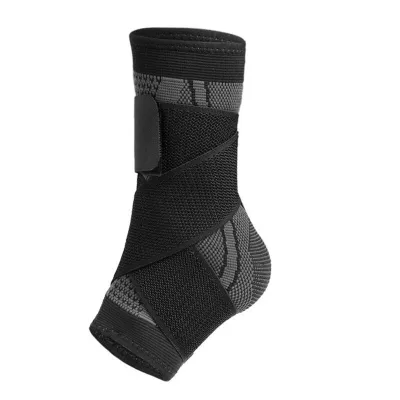
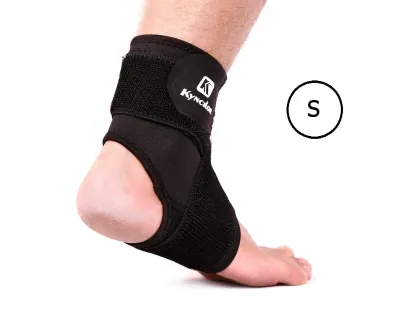
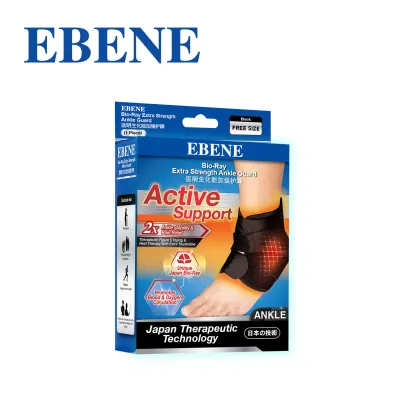
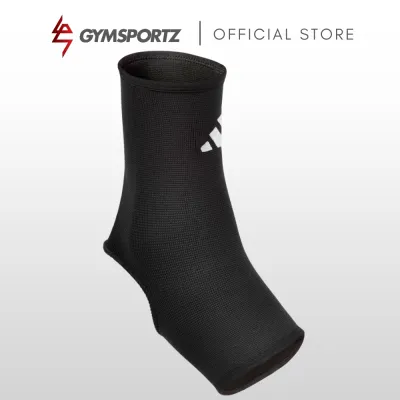
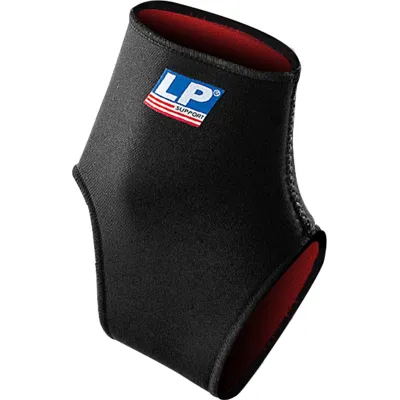
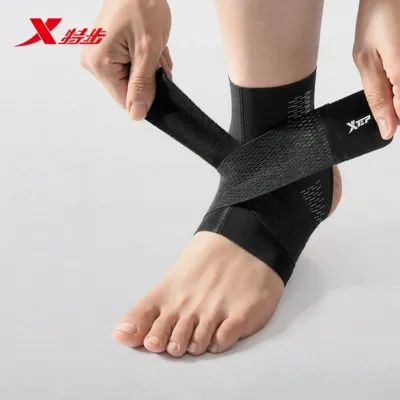
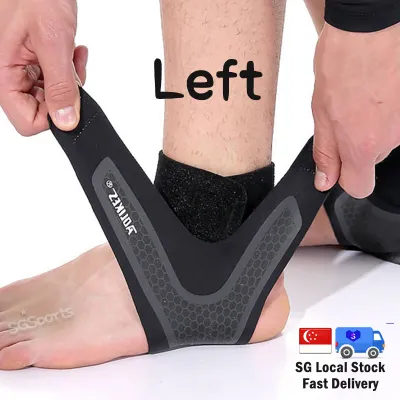
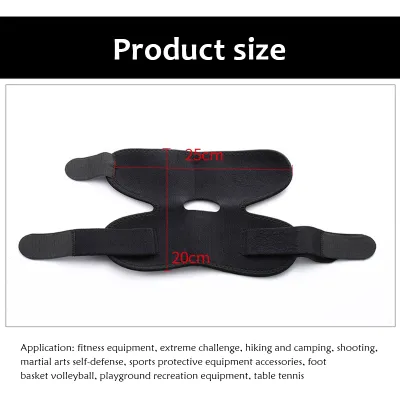
Prices are valid at publication and may change. Please refer to the product page for the latest price.
Singapore’s hot and humid climate presents unique challenges for sports gear. With average relative humidity levels frequently exceeding 80% and temperatures hovering around 30°C year-round, heat and sweat accumulation are significant concerns. Traditional heavy neoprene braces trap moisture against the skin, which can lead to skin maceration, severe chafing, and fungal or bacterial infections. When shopping in Singapore, look for advanced materials such as 3D flat-knit fabrics, perforated synthetic blends, or moisture-wicking nylon-spandex. These materials allow heat to escape and sweat to evaporate quickly, keeping your skin dry and comfortable during intense outdoor or indoor sessions.
It is vital to remember that an ankle guard is a supportive tool and not a medical cure. A brace cannot rebuild torn ligaments, restore lost muscle strength, or replace proper neuromuscular rehabilitation. If you are experiencing sharp pain, localized warmth, significant swelling, or a feeling that your ankle is consistently “giving way,” do not rely solely on a guard. You should consult a qualified physiotherapist or sports medicine physician for a professional diagnosis and a structured rehabilitation plan to address the root cause of your joint instability.
Top Ankle Guard Brands for Court Sports (Basketball, Badminton, Tennis)
Court sports are characterized by explosive jumps, rapid lateral lunges, and sudden, high-velocity decelerations. These movements place immense stress on the lateral ligaments of the ankle, particularly the anterior talofibular ligament (ATFL). The primary design goal for a court-focused ankle guard is to provide high lateral stability to prevent inversion sprains (rolling outward) while allowing sufficient plantar flexion (pointing the toes down) and dorsiflexion (pulling the toes up) so you can jump, sprint, and change direction without restriction.

To achieve this balance, court sports braces typically utilize lace-up configurations, figure-eight strap systems, or rigid stirrups. Lace-up braces allow you to customize the tightness along the entire length of the ankle, while figure-eight straps mimic the protective locking mechanism of professional athletic tape. Rigid stirrup designs feature hard plastic shells along the sides of the ankle to physically block lateral rolling.
Several leading brands specialize in court-specific ankle protection, each offering unique structural designs:
McDavid
This brand is a household name in court sports, particularly basketball. McDavid is highly regarded for its classic lace-up braces, such as the McDavid 195, which features a lightweight nylon shell and fully adjustable figure-eight straps. This design provides maximum lateral support and mimicry of athletic tape without the need for constant re-taping. The heavy-duty fabric is incredibly durable, though it does add noticeable bulk inside your shoes.
Zamst
A Japanese brand that has gained massive popularity among professional and amateur court athletes alike, including elite basketball and badminton players. Zamst is famous for its highly anatomical designs and innovative materials. Their flagship model, the Zamst A2-DX, features rigid, anatomically shaped external resin stays that prevent both inversion and eversion (inward and outward rolling) while allowing smooth forward and backward flexing. It is one of the most structurally secure braces on the market for players with chronic ankle instability.
Mueller
Known for producing highly functional, reliable, and cost-effective sports medicine products. Mueller’s ATF2 and HG80 lines are popular choices for court players. The ATF2 features internal strapping systems that target the talofibular ligaments specifically, securing the joint against rolling while remaining lighter and less bulky than traditional lace-up braces. The HG80 line utilizes breathable, moisture-wicking materials that perform exceptionally well in warm indoor sports halls.
Integrating a high-support, bulky ankle guard into standard court shoes requires careful adjustment. To prevent painful pressure points, fully unlace your shoe before attempting to slide your braced foot inside. You will likely need to loosen the laces across the entire midfoot and forefoot area to accommodate the extra width. If you wear low-top court shoes, a high-profile rigid brace may push your heel slightly upward, which can cause heel slippage during rapid movements. For maximum security and comfort, pairing rigid braces with mid-top or high-top court shoes is generally recommended, as the higher collar helps lock both the shoe and the brace together around your lower leg.
Best Ankle Guard Brands for Running and Field Sports (Soccer, Track)
Unlike court sports, running and field sports like soccer or track and field involve repetitive, highly linear movements over extended distances or durations. The primary requirement here is a low-profile design that does not interfere with your natural gait, foot strike, or stride length. Any excessive mechanical restriction or bulk can cause your lower body to compensate unnaturally, leading to overuse injuries in your shins, knees, or hips. In sports like soccer, players also require maximum tactile feel on the ball and must fit their support inside extremely tight, low-volume cleats.
For these activities, lightweight compression sleeves and thin, elastic strap systems are highly preferred over rigid plastic braces. Rather than physically blocking joint movement, these sleeves work primarily through proprioception. By applying consistent, targeted pressure to the skin and underlying tissues, they stimulate the sensory receptors in your ankle. This heightened sensory awareness helps your brain coordinate the stabilizing muscles around the joint more rapidly, allowing your body to naturally correct minor missteps before they turn into full sprains.
Several brands stand out for their low-profile, high-performance compression designs:
Bauerfeind
A premium German orthopedic brand globally renowned for its medical-grade, 3D flat-knit technology. The Bauerfeind MalleoTrain series is highly favored by runners and soccer players who require high-performance support without bulk. These sleeves feature anatomically contoured viscoelastic pads that sit snugly around the ankle bones, massaging the surrounding tissue during movement to reduce swelling and accelerate fluid clearance. The highly breathable knit fabric adapts perfectly to the foot’s shape, preventing slippage even during long, sweaty runs.
CEP
A brand specialized in medical-grade compression sportswear. CEP’s ankle sleeves combine targeted compression zones with lightweight, integrated stabilizing straps. These sleeves are designed to improve local blood circulation, reduce muscle vibrations, and enhance joint stability. Because they are exceptionally thin and fit like a high-performance sock, they can be worn comfortably under standard running socks or soccer stockings without altering your shoe size or ball control.
2XU
An Australian high-performance brand known for its advanced PWX (Power-Weight-Flex) compression fabrics. Their compression ankle sleeves provide lightweight, low-profile support that is ideal for track athletes and runners who want to maintain maximum speed and agility. The moisture-wicking fabric is highly breathable and quick-drying, making it an excellent option for Singapore’s humid outdoor trails and tracks.
When wearing compression guards with tight-fitting running shoes or soccer cleats, proper layering is essential to avoid friction blisters and restricted blood flow. Always apply the compression sleeve directly to your bare skin, ensuring there are absolutely no wrinkles, folds, or bunched fabric, particularly around the heel and instep. Pull your technical running sock or soccer stocking smoothly over the sleeve. If you experience any numbness, tingling, coldness, or discoloration in your toes during your session, stop immediately and remove the guard. These symptoms indicate that the combination of the sleeve, sock, and tight footwear is restricting your local blood circulation.
Recommended Brands for Heavy Support and Injury Recovery
During the acute phase of recovery following a moderate-to-severe ankle sprain, or when navigating highly unpredictable and demanding environments—such as hiking on the uneven, rocky trails of Bukit Timah Nature Reserve or performing heavy load-bearing strength training—the ankle joint requires maximum mechanical immobilization. To safely protect healing ligaments or manage severe chronic instability under load, an ankle brace must feature rigid plastic or composite stays, bilateral articulating hinges, and heavy-duty strapping systems that completely block lateral roll while permitting controlled forward and backward movement.
Several brands are highly recommended for maximum-support and medical-grade recovery braces:
Aircast
A pioneer in orthopedic bracing, famous for its pneumatic support systems. The Aircast Air-Stirrup and A60 models are highly recommended for post-injury recovery and daily walking. These braces feature anatomically designed semi-rigid shells lined with pre-inflated air cells or gel pads. This combination provides exceptional lateral stabilization to prevent re-injury while applying gentle compression that helps pump away localized swelling and edema. The A60 model is particularly popular for active recovery, as it fits relatively easily into standard athletic shoes.
DonJoy
A leading medical-grade brand specializing in orthopedic rehabilitation. DonJoy’s Velocity and Stabilizing Ankle Braces are engineered for maximum joint control. They incorporate rigid footplates and articulating bilateral hinges that allow a natural heel-to-toe walking motion while strictly preventing any inversion or eversion. These braces are ideal for athletes returning to heavy lifting, rucking, or high-impact training where the ankle must be completely protected from lateral forces.
Bauerfeind (Rigid Lines)
For those seeking maximum support combined with anatomical comfort, Bauerfeind’s MalleoLoc and MalleoLoc L3 models offer an exceptional solution. These braces feature an anatomically shaped, rigid stabilizing shell that fits snugly along the lateral side of the ankle, preventing outward rolling while allowing a natural stride. The design is highly low-profile compared to traditional plastic stirrups, making it easier to wear with everyday footwear.
While heavy rigid braces are invaluable during the initial stages of recovery or under extreme physical loads, they should not be used as a permanent crutch. Over-reliance on a highly restrictive brace can lead to weakness in the surrounding stabilizing muscles and a loss of natural joint mobility. As your ligaments heal and your joint strength improves through targeted physical therapy, you should systematically “step down” your support level. Transition from a rigid hinged brace to a moderate, strap-based guard, and eventually to a light compression sleeve, before returning to unbraced activity. This gradual weaning process encourages your muscles to reclaim their natural stabilizing role.
Before using any heavy-support brace for load-bearing activities like heavy squats, deadlifts, or carrying heavy backpacks, always inspect the product carefully. Check the manufacturer’s label for specific weight limits and hinge durability guidelines. Ensure that all plastic shells, hinges, and Velcro straps are free of cracks, tears, or structural wear. A compromised brace cannot provide the rated level of protection and may fail unexpectedly under heavy physical loads.
Quick Comparison of Leading Ankle Guard Brands
To help you quickly identify which brand and design align best with your specific athletic needs, the following table summarizes the general characteristics, primary design types, and support levels of the leading ankle guard brands available in Singapore.
| Brand | Best For (Sport/Activity Type) | Primary Design Type | Support Level | Key Structural Feature |
|---|---|---|---|---|
| McDavid | Court Sports (Basketball, Badminton) | Lace-up with figure-8 straps | Moderate to Maximum | Heavy-duty nylon shell with highly customizable tension straps |
| Zamst | Court Sports & Agility Sports | Anatomical resin stays & dual straps | Moderate to Maximum | Rigid external skeleton (A2-DX) preventing inversion/eversion |
| Mueller | General Court & Everyday Use | Lace-up & lightweight stirrup | Moderate | Lightweight materials with targeted internal strapping systems |
| Bauerfeind | Running, Field Sports, Recovery | 3D flat-knit compression sleeve | Mild to Moderate | Viscoelastic pads around malleoli and anatomical knit structure |
| CEP | Running & Track Sports | Compression sleeve with light straps | Mild | Medical-grade compression with targeted sensory feedback zones |
| 2XU | Running & Field Sports | Ultra-thin compression sleeve | Mild | PWX high-performance fabric with low-profile, breathable fit |
| Aircast | Acute Recovery & Hiking | Semi-rigid shell with air/gel cells | Maximum | Pre-inflated air cells for swelling management and lateral stability |
| DonJoy | Orthopedic Recovery & Heavy Lifting | Hinged frame with rigid foot plate | Maximum | Articulating hinges with heat-moldable stabilizing shells |
Note: Specific model availability, exact structural specifications, and current retail prices in Singapore should be verified directly with authorized retailers, specialized clinics, or official brand distributors at the time of purchase. Product designs may be updated by manufacturers, and fit compatibility can vary based on individual foot anatomy.
Where to Buy and What to Check Before Purchasing in Singapore
Finding authentic, high-quality ankle guards in Singapore is straightforward if you know where to look. To ensure you receive a genuine product backed by a manufacturer’s warranty, consider the following reliable purchasing channels:
- Official Brand Websites & Flagship Stores: Purchasing directly from the official online stores or physical flagship outlets of brands like Bauerfeind, Zamst, or McDavid guarantees authenticity and provides access to their complete product lines and sizing guides.
- Authorized Sports Equipment Retailers: Major physical sporting goods stores—particularly those located in sports hubs like Queensway Shopping Centre, Novena, or Kallang Wave Mall—carry a wide range of athletic braces. Shopping in-person allows you to examine the materials and try on different models.
- Specialized Physiotherapy & Orthopedic Clinics: For medical-grade braces (such as Aircast, DonJoy, or high-end Bauerfeind models), visiting a physiotherapy clinic is highly recommended. A professional therapist can accurately measure your ankle, select the correct size, and adjust the brace to fit your unique anatomy.
- Reputable Online Marketplaces: If purchasing through online marketplaces or ecommerce platforms, always look for official brand virtual malls or authorized distributor badges to avoid counterfeit products.
Because a proper fit is absolutely critical for an ankle guard to function effectively, checking the retailer’s return and exchange policy is essential before making a purchase. An ankle guard that is too loose will not provide adequate stability, while one that is too tight can restrict blood circulation and cause painful pressure points. Many retailers have strict hygiene policies that prohibit the return of opened or worn supports, making precise measurements of your ankle circumference and arch size vital before buying.
Before finalizing your purchase, run through this practical checklist to ensure the guard is fully compatible with your needs:
- Shoe Compatibility: Always bring the exact sports shoes or cleats you intend to wear to the store when trying on an ankle guard. A brace that feels comfortable when you are barefoot can feel incredibly tight, pinch your skin, or prevent your foot from fitting inside your shoe once it is laced up.
- Material Labels: Check the material composition on the product packaging, especially if you have sensitive skin or known allergies. Some braces utilize natural rubber latex or silicone strips to prevent slipping, which can trigger allergic contact dermatitis or severe skin irritation when combined with heavy sweat in Singapore's humid climate.
- Movement Restrictions: Ensure that the guard's physical restrictions align perfectly with the movement patterns of your sport. For example, runners must ensure the brace allows unrestricted forward and backward flexing, while court athletes must verify that lateral rolling is sufficiently blocked.
Frequently Asked Questions (FAQ)
Should I wear an ankle guard on both ankles or just the injured one?
Standard medical practice is to wear an ankle guard only on the injured or structurally weak ankle to assist in its recovery and protect it from re-injury. However, some athletes choose to wear guards on both ankles for symmetrical proprioceptive feedback, particularly in high-impact sports like basketball or volleyball where rapid jumps and landings are frequent. If you have a history of bilateral ankle sprains or feel that wearing a brace on only one side alters your jumping mechanics or gait—causing you to compensate unnaturally on your unbraced leg—bilateral bracing may be beneficial. It is highly recommended to consult a physiotherapist to analyze your movement patterns and ensure you are not developing harmful biomechanical compensations.
How do I wash and maintain my ankle guard to prevent odor?
Given Singapore’s high heat and relative humidity, regular maintenance is crucial to prevent the buildup of sweat, bacteria, and unpleasant odors. Always check the manufacturer’s specific care label on your ankle guard before cleaning, as rigid components or specialized fabrics may have unique requirements. As a general rule, remove any detachable rigid plastic or metal stays first. Hand-wash the fabric components in cold water using a mild, non-biological liquid detergent or simple soap. Avoid using fabric softeners or bleach, as these chemicals can break down elastic fibers and clog the breathable pores of performance fabrics. Gently squeeze out excess water without wringing, twisting, or stretching the material. Lay the guard flat to air dry in a well-ventilated indoor space, completely away from direct sunlight and artificial heat sources like clothes dryers or radiators, which can warp plastic structures and degrade elastic components.
Can wearing an ankle guard weaken my ankle muscles over time?
A common concern among athletes is that long-term use of an ankle guard will cause muscle atrophy and weaken the joint. The general scientific consensus indicates that wearing an ankle guard during active sports sessions does not inherently weaken your ankle muscles, as the brace only restricts extreme, harmful ranges of motion and does not completely immobilize the joint during normal athletic movements. However, relying solely on a brace without addressing the underlying physical weakness is a major mistake. To maintain and improve long-term joint health, you must combine the use of an ankle guard with active ankle strengthening, calf stretching, and proprioceptive (balance) exercises during your off-training hours. This proactive approach ensures your muscles, tendons, and ligaments continue to develop the natural stability required to support your body without external assistance.
Community discussion
Share your experience or ask a question. Comments are reviewed before publication.