
Finding the right recovery compression gear in Singapore requires balancing targeted muscle support with the realities of a warm, humid climate. While many athletes look for a quick way to ease post-workout soreness, the effectiveness of compression depends heavily on selecting the correct pressure profile, fabric technology, and anatomical fit. This guide provides a practical framework to help you evaluate materials, identify the right gear for your specific training needs, and navigate local purchasing options safely. By focusing on objective specifications rather than marketing claims, you can find supports that truly complement your active lifestyle.
Understanding Recovery Compression and Muscle Support
To make an informed choice, it is essential to understand what recovery compression is and how it differs from other types of athletic wear. Recovery compression gear is designed specifically for use after physical exertion, aiming to provide stable, passive pressure to resting muscles. Unlike standard athletic apparel, which fits loosely or stretches uniformly, true compression garments apply calculated external pressure to specific muscle groups.
It is important to distinguish recovery-specific gear from performance compression and medical-grade supports. Performance compression is engineered to be worn during exercise, often featuring lighter fabrics, strategic ventilation zones, and lower overall pressure to allow for dynamic movement. Medical-grade compression, on the other hand, is typically prescribed for clinical circulatory issues and features highly precise, high-pressure gradients that require professional fitting. Recovery gear sits between these two, offering a firmer, more consistent hold than performance wear to support muscles during rest, without reaching the restrictive pressure levels of medical devices.
Products mentioned in this guide
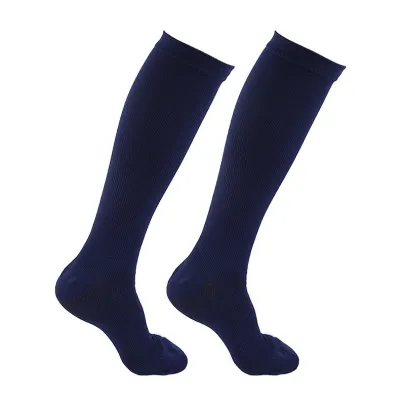
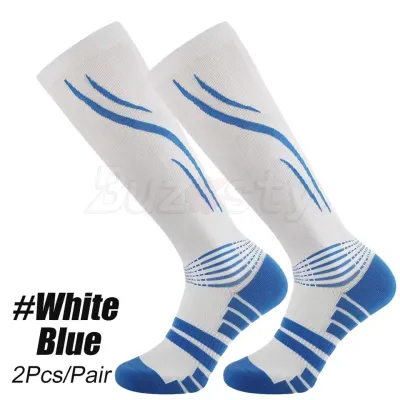
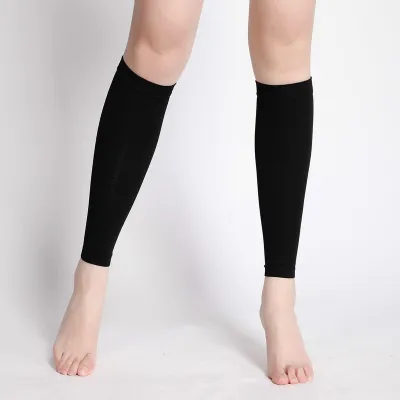
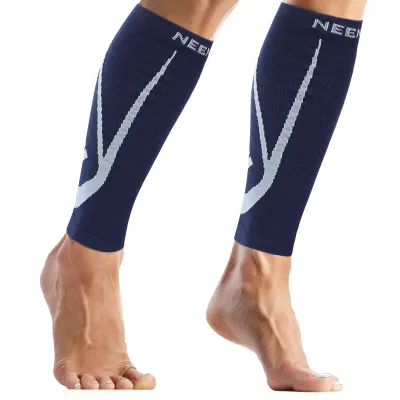
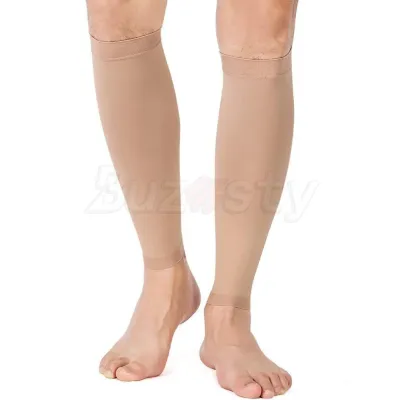
![[SG FREE ] 1Pc Leg Compression Socks Calf Compression Sleeves for Calf Pain Relief Varicose Vein Recovery Shin](https://img.lazcdn.com/g/p/151399539a634b7d87a6987970442963.jpg_400x400q80.jpg_.webp)
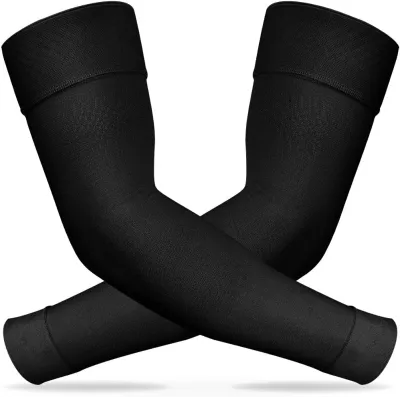
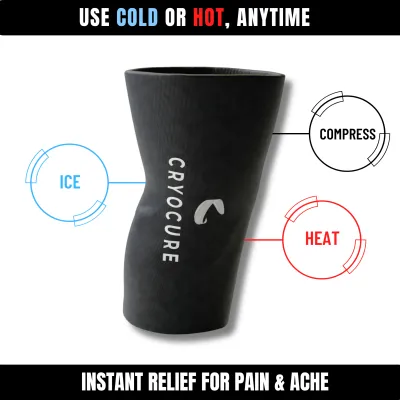
Prices are valid at publication and may change. Please refer to the product page for the latest price.
The physiological concept behind recovery compression centers on muscle stabilization and localized pressure. When you wear these garments post-workout, the snug fit helps minimize minor muscle oscillation and provides a reassuring sensation of support. While individual experiences vary, the primary goal is to encourage a feeling of physical readiness and comfort during the hours following intense training. Understanding these distinctions prevents the common mistake of using restrictive medical wraps or overly loose training shirts for post-workout recovery.
Essential Criteria for Evaluating Compression Gear
When evaluating compression garments, the fabric composition is your first line of assessment. High-quality recovery gear typically utilizes a blend of synthetic fibers, such as nylon and elastane, which provide the necessary stretch and recovery force. You should check the product specifications for the percentage of elastane, as a higher content generally indicates a more robust, long-lasting stretch that will not sag after repeated wear.

Given Singapore’s tropical climate, breathability and moisture-wicking capabilities are critical. Look for fabrics engineered with advanced knit structures that allow air to circulate freely while pulling moisture away from the skin. You can verify this by checking for terms like moisture-wicking or quick-dry in the manufacturer’s description, or by performing a simple touch test in-store to ensure the material feels cool and lightweight.
Compression levels are another vital technical specification to verify. Some manufacturers list the pressure rating in millimeters of mercury (mmHg), which is the standard unit for measuring compression. For post-workout recovery, garments typically range from mild (15 to 20 mmHg) to moderate (20 to 30 mmHg) pressure. Additionally, look for graduated compression, where the pressure is highest at the extremities and gradually decreases toward the core, assisting natural circulation during periods of inactivity.
Seam construction and ergonomic paneling directly impact comfort during extended recovery sessions. Flatlock seams, which lie completely flat against the skin, are highly recommended to prevent chafing and irritation when the garment is worn for several hours. Ergonomic paneling refers to fabric sections cut and stitched to match the natural contours of your muscles, ensuring that the compression is distributed evenly without binding or pinching at the joints.
Sizing accuracy is perhaps the most critical factor for safety and efficacy. You must never rely on your standard apparel size when purchasing compression gear. Because these garments must fit precisely to deliver the correct pressure, you should use a flexible measuring tape to take accurate measurements of your chest, waist, hips, thighs, or calves, depending on the product. Always compare your physical measurements against the brand’s specific sizing chart, as sizing standards vary significantly between manufacturers.
Matching Gear to Your Specific Recovery Needs
Selecting the right compression garment depends heavily on the type of exercise you perform and the specific muscle groups you target. For runners, cyclists, and those who engage in heavy lower-body strength training, lower-body compression is highly effective. Tights and leggings offer comprehensive coverage from the waist to the ankles, stabilizing the glutes, quadriceps, hamstrings, and calves. If your fatigue is concentrated below the knee, dedicated calf sleeves provide targeted pressure to the lower leg and are exceptionally easy to pair with your existing athletic socks.
For upper-body and core recovery, compression tops and shorts are the primary options. Long-sleeve or short-sleeve compression shirts support the chest, shoulders, and upper back, making them suitable after intensive swimming, rowing, or overhead lifting sessions. Compression shorts focus on the hip, groin, and upper thigh regions, providing a streamlined fit that can be worn comfortably under loose loungewear at home.
When recovery needs are centered around a specific joint rather than broad muscle groups, localized supports and braces are more appropriate. If you are recovering from minor joint strain or require extra stability around the knee, elbow, or ankle, adjustable wraps or structured braces offer targeted reinforcement. These supports often feature adjustable straps or integrated stays, allowing you to customize the level of physical stabilization to match your comfort level.
In Singapore’s warm and humid environment, climate-conscious selection is paramount. Heavy, thick compression fabrics can quickly lead to overheating and excessive sweating, even indoors. Prioritize lightweight, high-gauge knits that offer high compression without excessive bulk. Choosing garments with mesh ventilation panels behind the knees, under the arms, or along the lower back can significantly improve airflow, making your recovery routine much more comfortable.
Building a Conditional Shortlist for Purchase
To build a reliable shortlist of recovery compression gear, start by identifying authorized physical and online retailers in Singapore. Purchasing directly from official brand stores or established sports specialty retailers ensures you receive authentic products rather than counterfeit goods that lack proper compression engineering. You can verify authorized distributors by checking the official global website of your preferred brand for local stockists.
Because compression gear must fit perfectly to be effective, pay close attention to return and exchange policies. Many retailers have strict hygiene policies that restrict the return of intimate apparel or fitted garments once opened. Look for sellers that offer clear sizing exchanges for unworn items in their original packaging, allowing you to swap sizes if your initial measurements do not yield the desired fit.
User reviews can provide valuable insights into how a garment performs over time. When browsing online marketplaces or retail sites, look for consistent feedback regarding sizing accuracy, seam durability, and how well the fabric retains its elasticity after multiple washes. Be skeptical of reviews making dramatic performance claims, and instead focus on practical observations about comfort, fabric feel, and overall construction quality.
Establish a realistic budget based on your training frequency and the expected lifespan of the gear. High-quality recovery compression garments typically range from S$40 for basic sleeves to over S$150 for advanced, full-length tights. While entry-level options may suffice for occasional use, investing in mid-to-high-range gear often yields better fabric durability and more precise graduated compression, making it a more cost-effective choice for frequent trainers over the long term.
Usage Guidelines, Care, and When to Stop
To maximize the benefits of your recovery compression gear and ensure your safety, always follow the manufacturer’s specific usage guidelines. Generally, recovery garments are designed to be worn for two to four hours immediately following an intense workout. Avoid wearing highly restrictive gear for extended, unsupervised periods unless the product label explicitly states it is safe to do so.
Proper maintenance is essential to preserve the elastic fibers that generate compression. Always wash your garments in cold water on a gentle cycle, using a mild detergent, and avoid fabric softeners, which can coat the fibers and degrade their elasticity and moisture-wicking properties. Air drying is highly recommended; avoid using a tumble dryer or exposing the gear to direct, intense sunlight, as high heat can break down the elastane fibers and ruin the garment’s compressive properties.
You must remain attentive to how your body responds while wearing compression gear. Remove the garment immediately if you experience any warning signs of restricted circulation or nerve compression, such as numbness, tingling, a cold sensation in your fingers or toes, skin discoloration, or localized pain. The gear should feel snug and supportive, never painful or constricting.
Finally, remember that compression apparel is a supplementary tool and cannot replace professional medical care. If you are experiencing persistent pain, swelling, or signs of injury, stop using the gear and consult a qualified healthcare professional or physiotherapist. Compression supports are designed to aid general muscle recovery, not to self-treat structural injuries or chronic circulatory conditions.
Frequently Asked Questions (FAQ)
Can I wear recovery compression gear while sleeping?
You should always check the manufacturer’s specific product label before wearing compression gear to bed. Many standard recovery garments are designed for active or short-term passive recovery and may apply too much pressure when your body is completely inactive for eight hours. Wearing tight compression overnight without supervision can restrict blood flow or cause skin irritation, so it is generally safer to avoid sleeping in high-pressure garments unless they are explicitly rated for overnight use.
How tight should recovery compression gear feel?
Properly fitted recovery compression gear should feel snug, firm, and supportive, wrapping your muscles evenly without causing discomfort. It should not pinch, bind at the joints, or leave deep, painful indentations on your skin. If you struggle excessively to put the garment on, or if you feel any throbbing or restriction in your movement, the size is likely too small, and you should consult the brand’s sizing chart to try a larger size.
Does compression gear replace active recovery or stretching?
No, compression gear is a supplementary tool and does not replace foundational recovery practices. For comprehensive muscle recovery, you must combine compression with active cool-downs, targeted stretching, adequate hydration, balanced nutrition, and quality sleep. Relying solely on compression garments without addressing these core recovery pillars will limit your overall physical progress and long-term athletic performance.
Community discussion
Share your experience or ask a question. Comments are reviewed before publication.