
Choosing between a Red Bull branded water bottle and a dedicated sports bottle comes down to a fundamental choice: are you buying for the brand or for the thermal engineering? While a branded bottle lets you showcase your passion for motorsports or extreme sports, it may not offer the same level of temperature control as a bottle designed purely for athletic performance. For active individuals navigating warm climates, understanding how these two categories stack up in terms of insulation, materials, and overall value is essential before making a purchase.
To make an informed decision, you must look past the logo and examine the physical construction of the bottle. Many branded promotional items are built for lightweight, casual use, whereas dedicated sports bottles are engineered to withstand rugged outdoor conditions while keeping your drinks cold for hours. By comparing their design elements, insulation capabilities, and price-to-performance ratios, you can easily determine which option fits your daily routine and hydration needs.
Understanding the Core Differences
The primary distinction between these two options lies in their design intent. Branded merchandise, such as a Red Bull water bottle, is primarily created as fan gear or promotional items. These products are designed to be visually striking, featuring prominent logos and brand colors that appeal to collectors and enthusiasts. Because their main goal is brand visibility and casual use, manufacturers often prioritize lightweight materials and cost-effective construction methods that make them easy to carry to casual events or display on a shelf.
Products mentioned in this guide
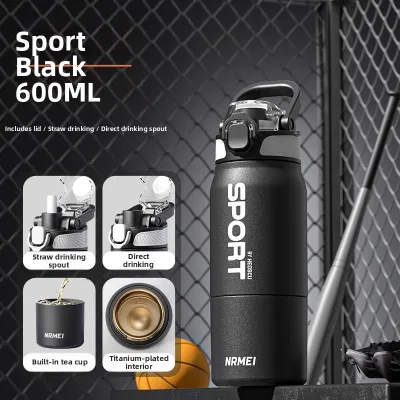
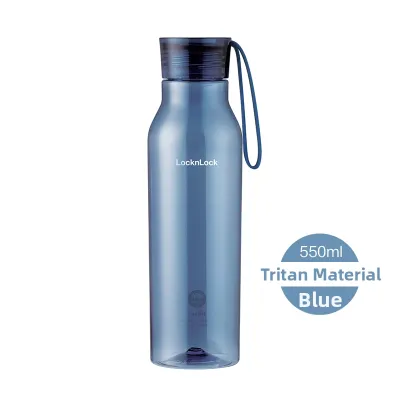
Prices are valid at publication and may change. Please refer to the product page for the latest price.
In contrast, dedicated sports bottles are engineered from the ground up as functional athletic equipment. Their primary design goals center on performance, durability, and user convenience during intense physical activity. These manufacturers invest heavily in thermal technology, ergonomic shapes, and specialized lid mechanisms that can withstand the rigors of cycling, running, or gym workouts.
This difference in design philosophy directly influences the materials used. Branded bottles frequently utilize single-wall stainless steel, aluminum, or BPA-free plastics. While these materials are lightweight and durable enough for basic use, they offer virtually no thermal resistance. On the other hand, dedicated sports bottles almost always feature double-wall vacuum-insulated stainless steel. This construction creates a thermal barrier that prevents heat transfer, keeping your beverages at their desired temperature for extended periods.
When shopping, it is crucial to verify the exact specifications of any bottle rather than assuming its performance based on its exterior appearance. A metal exterior does not automatically mean a bottle is insulated. Always check the product description, packaging, or physical labels for explicit mentions of double-wall vacuum insulation to ensure you know exactly what you are buying.
Evaluating Temperature Retention Capabilities
To understand why some bottles keep drinks cold while others let them warm up within minutes, you have to look at the science of thermal transfer. Single-wall bottles consist of a single layer of metal or plastic. Because metals like aluminum and stainless steel are excellent conductors of heat, thermal energy moves rapidly through the bottle wall. If you fill a single-wall bottle with ice water, the heat from the surrounding air quickly transfers inside, warming your drink to room temperature in a short amount of time.

Double-wall vacuum insulation solves this problem by placing one metal container inside another, with a vacuum seal in the space between them. Because a vacuum contains no air molecules, it prevents heat transfer by conduction or convection. This highly effective barrier ensures that the temperature inside the bottle remains isolated from the external environment, allowing cold drinks to stay chilled and hot drinks to stay warm for hours.
When comparing bottles, look for explicit hour-based temperature retention claims on the manufacturer’s official specification sheet. High-quality insulated sports bottles often claim to keep liquids cold for 12 to 24 hours, or hot for up to 12 hours. Branded single-wall bottles, conversely, rarely make these claims because their temperature retention is minimal, usually lasting no longer than a standard uninsulated cup.
Another practical consequence of single-wall construction is condensation, commonly known as “sweating.” When cold liquid is poured into a single-wall bottle, the exterior surface quickly cools down, causing moisture in the air to condense on the outside. This makes the bottle slippery and difficult to grip during sports, and it can leave messy water rings on your desk or gym equipment. Vacuum-insulated bottles do not sweat, keeping the exterior dry and secure in your hand.
Furthermore, using single-wall metal bottles for hot liquids presents a safety hazard. Without a vacuum barrier, the heat from a hot beverage transfers instantly to the outer metal surface, making the bottle dangerously hot to touch. If you plan to carry warm drinks, a verified double-wall vacuum-insulated bottle is essential to prevent accidental burns and ensure your beverage stays warm throughout the day.
Assessing Price and Overall Value
When evaluating the cost of these bottles, it is helpful to compare their S$ price points relative to their capacity, material quality, and insulation type. Branded merchandise often carries a price premium driven by licensing fees and brand exclusivity rather than the cost of materials or advanced engineering. You may find that a single-wall branded bottle costs as much as, or even more than, a high-quality, double-wall insulated sports bottle from a dedicated manufacturer.
To determine the true value of your purchase, weigh the “fan value” of official merchandise against the long-term utility of specialized gear. If you are a passionate supporter of Red Bull racing or extreme sports, the emotional satisfaction of owning official gear might justify the cost. However, if your primary need is a reliable hydration tool that keeps your water cold during long outdoor activities in Singapore, the performance value of a dedicated sports brand will far outweigh the novelty of a logo.
Paying a premium for branding is typically justified if you plan to use the bottle in low-intensity environments where temperature retention is not a priority, such as at an office desk or during short walks. In these scenarios, the aesthetic appeal of the bottle takes center stage. However, if you require a bottle that can survive drops on concrete, keep ice solid during a midday run, and offer a lifetime warranty, investing your money in an established sports bottle brand is the more practical financial decision.
Feature and Usability Comparison for Active Lifestyles
Beyond insulation, the usability of a water bottle during physical activity depends heavily on its practical design elements. Lid mechanisms play a critical role in how easily you can hydrate on the go. Dedicated sports bottles often feature specialized lids, such as flip-top sports spouts, push-pull valves, or integrated straws, which allow for quick, one-handed operation while running or cycling. Branded bottles, particularly those designed for casual use, often rely on standard screw caps that require two hands to open, which can interrupt your workout flow.
Leak prevention is another crucial factor for active lifestyles. High-quality sports bottles utilize robust silicone gaskets and locking mechanisms to ensure a completely leak-proof seal. This allows you to toss the bottle into a gym bag or backpack alongside expensive electronics without worrying about spills. Branded promotional bottles may use simpler sealing designs that are more prone to leaking if the bottle is tipped over or subjected to pressure changes.
Physical compatibility with your gear is also worth verifying. Standard bicycle bottle cages, car cup holders, and backpack side pockets are designed around specific diameter ranges. Many dedicated sports bottles are shaped specifically to fit these standard holders. Before purchasing a branded bottle, check its exterior dimensions and base shape to ensure it will fit securely in your existing gear without rattling or falling out.
Finally, consider the durability of the bottle’s exterior finish. Dedicated sports bottles often feature powder-coated finishes that provide a textured grip and resist scratching, chipping, and fading over time. Branded merchandise may use standard paint or printed decals that can easily scratch, peel, or fade after repeated washings or exposure to outdoor elements. If you want the logo to remain pristine, you must be prepared to handle and wash the bottle with extra care.
Decision Framework: Which Bottle Should You Buy?
To finalize your decision, consider your primary use case and how you plan to integrate the bottle into your daily routine.
Choose the Red Bull branded bottle if you prioritize brand loyalty, enjoy collecting official sports merchandise, or simply want a stylish, lightweight container for casual, everyday hydration. It is an excellent choice for office environments, short commutes, or low-intensity activities where you do not need your drinks to stay cold for hours and where a lightweight bottle is easier to carry.
Choose a dedicated sports bottle if your lifestyle demands high-performance gear. If you regularly engage in intense workouts, long cycling trips, or outdoor adventures in hot weather, you need the reliable temperature retention of double-wall vacuum insulation. A dedicated sports bottle will keep your water cold, prevent exterior condensation, and offer the rugged durability and ergonomic lid options necessary for active use.
Before making your final purchase, always verify the product specifications. While many branded bottles are single-wall, some premium or limited-edition merchandise collaborations do feature double-wall vacuum insulation. Checking the exact product details before checkout ensures you get the perfect balance of style and performance for your needs.
Frequently Asked Questions (FAQ)
Can I put hot drinks in a branded single-wall metal bottle?
It is not recommended to put hot drinks in a single-wall metal bottle. Because single-wall metal conducts heat extremely fast, the exterior of the bottle will instantly become as hot as the liquid inside, making it dangerous to hold without a thick protective sleeve. Additionally, without vacuum insulation, the heat will escape rapidly into the surrounding air, meaning your hot beverage will cool down to room temperature very quickly. Finally, high temperatures can sometimes damage or degrade the exterior printed logos, paint, or protective coatings used on promotional branded merchandise. Always check the manufacturer’s care instructions before exposing the bottle to hot liquids.
How do I clean and maintain insulated sports bottles to preserve their vacuum seal?
To preserve the vacuum seal and extend the lifespan of your insulated sports bottle, hand-washing is highly recommended. Use warm water, mild dish soap, and a soft-bristled bottle brush to clean the interior without scratching the metal. Avoid using harsh abrasive cleaners, bleach, or steel wool, as these can damage the protective inner lining and exterior finishes. Unless the manufacturer explicitly states that the bottle is dishwasher-safe, keep it out of the dishwasher, as the high heat and intense water pressure can compromise the vacuum seal over time. After washing, always allow the bottle and lid to air-dry completely in a well-ventilated area with the cap off to prevent mold growth and unpleasant odors in the silicone gaskets.
Community discussion
Share your experience or ask a question. Comments are reviewed before publication.