
Beginner snorkelers exploring shallow reefs often wonder if they need a dive knife. While scuba divers carry heavy tools, a snorkeler’s needs are different. The best dive knife brands for beginners—such as Cressi, Mares, and Tusa—prioritize compact profiles, reliable sheaths, and blunt safety tips to protect you while clearing light entanglements.
When choosing your first underwater cutting tool, understanding your specific environment is key. Snorkelers face unique safety and hydrodynamic challenges that differ significantly from those of deep-water scuba divers. Selecting the right brand and design ensures you stay safe without adding unnecessary bulk to your gear.
Do Beginner Snorkelers Actually Need a Dive Knife?
Before purchasing a dive knife, it is essential to understand its primary purpose. Unlike the dramatic depictions in popular media, an underwater knife is not a weapon against marine life. Instead, it is a safety tool designed to free you or others from entanglements, such as discarded nylon fishing lines, ropes, or netting.
Products mentioned in this guide
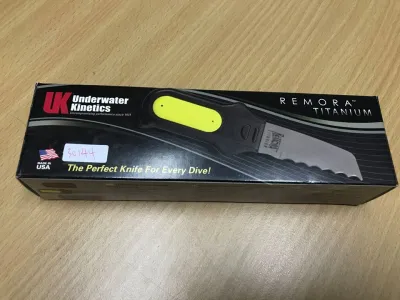
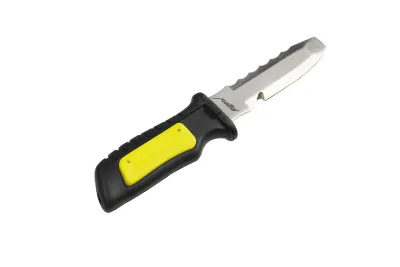
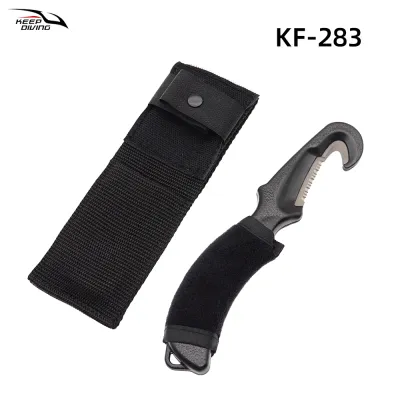
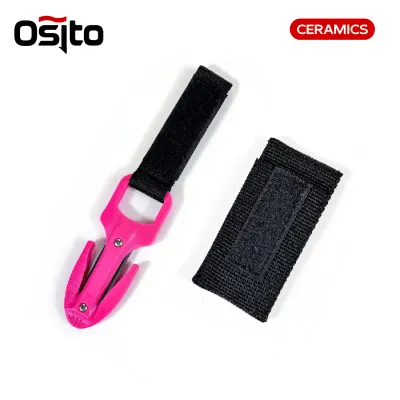
Prices are valid at publication and may change. Please refer to the product page for the latest price.
Scuba divers often carry large, heavy-duty knives because they operate in deep, overhead, or high-risk environments where they may need to pry open objects, measure distances, or cut through thick anchor lines. In contrast, snorkelers spend most of their time at or near the surface. A snorkeler’s primary threat is thin monofilament fishing line, which is difficult to see and can quickly wrap around a limb or snorkel tube.
Carrying a sharp tool in open water presents real risks, especially for beginners who are still mastering their buoyancy and body control. An exposed blade can easily puncture an inflatable snorkel vest, slice through a wetsuit, or cause self-injury during a sudden wave or swell. If you are swimming in calm, clear waters with no fishing activity, you likely do not need a knife at all.
However, if you snorkel near popular fishing spots, piers, or areas known for marine debris—such as certain coastal stretches around Singapore’s Southern Islands—a compact cutting tool becomes a sensible safety precaution. For pure surface snorkelers who want to avoid the risks of a sharp blade altogether, a dedicated, hook-style line cutter is often a safer and highly effective alternative.
What to Look for in an Entry-Level Snorkeling Knife
If you decide that a cutting tool is necessary for your snorkeling excursions, you should evaluate potential options based on safety, utility, and ease of maintenance. Avoid purchasing a knife based solely on aggressive styling or low price points.

Blade Tip Design
For beginner snorkelers, a blunt tip or drop point is highly recommended over a sharp, pointed tip. A blunt tip acts like a flat screwdriver, making it virtually impossible to accidentally stab yourself, your buddy, or your inflatable gear. It also allows you to pry light objects or dig into sand if necessary, without the risk of snapping a delicate, sharp point.
Blade Edge Configuration
A good snorkeling knife should feature a dual-edge design: a straight edge on one side and a serrated edge on the other. The serrated edge is critical for slicing through tough, fibrous materials like synthetic ropes and thick fishing lines. The straight edge is better suited for clean, precise cuts through nylon webbing or plastic straps.
Size and Weight
Keep your tool as compact and lightweight as possible. A large knife strapped to your leg creates significant drag, tires your muscles during long surface swims, and increases the likelihood of snagging on seaweed or floating debris. Look for a total length of under 15 to 20 centimeters, which provides ample cutting surface while remaining streamlined.
Material and Corrosion Resistance
Saltwater is exceptionally corrosive, meaning your knife requires specialized materials to survive. Marine-grade stainless steel, such as 304 or 420 grade, offers a good balance of strength and rust resistance, though it still requires regular maintenance. Titanium is virtually rust-proof and incredibly light, but it comes at a much higher price point. Always check the manufacturer’s product label to verify the exact metal alloy used.
Sheath and Mounting Systems
A knife is only useful if it stays secured to your body until you need it. Look for sheaths with double-locking mechanisms that require a deliberate squeeze to release the tool. The mounting straps should be made of durable, UV-resistant rubber or neoprene that can be adjusted to fit snugly over a bare leg, arm, or wetsuit without slipping.
Top Dive Knife Brands for Beginner Snorkelers
Several established water sports brands manufacture reliable, entry-level dive knife options that cater specifically to the needs of recreational snorkelers. These brands prioritize safety, durability, and ease of use, making them excellent starting points for beginners.
Cressi: Accessible and Compact Designs
Cressi is a highly respected Italian brand known for producing accessible, high-quality snorkeling and diving equipment. Their design philosophy focuses heavily on user comfort and practical safety, which is reflected in their compact knife lineups.
Many of Cressi’s entry-level models feature small, blunt-tip blades that are perfectly scaled for light entanglement rescue. These knives are designed to be unobtrusive, often mounting easily to a weight belt, buoyancy compensator, or directly onto a leg strap. The brand utilizes reliable, impact-resistant plastic sheaths with simple, push-button release mechanisms that are easy to operate even for those with limited underwater experience.
While Cressi knives offer excellent value and affordability—often sitting in the budget-friendly price bracket under S$50—they are strictly intended for light-duty tasks. The stainless steel used in their entry-level lines requires consistent freshwater rinsing after every session to prevent surface rust. They are not built for heavy prying or professional rescue operations, but they excel as peace-of-mind tools for casual snorkelers.
Mares: Ergonomic and Lightweight Options
Mares is another industry giant that focuses on ergonomic engineering and lightweight materials. Their snorkeling tools are designed to minimize drag and maximize grip comfort, making them ideal for beginners who may not be used to carrying extra gear.
Many Mares compact knives feature specialized, easy-grip handles molded from slip-resistant materials. These handles are designed to fit comfortably in bare hands or when wearing thin neoprene snorkeling gloves. Mares also integrates built-in line cutters directly into the blade design of several models, allowing you to slice through monofilament fishing lines quickly without exposing the main blade edge.
Because Mares prioritizes lightweight performance, their sheaths are streamlined and feature secure, mechanical locks that prevent accidental loss during active kicking. To ensure the longevity of these standard steel models, users must commit to thorough post-dive cleaning, as the compact designs can trap salt crystals in the locking mechanism if not rinsed properly.
Tusa: Durable Build with Secure Locking
Tusa is celebrated for its precise Japanese engineering and robust build quality. For snorkelers who want a durable, long-lasting tool that offers exceptional security, Tusa’s entry-level options are highly compelling.
One of Tusa’s standout features is their advanced sheath locking system. Their sheaths often utilize a positive-locking button that ensures the knife cannot be knocked loose by passing waves, seaweed, or accidental bumps. This gives beginners peace of mind that their tool will not be lost during a dive. The knives themselves often feature high-grade stainless steel blades with excellent edge retention.
Tusa models typically offer versatile mounting configurations. Whether you prefer to mount the sheath on your calf, forearm, or weight belt, their strap designs provide a secure, non-slip fit. While Tusa products can be slightly more expensive than basic budget brands, their superior finishing and reliable locking mechanisms make them a smart investment for beginners who want a dependable tool.
Comparing Entry-Level Dive Knife Characteristics
To help you decide which brand aligns best with your specific snorkeling needs, the table below summarizes the general characteristics, design focuses, and maintenance requirements of Cressi, Mares, and Tusa.
| Brand | Primary Design Focus | Ideal Blade Type for Snorkeling | Best For | Key Maintenance Note |
|---|---|---|---|---|
| Cressi | Accessibility & compact profiles | Blunt tip, dual edge | Budget-conscious beginners & light line cutting | Rinse immediately; dry thoroughly before storing |
| Mares | Ergonomics & low-drag profiles | Compact blunt tip with line cutter | Bare-handed grip comfort & surface swimming | Flush the locking mechanism to clear salt crystals |
| Tusa | Robust locking & durability | Heavy-duty blunt tip | Secure mounting & long-term durability | Apply a thin coat of silicone grease to the blade |
Safe Handling and Post-Dive Knife Maintenance
Owning a dive knife comes with the responsibility of safe handling and meticulous maintenance. Proper care not only prevents accidents but also ensures your tool remains functional when you need it most.
Safe Carrying Practices
Where you mount your knife significantly impacts your safety and comfort. For snorkelers, mounting the knife on the inside of your calf or on your forearm is generally preferred. Placing it on the inside of your leg reduces the risk of the knife snagging on floating seaweed or fishing lines as you kick. Avoid mounting a knife on your waist belt if you wear a quick-release weight belt, as the knife straps can interfere with your ability to discard weights in an emergency.
Before entering the water, always perform a dry check of your sheath’s locking mechanism. Ensure the knife clicks firmly into place and cannot be pulled out without pressing the release button. When deploying the knife underwater, move slowly and deliberately, keeping the blade pointed away from your body and your snorkeling companions.
Post-Dive Care
Saltwater is highly destructive to metal. Even high-grade stainless steel will rust if left wet in a plastic sheath. After every snorkel session, remove the knife from its sheath and rinse both thoroughly in clean, fresh water. Use a soft brush to remove any sand, salt, or debris from the locking mechanism and the inside of the sheath.
Dry both the knife and the sheath completely with a clean towel before reassembling them. For long-term storage, apply a very thin layer of food-grade silicone grease or mineral oil to the metal blade. This creates a protective barrier against moisture in the air.
When to Replace Your Knife
Regularly inspect your gear for signs of wear. You should replace your knife or sheath immediately if you notice:
- Deep rust pitting that compromises the structural integrity of the blade.
- A loose or cracked sheath locking mechanism that no longer holds the knife securely.
- Degradation, cracking, or brittleness in the rubber mounting straps or plastic handle.
Never attempt to use a damaged or insecure knife, as it poses a safety hazard to you and those around you.
Frequently Asked Questions (FAQ)
Can I fly with a snorkeling knife in my carry-on luggage?
No, you cannot pack a dive knife or any other sharp cutting tool in your carry-on luggage. International aviation security regulations strictly prohibit blades of any length in aircraft cabins. You must pack your snorkeling knife securely inside your checked baggage. Before traveling, it is also wise to research the local laws of your destination country, as some regions have strict regulations regarding the possession and blade length of knives, even for water sports.
Is a dedicated line cutter better than a dive knife for snorkeling?
For pure surface snorkelers, a dedicated hook-style line cutter is often a superior and safer choice. Line cutters feature a protected blade housed inside a small plastic hook, allowing you to slice through monofilament fishing lines without exposing an open edge. This design virtually eliminates the risk of accidental puncture wounds to yourself, your buddy, or your inflatable snorkeling gear. However, if you plan to transition into freediving or spearfishing, a traditional blunt-tip knife remains highly useful for its versatility, such as prying, digging, or signaling.

Community discussion
Share your experience or ask a question. Comments are reviewed before publication.