
Selecting your first fishing backpack—often referred to locally as a fishing bagpack—is a pivotal decision for any beginner angler in Singapore. Whether you plan to cast lures along the scenic banks of Bedok Reservoir, explore the coastal breakwaters of Labrador Park, or spend an afternoon at a local freshwater fishing pond, how you transport your gear directly impacts your comfort and success. A dedicated fishing backpack keeps your hands free, organizes your tackle systematically, and protects your equipment from the tropical elements.
While a standard school or travel backpack might seem sufficient at first, these general-purpose bags quickly reveal their limitations in a fishing environment. They lack the specialized compartments needed to separate wet and dry gear, and their materials rarely withstand the corrosive combination of saltwater, humidity, and fish slime. Investing in a purpose-built, entry-level fishing backpack ensures you can focus on learning casting techniques and reading the water rather than struggling with tangled lines and damp gear.
To make an informed choice, beginners must understand what features to look for, which brand categories offer the best balance of value and durability, and how to maintain their gear in a tropical climate. By focusing on practical verification steps rather than marketing hype, you can find a reliable pack that fits both your budget and your specific angling style.
Products mentioned in this guide
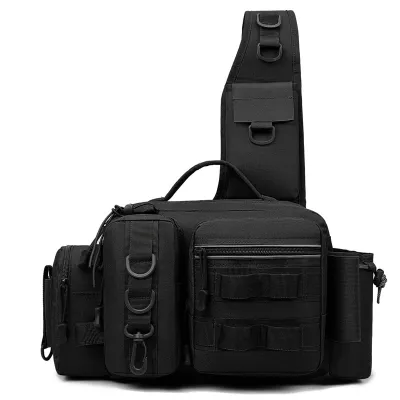
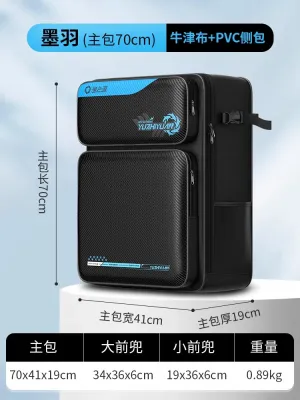
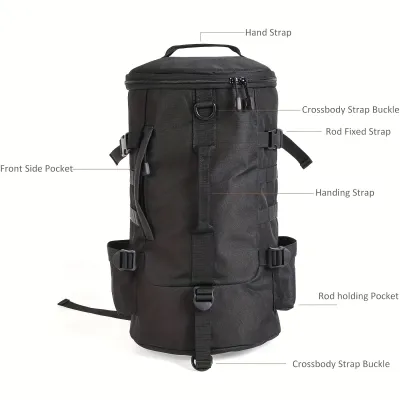
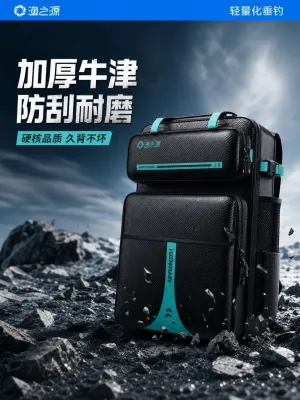
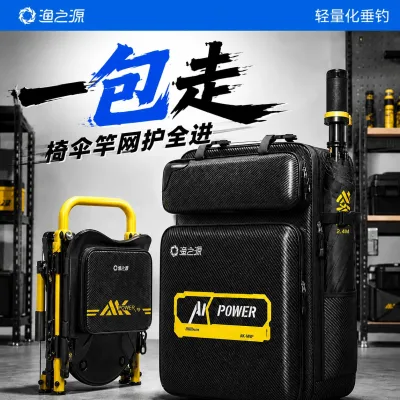
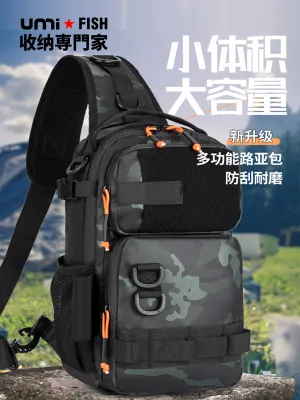
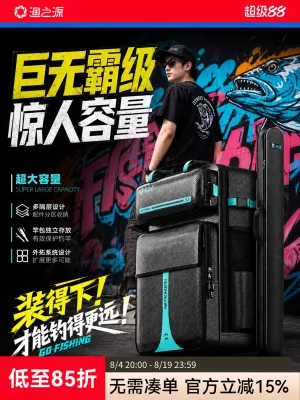
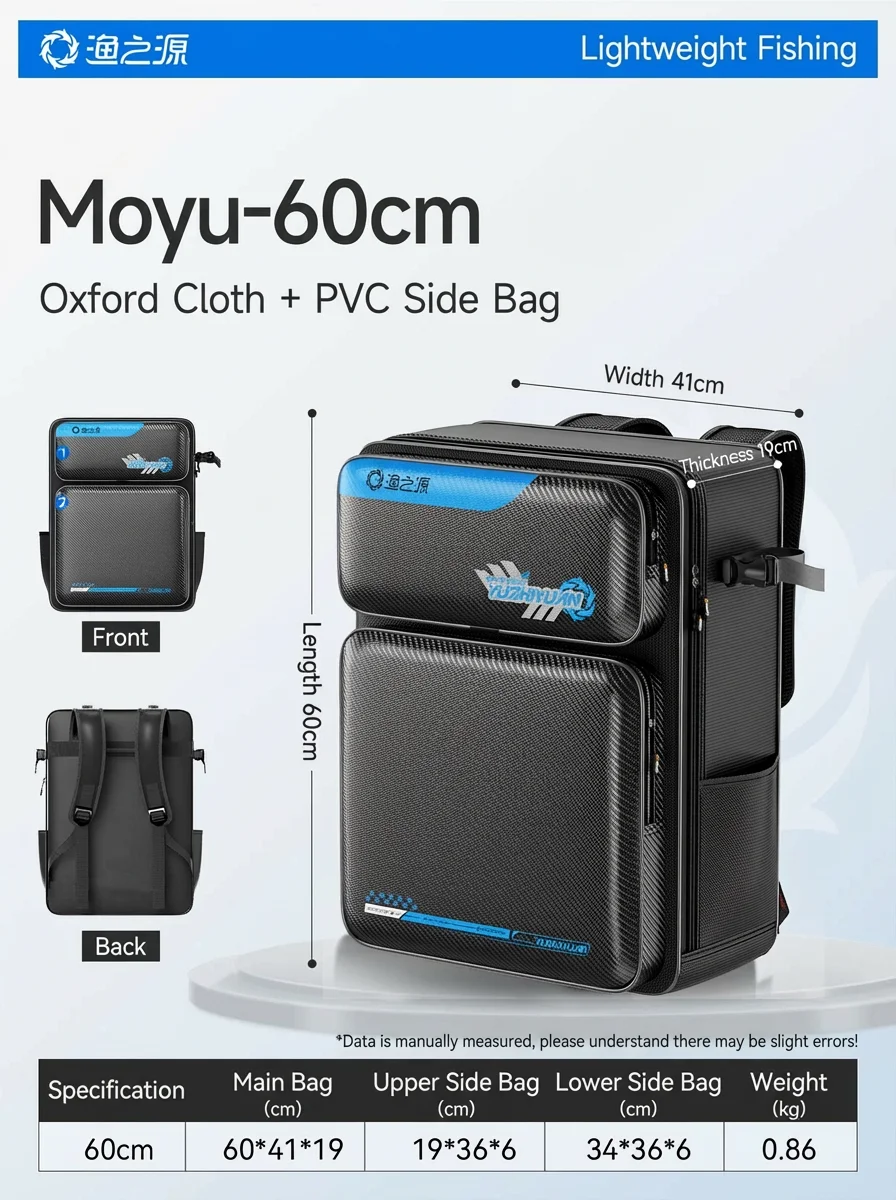
Prices are valid at publication and may change. Please refer to the product page for the latest price.
Essential Features for a Beginner's Fishing Backpack
Evaluating a fishing backpack requires looking closely at how it handles organization, climate challenges, and physical comfort. Because no single pack is perfect for every scenario, matching these features to your intended fishing venues and physical build is key to a successful purchase.
Tackle Organization and Accessibility
An organized backpack prevents gear damage and saves valuable fishing time. Look for packs that feature dedicated lower compartments designed to hold standard plastic utility trays, often referred to as tackle boxes. These compartments should allow you to slide trays in and out horizontally without disturbing the items stored in the upper section of the bag.
External rod holder straps are another critical feature for beginners in Singapore, especially those who rely on public transport like the MRT or buses to reach their fishing spots. These straps, typically made of adjustable velcro or heavy-duty webbing, secure your rod tube or broken-down rod blank vertically to the side of the pack, keeping your hands free during transit. Additionally, dedicated tool holsters or exterior D-rings are essential for keeping pliers, line cutters, and fish grips secure yet immediately accessible when you land a fish.
Climate Adaptation and Water Resistance
Singapore’s tropical climate presents unique challenges, including high humidity, intense sun, and sudden torrential downpours. A beginner’s pack must feature materials that resist water penetration to keep your spare reels, terminal tackle, and personal items dry. Look for fabrics with water-resistant coatings, such as polyurethane or thermoplastic polyurethane, and check if the pack includes a high-visibility rain cover that can be quickly deployed during a sudden storm.
Equally important is ventilation. Carrying a heavy pack against your back in high humidity quickly leads to discomfort and excessive sweating. To mitigate this, prioritize backpacks designed with raised, breathable mesh back panels. These panels create an air gap between your back and the bag, promoting airflow and keeping you cooler during long walks along reservoir banks or sunny jetties.
Load Management and Ergonomics
Carrying fishing gear—including heavy lead sinkers, water bottles, spare reels, and tackle trays—can quickly strain your shoulders and back. Proper load management is essential to prevent fatigue and maintain your balance on uneven or slippery terrain. Look for wide, padded shoulder straps that distribute weight evenly across your collarbones rather than digging into your skin.
Adjustable chest straps, also known as sternum straps, are highly beneficial as they pull the shoulder straps inward, preventing them from slipping off your shoulders while casting or walking. If you plan to carry heavier loads or walk long distances, look for a pack with a padded waist belt. This belt transfers a significant portion of the weight from your shoulders to your hips, which is the body’s natural center of gravity, significantly reducing lower back strain.
Accessible Entry-Level Fishing Backpack Brands to Consider
When searching for a reliable entry-level fishing backpack, beginners generally choose between three main categories: in-house brands from major sporting goods retailers, versatile outdoor or tactical brands, and budget options found on online marketplaces. Understanding the trade-offs of each category helps you set realistic expectations for performance and longevity.

In-House Brands from Major Sporting Retailers
Many beginners find their ideal starting pack through major global multi-sport retailers that operate large physical stores in Singapore. These retailers often develop their own dedicated angling brands, focusing on high-volume production to keep prices accessible. Because these brands design gear specifically for recreational anglers, their packs usually feature highly intuitive layouts with pre-measured compartments for standard tackle trays.
Choosing an in-house brand from a reputable retailer offers several advantages for beginners. You can visit a physical store to try the pack on, testing how it sits on your shoulders and checking the accessibility of the pockets. Furthermore, these products typically come with clear, reliable retail warranties and straightforward return policies, providing peace of mind if a zipper or seam fails prematurely.
Versatile Outdoor and Tactical Brands
Another excellent pathway for beginners is exploring general outdoor or tactical backpack brands. While these bags are not designed exclusively for fishing, many models feature modular designs that adapt perfectly to angling. Tactical packs, in particular, often utilize the MOLLE webbing system, which allows you to attach external utility pouches, water bottle holders, and tool sheaths exactly where you need them.
These brands typically prioritize rugged durability, utilizing high-denier polyester or nylon fabrics that resist abrasions from rocks, concrete, and dense foliage. The primary trade-off is that they lack specialized internal shelves for tackle trays, meaning you may need to stack your boxes vertically, which can make accessing gear at the bottom of the bag more cumbersome.
Limitations and Risks of Unbranded Packs
Online marketplaces and ecommerce platforms are flooded with unbranded or generic fishing backpacks at incredibly low prices. While the low cost can be tempting for a beginner, these products carry significant risks that can disrupt your fishing trips and cost more in the long run.
Unbranded packs frequently suffer from poor quality control, resulting in misaligned stitching, weak plastic buckles, and low-grade metal zippers that corrode almost immediately upon exposure to salty air. Furthermore, these products rarely offer accurate material specifications, meaning a bag advertised as waterproof may actually absorb water during a light shower. The lack of a clear warranty or local customer support makes returning a defective unbranded pack difficult and frustrating.
How to Verify Quality and Fit Before Buying
Because you cannot rely solely on online photos or marketing descriptions, learning how to physically inspect a backpack—or critically evaluate online listings—is crucial to securing a high-quality product.
Inspecting Stress Points and Hardware
If you are shopping in a physical store, take the time to conduct a thorough hands-on inspection of the backpack’s hardware and construction. Start with the zippers, as they are the most common failure point on any fishing bag. Look for thick, molded plastic zippers or heavy-duty nylon coil zippers, which are far more resistant to salt corrosion and sand jam-ups than fine-toothed metal zippers. Pull the zippers open and closed multiple times to ensure they glide smoothly without catching on the fabric lining.
Next, examine the stitching at critical stress points, such as where the shoulder straps and top handle attach to the main body of the bag. Look for double-stitching or bar-tack reinforcements, which indicate the pack is built to handle heavy loads. Finally, squeeze and flex the plastic buckles and adjustment clips; they should feel rigid and snap together with a sharp, positive click rather than feeling soft, flimsy, or brittle.
Verifying Specifications and Dimensions
When shopping online or reviewing product tags, pay close attention to the exact dimensions and volume capacity of the backpack. Volume is typically measured in liters, with a capacity of 20 to 30 liters generally being the sweet spot for beginner anglers. This size provides ample room for a day’s worth of tackle, snacks, and water without becoming overly bulky or heavy.
Measure your existing tackle trays and compare them directly to the dimensions of the backpack’s main compartments. Ensure the bag can accommodate your specific tray sizes (such as the common 3600 or 3700 utility box standards) without forcing you to stretch the fabric or strain the zippers. If the manufacturer does not list these internal dimensions clearly, treat it as a signal to proceed with caution.
Evaluating Online Sellers and Reviews
If you must purchase your backpack from an online marketplace, look past the overall star rating and dive into the written feedback from verified buyers. Search the reviews specifically for keywords like “zipper,” “rip,” “salt,” and “rain” to see how the pack performs in real-world conditions over time. Pay close attention to reviews written by anglers who fish in tropical or coastal environments.
Additionally, verify the seller’s profile and return policy before finalizing your purchase. Choose sellers that offer a clear return window, allowing you to inspect the pack at home and return it if the fit is incorrect or if the build quality does not match the online description. Avoid sellers with low responsiveness ratings or those who do not offer clear channels for customer support.
Routine Maintenance for Humid Climates
Singapore’s high humidity and coastal salt air accelerate the degradation of fabrics, plastics, and metals. Implementing a simple, consistent maintenance routine after every fishing trip will significantly extend the lifespan of your backpack.
Rinsing and Drying Procedures
After a day of fishing—especially near saltwater environments like West Coast Park or Changi Beach—your backpack will accumulate salt spray, mud, and organic residue. As soon as you return home, empty the backpack completely, leaving all pockets unzipped. Gently rinse the exterior of the bag with cool, fresh water from a hose or showerhead to dissolve salt crystals and wash away dirt.
Once rinsed, hang the backpack to dry in a shaded, well-ventilated area, such as a service yard or balcony. Never place a wet backpack in direct, intense sunlight, as prolonged UV exposure degrades water-resistant coatings and weakens synthetic fibers. Ensure the pack is completely dry inside and out before storing it away to prevent the growth of mold and mildew, which thrive in dark, humid cupboards.
Inspecting for Early Signs of Wear
During and after the drying process, take a few moments to inspect your pack for early signs of damage. Check the metal zipper sliders for any white, powdery residue, which indicates salt corrosion. If you notice stiffness in the zippers, applying a small amount of specialized zipper lubricant or silicone spray can keep them operating smoothly.
Examine the interior lining for any dark spots that suggest mold growth, and check the bottom panel of the bag for fabric thinning or abrasions caused by placing the pack on rough concrete or rocks. Catching these minor issues early allows you to address them before they turn into major failures that ruin a future fishing trip.
Knowing When to Seek Professional Support
While basic cleaning and minor zipper lubrication are easily handled at home, some issues require professional attention or manufacturer support. If a major structural seam splits, or if a zipper track loses its teeth, attempting a DIY sewing repair can puncture waterproof membranes and compromise the bag’s integrity.
If your backpack is still under warranty, contact the manufacturer or the retailer where you purchased it to inquire about repair or replacement options. For high-quality packs out of warranty, consulting a professional outdoor gear repair specialist is often a cost-effective way to restore the bag’s structural strength safely, ensuring it remains a reliable companion on the water for years to come.
Frequently Asked Questions (FAQ)
Can I use a regular hiking backpack for fishing?
You can use a regular hiking backpack for fishing, but you will likely face several practical inconveniences. Hiking backpacks are typically designed as top-loading sacks, meaning you must unpack almost everything to reach a tackle tray stored at the bottom. They also lack specialized external tool holsters, meaning wet pliers or fish grips must be stored inside the main compartment, which can lead to odors and moisture buildup. If you do use a hiking pack, consider using independent dry bags to organize your tackle and protect the interior from wet gear.
How much should a beginner spend on a fishing backpack?
For a reliable, entry-level fishing backpack in Singapore, a realistic budget framework ranges from S$30 to S$80. Within this range, you can expect durable polyester fabrics, decent water resistance, and functional tackle organization. Packs priced below S$30 often compromise on zipper quality and seam strength, leading to rapid failure in humid or salty conditions. Spending more than S$100 is generally unnecessary for beginners, as those premium packs offer specialized technical features that you may not fully utilize until you develop specific angling preferences.
Are hard-shell tackle boxes better than backpacks for beginners?
Neither option is universally better; rather, they serve different styles of fishing. Hard-shell tackle boxes offer superior crush protection, excellent water exclusion, and can often double as a sturdy seat, making them ideal for stationary fishing on concrete jetties, piers, or charter boats. Backpacks, on the other hand, are far superior for mobile angling, such as walking along reservoir shorelines or casting lures while wading. A backpack keeps your hands free to carry your rod and net, distributes weight comfortably across your body, and allows you to move quickly from one spot to another.
Community discussion
Share your experience or ask a question. Comments are reviewed before publication.