
Selecting a reliable high pressure air pump requires a clear understanding of both mechanical capabilities and your specific inflation needs. A high-quality pump is not merely a tool for inflating bicycle tires; it is a versatile household asset capable of servicing high-pressure road bike tires, high-volume pool floats, sports equipment, and vehicle tires. To remain reliable over years of use, a pump must feature robust materials, precise pressure gauges, and adaptable valve connections that prevent air leakage under intense pressure.
In Singapore’s active lifestyle landscape, where residents frequently transition from cycling along the Park Connector Network (PCN) to weekend beach outings at East Coast Park, a multi-purpose pump must perform consistently across diverse applications. Choosing a reputable brand ensures that you invest in a tool designed with durable seals, heat-resistant hoses, and rebuildable internal components. This guide analyzes the essential criteria for selecting a high pressure air pump and highlights the most reliable brands available in the market.
What Makes a High Pressure Air Pump Truly Multi-Purpose?
To understand what makes a pump versatile, you must first distinguish between high-volume and high-pressure inflation. High-volume inflation is designed for large, low-pressure items such as inflatable kayaks, air mattresses, and pool floats. These items require a massive displacement of air but only need a minimal amount of pressure—often less than 5 Pounds per Square Inch (PSI). Conversely, high-pressure inflation is required for road bicycle tires, which often demand pressures between 80 and 120 PSI, or shock absorbers that require even higher thresholds. A standard high-volume pump cannot generate the force needed to push air into a high-pressure tire, while a pure high-pressure pump moves too little air per stroke to inflate a large pool float efficiently.
Products mentioned in this guide
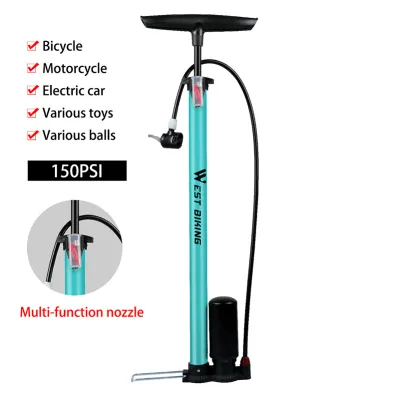
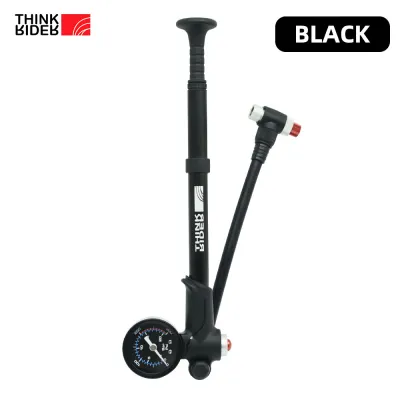
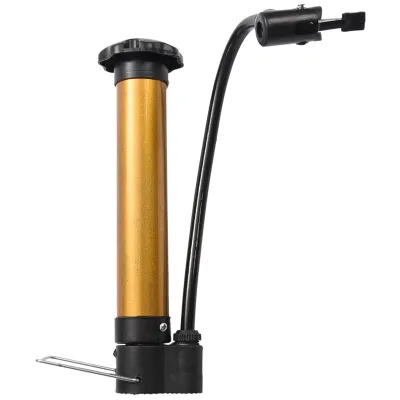
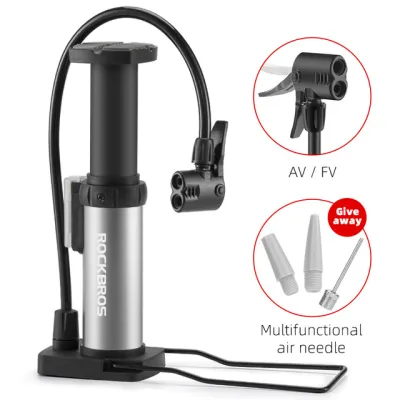
Prices are valid at publication and may change. Please refer to the product page for the latest price.
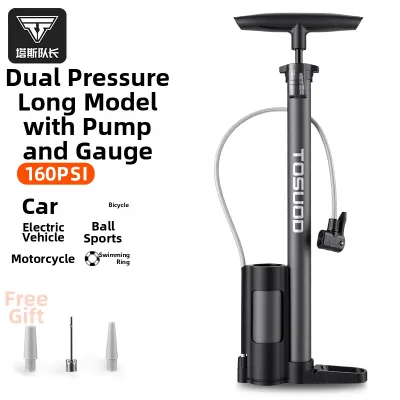
A truly multi-purpose pump bridges this gap by balancing maximum pressure output with practical air displacement. For manual floor pumps, this is achieved through optimized cylinder diameters that allow a user to reach 120 to 160 PSI without requiring excessive physical strength, while still moving enough air to fill larger tires or leisure items in a reasonable timeframe. For electric pumps, advanced internal motors and smart compression chambers allow the device to switch between high-pressure tasks and high-volume tasks seamlessly.
Valve compatibility is another critical pillar of multi-purpose utility. The pump head must accommodate different valve types without requiring complex, third-party adapters. The two primary valve standards are:
- Schrader Valves: Wide and robust, commonly found on mountain bikes, utility bicycles, car tires, and motorcycles.
- Presta Valves: Narrow and threaded, standard on high-performance road, gravel, and racing bicycles.
In addition to these, a versatile pump must support Dunlop valves (often found on traditional city utility bikes in Singapore) and include dedicated adapter needles for sports balls (such as footballs and basketballs) and plastic cone nozzles for inflatable beach toys. A pump that requires you to thread on unstable plastic adapters every time you change tasks is prone to air leaks and premature wear.
Essential Selection Criteria for Reliable Brands
When evaluating high pressure air pump brands, focusing on construction quality and long-term serviceability will save you from the frustration of frequent replacements. Premium manufacturers prioritize specific design elements that distinguish their products from cheap, generic alternatives.

Build Materials and Structural Stability
The materials used in the barrel and base directly influence the pump’s durability and user experience. Reliable brands construct their pump barrels from steel or high-grade aluminum. Metal barrels dissipate heat much more effectively than plastic ones—a crucial factor because compressing air to high pressures generates significant thermal energy that can degrade internal seals. The base of a floor pump should ideally be made of cast iron, steel, or heavy-duty machined aluminum. A heavy, wide base provides the necessary stability to keep the pump upright when you step on it, preventing tipping and wobbling during high-effort pumping strokes.
Gauge Accuracy and Placement
An inaccurate pressure gauge can lead to under-inflation, which reduces performance and increases the risk of pinch flats on bicycles, or over-inflation, which can cause catastrophic blowouts of sports equipment or tires. Reputable brands utilize calibrated, industrial-grade gauges. The placement of the gauge is equally important. Bottom-mounted gauges can be difficult to read from a standing position, leading to eye strain. Top-mounted gauges, positioned closer to the user’s line of sight, are highly desirable. Look for brands that feature oversized analog dials with high-contrast markings, or digital back-lit screens that display readings in both PSI and Bar.
Hose and Fitting Quality
The hose is the most vulnerable component of any high pressure air pump. It must withstand continuous bending, high internal pressures, and environmental exposure without swelling, cracking, or leaking. Reliable brands use reinforced, high-tensile rubber hoses that remain flexible across a wide temperature range. The connection fittings—where the hose meets the pump body and the valve head—should be constructed from brass or aluminum rather than plastic. Thread-on chucks or secure, thumb-lock levers ensure a gas-tight seal on the valve stem, preventing sudden blow-offs when pressure levels peak.
Warranty and Rebuildability
Over years of consistent use, the internal rubber O-rings, plunger seals, and leather washers inside any pump will inevitably wear down. Budget brands treat pumps as disposable items; once an internal seal fails, the entire unit must be discarded. In contrast, premium brands design their pumps with rebuildable internals. These manufacturers offer inexpensive rebuild kits containing replacement gaskets, seals, and hose assemblies. Investing in a brand that supports self-repair and provides long-term warranty coverage is both environmentally sustainable and highly cost-effective over a decade of ownership.
Recommended High Pressure Air Pump Brands by Use Case
To help you identify the right brand for your specific lifestyle, we have categorized the leading manufacturers available in Singapore based on their primary design strengths and target user profiles.
Best for Home Garage and Heavy-Duty Cycling
For serious cyclists, home mechanics, and households that require absolute precision and heavy-duty performance, legacy cycling brands offer unmatched durability. These brands specialize in manual floor pumps designed to deliver high pressures exceeding 160 PSI with minimal physical effort.
- Topeak: Topeak is globally recognized for its highly engineered, user-friendly designs. Their flagship JoeBlow series is a benchmark in the cycling industry. Topeak pumps are celebrated for their proprietary SmartHead technology, which automatically adjusts to fit both Presta and Schrader valves without swapping internal parts. With wide steel bases, top-mounted oversized gauges, and extra-long hoses, Topeak offers exceptional stability and ease of use. Their mid-range to premium models (broadly priced between S$60 and S$120) represent an excellent long-term investment for active households.
- Lezyne: If aesthetic design and CNC-machined precision are your priorities, Lezyne is the premier choice. Known for their stunning aluminum and varnished wood constructions, Lezyne pumps are built like workshop art. Mechanically, they utilize thread-on connection chucks (the ABS Flip Thread Chuck) which screw directly onto the valve. This design completely eliminates the risk of valve damage or air leakage, even at pressures up to 220 PSI. Lezyne pumps are fully rebuildable, with every single washer, seal, and hose available as a spare part.
- Park Tool: Easily identified by their signature blue color, Park Tool is the gold standard for professional bicycle workshop equipment. Their floor pumps, such as the PFP-8, are built for continuous, daily commercial use. They feature massive steel bases, robust composite pump heads, and simple, heavy-duty internal plungers. While they lack some of the aesthetic refinements of Lezyne, their mechanical reliability is legendary, making them ideal for users who prioritize utility and longevity above all else.
Best for Portable and On-the-Go Multi-Purpose Use
For commuters, travelers, and parents who need to manage inflation tasks on the go—such as topping up stroller tires at the park, inflating basketballs at community courts, or handling roadside bicycle emergencies—compact, battery-powered smart inflators are highly efficient.
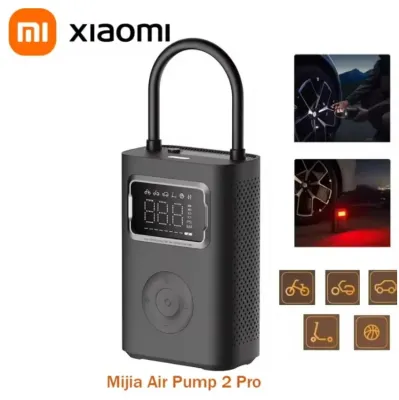
- Xiaomi: Xiaomi has revolutionized the portable inflation market with its Portable Electric Air Compressor series (such as the popular 1S and 2 models). These compact, pocket-sized devices feature digital pressure displays, precise preset modes for bicycles, cars, motorcycles, and sports balls, and an automatic shutoff mechanism that stops inflation once the target pressure is reached. Powered by rechargeable lithium-ion batteries via USB-C, these smart pumps can easily handle high pressures up to 150 PSI. They are highly favored by Singapore commuters for their ease of storage in backpacks or car glove compartments, with prices typically ranging from S$45 to S$70.
- Bosch: For users seeking premium European engineering in a portable form factor, the Bosch EasyPump offers exceptional tactile quality and performance. It features a clear digital interface, real-time pressure monitoring, and a neat, integrated storage compartment in the handle for keeping ball needles and plastic adapters secure. The Bosch motor is highly efficient, delivering steady inflation with minimal vibration and noise compared to generic portable electric pumps.
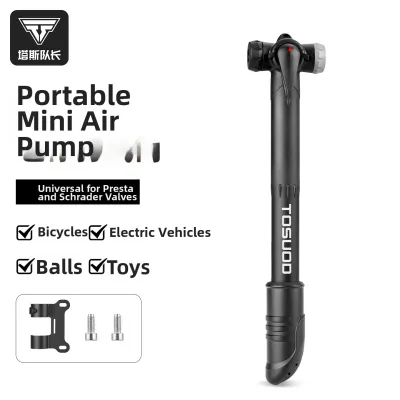
- Topeak (Portable Series): For those who prefer manual portability without relying on battery life, Topeak's Road Morph G is a unique hybrid. It is a mini-pump that features a fold-out foot pad, a flexible hose, and an in-line analog pressure gauge. This design allows you to pump using your body weight against the ground—mimicking a floor pump—while remaining compact enough to mount directly to a bicycle frame.
Best Budget-Friendly Options for Casual Sports and Leisure
If you only need a pump for occasional household tasks, such as inflating a child’s bicycle tires, keeping a football firm, or blowing up pool toys for a holiday, high-end workshop brands may represent unnecessary expenditure. Several reputable brands offer reliable, entry-level products that deliver solid performance without premium price tags.
- Decathlon (Riverside / B'Twin): Decathlon is highly accessible across Singapore, with numerous physical experience stores. Their in-house brands, Riverside and B'Twin, offer exceptionally reliable basic floor pumps (such as the Riverside 500 and 900 models) at highly competitive price points (typically under S$40). These pumps feature steel barrels, dual-head valve connectors, and integrated pressure gauges. While they utilize more plastic in the base and handle than premium brands, they are robustly constructed and more than adequate for low-frequency, domestic use.
- Giyo: Giyo is one of the world's largest original equipment manufacturers (OEM) of air pumps, producing high-quality components for many famous cycling brands. Under their own label, Giyo offers highly functional floor and mini pumps at budget-friendly prices. Their pumps typically feature composite bases and plastic handles to save on manufacturing costs, but they retain high-quality steel barrels and reliable dual-valve heads, ensuring dependable performance for casual users.
Quick Comparison of Pump Types for Multi-Purpose Needs
To help you determine which pump configuration best aligns with your living space and inflation habits, the table below compares the three primary form factors.
| Form Factor | Max PSI Capability | Inflation Speed | Portability | Best Primary Use Case |
|---|---|---|---|---|
| Floor Pump (Manual) | High (160 – 220 PSI) | Fast (High volume per stroke) | Low (Best kept at home) | Home garage, frequent cycling, rapid multi-item inflation |
| Portable Electric Pump | Medium-High (120 – 150 PSI) | Moderate (Automated, hands-free) | High (Fits in backpack/car) | Commuting, emergency roadside use, sports balls, strollers |
| Mini Hand Pump | Medium (80 – 100 PSI) | Slow (Requires high manual effort) | Extremely High (Pocket-sized) | Emergency bicycle frame mounting, minimalist travel |
Interpreting the Comparison for Singapore Households
When deciding on a pump type, consider the storage constraints of a typical Singapore apartment. If you live in an HDB flat or condominium with limited storage space, a Portable Electric Pump is highly advantageous. It can be tucked away neatly in a utility drawer or bomb shelter shelving unit, and its automated operation means you do not have to clear floor space to physically pump a tire.
However, if you own multiple bicycles or frequently host family gatherings involving large inflatables, a Floor Pump remains superior. It requires no battery charging, is always ready for immediate use, and can inflate a completely flat tire in under a minute—a task that would take several minutes and significant battery drain for a portable electric unit.
Safe Operation and Maintenance for Longevity
Operating high pressure air equipment requires adherence to specific safety protocols to protect both the user and the items being inflated. Furthermore, Singapore’s unique tropical climate introduces specific maintenance challenges that must be addressed to preserve your pump’s operational lifespan.
Safety Boundaries and Pressure Limits
Never use a high pressure air pump to inflate low-pressure items without close monitoring. High-pressure pumps (both manual and electric) compress air with immense force. If you hook up a high-pressure pump to a thin vinyl pool float or a lightweight children’s toy, the internal volume can fill and exceed its structural limit in seconds, leading to a violent rupture.
- Check Manufacturer Labels: Always locate and read the maximum inflation limit (usually printed in PSI, Bar, or kPa) directly on the tire sidewall, sports ball, or inflatable product before attaching the pump.
- Utilize Bleed Valves: Premium pumps often feature a small pressure-release button (bleed valve) near the gauge. Use this to slowly let out excess air if you accidentally over-inflate an item.
- Monitor Electric Pumps: When using portable electric pumps, always set the digital pressure limit before starting the motor. Never leave an operating electric pump unattended.
Routine Maintenance and Climate Considerations
Singapore’s high relative humidity (frequently exceeding 80%) and consistent warmth can accelerate the degradation of rubber, plastic, and mechanical components. Follow these care steps to ensure your pump lasts for years:
- Store Indoors: Avoid storing your air pump on open-air service yards, balconies, or damp outdoor corridors. Prolonged exposure to humidity and direct sunlight causes rubber hoses to develop dry rot, plastic components to become brittle, and analog gauge faces to fog up internally with condensation.
- Lubricate Internal Seals: If you own a rebuildable manual floor pump (such as a Lezyne or Topeak), the internal leather or rubber plunger seal requires periodic lubrication. Unscrew the top cap of the barrel once a year and apply a thin layer of high-quality silicone grease to the plunger. Never use petroleum-based lubricants (like WD-40 or standard machine oil), as these will chemically dissolve rubber seals and ruin the pump.
- Inspect the Hose and Chuck: Periodically check the rubber hose for micro-cracks, particularly near the connection joints. Ensure that the rubber gaskets inside the pump head (chuck) are free of dirt, sand, or debris, which can prevent a proper seal and cause air leakage during operation.
Frequently Asked Questions (FAQ)
Can a high pressure bike pump inflate a pool float quickly?
No. High pressure bike pumps are designed to move a very small volume of air at high force per stroke. While they can technically reach the low pressure required for a pool float, the process will require hundreds of strokes, making it extremely slow, physically exhausting, and prone to overheating the pump’s internal seals. For large pool floats, a high-volume, low-pressure electric bellows pump or a manual hand bellows pump is highly recommended.
How do I know if my pump's pressure gauge is still accurate?
You can verify your pump’s gauge accuracy by cross-referencing its reading with a standalone, high-quality digital pressure gauge. Connect the pump to a tire, note the reading on the pump’s gauge, and then immediately measure the pressure using the independent digital gauge. If the readings differ by more than 5 to 10 PSI, or if your analog needle fails to return completely to zero when disconnected, the gauge is likely damaged or decalibrated and should be replaced.
Community discussion
Share your experience or ask a question. Comments are reviewed before publication.