
Finding a reliable kite for kids in Singapore involves looking beyond bright colors and eye-catching patterns. A poorly constructed kite that refuses to launch or snaps its frame on the first crash can quickly turn a fun family weekend at Marina Barrage into a lesson in frustration. To ensure a smooth, enjoyable experience, you need an option that balances aerodynamic stability, durable materials, and child-friendly handling.
The most reliable kite brands for children available in Singapore include specialized manufacturers like Prism Kites, Hengda Kites, and aGreatLife, alongside highly accessible in-house retail lines from major sporting goods chains. These brands stand out because they design products specifically tailored to the physical capabilities and patience levels of young flyers. By selecting a reputable brand, you gain access to replacement parts, better flight performance, and sturdy materials that can survive the learning curve of a novice pilot.
When looking for the perfect kite for kids, parents in Singapore need to balance flight stability, durable construction, and ease of assembly. Investing in a trusted brand ensures that your weekend outdoor activities remain stress-free and engaging for the entire family.
Products mentioned in this guide
![[SG Seller]Kids Octopus Pocket Kite Soft Easy Fly Kite for Kids Foldable Octopus Kite Long Tail Octopus Kite](https://img.lazcdn.com/g/p/0aeb1a474f2532634752c00ff2a27851.jpg_400x400q80.jpg_.webp)
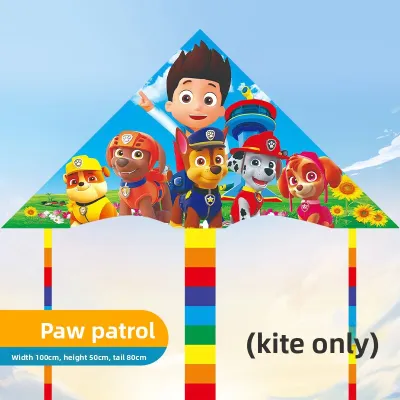
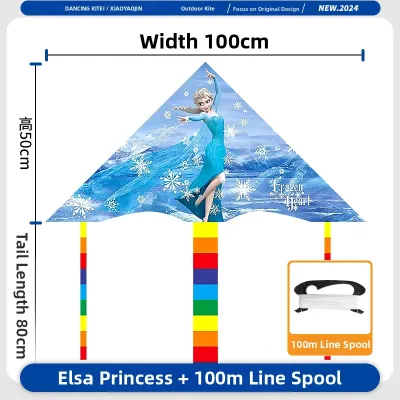
![[SG SELLER] Outdoor Children Kites Flying Game Windspeed with Tail String Line Colorful Large Kite Toy Different Designs](https://img.lazcdn.com/g/p/0bf57f2a5db4baf70319140ec51ab722.jpg_400x400q80.jpg_.webp)
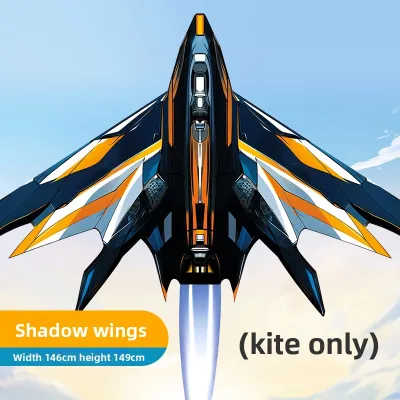
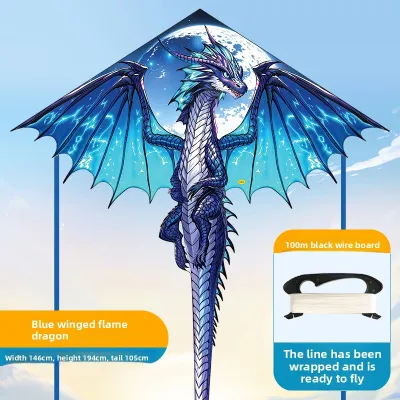
Prices are valid at publication and may change. Please refer to the product page for the latest price.
How to Choose a Durable and Easy-to-Fly Kite for Kids
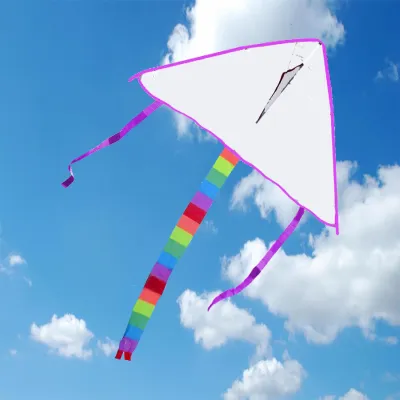
To select a kite that will keep your child engaged rather than frustrated, you must evaluate several design factors before making a purchase. The shape of the kite is the most critical factor in determining how easily it will lift off the ground and how stable it will remain in the air. For young children and beginners, Delta (triangular) and Diamond (classic four-cornered) kites are the absolute standards because they are inherently stable and require very low wind speeds to fly.
Delta kites feature a wide, triangular sail that catches even the slightest breeze, making them exceptionally forgiving for children who are still learning how to launch. The wide wingspan of a Delta kite naturally spills excess wind, preventing the kite from spinning out of control when gusts pick up. Diamond kites offer a classic aesthetic and, when paired with a long, stabilizing tail, provide a predictable flight path that helps children understand how wind direction affects movement. Both shapes are highly recommended because they do not require complex steering inputs to stay aloft.
The materials used in construction directly dictate how many crashes a kite can survive. Cheap novelty kites often use thin plastic sails and brittle plastic or wooden frame spars that snap under the pressure of a single nose-dive. For lasting durability, look for sails made from ripstop nylon or polyester. Ripstop fabric is woven with a reinforcing technique that stops small punctures or snags from tearing across the entire sail.
The frame, or spars, should ideally be constructed from flexible fiberglass. Fiberglass rods can bend significantly without breaking, allowing the kite to absorb the kinetic energy of hard impacts against the grass or sand. While carbon fiber is lighter and stronger, it is generally reserved for high-performance adult kites and carries a premium price tag that is rarely necessary for a child’s toy.
Matching the physical size of the kite and the design of the line reel to your child’s age is another essential step. A kite that is too large will generate a massive amount of aerodynamic pull, which can easily drag a small child or cause them to let go of the reel in fear. For children under the age of eight, stick to kites with a wingspan of less than one meter.
The line reel mechanism should be simple, lightweight, and easy to grip. Many children’s kites come with a basic plastic hoop or a D-shaped handle spool. These are excellent because they have no moving parts to jam and allow children to wind the line back in at their own pace. Avoid heavy-duty wheel reels or complex winding mechanisms for young kids, as these can easily tangle or spin out of control, creating a safety hazard.
When comparing options, look for a few key convenience features that simplify the setup process. Kites that come with pre-attached flying lines and pre-installed cross-spars save valuable time at the park, allowing your child to start flying immediately. Clear, pictorial assembly instructions are also incredibly useful, ensuring you do not lose small connector pieces in the grass while trying to figure out a complicated setup diagram.
Most Reliable Kite Brands for Children Available in Singapore
When shopping in Singapore, choosing a brand with a proven track record for quality ensures you receive a product designed to fly, rather than just look good on a shelf. The following brands are highly regarded by local kite-flying communities and parents for their build quality, ease of assembly, and reliable flight characteristics in Singapore’s coastal winds.

Prism Kites
Prism Kites is globally recognized for producing high-performance stunt and single-line kites, but they also offer exceptional entry-level models designed specifically for children. Their approach to kids’ kites focuses on premium materials and clever engineering, ensuring that even their simplest models fly with minimal effort. Prism uses high-grade ripstop nylon and flexible fiberglass frames that are built to withstand years of use.
One of their most popular entry-level options is the Prism Stowaway Delta, which features a clever design that folds down into a compact pouch, making it incredibly easy to carry on public transport or pack into a beach bag. Prism’s children’s models often feature vibrant, fade-resistant graphics and require virtually no assembly—many are designed to pop open like an umbrella. The primary trade-off with Prism Kites is the price, as they generally sit at a higher price bracket compared to generic options (often ranging from S$40 to S$80), but the long-term durability and outstanding flight stability easily justify the investment for families who plan to fly regularly.
Hengda Kites
Hengda Kites is a massive manufacturer known for producing an incredibly diverse range of traditional and modern kite designs at highly accessible price points. If your child is motivated by visual designs like giant octopuses, soaring eagles, dragons, or colorful cartoon characters, Hengda is likely the brand that will capture their imagination. Their kites are widely available online and in local novelty shops across Singapore.
Hengda strikes an appealing balance between affordability and durability, with most models priced between S$15 and S$30. Most of their kites utilize standard ripstop polyester sails and flexible fiberglass rods, which offer respectable resistance to crashes. However, because Hengda has an extensive and rapidly changing catalog, the quality can vary slightly between different models. When choosing a Hengda kite, parents should carefully check the product specifications to confirm the frame is made of fiberglass rather than rigid plastic, and ensure the sail material is thick enough to withstand coastal winds.
aGreatLife
aGreatLife focuses on creating classic toys that encourage outdoor family bonding, and their line of beginner-friendly kites is highly rated for its simplicity and flight readiness. Their flagship product is a large, brightly colored Delta kite that is engineered to catch light to moderate breezes with ease. This makes it an ideal choice for Singapore’s lighter inland winds, such as those found in neighborhood parks or school fields.
The brand pays close attention to the user experience of young children, packaging their kites with ergonomic handles that fit comfortably in smaller hands and high-visibility flying lines that are easy to track against the blue sky. Furthermore, aGreatLife has built a strong reputation for customer support, often providing clear instructional videos online and offering straightforward replacement policies if a frame rod is lost or damaged during a particularly rough landing.
Retailer In-House and Toy Brands
For parents seeking immediate convenience, major sporting goods retailers and toy stores in Singapore offer reliable in-house brands that are perfect for casual weekend flying. Decathlon’s in-house kite brand, Orao, is an excellent example of highly accessible, well-engineered gear. Orao kites are extensively tested in real-world wind conditions and are designed to be extremely intuitive, with color-coded assembly points and very lightweight frames.
Purchasing an in-house brand from a physical retail store in Singapore allows you to inspect the build quality firsthand and easily return the item if you discover any manufacturing defects. These retail-exclusive kites are typically priced very competitively, making them an excellent choice for a spontaneous trip to East Coast Park. While they may lack the advanced aerodynamic refinement of premium brands like Prism, they are more than adequate for casual, occasional flying and offer a fantastic introduction to the hobby.
Where to Shop for Kids' Kites in Singapore
Finding the right retail channel in Singapore is key to securing a high-quality kite while avoiding long shipping delays or counterfeit products. Visiting a physical sporting goods store or a dedicated toy boutique is highly recommended if you want to inspect the materials yourself. Large Decathlon experience stores across the island, such as those in Kallang, Bedok, and Joo Koon, feature dedicated outdoor play sections where you can feel the weight of the kite frames and check the flexibility of the fiberglass spars before purchasing.
If you prefer the convenience of online shopping, major e-commerce platforms and official brand stores offer a vast selection of international models. When buying online, it is crucial to verify the seller’s ratings and read customer reviews specifically focusing on packaging and shipping times. To avoid the disappointment of a bent frame or a torn sail during transit, look for sellers who ship their kites in rigid cardboard tubes rather than soft plastic mailers. Additionally, prioritize local Singapore-based stock to ensure rapid delivery and straightforward return policies in case the product arrives with missing parts.
You can also find excellent, specialized kites at local hobby shops and specialized kite kiosks, particularly those located near popular flying spots like Marina Barrage. These local vendors often stock high-quality brands and can provide invaluable advice on which model best suits the current wind conditions of the day. Checking local community boards or Singapore-based kite flying groups on social media can also lead you to pop-up events and recommended local distributors who specialize in child-friendly flying gear.
Essential Safety and Flying Tips for Young Beginners
Kite flying is a safe and healthy outdoor activity, but Singapore’s unique urban landscape and strict aviation regulations mean parents must establish clear safety boundaries before letting their children launch a kite. The most critical rule is to strictly avoid flying near restricted airspace. Under the Civil Aviation Authority of Singapore (CAAS) regulations, kite flying is prohibited within 5 kilometers of any military or civilian airport, including Changi Airport, Paya Lebar Air Base, Seletar Airport, and Tengah Air Base. Flying a kite in these zones can pose a severe hazard to aircraft and can result in heavy legal penalties.
Additionally, you must never fly kites near high-voltage power lines, busy roads, or active MRT and LRT tracks. If a kite line makes contact with a power line, it can conduct high-voltage electricity directly down to the flyer, posing a life-threatening shock hazard. Always inspect your surroundings and ensure there are no overhead obstructions before assembling your kite.
To ensure a safe and spacious flying environment, head to designated open fields and coastal parks. Marina Barrage is Singapore’s most famous kite-flying destination, offering steady sea breezes and a massive lawn, though it can become highly crowded on weekends. Other excellent locations include the expansive coastal lawns of East Coast Park (specifically Areas C and D), West Coast Park’s Grand Lawn, and Sembawang Park. These areas provide plenty of room to run without the risk of your kite getting caught in dense tree canopies or colliding with other park users.
Before heading out, always check the local weather conditions. Singapore’s tropical climate is prone to sudden weather shifts, particularly during the monsoon seasons. Look for steady, light-to-moderate breezes, which are ideal for keeping a child’s kite aloft without creating excessive pull. Crucially, you must monitor the National Environment Agency (NEA) weather alerts and immediately pack up your gear if a CAT 1 lightning warning is active or if you hear thunder. Wet kite lines and fiberglass frames can act as lightning conductors, making thunderstorms extremely dangerous.
When assisting your child, teach them how to launch the kite safely using a two-person method. One person stands downwind holding the kite upright, while the child stands upwind holding the reel with about ten to fifteen meters of line let out. When a gentle gust of wind is felt, the launcher releases the kite into the air while the child gently pulls back on the line to create lift.
Remind your child to manage the line tension carefully to prevent painful friction burns. They should never wrap the flying line around their fingers, hands, or wrists, as a sudden gust of wind can pull the line tight and cut into the skin. If the kite crashes into a tree or becomes tangled in a high structure, advise your child to stop pulling and seek help from an adult. Never attempt to climb trees or utility poles to retrieve a stuck kite; it is always safer to abandon a lost kite than to risk a dangerous fall.
Frequently Asked Questions (FAQ)
What is the best age for a child to start flying a kite?
Children can begin enjoying the magic of kite flying as early as 3 to 5 years old, provided they have heavy parental assistance. At this toddler stage, they will enjoy chasing the kite, watching its colors, and briefly holding the handle while an adult stands directly behind them to manage the pull. Between the ages of 6 and 8, most children develop the hand-eye coordination and physical strength necessary to hold the reel independently, manage basic line tension, and feel how the wind affects the kite. By the age of 9 and older, children can typically master the techniques of launching, steering, and retrieving a single-line kite entirely on their own, making it a highly independent and rewarding outdoor hobby.
Do I need to buy a separate kite reel for my child?
For young beginners, the basic plastic handle or D-shaped spool that comes packaged with most reliable kids’ kites is perfectly adequate. These simple spools are lightweight, easy for small hands to grasp, and have no complicated moving parts that can pinch fingers or jam. You should generally avoid upgrading to heavy-duty, professional hoop reels or metal wheel reels for young children. These advanced reels can be far too heavy for a child to hold comfortably and can spin at extremely high speeds when the kite catches a strong gust. This rapid spinning can easily lead to severe line tangles or painful friction burns if a child attempts to stop the wheel with their bare hands.
How do I fix a broken kite frame?
If your child’s kite suffers a hard crash and damages its frame, first consult the manufacturer’s care instructions or warranty policy before attempting any repairs. Many reliable brands use standard-sized fiberglass rods that can be easily replaced. You can purchase generic fiberglass replacement spars of the matching diameter from specialized hobby shops or online retailers. To repair, carefully slide the broken rod out of its fabric pockets and insert the new rod, cutting it to the exact length of the original if necessary. Avoid using makeshift DIY materials like wooden dowels or heavy plastic tubes to patch the frame; these materials will alter the kite’s weight distribution and aerodynamic balance, which may prevent it from ever flying straight again.
Community discussion
Share your experience or ask a question. Comments are reviewed before publication.