
Selecting a reliable massage hammer in Singapore requires balancing your specific recovery goals with a clear understanding of brand durability, engineering quality, and local support. With an active populace navigating everything from high-intensity training sessions along East Coast Park to long hours at office desks in the Central Business District, muscle recovery tools have transitioned from luxury spa treatments to essential household items. The market presents two primary pathways: traditional manual massage hammers that rely on physical kinetic force, and motorized electronic percussive therapy devices, commonly referred to as massage guns.
Navigating the vast array of brands available in Singapore can be challenging, especially with numerous online listings making identical promises of deep tissue relief and lifetime durability. To secure a tool that genuinely aids muscle recovery without failing after a few months of use, you must look beyond aesthetic designs and marketing slogans. A reliable purchase depends on evaluating structural materials, motor engineering, ergonomic balance, and the credibility of local retail and warranty frameworks.
This guide establishes a practical framework to help you assess brand reliability, match different massage hammer designs to your physical recovery needs, and navigate the local Singapore retail landscape safely.
Products mentioned in this guide

Prices are valid at publication and may change. Please refer to the product page for the latest price.
How to Evaluate Massage Hammer Brands for Reliability and Durability
Assessing the physical construction of a massage hammer is the first step in identifying a brand built for the long term. High-quality brands construct their devices using high-density, impact-resistant plastics, such as acrylonitrile butadiene styrene (ABS) or polycarbonate blends, which protect internal components from accidental drops. For manual massage hammers, look for reinforced metal shafts, solid hardwood, or high-tensile fiberglass handles that resist flexing or snapping under heavy manual pressure. Non-slip ergonomic grips made of textured silicone or thermoplastic rubber (TPR) are crucial, particularly in Singapore’s humid climate where sweat can easily cause a slippery handle.
For electronic percussive models, the internal motor and battery configuration dictate the device’s lifespan and performance consistency. Reliable brands utilize brushless motors, which generate significantly less friction, run quieter, and experience far less mechanical wear over time compared to cheaper brushed motors. The battery pack should feature high-grade lithium-ion cells with a documented battery cycle life, ensuring the device retains its charge capacity after hundreds of charging cycles. Additionally, look for built-in thermal protection features; these safety sensors automatically shut down the motor if internal temperatures rise too high, preventing permanent thermal damage during extended recovery sessions.
Brand track record and market specialization serve as strong indicators of overall product engineering. Brands that specialize exclusively in sports science, physical therapy, or athletic recovery generally invest heavily in precise ergonomic research, high stall force thresholds, and robust internal gearboxes. Conversely, general consumer electronics brands often prioritize trendy aesthetics or low price points, resulting in shallower percussion depths, weaker motors that stall easily under moderate pressure, and shorter overall lifespans. Investing in a brand with a dedicated focus on physical wellness usually yields a more durable and effective recovery tool.
To avoid purchasing a subpar device, train yourself to verify technical specifications rather than relying on vague marketing claims. Examine official product labels, user manuals, and manufacturer specification sheets for hard data. Key metrics to verify include the stall force (the amount of pressure required to stop the motor), amplitude (the depth the massage head travels, measured in millimeters), and battery capacity (measured in milliampere-hours or watt-hours). If a brand does not transparently publish these specifications on their official channels, treat their durability and performance claims with healthy skepticism.
Matching Massage Hammer Types to Your Muscle Relief Needs
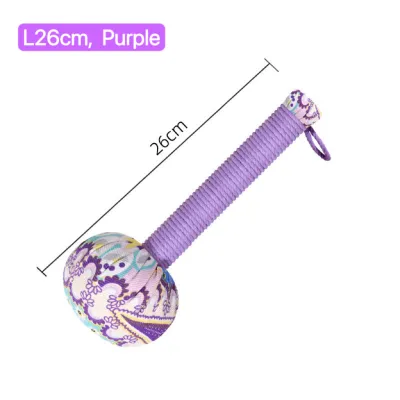
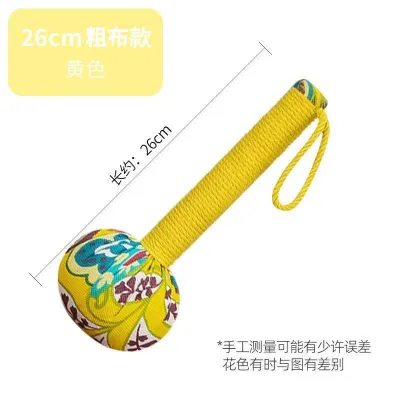
Manual massage hammers offer a highly tactile, user-controlled recovery experience that has remained popular for generations. These tools, which include flexible spring-loaded mallets, T-bar designs, and dual-head rubber or wooden hammers, are exceptional for targeted trigger point therapy and acupressure. Because they rely entirely on your manual kinetic force, you retain absolute control over the depth and intensity of the pressure applied. Manual models require no electrical charging, feature zero electronic components that could fail, and are highly portable, making them excellent for quick outdoor sessions or travel without worrying about battery life.

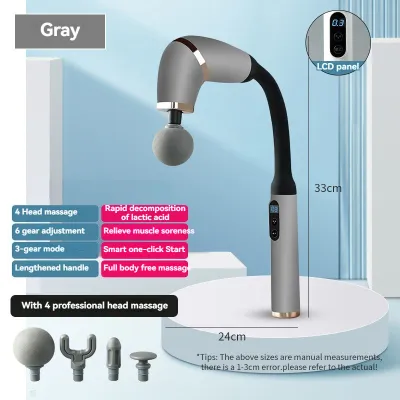
Electronic percussive hammers, or massage guns, deliver rapid, automated vertical strokes to provide deep tissue stimulation and high-frequency muscle relief. These devices are highly effective for covering large muscle groups quickly, such as the quadriceps, hamstrings, and glutes, making them a favorite among local runners, cyclists, and gym-goers. The motorized rapid percussion helps desensitize painful muscle areas, increases local blood flow, and reduces manual fatigue, allowing you to treat hard-to-reach areas with minimal physical effort.
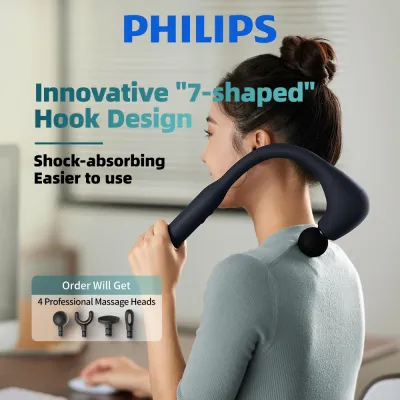
Ergonomic design and physical balance are critical factors that directly influence how comfortably you can use the tool on yourself. A poorly balanced massage hammer can strain your wrist, elbow, and forearm during a ten-minute recovery session, defeating the purpose of muscle relief. Evaluate the handle length, weight distribution, and grip angles; some advanced brands offer multi-grip triangular handles or adjustable articulating arms. These features allow you to reach your lower back, posterior shoulders, and calves comfortably without requiring awkward joint angles or assistance from another person.
While massage hammers are highly effective for daily muscle maintenance, they must be used with a clear understanding of safety boundaries and contraindications. Always read the manufacturer’s safety instructions before operating any recovery device. Never apply a massage hammer directly to bony prominences like the spine, kneecaps, or collarbones, and avoid sensitive areas such as the front of the neck, major blood vessels, and joints. If you are recovering from an acute injury, severe muscle tear, or have an underlying medical condition, consult a qualified healthcare professional before use, as mechanical massage cannot replace professional medical diagnosis and treatment.
Understanding Massage Hammer Brand Categories Available in Singapore
Professional sports recovery brands represent the premium tier of the electronic market, engineered specifically for competitive athletes, physiotherapists, and heavy daily use. These brands focus on high stall forces (often up to 60 pounds of resistance), deep percussive amplitudes of 12mm to 16mm, and advanced multi-grip ergonomics. They incorporate sophisticated gearbox engineering and proprietary brushless motors to maintain quiet operation without sacrificing raw power. While these professional-grade devices sit in a higher price bracket, typically ranging from S$300 to over S$600, they offer superior durability, consistent performance under load, and comprehensive warranty support.
Consumer wellness and lifestyle brands cater to general fitness enthusiasts, office workers seeking relief from desk-bound muscle stiffness, and casual users. These brands offer a balanced combination of moderate percussive power, lighter and more compact frames, and straightforward, user-friendly interfaces. They are widely distributed across Singapore’s major department stores, lifestyle boutiques, and electronics retailers. Generally priced in the mid-range of S$100 to S$300, these devices provide reliable daily relaxation and light muscle maintenance without the bulk, complexity, or high cost of professional-grade equipment.
Traditional manual tool and therapy brands specialize in non-electric, highly durable physical therapy tools crafted from natural materials like polished wood, silicone, or vulcanized rubber. These manual hammers are highly favored for traditional self-massage techniques and are exceptionally popular among elderly users who prefer simple, intuitive tools. Because they contain no electronic circuitry, motors, or batteries, they require zero maintenance, have an indefinite lifespan, and are highly cost-effective, typically retailing for under S$50. They represent the peak of mechanical reliability and straightforward, user-controlled muscle relief.
Before making a final decision, always verify current model availability, technical specifications, and local pricing directly on the brand’s official website or through authorized physical showrooms in Singapore. Product lines, software integrations, and accessory packages change frequently, and third-party online marketplace listings may feature outdated models, regional variants with incompatible specifications, or inflated prices. Direct verification ensures you receive accurate product information and genuine stock.
Purchasing and Warranty Checklist for Shoppers in Singapore
When purchasing an electronic massage hammer in Singapore, verifying electrical safety and compatibility is paramount. Ensure that the device’s charger or power adapter natively supports Singapore’s electrical standard of 230V at 50Hz and features a compliant Type G three-pin plug. Under Singapore’s Consumer Protection (Safety Requirements) Registration Scheme, controlled electrical appliances, including power adapters, must carry the Safety Mark. Avoid using uncertified, cheap international adapters, as they can pose electrical fire hazards or damage the sensitive lithium-ion battery management system inside your device.
To protect yourself from counterfeit products and sub-standard manufacturing, always purchase your massage hammer through authorized retail channels. This includes official brand concept stores, major department stores, established local sports retailers, or verified flagship storefronts on major local e-commerce platforms. Buying from unauthorized grey-market importers or unverified third-party sellers may save you money upfront, but it carries a high risk of receiving counterfeit goods with dangerous battery cells that lack basic thermal safety mechanisms.
Securing a valid local warranty is a crucial safeguard for any electronic wellness device. Confirm with the seller that the product comes with a local warranty serviced by a registered, physical repair center located in Singapore. Many parallel importers advertise long warranties that actually require you to ship the heavy device back to an overseas factory at your own expense, leading to high shipping fees and weeks of waiting. A local service center, often located in accessible industrial hubs like Ubi, Tai Seng, or Alexandra, ensures fast turnaround times and direct, hassle-free customer support.
Finally, read the warranty terms carefully to understand the exact scope of coverage and any limitations. A reliable manufacturer’s warranty typically covers defects in the brushless motor, internal gearbox, control screen, and charging circuitry for a period of one to two years. However, almost all warranties exclude cosmetic wear, physical damage resulting from drops or improper handling, water exposure, and the natural degradation of battery capacity over time. Knowing these boundaries helps you care for your device properly and protects you from unexpected out-of-pocket repair costs.
Frequently Asked Questions (FAQ)
Can I use a massage hammer every day for muscle recovery?
Yes, you can safely use a massage hammer daily as part of your muscle recovery routine, provided you listen to your body’s feedback and avoid overusing the device. Limit your sessions to a maximum of two to three minutes per specific muscle group, moving the hammer continuously along the muscle belly rather than holding it in one spot. Focus on large, meaty muscle groups like the calves, thighs, and upper back, and stop immediately if you experience sharp pain, bruising, or skin irritation. Daily use should promote relaxation and circulation; it should never cause pain or leave your muscles feeling sore.
What is the difference between a manual massage hammer and a percussive therapy device?
The primary difference lies in how kinetic force is generated and delivered to your muscles. A manual massage hammer relies entirely on your own physical movement, allowing you to regulate the force, angle, and speed with high precision, making it ideal for gentle tapping, traditional meridian therapy, and self-regulated acupressure. An electronic percussive therapy device, or massage gun, utilizes a high-speed brushless motor to deliver automated, rapid vertical strokes deep into the muscle tissue. This high-frequency percussion covers large muscle areas quickly, penetrates deeper into the muscle fibers, and relieves tension with minimal physical effort on your part.
Community discussion
Share your experience or ask a question. Comments are reviewed before publication.