
Setting up a home Pilates studio in Singapore is an exciting step toward consistent physical wellness. For beginners, selecting a Pilates reformer requires balancing safety, mechanical quality, space constraints, and budget. The right choice prevents injury and ensures a smooth, progressive learning experience. While premium brands set the gold standard for durability and biomechanical precision, mid-range options offer space-saving designs well-suited for high-density housing. The key to a reliable beginner reformer lies in frame stability, progressive spring resistance, and local support, rather than simple brand popularity.
What Makes a Pilates Reformer Reliable for Beginners?
Frame stability is the foundation of a safe Pilates practice. When performing dynamic movements like carriage splits or short box series, the reformer must remain completely stationary. Solid wood frames, often crafted from maple or oak, provide exceptional weight and structural rigidity, absorbing vibrations and preventing the machine from sliding. High-grade aluminum or steel frames offer a lighter, modern alternative that is highly durable and easier to clean. For a beginner, a shaking or flexing frame can cause a loss of balance, making stability a non-negotiable safety factor.
Carriage smoothness directly impacts your ability to perform exercises with control. The carriage should glide silently along the tracks on precision-engineered wheels. High-quality polyurethane or nylon wheels with sealed ball bearings prevent jerking or sticking. If a carriage hitches or bumps, it disrupts your movement flow and can place sudden, uneven stress on your joints. For beginners building core stability and muscle memory, a predictable, fluid carriage glide is essential for maintaining proper alignment.
Products mentioned in this guide
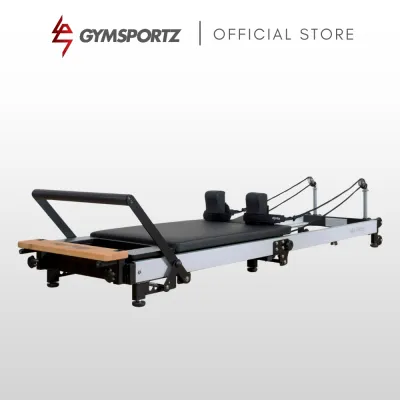
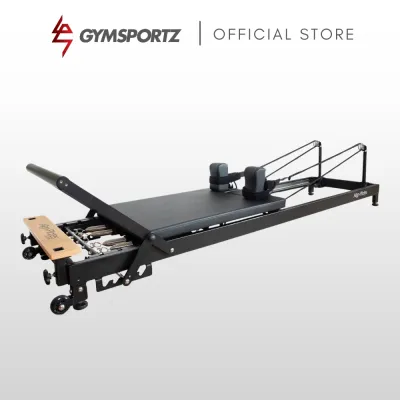
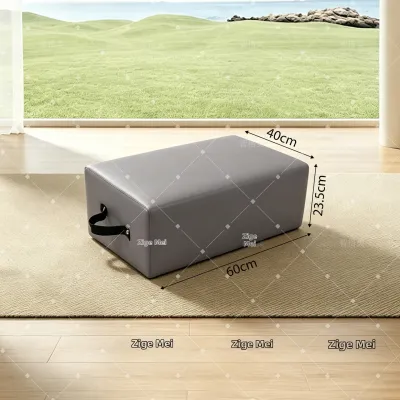
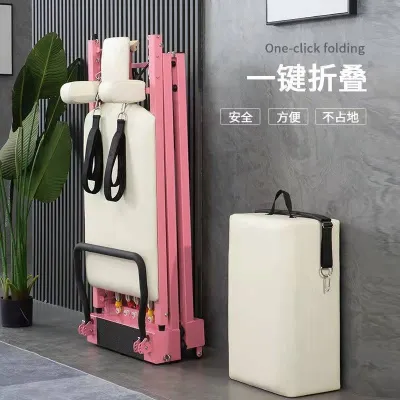
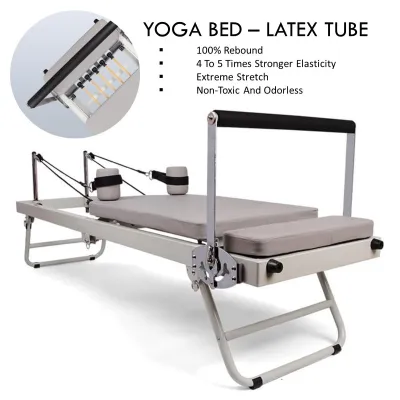
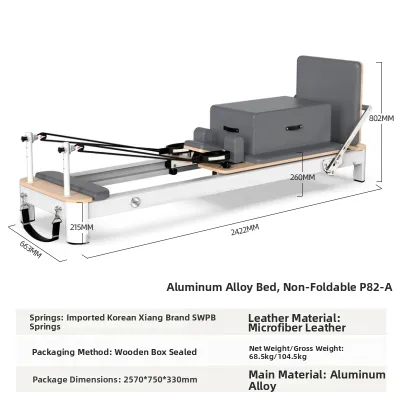
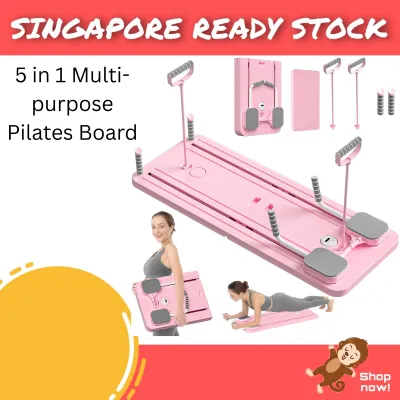
Prices are valid at publication and may change. Please refer to the product page for the latest price.
The spring resistance system is the engine of the reformer. High-quality reformers use heavy-duty steel springs that provide progressive resistance, meaning the resistance increases smoothly as the spring stretches. Beginners require a versatile spring configuration, typically consisting of four or five springs with varying tension levels, such as one light, two medium, and one heavy spring. This variety allows you to scale down the resistance for exercises that require core control, or scale it up for lower-body strength work. Avoid cheap models that use bungee cords, as they lack progressive tension and degrade rapidly, compromising safety.
Essential safety features protect you during solo home workouts. Look for a footbar that locks securely into multiple height positions without wobbling. The shoulder rests must be padded and non-slip to support your body weight during inversions or feet-in-straps exercises. Additionally, the ropes, pulleys, and strap attachments must feature robust metal hardware rather than plastic clips. In a home setting, reliability means consistent mechanical performance and structural integrity over years of regular use, ensuring your equipment remains safe even when exercising without an instructor’s direct supervision.
Space and Setup Considerations for Singapore Homes
Space planning is a critical first step when bringing a reformer into a Singapore apartment. A standard studio reformer typically measures between 2.4 and 2.7 meters in length and 65 to 75 centimeters in width. Beyond the physical footprint of the machine, you must allocate at least 50 to 60 centimeters of clear space on all sides. This clearance is necessary for mounting and dismounting safely, as well as executing exercises where your arms, legs, or accessories extend past the frame.

If you live in a typical HDB flat or condominium where space is shared or limited, a dedicated studio reformer may dominate a room. Fortunately, modern manufacturers offer foldable, stackable, or vertically storing home models. Foldable reformers can be unlocked, folded in half, and wheeled into a closet or corner when not in use. Vertically storing models stand upright on their end, reducing the floor footprint to less than one square meter. Carefully measure your intended workout area and map out the dimensions on your floor using masking tape before purchasing.
Floor load limits and acoustic transmission are important considerations for multi-story residential living. While standard residential floors in Singapore are engineered to easily support the weight of a reformer and a user, dynamic movements can transmit vibrations and rolling noise through the floor structure. To maintain good relations with your neighbors downstairs, place a high-density, vibration-absorbing rubber or PVC mat under the reformer. This mat dampens sound, prevents the machine from slipping on smooth tiles or vinyl, and protects your flooring from scratches.
Singapore’s tropical climate presents unique maintenance challenges for fitness equipment. High relative humidity can accelerate the rusting of steel springs, chrome-plated parts, and metal fasteners. It can also lead to mold and mildew growth on vinyl upholstery and foam padding. To protect your investment, place the reformer in a well-ventilated room, ideally with air conditioning or a dehumidifier nearby. Regularly wiping down the metal tracks, springs, and upholstery after every workout is essential to prevent moisture accumulation and premature wear.
Trusted Pilates Reformer Brands for Home Studios
Selecting the right brand involves matching your budget, space, and fitness goals with the manufacturer’s design philosophy. The market features distinct tiers of reformers, ranging from commercial-grade studio equipment to highly compact, budget-friendly home models.
Premium Studio Brands with Home Models
For practitioners seeking the exact feel of a professional Pilates studio at home, premium brands like Balanced Body and Merrithew are the industry benchmarks. Balanced Body’s Allegro and Metro IQ models, along with Merrithew’s SPX Home Reformer, are designed with the same biomechanical precision as their commercial counterparts. These brands prioritize heavy-duty construction, using premium materials like anodized aluminum and sustainably sourced hardwoods. The carriage ride on these machines is exceptionally quiet and smooth, providing an unmatched user experience.
However, these premium options demand a significant investment. Prices typically start around S$4,000 and can easily exceed S$8,000 depending on customization, shipping, and accessories. They also tend to have larger footprints and heavier frames, making them less suitable for frequent relocation. If you choose to invest in a premium model, it is highly recommended to purchase through authorized local distributors in Singapore. This ensures you receive a valid manufacturer’s warranty, professional delivery, and direct access to genuine replacement parts such as custom springs and ropes.
Mid-Range and Space-Saving Home Reformers
If you are a dedicated home practitioner looking for a balance of quality, space efficiency, and reasonable cost, mid-range brands offer excellent solutions. Align-Pilates, with models like the H1 or F3, and AeroPilates, by Stamina, are popular choices in this segment. These brands design reformers specifically for residential environments, incorporating foldable frames, lighter materials, and built-in wheels for easy storage. They offer a solid bridge between commercial durability and home convenience, with prices generally ranging from S$1,500 to S$3,500.
Many mid-range models come bundled with beginner-friendly accessories, such as jump boards, cardio rebounders, and reformer boxes, allowing you to expand your exercise repertoire as your skills progress. Their spring systems are highly adjustable and clearly color-coded for ease of use. When evaluating these models, pay close attention to the maximum user weight capacity, which is often lower than that of commercial studio models. Additionally, test or verify the carriage tracking system to ensure it remains smooth and stable under load, as lighter frames can sometimes experience minor flexing during intense workouts.
Entry-Level and Foldable Alternatives
For beginners who want to explore Pilates without committing to a major financial layout, entry-level and highly compact reformers are available. These models focus on basic functionality and maximum space savings, often utilizing lightweight aluminum or reinforced steel frames that fold completely flat. When shopping in this tier, look for models that feature robust locking pins, safety hinges, and stable support legs to ensure the frame remains rigid and safe while you are on the carriage.
Be cautious of ultra-cheap, unbranded reformers sold on general online marketplaces. These budget-friendly options often cut corners by using low-grade plastic wheels, thin metal frames, and bungee cords instead of high-quality steel springs. Bungee cords do not provide the progressive resistance necessary for proper Pilates biomechanics and tend to lose elasticity quickly, creating safety hazards. To find a reliable entry-level machine, cross-reference user reviews on reputable fitness forums and retail platforms to assess real-world durability, assembly complexity, and the long-term reliability of the moving parts.
Navigating Delivery, Assembly, and After-Sales Support
Purchasing a Pilates reformer in Singapore involves navigating unique logistical challenges before the machine even enters your home. Reformers are long, heavy, and often delivered in large, bulky wooden crates or heavy cardboard boxes. Before placing your order, measure the dimensions of your building’s elevator, the width of your apartment corridors, and the clearance of your front door. Some non-foldable studio models may not fit into standard HDB passenger lifts, requiring manual transport up stairwells, which can incur additional delivery fees or logistical complications.
Assembly is another critical factor that directly affects the safety and longevity of your equipment. While some compact or foldable home models are designed for straightforward DIY assembly with basic tools, premium and commercial-grade reformers are highly complex. Misaligning the frame, incorrectly installing the carriage wheels, or improperly securing the spring bar during a DIY setup can lead to uneven wear, squeaking, or even carriage derailment during use. For heavy wood or high-end metal reformers, investing in professional assembly services provided by local distributors is highly recommended to ensure structural integrity and preserve your warranty.
Local after-sales support is invaluable for long-term ownership. Like any mechanical equipment, a reformer requires ongoing maintenance, and certain components will wear out over time. Springs should generally be replaced every two years of regular home use to prevent sudden breakage, while ropes, straps, and carriage wheels may require replacement due to wear and tear. Purchasing from a brand with an established local distributor in Singapore ensures that you can easily source genuine replacement parts and access professional servicing without facing long shipping delays or high international freight charges.
Essential Safety and Maintenance for Your Home Reformer
Keeping your home reformer safe and functional requires a commitment to regular, low-risk maintenance and routine visual inspections. Before starting any workout session, take a moment to inspect the mechanical components. Check the ropes and straps for any signs of fraying, cracking, or loose stitching. Inspect the springs closely; look for any gaps between the coils, signs of rust, or permanent elongation. If you notice any wear or damage, replace the affected parts immediately before using the machine again.
Cleaning the reformer is essential for both hygiene and mechanical performance. After every workout, wipe down the vinyl upholstery, shoulder rests, and headrest using a soft cloth dampened with water and a mild, alcohol-free soap, or specialized non-corrosive fitness wipes. Avoid using harsh chemical cleaners, bleach, or alcohol-based products, as these can dry out the vinyl, causing it to crack and peel over time. Additionally, wipe down the aluminum or wood tracks with a dry microfiber cloth to remove dust, sweat, and hair.
The carriage tracks must remain completely clear of debris to ensure a smooth ride. Dust, pet hair, and grit can accumulate on the tracks and stick to the carriage wheels, causing a bumpy ride and accelerating wheel wear. If you hear any grinding noises, squeaking, or feel uneven resistance while rolling, stop using the machine immediately. Do not attempt to force the carriage or apply heavy industrial lubricants to the tracks, as this can attract more dirt and damage the wheels. Instead, consult the manufacturer’s manual or contact a local technician for professional servicing advice.
Frequently Asked Questions (FAQ)
Can I place a Pilates reformer on the second floor of an HDB flat?
Yes, you can safely place a Pilates reformer on any floor of an HDB flat. Standard residential floors in Singapore are structurally designed to support typical household furniture and fitness equipment. However, because dynamic exercises can transmit rolling sounds and vibrations down through the floorboards, it is highly recommended to place a thick, high-density, non-slip rubber or PVC equipment mat underneath the reformer. This mat protects your flooring from scratches, dampens noise, and ensures a quiet environment for your household and neighbors.
Do I need to hire a professional to assemble a home Pilates reformer?
While some lightweight, foldable home reformers are designed for easy DIY assembly with clear instruction manuals, professional assembly is strongly recommended for premium, heavy wood, or complex metal models. Professional installers ensure that the frame is perfectly aligned, the carriage wheels glide smoothly along the tracks, and all safety features are properly calibrated. Hiring a professional not only guarantees your safety during workouts but also prevents assembly errors that could void your manufacturer’s warranty.
Community discussion
Share your experience or ask a question. Comments are reviewed before publication.