
Finding the right roller skates for kids in Singapore involves balancing safety, comfort, and longevity. With the extensive Park Connector Network (PCN) and numerous outdoor spaces available, inline skating has become a highly popular recreational activity for children. However, a poor-quality skate can lead to discomfort, improper ankle alignment, or even injuries, turning a fun outdoor activity into a frustrating experience. To ensure your child’s safety and foster their love for the sport, it is essential to focus on established brands that prioritize structural integrity and proper foot support.
Parents often face the challenge of choosing between cheap, unbranded skates found on online marketplaces and premium models from specialized brands. While budget-friendly options are tempting, they frequently lack the necessary lateral ankle support and durable wheel bearings required for outdoor surfaces. Investing in a trusted brand ensures that the skates can handle Singapore’s humid climate and varied outdoor terrains while providing adjustable sizing to accommodate growing feet.
How to Evaluate Safety and Quality in Kids' Roller Skates
To make an informed decision, parents must understand the key engineering components that distinguish high-quality children’s skates from low-grade alternatives. Safety should always be the primary consideration, followed closely by comfort and adjustability.
Products mentioned in this guide
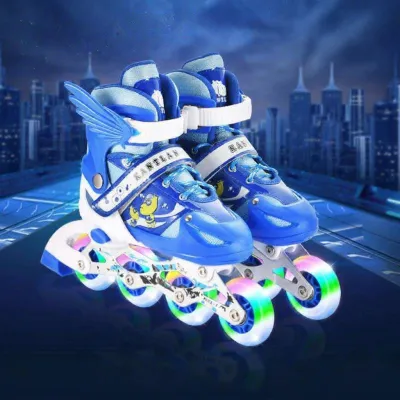
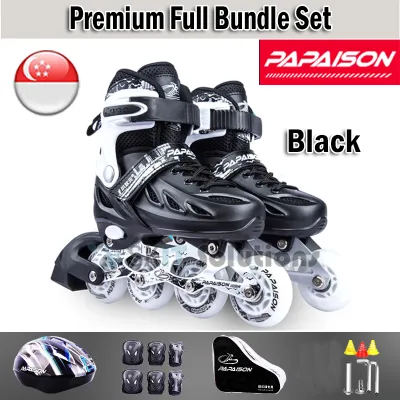
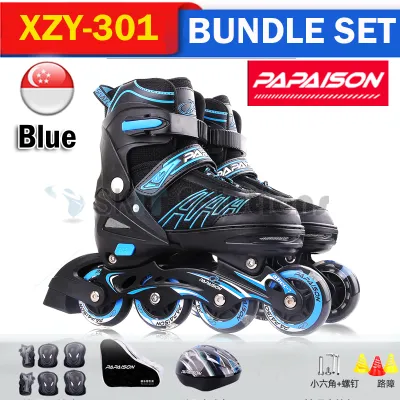
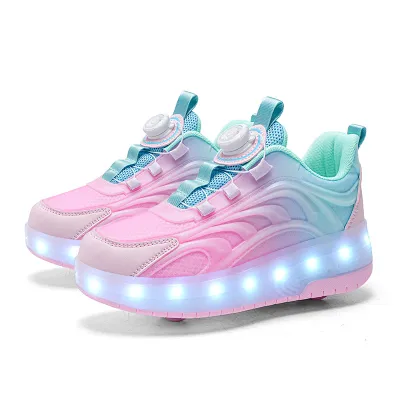
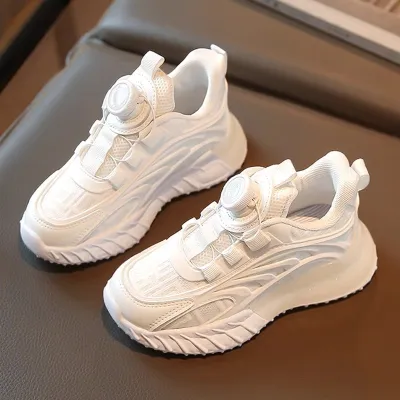
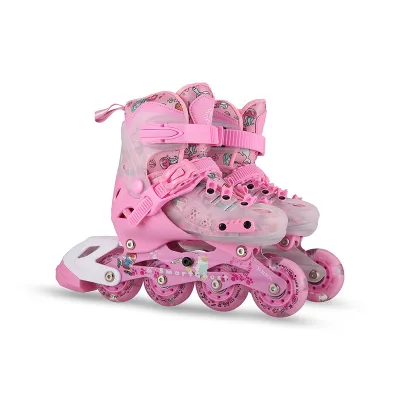
Prices are valid at publication and may change. Please refer to the product page for the latest price.
Ankle Support and Boot Construction The boot structure is the most critical factor in preventing ankle roll and injury. For beginners, a hard-shell boot made of molded plastic is highly recommended. It provides rigid lateral support, keeping the child’s ankle upright and properly aligned over the frame. Soft-boot designs, which resemble structured sneakers, offer superior breathability and immediate comfort but are better suited for children who have already developed basic balance and ankle strength. When evaluating a skate, gently press the sides of the ankle collar; if it bends easily under light hand pressure, it will not provide adequate support for a child’s weight.
Adjustable Sizing Mechanisms Because children’s feet grow rapidly, quality manufacturer designs incorporate expandable sizing. These systems typically allow the boot to adjust across four to five sizes via a push-button mechanism or a secure tool-adjusted frame. It is vital to verify that the adjusting mechanism does not introduce play or instability into the frame. High-quality brands engineer their expandable skates so that the structural frame remains perfectly centered under the foot, preserving balance and weight distribution regardless of the selected size setting.
Wheel Hardness and Size The wheels on roller skates for kids dictate how smoothly the skate rolls and how much vibration is transferred to the joints. Wheel hardness is measured on the Durometer A scale. For Singapore’s outdoor park connectors and asphalt paths, look for wheels with a durometer rating between 80A and 82A. These softer polyurethane wheels absorb road vibrations and offer better grip on slightly uneven surfaces. Avoid cheap plastic wheels, often found on budget skates, as they slide unpredictably and fail to absorb shocks. Wheel size for children’s skates typically ranges from 64mm to 76mm; smaller wheels keep the center of gravity lower, making it easier for beginners to maintain balance.
Braking and Closure Systems A reliable braking system is non-negotiable for young skaters. Most beginner inline skates feature a heel brake on the right skate made of a durable rubber compound. Ensure the brake pad is easily replaceable, as outdoor skating on concrete wears down the rubber over time. Additionally, look for a triple-closure system consisting of laces, a mid-foot Velcro power strap, and a secure micro-adjustable cuff buckle. This combination locks the heel firmly into the back of the boot, preventing heel lift and ensuring precise control over the skates.
Trusted Roller Skate Brands for Children: Features and Fit
Several international brands have established a strong reputation for producing safe, durable, and highly engineered children’s inline skates. These brands focus on anatomical fit, reliable materials, and safety-certified components.

Rollerblade
Rollerblade is widely recognized as a pioneer in the inline skating industry, and their children’s lineup reflects decades of design refinement. Their kids’ models, such as the Microblade series, are engineered with a lower center of gravity to help young skaters maintain balance. The brand utilizes a lightweight, integrated frame design that brings the foot closer to the ground, which significantly reduces lateral sway and ankle fatigue.
The adjustable system in Rollerblade skates is exceptionally robust, utilizing a simple push-button mechanism that expands the toe box while keeping the main frame solidly positioned. Their skates often feature an engineered mesh upper that provides excellent breathability, a crucial feature for Singapore’s warm, humid weather. The secure closure system, combining a cuff buckle, 45-degree strap, and lace lock, ensures that the child’s foot remains locked in place, providing long-term value as the child progresses from basic steps to confident gliding.
K2 Skates
K2 Skates is renowned for introducing soft-boot technology to the skating world, prioritizing comfort without sacrificing structural support. For children who find hard-shell skates restrictive or uncomfortable, K2’s youth models, such as the Raider and Marlee series, offer an excellent alternative. The soft-boot design wraps the foot in plush, breathable materials that conform to the natural shape of the foot, reducing the risk of friction blisters during longer skating sessions.
To compensate for the soft upper, K2 integrates a supportive composite cuff that provides reliable lateral stability. Their adjustable system expands across five full sizes, offering great longevity. Many K2 models also feature a Speed Lacing system or a Boa dial, allowing children to tighten their skates independently with a simple pull or turn. The wheel configurations on their youth skates are optimized for smooth, recreational rolling, making them ideal for leisurely family outings along the Marina Bay or East Coast Park.
Micro Skates
Micro Skates has gained immense popularity across Asian markets, known for its high-performance designs and focus on technical skating disciplines. Unlike brands that focus primarily on soft-boots, Micro Skates emphasizes rugged, high-impact thermoplastic hard-shell boots for children. This design philosophy offers maximum ankle support, making their skates highly favored by skating academies and instructors in Singapore.
The rigid construction of Micro Skates, such as the Micro Discovery or Infinite series, provides exceptional power transfer and precise control. This makes them highly versatile, allowing children to transition seamlessly from basic recreational skating to introductory freestyle, slalom, or skate park activities. The liners inside these hard shells are thickly padded and removable for easy washing, which is highly beneficial for managing sweat and odor in tropical climates.
Powerslide
Hailing from Germany, Powerslide is recognized for its cutting-edge innovation and high-performance hardware. Their children’s range is designed for active kids who want speed, agility, and adaptability. Powerslide frequently utilizes glass-fiber reinforced plastic for their cuffs and shells, ensuring that the skates are both incredibly lightweight and highly durable.
One of Powerslide’s standout features is their focus on frame adaptability. Many of their kids’ models are designed to accommodate either a traditional four-wheel setup for stability or a three-wheel (Triskate) configuration for greater speed and maneuverability. This adaptability allows the skate to evolve alongside the child’s developing skills. Their rigid frame construction ensures excellent power transfer, making Powerslide a top choice for children who show an interest in fitness skating or junior speed skating.
Matching the Skate to Your Child's Skill and Activity
Selecting the right skate requires matching the equipment to your child’s current physical abilities and where they intend to skate. Using inappropriate gear can hinder progress and increase the risk of falls.
Recreational and Fitness Skates Recreational skates are designed for beginners and casual skaters. They feature medium-soft wheels, a reliable heel brake, and a stable frame. These are ideal for park connectors, neighborhood pavements, and school sports halls. Fitness skates are similar but may feature slightly larger wheels and higher-grade bearings, catering to older children who want to skate longer distances for exercise. Both types prioritize stability, ease of use, and effective braking.
Specialized Skates and Beginner Risks Specialized skates—such as freestyle/slalom, aggressive (for tricks and ramps), or speed skates—are engineered for specific athletic tasks and are generally inappropriate for beginners. Freestyle skates often lack a heel brake, requiring advanced stopping techniques like the T-stop or plow stop. Aggressive skates have very small, hard wheels and flat frames designed for grinding rails, which make them heavy and difficult to maneuver on standard pavements. Speed skates feature low-cut boots with no ankle support and long frames, requiring advanced ankle strength. Introducing a beginner to these specialized models can lead to severe balance issues and preventable injuries.
Determining When to Upgrade Most children should start with an adjustable recreational skate. As they develop their skills, parents can monitor specific indicators to determine when a transition to a fixed-size, performance-oriented skate is appropriate. Consider upgrading if your child:
- Consistently skates at high speeds and complains that the current wheels feel sluggish.
- Has outgrown the maximum size setting of their adjustable skates.
- Expresses a strong interest in specialized disciplines like slalom or urban freeskating, where a stiffer, non-adjustable boot is required for precise footwork.
- Demonstrates advanced stopping techniques and no longer relies on the heel brake.
Essential Safety Gear for Young Skaters
No matter how high the quality of the roller skates, protective gear is a non-negotiable requirement for every session. Protective equipment does not replace proper training, but it significantly reduces the severity of injuries when falls occur.
Helmet Requirements and Certifications A properly fitted helmet is the most crucial piece of safety gear. Do not use a standard bicycle helmet if your child is performing tricks or skating in busy areas, as skate-specific helmets extend lower at the back of the head to protect the occipital lobe during backward falls. When purchasing a helmet, inspect the interior label for recognized safety certifications, such as EN 1078 or CPSC standards. The helmet must sit level on the head, covering the forehead, with the chin strap tightened so that no more than two fingers can fit between the strap and the chin.
Knee and Elbow Pads Skate pads should feature a hard plastic outer shell (cap) backed by shock-absorbing foam. The hard shell is designed to slide along the concrete upon impact, which disperses the force of the fall and prevents sudden joint jarring. Soft, sleeve-only pads do not provide sufficient protection against hard pavement. Ensure the pads are secured tightly with adjustable elastic straps so they do not slip down during a fall.
Wrist Guards When children lose their balance, their natural instinct is to reach out with their hands to break the fall. This instinctive action is a primary cause of wrist fractures and sprains. Wrist guards feature a rigid plastic splint along the palm and wrist, which prevents the wrist from hyperextending during an impact while allowing the hand to slide forward safely. Never let a child skate without wrist guards, as they are statistically the most frequently utilized piece of protective gear.
Ensuring a Correct Fit To verify that safety gear fits correctly, have your child perform a few basic movements while wearing the equipment. The pads should feel snug and remain firmly in place without cutting off circulation or pinching the skin. If the pads slide down when the child walks or bends their joints, they are too large and will fail to protect them during a fall. Conversely, if the straps leave deep red marks, they are too tight and should be adjusted or sized up.
Fitting, Maintenance, and Buying Tips in Singapore
Proper fit and regular maintenance are essential to prolonging the lifespan of your child’s skates, especially when dealing with Singapore’s unique environmental conditions.
Measuring and Checking the Fit To get an accurate measurement, have your child stand on a piece of paper with their weight evenly distributed. Trace around their foot and measure the distance from the heel to the longest toe in centimeters. Compare this measurement to the brand’s specific sizing chart. When trying on the skates, have your child stand up and bend their knees slightly into a skating stance. In this position, their toes should lightly brush the front of the liner without curling or feeling cramped. Their heel should remain locked firmly at the back of the boot when they lift their foot.
Maintenance in a Tropical Climate Singapore’s high humidity and sudden tropical downpours present specific challenges for skate maintenance. Sweat and moisture can quickly lead to rusted bearings and moldy liners. Implement the following routine to protect the equipment:
- Dry the boots: After every session, remove the liners (if removable) and allow them to air dry in a well-ventilated, shaded area. Avoid direct sunlight, which can degrade the plastics and adhesives.
- Maintain the bearings: If your child skates through puddles or wet surfaces, wipe the wheels and frames dry immediately. Apply a drop of specialized skate bearing lubricant to prevent rust and ensure a smooth roll.
- Check frame bolts: Periodically inspect and tighten the axle bolts and frame mounting screws using an Allen key. Vibrations from skating on outdoor paths can gradually loosen these components.
Buying from Reputable Sources To ensure you are purchasing genuine, safety-tested products, buy directly from authorized retailers, official brand stores, or reputable local sporting goods shops in Singapore. Be highly cautious of unbranded or extremely cheap listings on online marketplaces. Counterfeit or low-grade skates often use brittle plastics that can crack under stress, substandard bearings that seize up, and weak frames that bend, presenting severe safety hazards to young skaters. Expect to budget between S$100 and S$250 for a reliable, safety-certified pair of adjustable skates from a trusted manufacturer.
Frequently Asked Questions (FAQ)
At what age can a child start inline skating?
Most children develop the necessary physical coordination, balance, and motor skills to begin inline skating around the age of 4 to 5 years old. However, readiness is highly individual. Before starting, ensure your child can run, jump, and balance on one foot comfortably. Early sessions should focus on fun, basic balance exercises, and learning how to fall safely on protective pads rather than distance skating.
Should I buy adjustable or fixed-size skates for my child?
For beginners and rapidly growing children, adjustable skates are highly recommended. They offer outstanding cost-effectiveness by lasting several growth spurts while maintaining excellent structural safety. Fixed-size skates are better suited for older children, advanced skaters, or those participating in competitive disciplines. Fixed-size models offer a more precise fit, lighter weight, and superior power transfer, which are essential for high-performance skating.
How often do kids' roller skate wheels and bearings need replacing?
The replacement frequency depends heavily on how often your child skates and the surfaces they use. Generally, wheels should be rotated (swapped from front to back and flipped) when you notice uneven wear patterns or flat spots. If the wheels are severely worn down or unevenly angled, they should be replaced. Bearings require replacement if they produce a grinding noise, feel gritty when spun manually, or fail to spin freely after being cleaned and lubricated.
Community discussion
Share your experience or ask a question. Comments are reviewed before publication.