
Finding the right bike stand is not a one-size-fits-all decision. The ideal solution depends entirely on whether you are trying to park your commuter during a quick coffee run along the Park Connector Network (PCN), store multiple bicycles inside a compact high-rise apartment, or perform complex drivetrain adjustments in your home workshop. Choosing the wrong setup can lead to cluttered living spaces, damaged frames, or wasted money. By identifying your primary cycling habits, space limits, and mechanical ambitions, you can easily select between a kickstand, a dedicated parking stand, or an elevated repair stand.
Assess Your Cycling Habits and Space Constraints
Before browsing online marketplaces or visiting your local bike shop, you must evaluate how you actually use your bicycle and where it spends its idle hours. A high-end carbon road bike ridden exclusively on weekend mornings requires a completely different storage and maintenance strategy than a heavy electric-assisted bicycle used for daily commuting and grocery runs. Your riding style dictates not only how often you need to park your bike, but also how frequently it requires cleaning and mechanical attention.
In Singapore, housing realities play a massive role in this decision. With many cyclists living in HDB flats or condominiums, indoor floor space is at a premium. A cluttered hallway can quickly become a safety hazard or a source of household friction. You must measure your available vertical and horizontal space to determine if you can afford to dedicate floor area to a freestanding rack, or if you need to utilize vertical wall space. Renters face additional constraints, as drilling into concrete walls to mount heavy hooks may not be permitted, making non-invasive storage solutions highly desirable.
Products mentioned in this guide
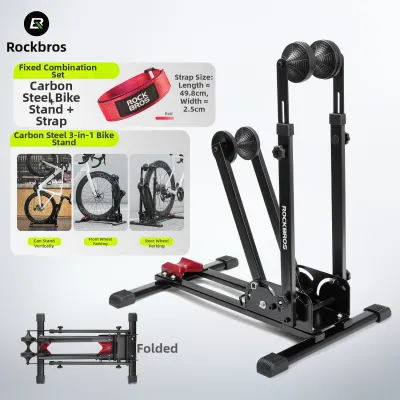
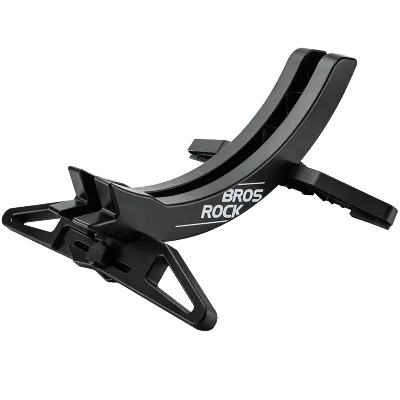
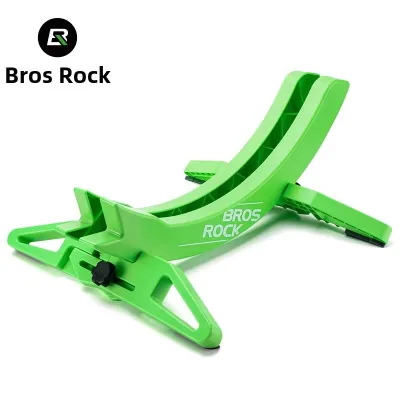
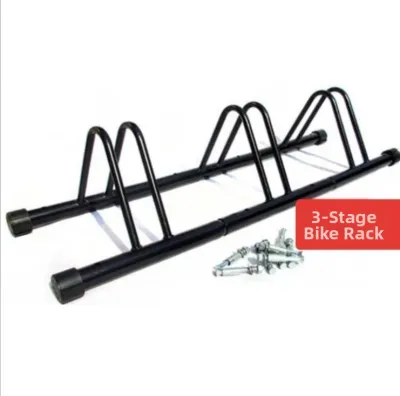
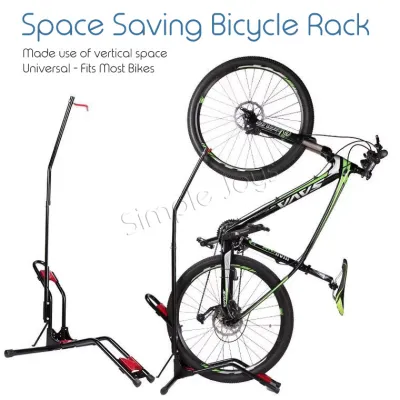
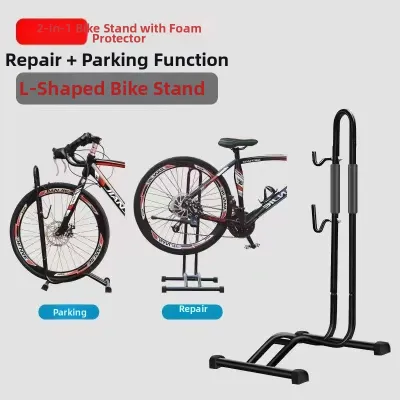
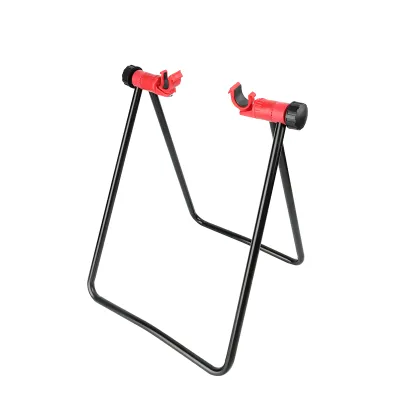
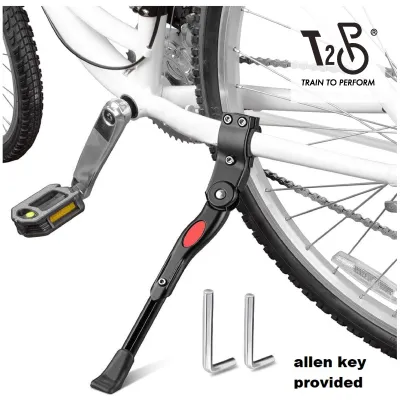
Prices are valid at publication and may change. Please refer to the product page for the latest price.
Your willingness to perform DIY maintenance is the final piece of the puzzle. If your idea of bicycle care stops at inflating the tires and occasionally wiping down the chain, investing in a heavy-duty repair stand is unnecessary. You can easily rely on professional mechanics for annual servicing. However, if you enjoy indexing your own gears, bleeding hydraulic disc brakes, or deep-cleaning your drivetrain after a rainy ride, a dedicated workspace that lifts the bike to eye level will save your back and improve your mechanical precision.
Ultimately, buying a bike stand should solve a specific, recurring friction point. Whether you are tired of a messy drivetrain making adjustments difficult, struggling with cluttered entryways, or constantly searching for a safe place to lean your bike during a brief stop, identifying your primary pain point is the most reliable way to guide your purchase.
Kickstands: For Daily Commuting and Quick Stops
Kickstands are the ultimate convenience accessory for utility cyclists. If you use your bicycle for daily commuting, running errands, or casual family rides, a kickstand allows you to park your bike instantly without searching for a wall, railing, or public bike rack. They are particularly indispensable for heavy cargo bikes, touring setups, and e-bikes, where leaning a heavy, loaded frame against a wall can cause it to slip, slide, and fall, potentially damaging expensive components or integrated electronics.

However, kickstands come with distinct engineering trade-offs that make them unsuitable for performance-oriented cycling. First, they add physical weight—often between 300 to 700 grams—which is highly undesirable for competitive road climbing or fast-paced group rides. Second, they can present a mechanical hazard during aggressive off-road riding. On rough mountain bike trails, the vibrations can cause a spring-loaded kickstand to bounce open, catching on rocks, roots, or your own pedals, which can lead to severe crashes. Additionally, a kickstand resting on soft grass, mud, or uneven gravel can easily sink or tip over, causing the bike to fall.
For these reasons, you should skip the kickstand entirely if you ride a modern carbon fiber road bike, an aerodynamic time-trial bike, or a full-suspension mountain bike. These frames are designed for speed and structural efficiency, not for accessory mounting. Leaning your bike carefully or using portable, non-attached display stands is a much safer way to preserve the structural integrity of high-end frames.
If you do choose a kickstand, you must verify your bike’s frame compatibility before installation. Many modern commuter and hybrid bikes feature dedicated integrated mounting plates near the bottom bracket or the left rear dropout. If your bike lacks these mounts, aftermarket kickstands must clamp directly onto the chainstay and seatstay. You must check your bicycle manufacturer’s guidelines before using a clamp-on stand; applying clamping force to thin-walled aluminum or carbon fiber tubes can easily crush the frame and void your warranty.
Parking and Storage Stands: For Home Organization and Space Saving
When your bike is at home, a dedicated parking or storage stand keeps it secure, upright, and out of the way. Unlike kickstands, these are static external fixtures that do not add weight to your bike during rides. They are generally split into two categories: floor-based solutions and wall-mounted systems.
Floor and Freestanding Racks
Floor-based stands are ideal for renters or anyone who wants to avoid drilling into walls. The most common type is the wheel-in floor slot, which holds either the front or rear wheel securely in a metal cradle. These are incredibly easy to use—you simply roll the bike in—but they do consume valuable floor space. If you have multiple bikes, a multi-bike floor rack can organize them side-by-side, though this requires a wide, dedicated area.
For those with limited floor space who still cannot drill into walls, freestanding gravity stands or floor-to-ceiling tension columns are excellent alternatives. Gravity stands lean against the wall without fasteners, using the weight of the bicycles to stabilize the frame. Tension columns wedge securely between your floor and ceiling, allowing you to stack two or more bikes vertically. While these solutions maximize vertical space, you must ensure your ceiling is structurally sound (avoiding suspended or false plaster ceilings) and that you do not exceed the manufacturer’s specified weight limits, especially when storing heavy e-bikes.
Wall-Mounted and Ceiling Solutions
If you own your home or have permission to drill, wall-mounted solutions offer the ultimate space-saving efficiency. Vertical wall hooks allow you to hang the bike by its front wheel, perpendicular to the wall. This minimizes the horizontal footprint, making it perfect for narrow corridors or balcony corners. Alternatively, horizontal wall hangers cradle the top tube, displaying the bike parallel to the wall, though this requires more horizontal wall clearance.
Before installing any wall-mounted rack, you must verify your wall’s construction material. In Singapore, most internal HDB walls are made of solid concrete or precast panels, which are incredibly strong but require a masonry drill, carbide-tipped bits, and high-quality wall plugs for secure installation. If you are mounting to a drywall partition, you must locate the internal timber or metal studs using a stud finder; never hang a bicycle from plasterboard using simple drywall anchors, as the weight will eventually pull the screws out, causing catastrophic damage to your bike and wall. For high ceilings, ceiling-mounted pulley hoists can lift the bike completely out of reach, but you must carefully inspect the ropes, pulleys, and mounting hardware regularly to prevent accidental drops.
Repair Stands: For DIY Maintenance and Deep Cleaning
A repair stand is a specialized tool designed to elevate your bicycle off the ground, holding it securely at a comfortable working height. This elevation allows you to spin the pedals, wheels, and handlebars freely, which is essential for diagnosing shifting issues, adjusting disc brake calipers, or thoroughly degreasing and lubing your drivetrain. If you regularly ride in wet, humid tropical conditions, sand and road grit will inevitably contaminate your chain and cassette. A repair stand turns a tedious, back-straining cleaning job into a fast, ergonomic task.
When choosing a repair stand, you will encounter two primary designs: clamp-style stands and axle-mount (or euro-style) stands.
Clamp-Style vs. Axle-Mount Stands
Clamp-style stands feature a jaw-like clamp that grips either your bike’s seatpost or one of the frame tubes. They are highly popular because they are incredibly fast to set up and adjust. However, you must exercise extreme caution when using them. You should always clamp the seatpost (preferably a metal one) rather than the frame tubes, as frame tubes are often thin-walled and highly susceptible to crushing under clamping pressure. This is especially critical for carbon fiber frames and aerodynamic seatposts, which require specialized, gentle clamping pressure or dedicated adapters to prevent structural cracking.
Axle-mount stands, on the other hand, require you to remove one of the wheels (usually the front) and secure the fork dropouts or rear dropouts directly to a mounting beam, while the bottom bracket rests on a padded cradle. This method is exceptionally stable and completely eliminates the risk of crushing delicate frame tubes, making it the preferred choice for professional mechanics working on high-end carbon road and time-trial bikes. The trade-off is that setup takes longer, and you may need to purchase specific axle adapters to match your bike’s hub spacing.
When to Skip
You should skip purchasing a repair stand if your maintenance routine is limited to basic tire inflation and occasional chain lubrication. A repair stand is a significant investment in both cost and storage space; if you prefer to delegate gear indexing, brake bleeding, and wheel truing to your local bike shop, a simple, inexpensive floor parking stand is more than sufficient for your basic upkeep needs.
Quick Diagnostic Guide: Match Your Profile to the Right Stand
To help you synthesize these considerations, use the diagnostic matrix below to match your specific cycling profile with the most appropriate stand type.
| User Profile | Primary Need | Recommended Stand Type | Key Features to Verify |
|---|---|---|---|
| The Daily Commuter | Quick, temporary parking during transit and transport. | Heavy-duty kickstand (center-mount or rear-mount). | Frame mounting points, weight capacity, pedal clearance. |
| The Space-Conscious Apartment Dweller | Maximizing indoor floor space while keeping bikes secure. | Wall-mounted hook or vertical gravity stand. | Wall material (concrete vs. drywall), hook width, maximum weight limits. |
| The Home Mechanic | Ergonomic elevation for deep cleaning and complex repairs. | Clamp-style or axle-mount repair stand. | Frame material compatibility, folding footprint, weight stability. |
When purchasing, always prioritize high-quality materials like anodized aluminum or powder-coated steel to resist high humidity, ensuring your stand remains rust-free and structurally sound for years to come.
Frequently Asked Questions (FAQ)
Can I install a kickstand on a carbon fiber road bike?
No, you should not install a standard clamp-on kickstand on a carbon fiber road bike. Carbon fiber frames are engineered to handle specific directional forces from riding, but they are highly vulnerable to localized clamping pressure. Clamping a kickstand to a carbon chainstay can easily crush the composite layers, leading to structural failure and voiding your warranty. Furthermore, performance road bikes lack dedicated kickstand mounting plates. Instead of a kickstand, use a portable display stand at home, or carefully lean your bike’s rear tire or handlebar against solid surfaces when parking outdoors.
Do I need a repair stand if I only ride on weekends?
Not necessarily. If your weekend rides are casual and your maintenance is limited to washing the frame and lubing the chain, a dedicated repair stand is likely an unnecessary expense. You can perform basic drivetrain cleaning by leaning your bike against a wall or using a cheap triangle floor stand that lifts the rear wheel slightly off the ground, allowing you to spin the cranks. However, if your weekend rides involve muddy trail riding or long road miles that demand frequent gear tuning, brake adjustments, and deep degreasing, even a budget-friendly folding repair stand will vastly improve your maintenance efficiency and posture.
Community discussion
Share your experience or ask a question. Comments are reviewed before publication.