
Choosing between resistance bands and a foam roller depends entirely on what your body is asking for: active movement or passive release. If you are experiencing tight, restricted joints that need gentle activation and a better range of motion, resistance bands are your primary tool. Conversely, if your muscles feel generally fatigued, heavy, or full of broad tension after a long workout, a foam roller is better suited to roll out that surface-level tightness.
Many fitness enthusiasts in Singapore find themselves accumulating physical stress from high-humidity outdoor runs or intense gym sessions. Understanding how to read your body’s signals ensures you do not waste time on the wrong recovery method or, worse, aggravate an existing strain. By assessing your current physical symptoms, you can select the tool that matches your immediate recovery goals.
Quick Assessment: Which Recovery Tool Do You Need Right Now?
To make an immediate decision, you must first distinguish between different types of physical discomfort. Surface-level muscle soreness often presents as a dull, widespread ache across a large muscle group, such as your thighs or calves, after a strenuous workout. Deep joint stiffness, on the other hand, feels like a physical blockage or restriction when you try to bend, rotate, or extend a specific joint.
Products mentioned in this guide
![[RECEIVE IN 3 DAYS] Looped Resistance Exercise Yoga Bands](https://img.lazcdn.com/g/p/478c71011ff76f1dc2636e7c42012a8d.jpg_400x400q80.jpg_.webp)
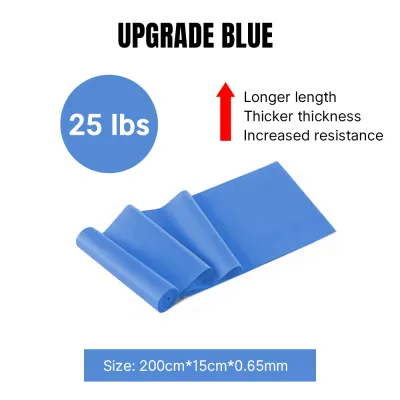
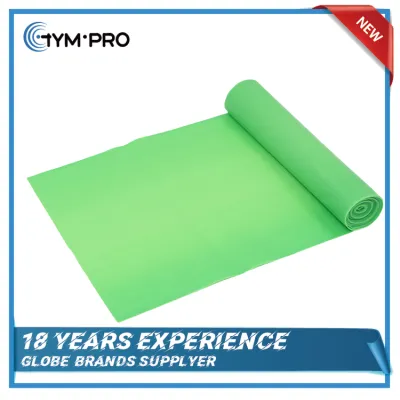
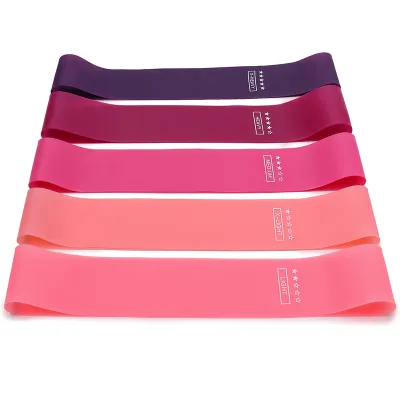
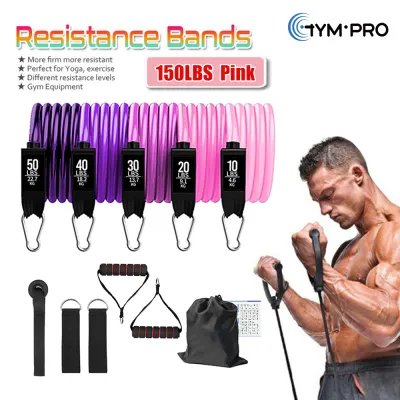
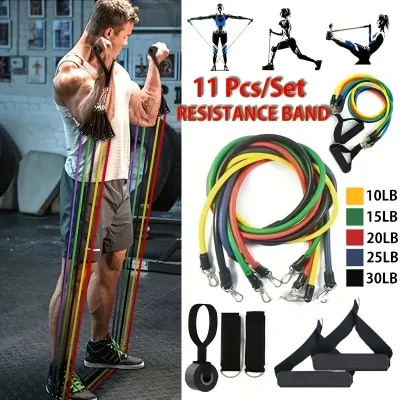
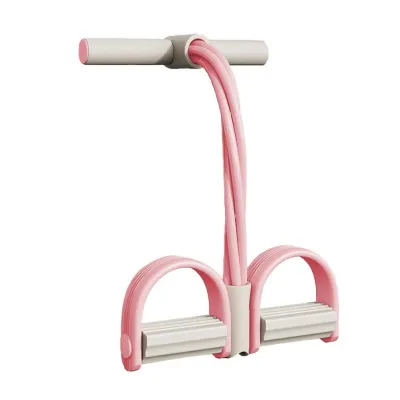
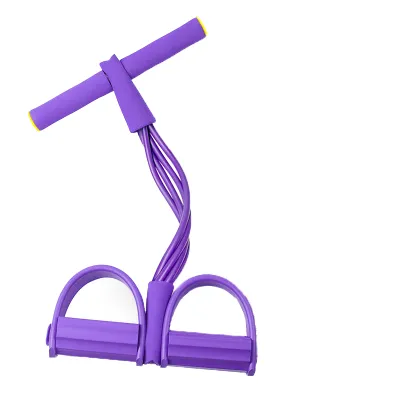
Prices are valid at publication and may change. Please refer to the product page for the latest price.
Your immediate recovery goal also dictates your choice of equipment. Ask yourself if you are looking for passive relaxation or active mobility. Passive relaxation involves letting your body weight do the work to compress and release tight tissues, which is the classic foam rolling experience. Active mobility requires you to engage opposing muscles to actively stretch and stabilize a joint, which is where resistance bands excel.
Before picking up either tool, you must establish a safe baseline. Take a moment to perform a simple body scan while standing or sitting quietly. If you notice any throbbing pain, visible swelling, or localized heat, these are clear signals to pause. In these scenarios, applying heavy pressure or adding resistance can worsen underlying tissue damage, meaning you should rest rather than roll or stretch.
Assessing Your Muscle Tightness and Tissue Feedback
Understanding the difference between localized joint stiffness and broad muscle fatigue requires paying close attention to where the discomfort originates. Broad muscle fatigue usually feels like a heavy, tired sensation throughout the entire muscle belly, often occurring a day or two after exercise. Localized stiffness is typically felt right at the joint line or where the muscle transitions into tendon, making simple movements feel restricted.

You can test your tissue feedback by observing how your body responds to light, manual pressure and active movement. Try gently pressing the target area with your fingers; if the tissue feels dense but yields to pressure without sharp pain, it is likely ready for myofascial work. Next, move the joint through its natural path without any equipment; if the movement feels dry or sticky but improves slightly with each repetition, active mobility work is highly appropriate.
However, you must remain highly sensitive to signs of nerve irritation or localized inflammation. If light pressure triggers a burning sensation, a sudden zap, or a feeling of ‘pins and needles’, your nerves are signaling sensitivity. In these instances, rolling directly over the area or pulling against heavy resistance bands will only heighten the irritation, requiring you to adopt a much gentler, hands-off recovery approach.
Factoring in Injury History and Joint Sensitivity
Your physical history plays a massive role in determining which recovery tools are safe for your daily routine. Always check the product labels and manufacturer guidelines for specific joint clearance recommendations and contraindications. Many manufacturers explicitly outline who should avoid certain movements, particularly individuals with joint hypermobility, recent fractures, or vascular conditions.
When using these tools, you must avoid placing direct pressure or heavy resistance on bony prominences, vulnerable joints, or acute injury sites. For example, rolling a hard foam cylinder directly over your lower back, knee joints, or the neck can place excessive shear force on delicate structures. Similarly, anchoring a resistance band in a way that pulls a sensitive joint at an awkward angle can easily strain stabilizing ligaments.
The most critical safety rule during any self-recovery session is to recognize sharp, shooting, or radiating pain as an absolute stop signal. Normal recovery sensations might include a mild, tolerable discomfort often described as a ‘good hurt’ during rolling or a deep, clean stretch during band work. Sharp or radiating pain, however, indicates that tissue is being pinched, overstretched, or compressed in an unsafe manner, requiring you to halt the activity immediately.
Aligning Tools With Your Specific Recovery Goals
Once you have cleared any safety concerns, you can align your chosen tool with your specific physical goals. If your objective is to improve active range of motion, build joint stability, or wake up underactive muscles before a workout, resistance bands are the ideal choice. When selecting a band, always refer to the manufacturer’s tension guides to match the resistance level to your current strength and the specific muscle group you are targeting.
If your goal is broad, passive tissue relaxation and encouraging general circulation after a long day of sitting or standing, a foam roller is the more appropriate implement. The mechanical action of rolling helps to temporarily increase local blood flow and ease the sensation of muscle tightness. This passive approach is excellent for winding down in the evening, as it does not require active muscular exertion to achieve a release.
Regardless of the tool you select, you must learn to adjust the intensity, angle, and duration based on your daily fatigue levels and personal comfort. On days when your body feels highly fatigued, a lighter, gentler session is far more beneficial than trying to force a deep, painful release. You can modify foam rolling intensity by shifting more of your body weight onto the floor, and you can adjust band tension by changing your grip or stepping closer to the anchor point.
Building a Safe Routine and Knowing When to Stop
Integrating these tools into your lifestyle should be done systematically to prevent overuse injuries. Always start with the gentlest pressure or the lightest resistance band available, monitoring how your tissues respond over the next twenty-four hours. This conservative approach allows you to gauge your body’s tolerance before progressing to firmer rollers or heavier band tensions.
You must establish clear, non-negotiable stop conditions before you begin any recovery session. If you experience increased pain during or after the session, or if you notice numbness, tingling, or bruising the next day, your body is telling you the intensity is too high. Bruising is a sign of tissue trauma, not successful recovery, and should never be tolerated as a normal side effect of foam rolling.
If your muscle pain, stiffness, or movement limitations persist or worsen despite regular, gentle self-care, it is time to seek professional guidance. Consumer recovery tools are designed for general muscle maintenance and are not a substitute for medical diagnosis or treatment. Consulting a qualified healthcare professional or a registered physiotherapist in Singapore will help you identify the root cause of your discomfort and establish a safe, personalized recovery plan.
Frequently Asked Questions (FAQ)
Can I use resistance bands and a foam roller on the same day?
Yes, you can safely use both tools on the same day, provided you sequence them logically and monitor your overall tissue tolerance. A common and effective sequence is to use the foam roller first to help relax tight, overactive muscles and improve local circulation. Once the tissues are temporarily relaxed, you can use resistance bands to perform active mobility drills and stabilize the joints through their newly accessible range of motion. Be careful not to overwork the same muscle groups, as cumulative tissue fatigue can lead to soreness.
How do I clean and maintain my recovery tools?
Proper maintenance ensures your recovery tools remain hygienic and safe to use over time. Always check the manufacturer’s care labels for specific cleaning agents, as harsh chemicals can degrade the materials. For foam rollers, wipe them down after each use with a damp cloth and a mild, non-degrading soap, then allow them to air dry completely away from direct sunlight. For resistance bands, inspect them thoroughly before every use for micro-tears, thinning, or loss of elasticity, and store them in a cool, dry place to prevent the material from becoming brittle.
What should I do if neither tool relieves my muscle pain?
If neither resistance bands nor a foam roller provides relief, you must recognize the limitations of self-care equipment. These tools are intended for minor muscle tension and general maintenance, not for treating clinical conditions, ligament sprains, or joint pathologies. If your pain is accompanied by swelling, joint instability, or does not improve after a few days of rest, stop using the tools immediately. Your next step should be to transition from self-care to a professional medical evaluation or a guided physical therapy session to address the underlying issue safely.
Community discussion
Share your experience or ask a question. Comments are reviewed before publication.