
To optimize your post-workout recovery, the ideal tool depends entirely on your immediate physiological needs, lifestyle constraints, and training objectives. There is no single superior device; rather, each serves a distinct function in an athletic maintenance routine. If your goal is to improve joint mobility, correct movement imbalances, or perform active warm-ups, resistance bands (弹力带) are the most effective choice. If you need to alleviate generalized muscle tightness, flush out metabolic waste, and improve tissue sliding across large muscle groups, a foam roller is highly efficient. If you require deep, targeted relief for localized muscle knots and prefer a passive, effort-free recovery method, a massage gun is the ideal investment. These tools operate on different physiological mechanisms and should be viewed as complementary components of a comprehensive recovery strategy rather than mutually exclusive choices.
How Each Recovery Tool Actually Works
To make an informed decision, it is essential to understand how these tools interact with your neuromuscular system and connective tissues. Recovery is not a uniform process; different types of fatigue and soreness require specific mechanical stimuli to promote healing, restore range of motion, and reduce discomfort.
Resistance Bands for Mobility and Activation
Resistance bands (弹力带) are unique because they provide variable, accommodating resistance. As the band stretches, the tension increases, allowing you to apply progressive load throughout a movement. In a recovery context, this mechanical property is highly valuable for joint distraction and mobilization. By anchoring a band to a sturdy post and looping it around a joint—such as the ankle or hip—you can create a gentle traction force that decompresses the joint capsule. This decompression helps restore natural joint gliding and stimulates the flow of synovial fluid, which lubricates the joint.
Products mentioned in this guide
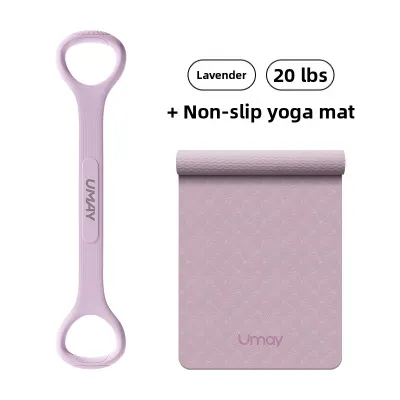
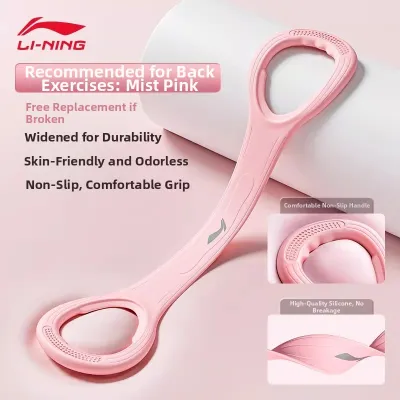
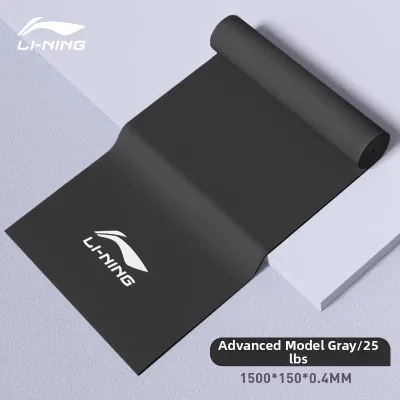
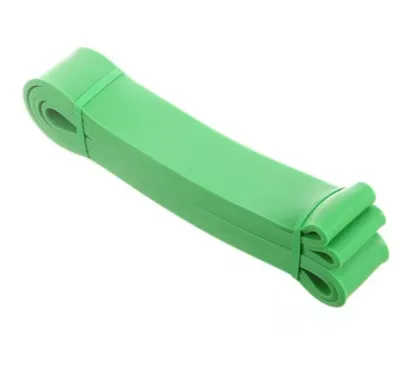
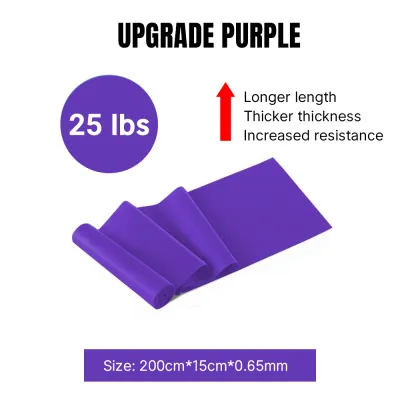
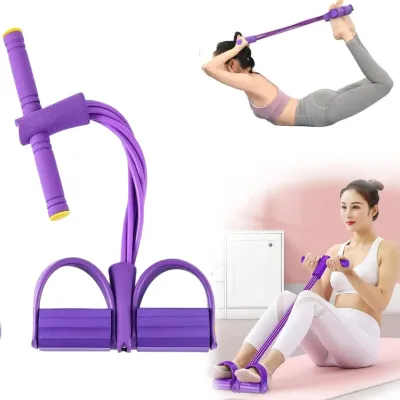
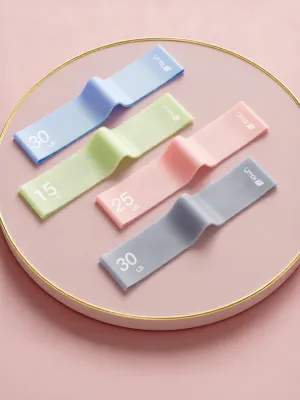
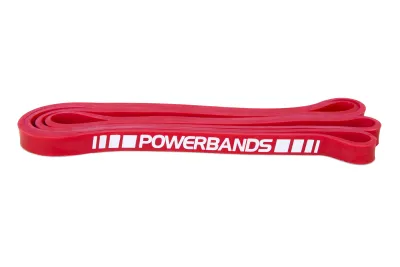
Prices are valid at publication and may change. Please refer to the product page for the latest price.
Furthermore, bands facilitate active recovery through reciprocal inhibition. When you use a light band to actively contract a specific muscle group, the opposing muscle group is neurologically signaled to relax and lengthen. This allows for safe, active stretching that improves functional range of motion without the risk of overstretching cold tissues. For runners navigating the concrete paths of East Coast Park or the undulating trails of MacRitchie Reservoir, using bands to activate key stabilizers like the gluteus medius and tibialis anterior before or after a run helps correct biomechanical deviations, reduce joint stress, and accelerate the recovery process through active movement.
Foam Rollers for Myofascial Release
Foam rolling is a form of self-myofascial release (SMR) that utilizes your own body weight to apply broad, compressive pressure to muscle tissue and the surrounding fascia. Fascia is a continuous web of connective tissue that wraps around muscles, nerves, and blood vessels. Under repetitive strain, dehydration, or intense exercise, fascial layers can develop micro-adhesions, causing them to stick together. This limits natural tissue sliding, resulting in a sensation of stiffness and restricted mobility.
When you glide slowly over a foam roller, the sustained mechanical pressure helps break up these mild adhesions and restores the sliding capacity of the myofascial layers. This compression also stimulates specialized mechanoreceptors within the fascia, such as Ruffini and Pacinian corpuscles. These receptors send inhibitory signals to the central nervous system, prompting a reduction in localized muscle tone and tension. Because foam rolling requires you to support and maneuver your body weight in various positions, it demands active core stability and physical effort. It is highly effective for sweeping through large muscle groups—such as the quadriceps, hamstrings, iliotibial (IT) band complex, calves, and upper back—to flush out metabolic byproducts and restore overall tissue compliance.
Massage Guns for Percussive Therapy
Massage guns utilize percussive therapy, which combines rapid, concentrated pulses of pressure with high-frequency vibration. The device’s motor drives an attachment head back and forth rapidly, striking the muscle tissue at a specific depth (amplitude) and speed (percussions per minute). This rapid mechanical stimulation desensitizes the local area by disrupting pain signals sent to the brain, a phenomenon explained by the gate control theory of pain. By temporarily overriding pain perception, percussive therapy allows you to work on highly sensitive, tender areas with minimal discomfort.
Unlike the broad, sweeping pressure of a foam roller, a massage gun offers exceptional precision. Using specialized attachment heads—such as a bullet head for pinpoint pressure or a dampener head for sensitive areas near bone—you can target deep, isolated muscle knots (myofascial trigger points) that are difficult to reach with other tools. This makes it highly effective for releasing deep-seated tension in areas like the piriformis, subscapularis, or the deep fibers of the glutes. Additionally, percussive therapy is a completely passive recovery method. It requires virtually no physical exertion or core stabilization from the user, making it an incredibly convenient option for relaxing tired muscles while sitting comfortably at home.
Key Comparison Dimensions for Runners and Athletes
When deciding which tool to integrate into your routine, practical factors such as portability, ease of use, physical effort, and financial investment are just as important as the physiological benefits. Each tool presents distinct trade-offs that dictate when and where it is most effectively utilized.

| Tool | Primary Mechanism | Best For | Portability | Learning Curve | Relative Cost |
|---|---|---|---|---|---|
| Resistance Bands | Variable accommodating tension & joint traction | Active mobility, stabilizing muscle activation, and dynamic stretching | High (lightweight, compact, fits easily in any running pack) | Low to Medium (requires learning proper anchoring and movement mechanics) | Low (typically S$10 to S$40 per set) |
| Foam Roller | Broad, bodyweight-supported compression (SMR) | Flushing large muscle groups, improving general tissue sliding, and full-body rolling | Medium (bulky and rigid, though travel-friendly hollow options exist) | Medium (requires core strength, balance, and proper body positioning) | Low to Medium (typically S$20 to S$80 depending on density and material) |
| Massage Gun | High-frequency percussive therapy & localized vibration | Targeting deep, isolated knots, rapid pain desensitization, and passive muscle relaxation | Medium to High (requires a carrying case, charging accessories, and battery maintenance) | Low (highly intuitive to apply, though basic muscle anatomy knowledge is beneficial) | Medium to High (typically S$100 to S$500+ for professional-grade devices) |
These dimensions highlight the practical trade-offs athletes must navigate. For instance, while foam rolling is highly cost-effective and excellent for broad tissue maintenance, it requires a clean floor space and a degree of physical exertion that can feel daunting after an exhausting workout. Conversely, a massage gun offers effortless, highly targeted relaxation but represents a much higher upfront financial investment and relies on battery power.
For Singapore-based athletes who frequently train outdoors or travel for races, portability is a critical consideration. Carrying a standard foam roller to an outdoor track session or a long trail run along the Rail Corridor is highly inconvenient. In contrast, a set of lightweight resistance bands (弹力带) can easily be packed into a hydration vest or small running belt, allowing for immediate post-run mobility work on-site. A massage gun, while highly portable in its carrying case, is often best reserved for post-run recovery at home or in a gym setting due to its weight and electronic components.
Matching Resistance Bands (弹力带), Foam Rollers, and Massage Guns to Your Goals
Choosing the right recovery tool requires matching its unique physical and neurological effects with your specific symptoms, training volume, and lifestyle preferences. Understanding these ideal user profiles ensures you select the tool that will deliver the greatest return on your recovery time.
Choose Resistance Bands If…
You should prioritize resistance bands (弹力带) if your recovery bottlenecks are primarily related to joint stiffness, restricted range of motion, or poor movement mechanics. If you frequently experience tight hips, restricted ankle mobility, or stiffness in your shoulders after long training sessions, bands allow you to perform joint distraction techniques that open up joint space and restore natural biomechanics.
They are also the premier choice for athletes who need an integrated tool that transitions seamlessly between dynamic warm-ups, muscle activation, and active recovery. If you want a highly portable, budget-friendly tool that can help you activate your glutes before a run, stretch your hamstrings afterward, and perform low-intensity rehabilitation exercises to correct muscle imbalances, resistance bands are unmatched in their versatility.
Choose a Foam Roller If…
A foam roller is the ideal choice if you suffer from generalized, broad muscle tightness across large regions of your body. If your entire quadriceps, hamstrings, or calf complexes feel heavy, stiff, and fatigued after a high-mileage week, the broad surface area of a roller is highly efficient for sweeping through these large muscle groups to restore overall tissue compliance and circulation.
This tool is best suited for individuals who want a highly durable, cost-effective option that requires no electrical components or batteries. If you appreciate the active, mindful process of rolling out on a mat at home and do not mind using your own body weight to carefully control and modulate the pressure intensity, the foam roller remains an essential, long-lasting cornerstone of athletic maintenance.
Choose a Massage Gun If…
You should opt for a massage gun if you frequently experience localized, stubborn muscle knots or trigger points that broad rolling cannot seem to release. If you have specific, deep-seated tightness in your glutes, calves, or upper back that requires intense, pinpoint pressure, the percussive action of a massage gun can penetrate deep into the muscle belly to provide rapid, localized relief.
It is also the perfect option for those who prefer a convenient, passive recovery experience. After an exhausting workout in hot, humid weather, you may lack the physical energy to support yourself in a plank position to roll out your IT band. A massage gun allows you to sit comfortably on the sofa and let the device do all the physical work, making it highly accessible for quick, daily muscle maintenance with minimal effort.
Safety Boundaries and When to Stop
While these recovery tools are highly effective for managing muscle soreness and improving mobility, improper use can lead to tissue damage, joint irritation, or acute injury. Always prioritize safety, and if you are using a commercial massage gun or specialized resistance bands, read the manufacturer’s instructions and care labels carefully before use.
For resistance bands (弹力带), always inspect the material thoroughly for micro-tears, nicks, discoloration, or structural wear before every session. In Singapore’s hot, humid tropical climate, latex and rubber materials can degrade, dry out, or become brittle much faster if stored in direct sunlight, hot vehicles, or damp environments. A band that snaps under high tension can cause severe skin contusions or eye injuries. Always maintain controlled tension during use; never release a stretched band suddenly, and ensure it is anchored to a secure, non-moving structure that can easily withstand the load.
For foam rollers, avoid rolling directly over joints, bones, the cervical spine (neck), or the lumbar spine (lower back). Rolling the lower back with a foam roller can place excessive hyperextension stress on the lumbar vertebrae and compress internal organs without the protective cage of the ribs. Focus strictly on soft muscle bellies. If you experience sharp, shooting pain, or a tingling, numb sensation—which indicates nerve compression—stop rolling immediately.
For massage guns, never apply percussive therapy directly to bones, joints, the spine, or the front and sides of the neck, where major blood vessels (such as the carotid artery) and nerves are located. Avoid using the device on acute injuries, such as fresh muscle tears, sprains, fractures, or areas with bruising, swelling, or skin irritation. Limit the application time to 1 to 2 minutes per muscle group. Overusing a percussive device on a single spot can cause deep tissue bruising and micro-trauma, which delays muscle recovery rather than accelerating it.
As a general rule, recovery work should feel like a “productive discomfort” or a deep, satisfying release—it should never cause agonizing, sharp, or intolerable pain. If localized pain persists, worsens, or forces you to alter your natural running gait or daily movement patterns, cease all self-treatment immediately. Consult a qualified physiotherapist or sports medicine professional for a personalized assessment. These tools are designed for general maintenance and cannot replace professional medical diagnosis, structured rehabilitation, or proper athletic training.
Frequently Asked Questions (FAQ)
Understanding how to integrate and sequence these tools can help you build a safer, more effective recovery routine.
Can I use all three tools together in one recovery routine?
Yes, combining these tools in a structured sequence can maximize your recovery outcomes. A highly effective sequence begins with the foam roller to perform broad myofascial release, flushing out metabolic waste and preparing large muscle groups. Next, use the massage gun to target any specific, stubborn knots or highly localized trigger points that the roller could not resolve. Finally, finish your session with light resistance bands to perform active mobility exercises and dynamic stretching. This final step helps restore functional range of motion and reinforces healthy movement patterns while your muscles are warm and relaxed.
Are resistance bands actually considered recovery tools?
Yes, light-to-medium resistance bands (弹力带) are highly effective tools for active recovery. While foam rollers and massage guns focus on passive tissue manipulation, bands require active muscular engagement. Active recovery is crucial because it promotes blood circulation and lymphatic drainage without placing high mechanical stress on fatigued muscles. Using bands for gentle traction, joint mobilization, and low-intensity stabilization exercises helps maintain joint health, corrects movement imbalances, and prevents the stiffness that often sets in after intense training sessions.
Community discussion
Share your experience or ask a question. Comments are reviewed before publication.