
Quick Answer: Which Recovery Tool Fits Your Running Routine?
Choosing the right post-run recovery tool depends entirely on your specific physiological needs rather than finding a single, universally superior option. Neither the resistance band nor the foam roller is inherently better; instead, they serve fundamentally different functions in a runner’s recovery toolkit. Selecting the wrong tool for your symptoms can lead to ineffective recovery or unnecessary discomfort.
Foam rollers are highly effective for runners experiencing broad muscle tightness, general fatigue, and delayed onset muscle soreness (DOMS). By utilizing your own body weight, a foam roller delivers deep tissue compression that targets large muscle groups like the quadriceps, calves, and glutes. This process helps restore tissue quality and relieve the overall sensation of stiffness after high-impact training.
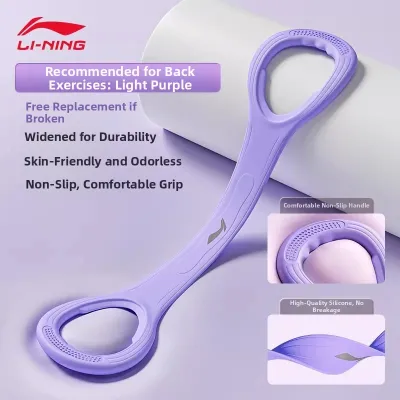
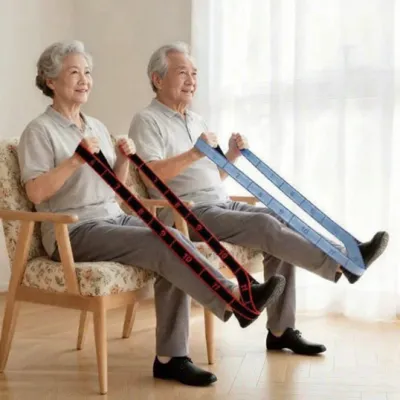
Resistance bands are the ideal choice if your primary recovery goals are improving joint mobility, performing active isolated stretching, and lengthening specific, tight muscle groups such as the hamstrings or hip flexors. Rather than compressing the tissue, bands provide external tension that allows you to safely guide your limbs through an extended range of motion, helping to restore optimal movement patterns.
Products mentioned in this guide
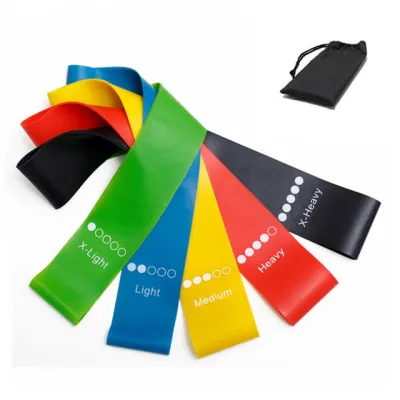
![🇸🇬 [READY STOCK] Elastic Yoga Pilates Rubber Stretch Resistance Exercise Fitness Band Belt](https://img.lazcdn.com/g/p/20dbe94b58bb8a94f4538aee88b0b8a2.jpg_400x400q80.jpg_.webp)
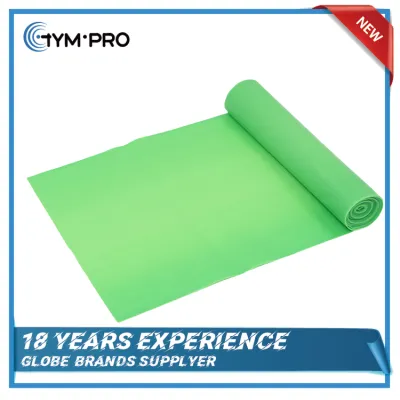
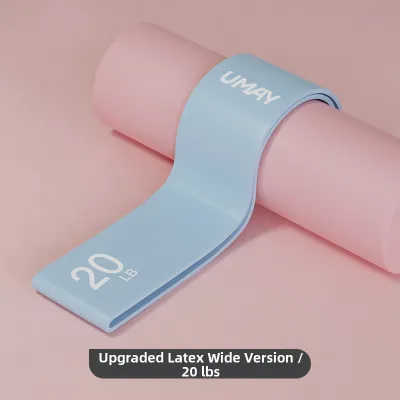
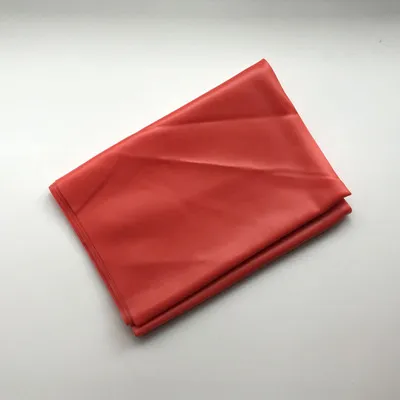
![🇸🇬 [READY STOCK] Pull Up Assist Resistance Elastic Band Natural Rubber Workout Loop Band for Workout icon](https://img.lazcdn.com/g/p/168ff2ad3ba2fb365fffd4d2fd22e6c4.jpg_400x400q80.jpg_.webp)
Prices are valid at publication and may change. Please refer to the product page for the latest price.
While integrating both tools offers the most comprehensive approach to muscular recovery, you can easily prioritize one based on your current physical bottlenecks. If your main challenge is localized muscle soreness and tight tissue, a foam roller is your best investment. If you struggle with stiff joints, short strides, or limited flexibility, a high-quality resistance band should be your primary choice.
The Core Difference: Myofascial Release vs. Active Stretching
To make an informed decision, it is essential to understand how these tools interact with your musculoskeletal system. Foam rolling relies on the principles of self-myofascial release (SMR). When you run, the repetitive impact and muscle contractions can cause microscopic damage, leading to the formation of trigger points or localized adhesions in the fascia—the connective tissue wrapping around your muscles. Rolling applies direct, localized pressure to these areas, which stimulates sensory receptors that signal your central nervous system to reduce muscle tension. This mechanical compression also helps flush out metabolic waste products and draws fresh, oxygenated blood into the tissue, accelerating the repair process.

Resistance bands operate on a completely different physiological mechanism, focusing on assisted, active stretching and mobility. Instead of compressing the muscle fibers from the outside, a band acts as an extension of your limbs, providing a consistent, controllable anchor of tension. This tension allows you to perform techniques like Proprioceptive Neuromuscular Facilitation (PNF) and active isolated stretching (AIS). By contracting a muscle against the band’s resistance and then relaxing, you trigger a neurological reflex that allows the target muscle to lengthen more deeply than it would during passive stretching. This process is highly effective for restoring the natural resting length of muscles that have become shortened and hypertonic during a long run.
For runners training in humid environments like Singapore, where high sweat rates can lead to rapid dehydration and subsequent muscle cramping, understanding these mechanisms is crucial. Dehydrated muscles are highly susceptible to both fascial binding and acute shortening. Applying myofascial release helps rehydrate the fascia by stimulating fluid flow, while band-assisted stretching gently coaxes the shortened fibers back to their optimal length without placing excessive stress on already fatigued joints.
Head-to-Head Comparison for Runners
Evaluating these tools across practical, everyday dimensions helps clarify how they perform in a real-world training routine.
Muscle Targeting and Tissue Depth
Foam rollers excel at addressing large, broad muscle groups where you can easily apply your full body weight. Rolling the entire length of your quadriceps, hamstrings, or upper back allows you to cover significant surface area quickly, making it an efficient option for general post-run maintenance. The compression reaches deep fascial layers, mimicking the pressure of a professional deep-tissue massage. However, foam rollers are structurally limited when it comes to precision; they cannot easily isolate deep, hidden muscles or navigate around bony prominences without causing discomfort.
Resistance bands offer unparalleled precision for targeting specific muscle bellies, deep joint capsules, and hard-to-reach areas. For example, isolating the deep hip rotators, stretching the individual heads of the hamstring, or performing ankle dorsiflexion mobilization is highly effective with a band. Because you control the angle and vector of the tension, you can safely work around sensitive joints and bony areas. This makes bands a much safer and more precise option for addressing localized mobility restrictions that a bulky roller simply cannot touch.
Portability for Travel and Race Days
For runners who travel frequently for regional marathons or commute to local running trails like MacRitchie Reservoir or the Green Corridor, portability is a major factor. Resistance bands are exceptionally lightweight, weighing virtually nothing and folding down to fit into a pocket, running vest, or small waist pack. This makes them incredibly convenient for immediate post-run stretching right at the trail exit or in a hotel room after a destination race.
Foam rollers are inherently bulky and rigid, making them difficult to transport. While hollow-core and travel-sized rollers are available, they still occupy substantial space in a gear bag or carry-on luggage. Consequently, foam rollers are generally best suited for home gym setups, living rooms, or fixed training bases where space is not a constraint. If your recovery routine relies heavily on immediate, on-site care after outdoor sessions, the portability of a band is a clear advantage.
Technique and Learning Curve
Using a foam roller effectively requires a surprising amount of physical effort and core stability. To roll your calves, hamstrings, or IT band surroundings, you must support a significant portion of your body weight using your upper body and core. This can be physically exhausting immediately after a grueling long run. Additionally, navigating tender trigger points requires a high pain tolerance and careful control to avoid tensing up, which can counteract the benefits of the release.
Resistance bands have a different type of learning curve that focuses on coordination and alignment rather than raw physical effort. Using a band requires you to understand proper joint mechanics, learn how to anchor the band safely, and know how to adjust the tension by changing your grip or selecting a different band thickness. The physical effort required is minimal, as you are typically lying down or sitting in a supported position. This makes bands highly approachable for runners of all fitness levels, provided they take the time to learn correct stretching forms and avoid the temptation to overstretch tight tissues.
Quick Comparison Table
This table summarizes the core differences to help you quickly compare the practical aspects of both recovery tools.
| Comparison Dimension | Foam Roller | Resistance Band |
|---|---|---|
| Primary Mechanism | Self-Myofascial Release (SMR) | Assisted & Active Stretching (AIS/PNF) |
| Best For | Broad muscle tightness & DOMS | Joint mobility & isolated muscle lengthening |
| Portability | Low (bulky and rigid) | High (lightweight and pocket-sized) |
| Space Required | Moderate (requires floor space to roll) | Low (can be used sitting or lying down) |
| Physical Effort | Moderate to High (requires core/upper body support) | Low (supported, relaxed positions) |
| General Price Point | Moderate (depends on density and design) | Budget-friendly (highly cost-effective) |
Best Scenarios for Using Resistance Bands Post-Run
Integrating resistance bands into your routine is highly beneficial under specific training conditions and physical limitations.
Hip Flexor and Glute Mobility
Running requires thousands of repetitive strides that constantly contract and shorten your hip flexors, especially when tackling hilly terrain or running on flat, hard pavement. Over time, this chronic shortening can pull your pelvis into an anterior tilt, placing excessive strain on your lower back and reducing glute activation. A heavy-loop resistance band can be anchored to a stable post to perform a distracted hip flexor stretch. The band pulls the head of the femur slightly forward within the joint capsule, allowing you to achieve a deeper, safer stretch through the front of the hip that restores optimal pelvic alignment.
Hamstring and Calf Lengthening
Attempting to stretch tight hamstrings by bending over and reaching for your toes often leads to rounded posture and unwanted strain on the lumbar spine. By lying flat on your back and looping a long, flat resistance band around the arch of your foot, you can perform a supine hamstring stretch. This position completely stabilizes your spine against the floor while the band allows you to gently pull your leg upward to a comfortable threshold. You can easily adjust the angle to target the inner or outer hamstrings, and gently flex your foot against the band to release tension in the upper calf muscle.
Ankle and Foot Recovery
Running on uneven surfaces, such as trail paths or older asphalt roads, places immense lateral stress on your ankles. Lighter resistance bands are perfect for performing gentle ankle eversion and inversion exercises after a run. By looping the band around your forefoot and moving your ankle side-to-side against light tension, you stimulate blood flow to the stabilizing tendons and ligaments around the ankle joint. This active movement helps flush out localized swelling, restores lateral mobility, and strengthens the stabilizers to reduce the risk of future rolls or sprains.
Best Scenarios for Using Foam Rollers Post-Run
Foam rolling is exceptionally effective when your body demands broad, deep tissue compression to alleviate systemic tightness.
Calves and Achilles Area
Your calves absorb a tremendous amount of impact force with every footstrike, which can leave the gastrocnemius and soleus muscles feeling heavy, dense, and tight. Placing a foam roller under your calves and slowly rolling from the ankle up to just below the knee helps break up fascial restrictions. For added pressure, you can cross one leg over the other. This deep compression helps restore elasticity to the calf complex, reducing the tension transmitted down to the Achilles tendon and helping to prevent common issues like plantar fasciitis.
Quadriceps and IT Band Surroundings
High-mileage road running often leads to significant tightness along the front and outer sides of the thighs. To roll your quadriceps safely, lie face down with the roller under your thighs, supporting your upper body on your forearms, and slowly glide from the top of the hip down to just above the knee.
Crucial Safety Note: Avoid rolling directly over the Iliotibial (IT) Band itself. The IT band is a thick, fibrous band of connective tissue, not a muscle, and pressing directly onto it against the femur can cause friction, inflammation, and increased pain. Instead, focus on rolling the surrounding muscles that insert into or sit beneath the IT band, such as the tensor fasciae latae (TFL) at the lateral hip and the vastus lateralis (the outer quadriceps muscle). Releasing these adjacent muscles effectively reduces the lateral pull on your knee joint without irritating the IT band.
Upper Back and Posture
As fatigue sets in during long runs, many runners tend to hunch their shoulders forward, compressing the chest and restricting lung capacity. Placing a foam roller horizontally under your mid-back (thoracic spine) allows you to perform gentle extension stretches. Support your head with your hands, keep your hips on the floor, and gently drape your upper back over the roller. This opens up the chest, mobilizes the thoracic vertebrae, and counteracts the slumped posture associated with long-distance running fatigue.
The Final Verdict: How to Choose Your Recovery Gear
To make your final decision, evaluate your current physical state, training environment, and recovery goals against this straightforward decision framework:
- Choose a Foam Roller if: Your primary complaints are broad, aching muscle soreness, heavy limbs, and delayed onset muscle soreness (DOMS) after long road runs. This tool is ideal if you have dedicated floor space at home and prefer a recovery routine that mimics the deep, compressive feel of a massage.
- Choose a Resistance Band if: Your main limitations are joint stiffness, restricted stride length, or tight hamstrings and hips. It is also the superior choice if you need an ultra-portable, lightweight tool that easily fits into a running vest or travel bag for immediate post-run recovery on the go.
- Consider Both if: You are a high-mileage runner, marathon competitor, or multi-sport athlete looking to build a comprehensive, professional-grade recovery protocol. Using both tools allows you to address tissue quality first with the roller and joint mobility second with the band.
- Verify First if: You are currently recovering from an acute running injury, muscle strain, joint sprain, or recent surgery. Always consult a qualified physiotherapist or sports physician before using either tool on an injured area to ensure it aligns with your rehabilitation plan and does not worsen the tissue damage.
Safety Rules and When to Stop
To prevent self-inflicted injury, always adhere to strict safety boundaries when using recovery equipment.
When using a foam roller, never roll directly over bony prominences, joints, the lumbar spine (lower back), or the cervical spine (neck). Rolling these areas can place excessive pressure on delicate spinal structures and nerves. Stop immediately if you experience sharp, shooting pain, numbness, tingling, or a “pins and needles” sensation, as these are clear indicators of nerve compression.
Before using a resistance band, inspect the material thoroughly for any micro-tears, discolored stress marks, or peeling edges. A damaged band can snap under tension, potentially causing severe injury. Never anchor your band to unstable furniture, doors that are not securely latched, or sharp-edged objects. Avoid stretching any band beyond its manufacturer-stated maximum elongation limit to prevent structural failure.
As a general rule, post-run recovery work should produce a tolerable, “good hurt” or mild, releasing discomfort. It should never cause agonizing, sharp, or stabbing pain. If your muscle soreness or joint stiffness worsens after a recovery session, or if localized pain persists for more than a few days despite rest, discontinue use immediately and seek a professional medical evaluation.
Frequently Asked Questions (FAQ)
Can I use both a foam roller and a resistance band on the same day?
Using both tools in a single recovery session is highly effective because their mechanisms are complementary. For the best results, always start with the foam roller. The deep compression of rolling increases local blood circulation, warms up the muscle tissue, and relaxes the nervous system by releasing tight fascial knots. Once the muscles are warm and the initial stiffness is reduced, follow up with your resistance band routine. The band can then safely guide the newly relaxed muscles through their full range of motion, helping to lock in long-term flexibility and joint mobility gains.
Are resistance bands safe for recovering from a minor running strain?
Using resistance bands on an acute, fresh muscle strain is not recommended and can worsen the injury. A muscle strain involves physical micro-tears in the muscle fibers; placing immediate stretching tension on these torn fibers can expand the tear and delay healing. During the acute phase of an injury—typically the first 48 to 72 hours—you should rest and consult a healthcare professional. Once a physiotherapist confirms you have entered the sub-acute or remodeling phase of recovery, light resistance band work can be safely introduced to gently promote blood flow and guide the alignment of new scar tissue.
Community discussion
Share your experience or ask a question. Comments are reviewed before publication.