
Choosing between a reusable gel ice pack and an instant cold pack depends entirely on where your injury occurs, how quickly you need relief, and whether you are managing a sudden accident or a long-term recovery process. Both options serve as valuable tools for cold therapy, yet they operate on completely different mechanisms and suit distinct environments. Understanding these differences allows you to make an informed decision that aligns with your active lifestyle, budget, and recovery needs.
Reusable gel packs offer sustained, flexible cooling that conforms comfortably to the body, making them the preferred choice for home-based recovery, post-workout soreness, and chronic joint management. On the other hand, instant cold packs provide immediate, freezer-free activation, making them indispensable for emergency first aid kits, outdoor adventures, and sports sidelines where refrigeration is unavailable. By evaluating the unique characteristics of each pack, you can ensure you always have the right therapeutic tool on hand when an injury strikes.
Core Differences in Design and Cooling Mechanism
To understand which cold pack is right for your situation, it is helpful to look at how each type generates and maintains its low temperature. Reusable gel ice packs are designed for longevity and repeated use. They typically contain a specialized gel formulation—often a mixture of water, thickening agents, and freezing-point depressants like propylene glycol. This formulation is engineered to lower the freezing point of the liquid, allowing the pack to remain highly flexible and pliable even after hours in a sub-zero freezer. Because they rely on external freezing, their cooling capacity is determined by the temperature of your freezer and the thermal mass of the gel itself.
Products mentioned in this guide
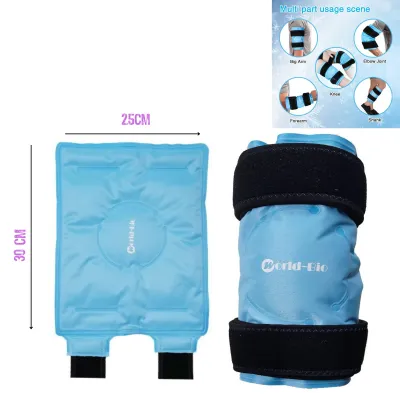
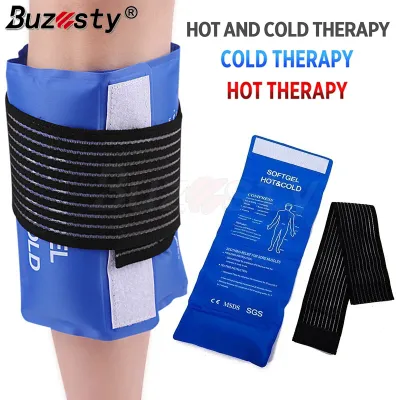
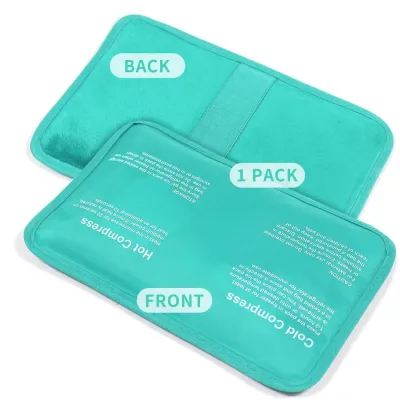
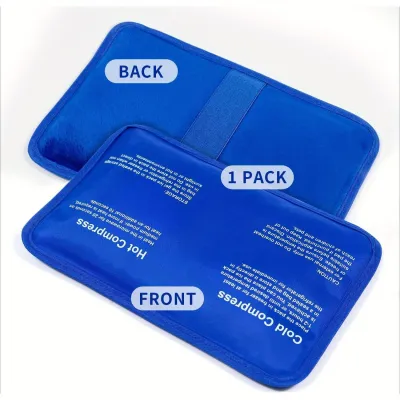
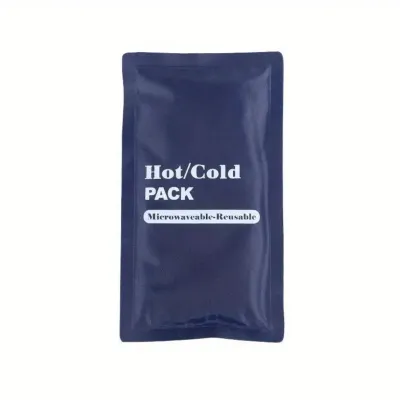
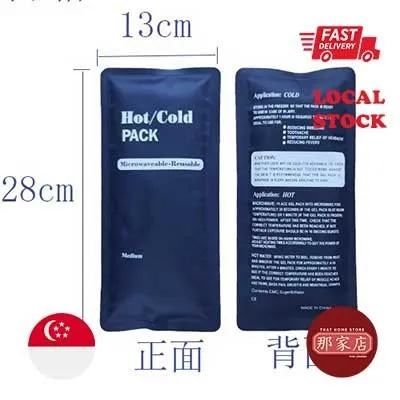
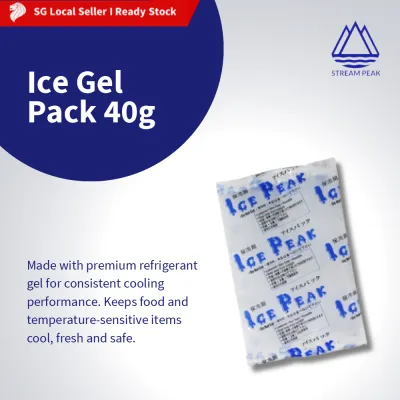
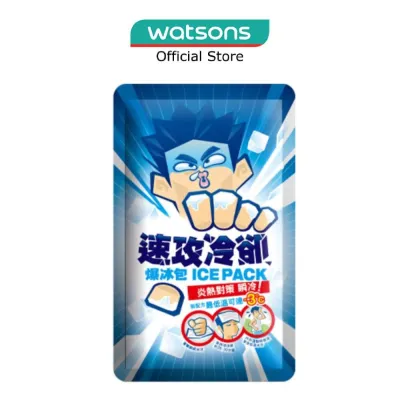
Prices are valid at publication and may change. Please refer to the product page for the latest price.
In contrast, instant cold packs are designed for single-use convenience and do not require any pre-chilling or freezer access. These packs rely on an endothermic chemical reaction to produce an immediate drop in temperature. Inside the outer plastic sleeve, you will find dry chemical granules—commonly urea or ammonium nitrate—alongside a separate, fragile inner pouch filled with water. When you squeeze the pack, the inner water pouch ruptures, allowing the water to dissolve the chemical granules. This dissolution process absorbs ambient heat rapidly, causing the outer surface of the pack to feel cold within seconds.
When purchasing either type of pack, it is essential to check the manufacturer labels for active ingredients, activation instructions, and specific freezing time requirements. Reusable packs often require several hours of undisturbed freezing to reach their optimal therapeutic temperature, while instant packs require a specific squeezing or striking technique to ensure the inner pouch breaks completely and initiates the chemical reaction.
Comparing Key Decision Factors for Injury Treatment
When managing an injury, several practical factors come into play, including how long the cold lasts, how well the pack fits the injured area, how easy it is to transport, and the overall cost of ownership.

Temperature duration and consistency vary significantly between the two designs. Reusable gel packs generally offer a more stable and prolonged cooling experience. Because the gel has a high thermal capacity, it can maintain a therapeutic temperature range for a longer period, allowing for a complete recovery session. Instant cold packs, while rapid in their initial cooling, tend to lose their coldness much faster. The endothermic reaction peaks quickly and then gradually diminishes as the chemical process reaches equilibrium. To ensure you are getting effective therapy, always verify the product labels for the manufacturer’s claimed cold hold times rather than relying on general assumptions.
Flexibility and contouring are critical for delivering cold therapy to complex joints like knees, ankles, elbows, and wrists. Reusable gel packs excel in this category because their specialized gel remains soft and moldable even when frozen. This pliability allows the pack to wrap closely around the contours of a joint, maximizing the surface area of skin contact and ensuring even cold distribution. Instant cold packs, because they contain a mixture of liquid and undissolved chemical crystals, can feel somewhat stiff or bulky. This makes it more challenging to wrap them tightly around smaller or highly contoured joints without leaving gaps.
Portability and readiness represent the primary trade-off between these two options. Reusable gel packs are highly dependent on freezer access. If you are traveling, hiking, or playing sports outdoors, a reusable pack will gradually warm up inside your gear bag unless kept in a high-quality insulated cooler. Instant cold packs offer unmatched portability. They can sit in a first aid kit, a car glove compartment, or a hiking backpack for months, ready to be activated instantly with a simple squeeze whenever an unexpected sprain or strain occurs.
Cost evaluation is another important consideration for long-term planning. Reusable gel packs require a higher upfront investment, typically ranging from S$10 to S$30 depending on the size, brand, and whether they include fabric sleeves or compression straps. However, because they can be refrozen and reused hundreds of times, their cost per use is exceptionally low. Instant cold packs are inexpensive individually, often costing between S$2 and S$5 per pack. However, because they are strictly single-use items, using them for a multi-week rehabilitation program can quickly become expensive and generate significant plastic and chemical waste.
When to Choose a Reusable Gel Ice Pack
A reusable gel ice pack is the ideal choice for structured, home-based recovery and long-term injury management. If you are recovering from a planned orthopedic surgery, managing chronic conditions like arthritis or tendonitis, or dealing with routine post-workout muscle soreness after a run in a humid tropical climate, a reusable pack is highly practical. It provides the consistent, deep-tissue cooling necessary to help manage swelling and discomfort over several days or weeks of rehabilitation.
To use a reusable gel pack effectively, you must have reliable freezer access and the foresight to prepare the pack in advance. Storing one or two gel packs permanently in your home freezer ensures they are always ready when you return from a strenuous workout or a long day on your feet. This setup is perfect for routine maintenance and predictable recovery sessions where you can relax at home with the pack secured to the affected area.
When shopping for a reusable gel pack, look for high-quality construction features that ensure durability and safety. Prioritize packs made with heavy-duty, puncture-resistant outer materials, such as double-sealed nylon or thick vinyl, to prevent the gel from leaking during repeated molding and bending. Additionally, verify that the packaging carries non-toxic gel certifications, giving you peace of mind in case of an accidental puncture or tear.
When to Choose an Instant Cold Pack
Instant cold packs are the ultimate solution for unpredictable emergencies and off-grid adventures. If you are packing a first aid kit for a hiking trip along the Rail Corridor, organizing gear for a weekend football match at a local pitch, or traveling to areas where refrigeration is scarce, these disposable packs are indispensable. They allow you to apply immediate cold therapy within the critical first minutes of an acute injury, such as a rolled ankle or a sudden impact sprain, helping to manage initial swelling before you can seek medical attention.
Because of their single-use design, instant cold packs are not intended for ongoing, multi-day rehabilitation protocols. Relying on them for daily therapy is neither cost-effective nor environmentally friendly. Instead, view them as a temporary, bridge solution designed to provide immediate relief on-site until you can transition to a reusable gel pack or receive professional medical evaluation.
Before relying on an instant cold pack, always perform a quick quality check. Inspect the expiration date printed on the packaging, as the chemical components can lose their reactivity and effectiveness over time. Additionally, gently feel the pack to ensure the inner water pouch is fully intact and has not accidentally ruptured during transit or storage, which would render the pack useless when an actual emergency arises.
Safety Guidelines and Application Best Practices
Regardless of which cold pack you choose, practicing safe application is vital to protect your skin and underlying tissues from damage. Cold therapy is highly effective, but improper use can lead to adverse effects such as frostbite, ice burns, or localized nerve irritation.
First and foremost, never apply a frozen gel pack or an activated chemical pack directly to bare skin. The extreme temperatures can rapidly damage delicate skin cells. Always place a physical barrier, such as a thin cloth, a clean towel, or the protective fabric sleeve provided with some reusable packs, between the cold source and your skin. This barrier helps regulate the temperature transfer while still allowing the therapeutic cold to reach the injured tissues safely.
Second, adhere strictly to standard application limits to avoid overexposure. For most acute injuries, keeping the cold pack in place for 15 to 20 minutes per session is generally recommended. Leaving a cold pack on for longer periods does not provide additional therapeutic benefits and can actually trigger a rebound effect, where the body increases blood flow to the area to protect against the extreme cold, potentially worsening swelling. Allow your skin temperature to return to normal between sessions before reapplying.
Finally, monitor your body’s response closely throughout the application. If you experience intense numbness, a burning sensation, sharp pain, or notice significant skin discoloration (such as extreme redness, whiteness, or a bluish tint), stop using the pack immediately. These are warning signs that the tissue is becoming too cold. If these symptoms do not resolve quickly after removing the pack, or if you suspect a severe injury, consult a qualified healthcare professional for a proper diagnosis and treatment plan.
Decision Framework: Which Ice Pack Fits Your Needs?
To finalize your choice, consider where you will most likely need to use the cold therapy and how often you expect to apply it.
You should choose a reusable gel ice pack if you are looking for a cost-effective, long-term solution for home recovery, chronic pain management, or post-exercise muscle care, and you have consistent access to a freezer. This option provides superior flexibility, longer-lasting cold, and a much lower environmental impact over time.
You should choose an instant cold pack if you need a highly portable, emergency-ready solution for outdoor activities, travel, sports sidelines, or first aid kits where refrigeration is unavailable. This option ensures you can deliver immediate cold therapy on-site when unexpected injuries occur.
Before starting any new cold therapy regimen, especially if you have pre-existing medical conditions that affect your circulation, skin sensitivity, or nerve sensation (such as diabetes or peripheral neuropathy), verify with a qualified medical professional to ensure cold application is safe for your specific health profile.
Frequently Asked Questions (FAQ)
Can I reuse an instant cold pack after it warms up?
No, instant cold packs cannot be reused once they have warmed up. The cooling effect is powered by an irreversible endothermic chemical reaction that occurs when the inner water pouch is broken and mixes with the chemical granules. Once this reaction is complete and the mixture reaches room temperature, the chemical state cannot be restored. After use, you should dispose of the pack safely in your regular household waste according to your local waste management guidelines, ensuring the pack remains sealed to prevent any chemical leakage.
How should I store reusable gel packs to maximize their lifespan?
To maximize the lifespan of your reusable gel packs, store them in a sealed plastic zip-top bag before placing them in your freezer. This simple step prevents the outer fabric or plastic of the pack from absorbing food odors and moisture from the freezer environment, which can degrade the material over time. Additionally, always store them flat to ensure the gel freezes evenly, and inspect the pack for any signs of wear, leaks, or punctures before each application to ensure safe and effective use.
Community discussion
Share your experience or ask a question. Comments are reviewed before publication.